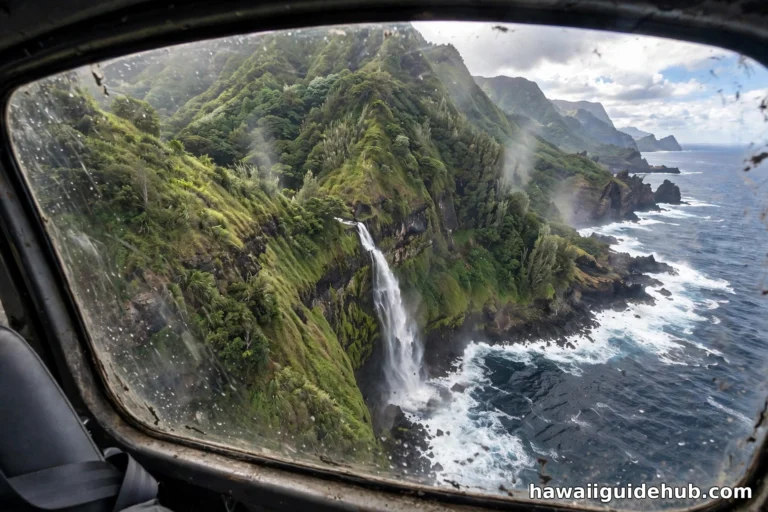
Best Time to Visit Hilo Hawaii

The best time to visit Hilo depends on what you want from the wettest corner of Hawaiʻi Island. Hilo sits on the windward east coast, where trade winds push moist ocean air into the slopes of Mauna Loa and Mauna Kea and turn it into rain. That rain is not a flaw in the trip. It is the reason the waterfalls run, the gardens stay green, and the town feels so different from the dry resort coast on the other side of the island. Choose your dates with the rain in mind, and Hilo rewards you. Choose them by mainland habits, and you will spend your visit wondering why nobody warned you.
This guide is only about Hilo and the east side. It does not repeat general Hawaii season advice, because Hilo does not follow it closely. A month that is perfect for Kona can be soggy in Hilo, and a month that sounds rainy on paper can deliver Hilo’s best waterfall weather. What follows covers the rain pattern, the driest and wettest windows, Merrie Monarch week, ocean conditions, prices, and common mistakes.
Best Time to Visit Hilo at a Glance
| Window | What Hilo Gives You |
| Driest overall | Late May through September, with June often among the driest months |
| Best waterfall flow with manageable rain | November through March, when the rivers run full |
| Warmest ocean and air | August through October |
| Biggest event | Merrie Monarch Festival in spring, the week after Easter Sunday |
| Wettest stretch | Late fall through early spring, with heavy multi day storms |
| Normal annual rainfall | About 129 inches at Hilo airport, per NOAA climate normals |
| Typical temperatures | Highs near 80 to 83 degrees Fahrenheit, lows in the mid 60s to near 70 |
| Hardest dates to book | Merrie Monarch week, when Hilo lodging fills early |
Why Hilo Weather Is Its Own Question
Most Hawaii weather advice describes the leeward resort areas, where rain is a brief interruption. Hilo is different. The State of Hawaiʻi Data Book, using National Oceanic and Atmospheric Administration climate data, puts Hilo’s normal annual rainfall at about 129 inches. That is several times the rainfall of Honolulu or Kahului, and it falls on more than 270 days a year by the same climate record. No other town in Hawaii asks visitors to plan around rain the way Hilo does, and no other town makes the planning so worthwhile.
The pattern inside that rainfall matters more than the total. Hilo rain often arrives as trade wind showers, frequently at night and in the early morning, with brighter breaks in between. A typical visitor day is not a washout. It is a rhythm: a wet dawn, a clearing morning, a passing afternoon shower, a glowing evening. The days that break the rhythm are the winter storm days, when a front stalls over the island and rain falls steadily for a day or more. Knowing which season produces which pattern is the whole secret to timing Hilo.
Temperature, by contrast, barely moves. The same NOAA normals put Hilo’s average daily high near 81 to 82 degrees Fahrenheit and the average low near 66 degrees. You do not choose a Hilo season for heat. You choose it for rain, river flow, ocean warmth, events, and crowds.
The Driest Window: Late May Through September
If your goal is the least rain possible, aim for late May through September. In this window the trade winds are steady, storm systems are rare, and Hilo’s rainfall drops to its lowest levels of the year, with June often among the driest months in local climate summaries. Days still include showers, because this is Hilo, but they tend to be shorter and more predictable, and mornings are frequently clear and bright. This is the best window for the Hāmākua Coast drive, for garden visits, and for any plan that needs a full dry day outdoors.
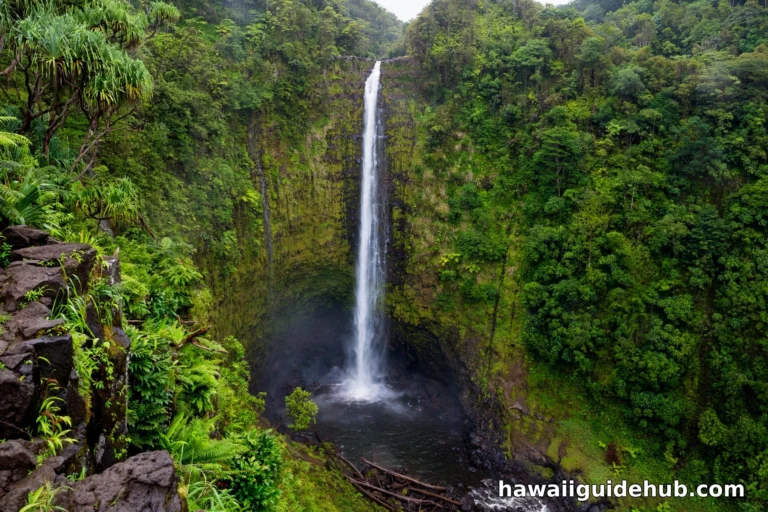
There is one trade off to name honestly. The waterfalls run lower in the driest weeks. Rainbow Falls is still beautiful, and ʻAkaka Falls still pours through its green gorge, but both are slimmer than their winter selves. If a thundering waterfall photograph is the point of your trip, the driest window is not your window. If a relaxed, bright, easy week is the point, it absolutely is.
The Wet Season: November Through March
From late fall through early spring, Hilo’s weather changes character. Trade wind showers continue, but frontal systems and Kona storms can park over the island and rain hard for a day or two. Monthly rainfall climbs to its highest levels, and the Wailuku River through town turns fast, brown, and genuinely dangerous. This is the season to respect every posted sign at river parks and to stay out of streams after heavy rain, full stop.
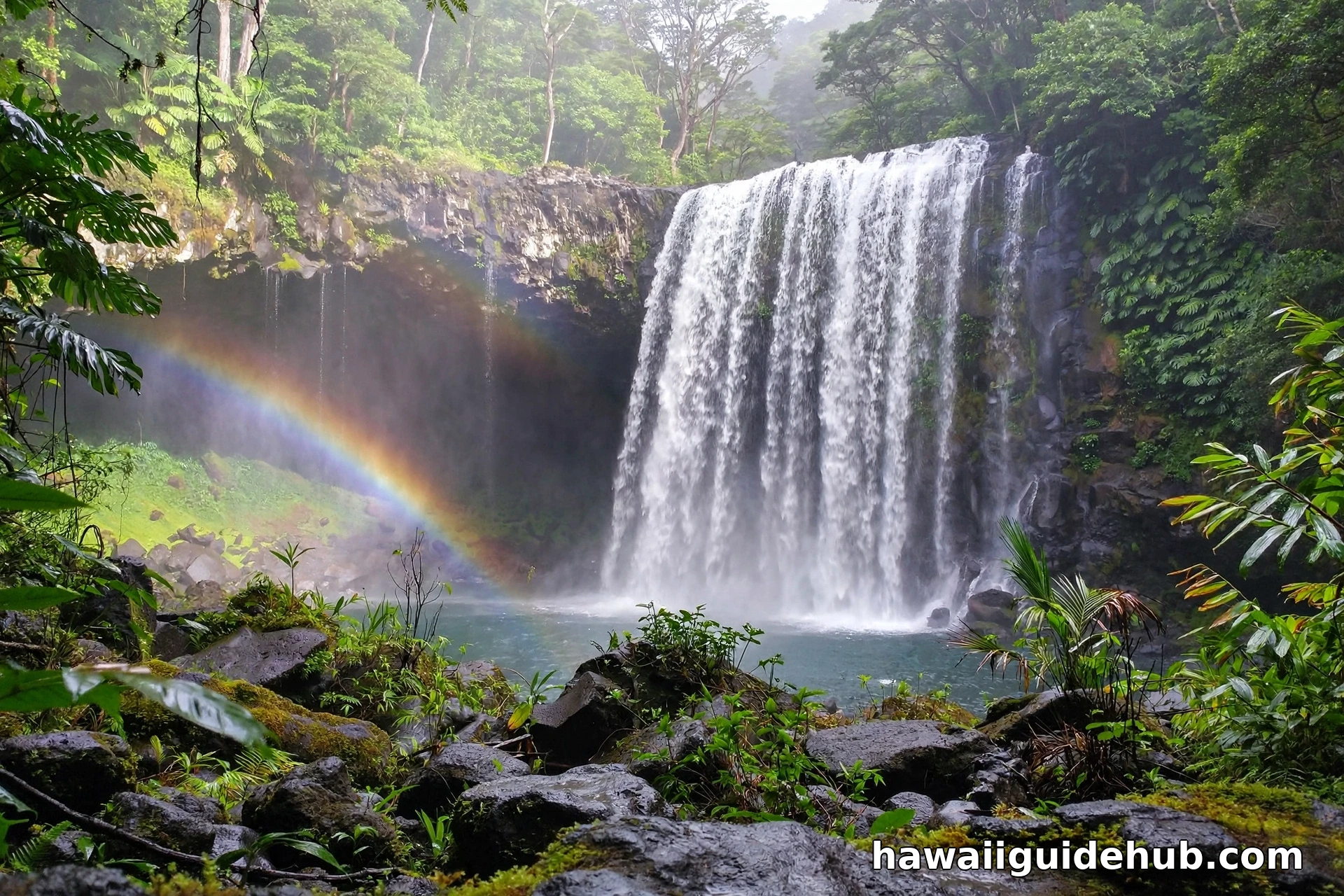
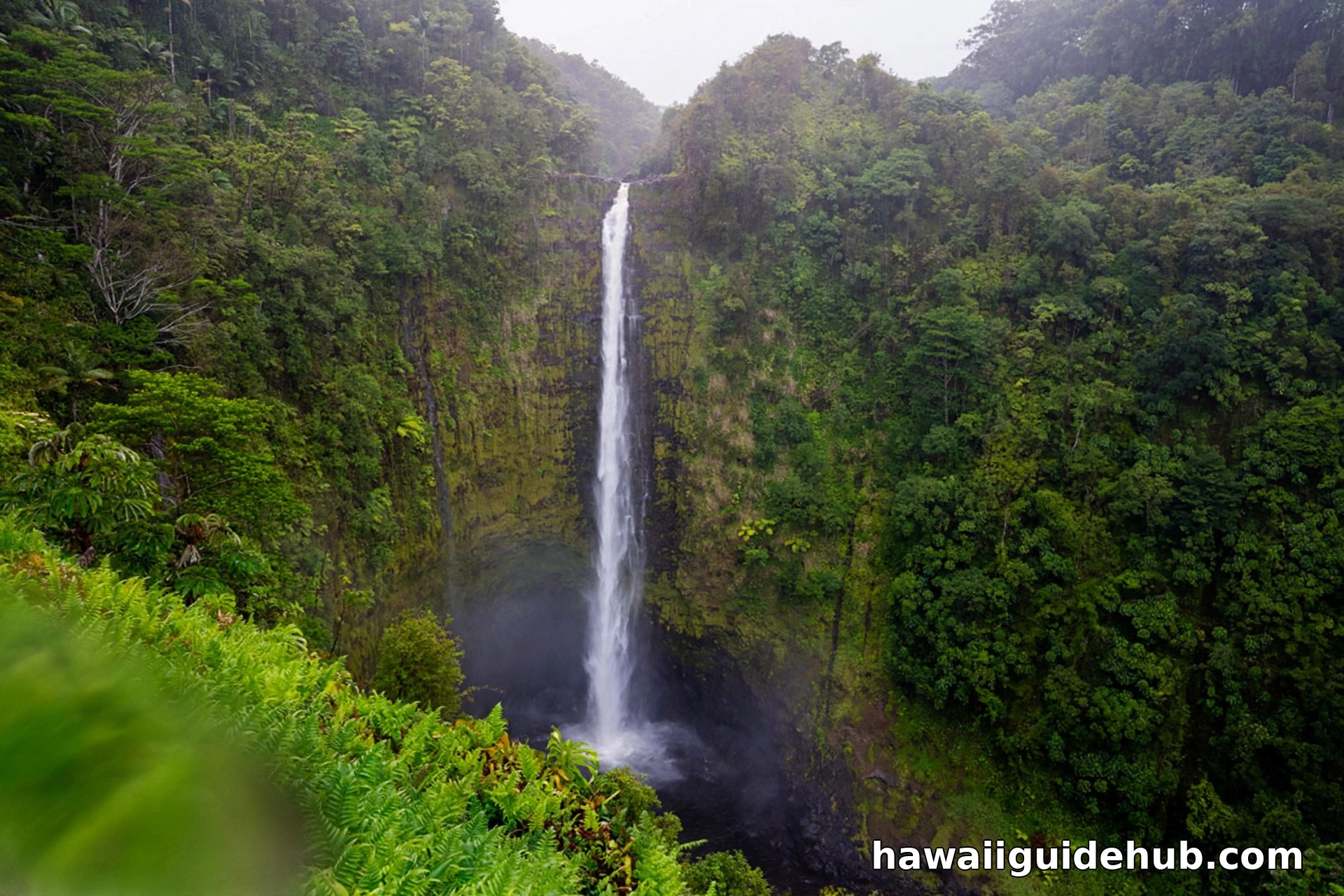
It is also, not coincidentally, the season when Hilo looks most like Hilo. The waterfalls are the headline: Rainbow Falls, an 80 foot waterfall on the Wailuku River in town, throws rainbows in its morning mist when the sun breaks through, and ʻAkaka Falls, 442 feet tall in its state park north of town, runs full and loud. The rainforest along the coast is at its deepest green, and the botanical gardens drip and glow. Photographers and waterfall lovers should choose this window on purpose, pack real rain gear, and build flexible days that can swap an indoor museum afternoon for a flooded trail morning.
April, May, and October: The Shoulder Months
The shoulder months are where experienced Hilo visitors aim. April still carries good river flow from the wet season, but the long storm stretches fade and brighter days return. May is often the single sweetest month on the east side: gardens are lush, waterfalls still have water, rain eases toward its summer low, and the summer crowds have not arrived. October works in reverse. The ocean is still at its warmest, summer crowds are gone, and the heavy winter pattern has usually not locked in yet, although late October can turn wet early in some years.
Merrie Monarch Week Changes Everything
One week in spring overrides all weather advice. The Merrie Monarch Festival, Hilo’s world famous celebration of hula held in honor of King David Kalākaua, takes place each spring during the week after Easter Sunday, centered on the Edith Kanakaʻole Stadium. Hālau hula, hula schools, from across Hawaii and beyond compete over three nights, and the town fills with dancers, musicians, judges, families, and devoted fans. The Invitational Hawaiian Arts Fair, the royal parade through downtown, and free midday hula performances make the whole town part of the festival.
For visitors, Merrie Monarch week is both the best and the hardest time to be in Hilo. It is the best because the town’s culture is on full, proud display in a way no other week matches. It is the hardest because lodging across the east side books out far in advance, competition tickets are limited and handled by the festival’s own request process, and prices rise with demand. If you want this week, plan it first and build the rest of the trip around it. If you do not, check the festival dates before booking any spring trip, so you are not surprised by a sold out town.
What Each Season Means for Your Days
Waterfalls and Rivers
Waterfall flow follows rain with a short delay, so the falls look their best during and just after the wet months, and their gentlest in late summer. Go to Rainbow Falls in the morning in any season, when the sun is at the angle that puts rainbows in the mist. After very heavy rain, admire from the railings only. The Wailuku River is beautiful and lethal in flood, and both Wailuku River State Park viewpoints, Rainbow Falls and the Boiling Pots, deserve caution in wet weather.
Hawaiʻi Volcanoes National Park Day Trips
Hilo is the closest town to Hawaiʻi Volcanoes National Park, about a 45 minute drive south, and most visitors build at least one park day into the trip. The park sits higher and is cooler and often drier than Hilo, which makes it a useful escape on a soggy day. Check current park conditions and eruption viewing updates with the National Park Service before you drive. Our guide to things to do in Hawaiʻi Volcanoes National Park helps you plan that day.
Ocean Time on the East Side
Set expectations correctly and the east side ocean is a pleasure. Hilo Bay is calm but murky after rain, and the best snorkeling sits east of town at Richardson Ocean Park and nearby coves, where black sand, lava rock, and sea turtles reward patient swimmers in calm conditions. Summer offers the most reliable water. For classic white sand and resort swimming, the west side is a day trip across the island, and our overview of things to do on the Big Island shows how visitors combine both coasts in one stay.
Hilo Versus Kona Timing
Travelers splitting a Big Island stay often ask whether the season should change which side they pick. In winter, the Kona and Kohala coasts stay notably drier and sunnier, so a winter trip built mostly around beach resorts usually bases in the west and visits Hilo as a lush day or two. In summer the gap narrows, Hilo’s rain eases, and an east side base becomes much more comfortable. The Kohala Coast guide shows the dry side at its best, while a summer split stay, part Hilo and part west, is honestly the finest way to see this island in the dry window.
Money Saving Timing Tips for Hilo
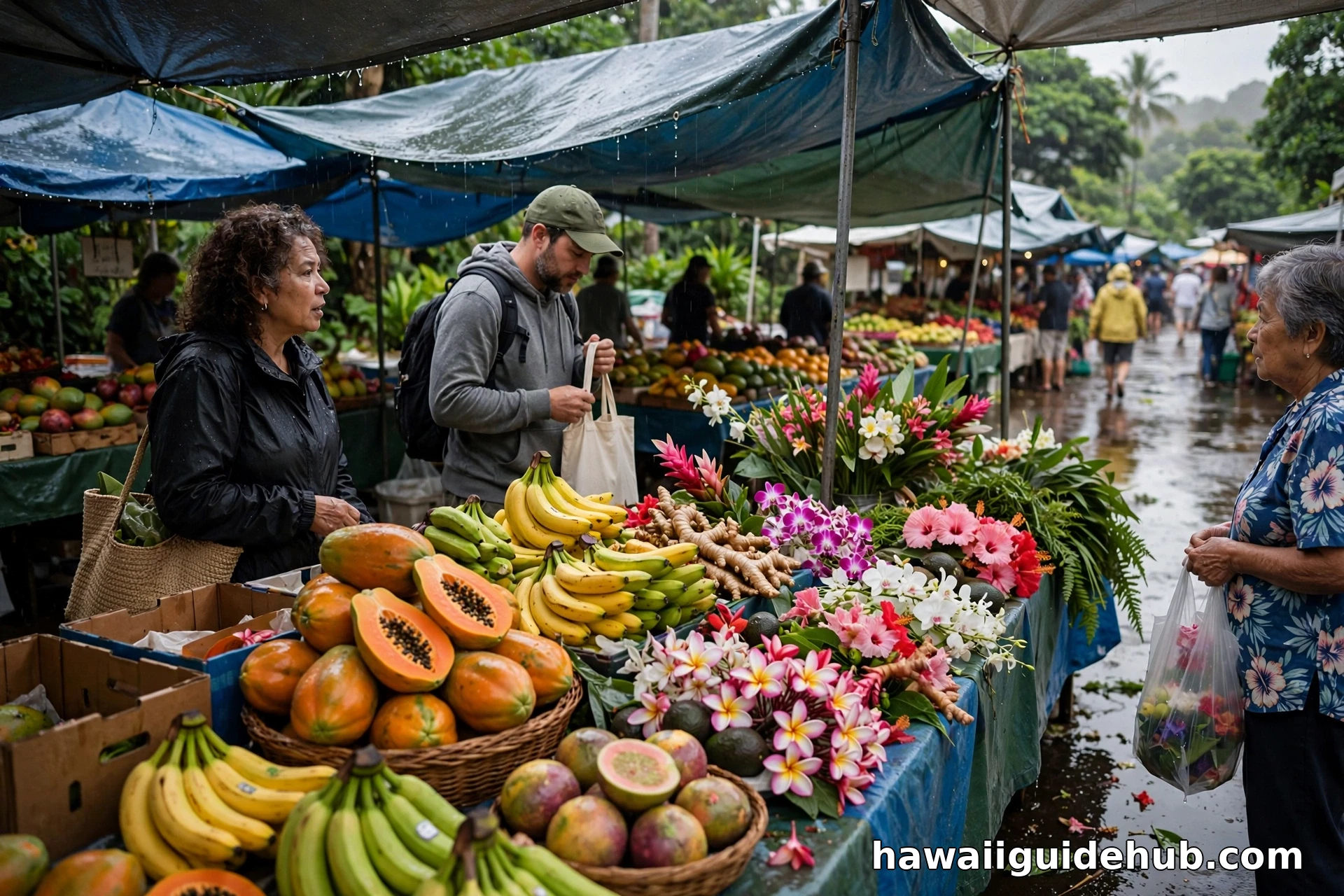
Hilo is one of the more affordable bases in Hawaii, and timing sharpens that advantage. Shoulder months bring softer lodging rates. Weekday stays are easier to book than weekends, when local families and market crowds fill town. The Hilo Farmers Market, busiest on Wednesdays and Saturdays, is both an attraction and a budget tool: papayas, bananas, cooked plates, and flowers cost a fraction of resort prices. Self catering even part time in a vacation rental keeps food costs low in any season. The one date range to avoid for savings is Merrie Monarch week, when demand erases every discount in town.
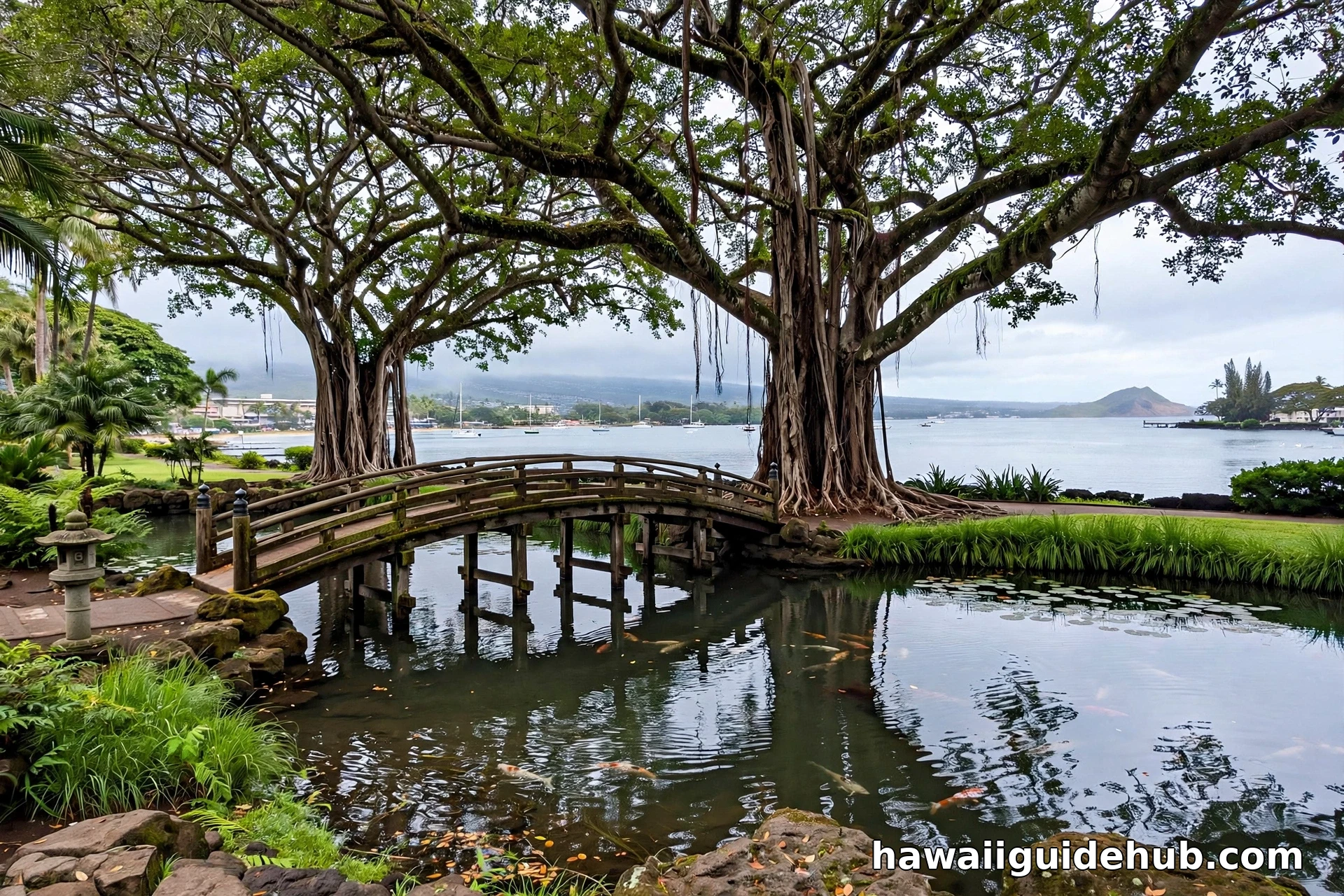
Free and low cost days are easy in Hilo in every month. Liliʻuokalani Gardens, the bayfront, and the Wailuku River viewpoints cost nothing. ʻAkaka Falls State Park charges entry and parking fees for nonresidents, so check the official Hawaiʻi State Parks page for current amounts. A rainy day plan built on the Lyman Museum, the ʻImiloa Astronomy Center, and a long plate lunch costs little and loses nothing to the weather.
Common Mistakes When Timing a Hilo Trip
The first mistake is booking Hilo with Kona expectations: resort beach days, guaranteed sun, and a swimsuit as the only outfit. Hilo asks for a rain shell, shoes that can get muddy, and a plan that bends. The second mistake is fearing the rain so much that you skip the east side entirely in winter, which is exactly when its waterfalls and forests peak. The third is ignoring Merrie Monarch dates in spring, either missing the festival you would have loved or arriving to a fully booked town you did not expect.
The fourth mistake is scheduling every outdoor highlight on the first day. Hilo weather rewards patience, so give the waterfalls and the volcano two possible days each and let the forecast sort them. Finally, do not judge Hilo by a single wet morning. Many of its finest days start grey and end golden over the bay.
A Simple Checklist for Picking Your Dates
Start with your priority. Waterfalls first means wet season or April. Dry days first means June through September. Culture first means Merrie Monarch week in spring, booked early. Savings first means May or October weekdays. Then check the practical layer: confirm festival dates, check Hawaiʻi Volcanoes National Park conditions with the National Park Service, look at the Hilo forecast in the final week, and pack for rain in every season. Travelers heading onward to the island’s green sand should also read our green sand beach guide, since that remote south coast trip needs a dry, calm day more than Hilo town does.
Video: Hilo’s Waterfalls and Bayfront
This video tours Hilo’s headline sights, from Rainbow Falls and ʻAkaka Falls to the bayfront parks, so you can see the east side in its green, post rain glow.
Frequently Asked Questions
What is the driest month in Hilo?
June is often among the driest months in Hilo, within a generally drier late May through September window. Driest in Hilo still means regular showers, just shorter and less frequent ones. If minimal rain is your top priority, choose that window and plan outdoor highlights for the mornings.
What is the rainiest month in Hilo?
The rainiest stretch runs from late fall through early spring, when frontal storms join the daily trade wind showers. Individual months vary by year, and a single storm can deliver a large share of a month’s rain in a few days. Expect fuller waterfalls and greener scenery as the reward for the wetter weather.
Is winter a bad time to visit Hilo?
No. Winter is the wrong time for a resort beach holiday in Hilo, but it is an excellent time for waterfalls, rainforest, and quieter streets outside the holidays. Pack real rain gear, keep river safety rules in mind after heavy rain, and lean on museums and the volcano park on the wettest days.
When is Merrie Monarch in Hilo?
The Merrie Monarch Festival is held each spring in Hilo, during the week after Easter Sunday. Exact dates change each year with Easter, and lodging books out well ahead, so confirm the festival’s official dates before planning a spring trip in either direction, attending or avoiding.
How many days do you need in Hilo?
Two nights is the minimum to see the waterfalls, the bayfront, and the market without rushing. Three to four nights lets you add a full Hawaiʻi Volcanoes National Park day, a Hāmākua Coast drive, and a spare day for weather, which in Hilo is not a luxury. It is good planning.
Hilo will not give you the driest holiday in Hawaii, in any month, and that is precisely its charm. Time it for the version of the east side you want, thundering falls in the wet season, bright gardens in the dry one, or the whole town dancing in Merrie Monarch week, and the rain stops being the risk in the trip. It becomes the reason the place looks and feels the way it does.