Waikiki Submarine Dive: What the 100-Foot Underwater Tour Is Like

Waikiki is famous for its beaches and clear blue water, but some of its most interesting sights lie beneath the surface. The Waikiki submarine dive takes passengers about 100 feet down to view coral reefs, artificial wreck reefs, and tropical marine life — all without getting wet. This guide covers the history of the tour, what happens during the dive, the marine life you may encounter, and who the experience suits best. If you are planning the rest of your trip, our complete guide to what not to miss on Oahu covers more of the island.
The idea of exploring the ocean’s depths has fascinated people for centuries, and a passenger submarine turns that idea into a comfortable reality. In a purpose-built sightseeing vessel, you glide past coral formations, sunken structures, and schools of tropical fish while a narrator explains what you are seeing. It is an option that works for families, couples, and solo travelers alike, with large viewing windows that make for strong photo opportunities.
A Look Back at Submarine Tourism in Waikiki
Submarine tourism grew out of the same technological advances that let scientists and navies explore the deep sea. As submersible technology became safer and more reliable, the idea of carrying passengers for sightseeing took hold in the second half of the 20th century. Hawaii — with its clear water and abundant marine life — was a natural fit for the concept.
Designing a passenger submarine required a different approach from military design. These vessels need large, clear viewports, comfortable seating, and systems that keep the ride smooth and quiet. Safety engineering is central: passenger submarines are built to strict marine standards, with backup power, life support, and communications systems on board.
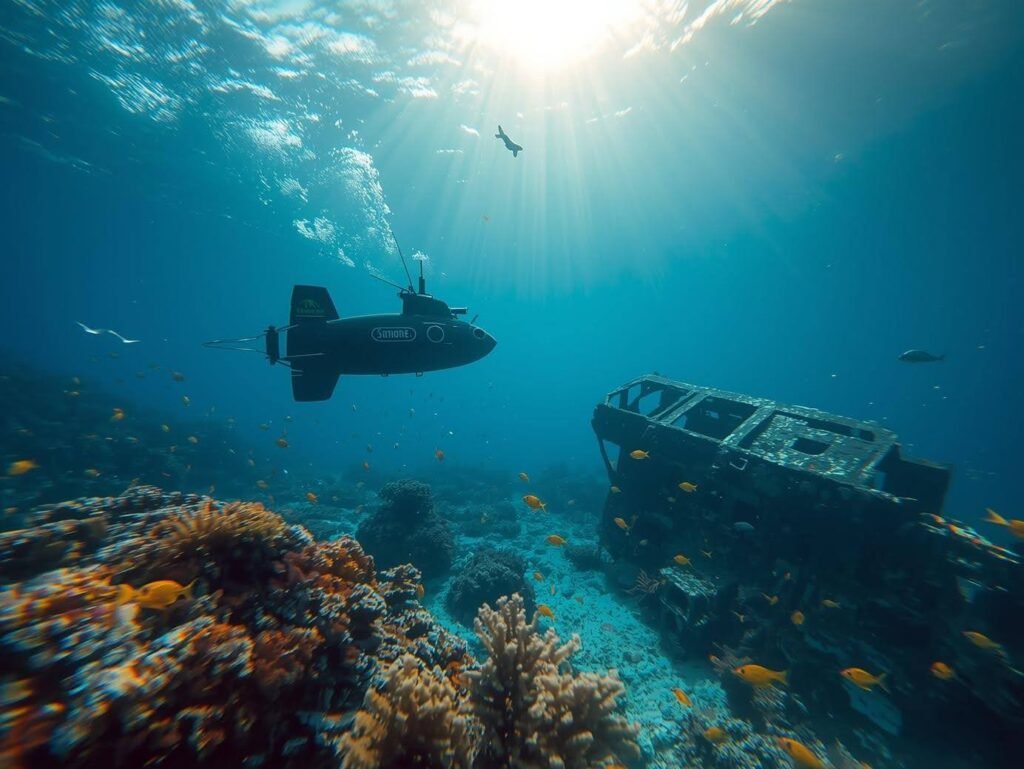
The Waikiki dive site itself was developed as a marine habitat. Over the years, artificial reefs — including sunken vessels and other structures — have been placed on the ocean floor to give coral a base for growth and to shelter marine life. What was once a largely sandy bottom now supports a busy reef ecosystem, so the dive doubles as a look at a long-running marine habitat project.
What You’ll See 100 Feet Below: Underwater Wonders
The marine life is the highlight of the tour. As the submarine descends, sunlight filters through the water and the reef comes into view. Sightings vary from day to day, but here is what the site is known for.
A Thriving Coral Reef Ecosystem
Coral is the foundation of this underwater landscape. You will see branching corals, boulder corals, and other formations creating shelter for the smaller reef animals that dart in and out of the crevices. The coral growth on the artificial structures shows how firmly the man-made habitat has taken hold.
Meeting Hawaii’s Marine Life
Many kinds of fish and other sea creatures live on these reefs. Here are some of the animals you might encounter on a dive:
- Honu (green sea turtles): Green sea turtles are a frequent sight, often seen gliding through the water or resting on the ocean floor. For background on turtles and other local species, see our guide to Hawaii’s iconic marine species for snorkelers and divers.
- Tropical fish schools: Large schools of reef fish move across the site, including Hawaii’s state fish, the humuhumunukunukuāpuaʻa (reef triggerfish), along with yellow tangs and manini (convict tang).
- Sharks, rays, and eels: Moray eels hide in wreck and reef crevices, eagle rays occasionally pass through, and reef sharks are sometimes spotted patrolling. These encounters are never guaranteed, but they show how predators fit into the reef ecosystem.
The Lost Treasures
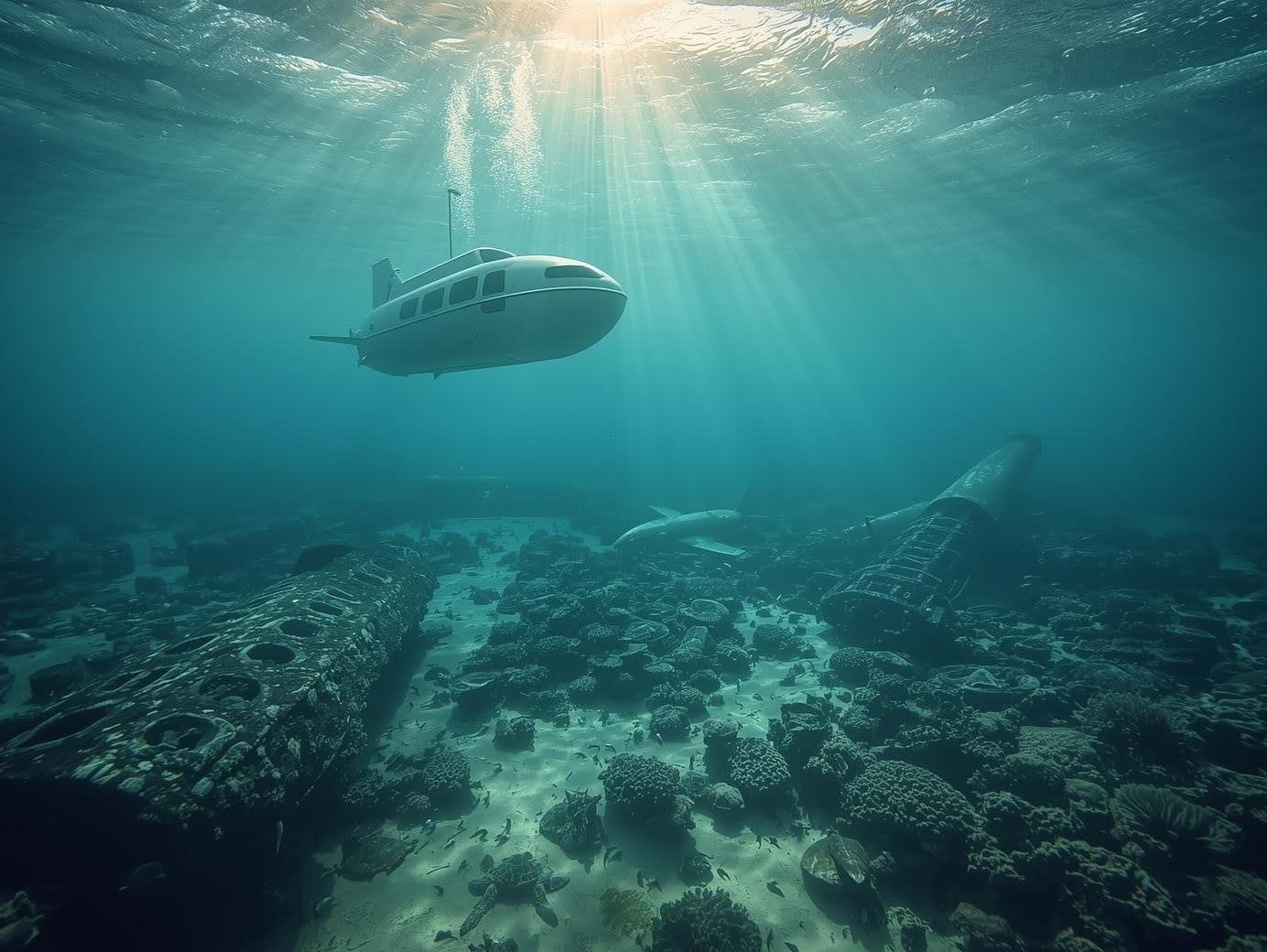
The artificial reefs — ships and other structures sunk on purpose — add another layer of interest to the dive. Now covered in coral and full of fish, the wrecks form a dramatic backdrop as the submarine circles them. Because the vessel can view each structure from several angles, you get a full picture of how these submerged relics have become part of the reef.
The Dive Experience: From the Beach to the Bottom of the Sea
Knowing how the tour works helps you get the most out of it. The outing is run by a professional crew and follows a set routine from departure to return.
Getting on Board and Transferring
The trip begins near the Waikiki shore, where passengers board a shuttle boat for the ride out to the dive site. The crossing itself offers views of Diamond Head and the Waikiki coastline, and the crew goes over safety information along the way. At the site, the submarine surfaces and passengers cross a gangway from the shuttle boat to board the vessel.
Inside the Submarine
The cabin is spacious, air-conditioned, and designed for viewing: every passenger has a seat with a large viewport. It feels nothing like the cramped submarines of the movies. During the dive, a narrator gives live commentary, pointing out marine life and explaining the history of the dive site.
The Tour and Descent
The descent is slow and gentle, reaching a depth of about 100 feet. The cabin stays at normal surface pressure, so — unlike scuba diving — there is no need to equalize your ears. The underwater portion of the tour lasts roughly 45 minutes (as reported in October 2026; check the operator for current schedules), during which the pilot maneuvers for the best views of the reef and its residents.
A Word About Safety
Safety is the top priority for passenger submarine operations. The vessels are built to strict marine safety standards, crews are trained in emergency procedures, and the submarines carry backup systems for power, life support, and communications. That focus on safety lets passengers relax and concentrate on the world outside the viewports.
Who the Submarine Dive Suits
With so many ways to experience Hawaii’s ocean, it helps to know where the submarine dive fits. Here is how it compares with other options, and who tends to get the most out of it.
Open to Everyone
Few underwater experiences are this accessible. No swimming ability or diving certification is needed, so children, older travelers, and anyone who is not comfortable in the water can still explore the reef together. It is a family-friendly activity in Hawaii that works across ages and physical abilities.
A Different Point of View
Snorkeling and scuba diving put you in the water; the submarine keeps you dry while taking you deeper than recreational snorkeling reaches. From inside the cabin, you can take in the full scale of the reef and the wreck structures in a single view — something that is hard to appreciate while swimming. Staying dry and comfortable also makes it easier to focus on the narration and the scenery.
Informative and Motivating
The live narration turns sightseeing into an educational experience, covering coral ecology, marine biology, and ocean conservation. For children especially, seeing the reef ecosystem up close can spark a lasting interest in marine science — and a clearer sense of why these habitats are worth protecting.
Chart Your Course Underwater
A descent to 100 feet offers a rare look at a part of Hawaii that most visitors never see. The dive combines natural history — coral reefs and the marine life they support — with the story of how the dive site itself was built into a thriving habitat.
What sets the experience apart from snorkeling is access: you reach depths no casual swimmer visits, stay completely dry, and view the reef through large viewports while a narrator explains what is in front of you. It suits non-swimmers, families with young children, and anyone curious about the underwater world who is not ready for scuba. If you are considering it, check the operator’s site for current schedules and prices before you go (details in this guide were reported in October 2026), and allow extra time for the shuttle-boat ride out to the dive site.