Oahu for Seniors

Oʻahu is one of the finest destinations in the world for travelers in their 60s, 70s, and beyond. It combines warm weather, excellent medical infrastructure, easy logistics, and a pace you control completely. The island’s best experiences for seniors are not watered-down versions of anything; they are the essential Oʻahu: Pearl Harbor, Waikīkī sunsets, the North Shore drive, botanical gardens, and history at every turn. This guide covers Oʻahu for seniors in full: where to stay, what to do at an easy pace, accessibility, health and safety, and how to plan a trip that feels relaxing rather than rushed.
Oʻahu for Seniors at a Glance
| The concern | The Oʻahu answer |
|---|---|
| A base that doesn’t require driving | Waikīkī: flat, walkable, everything close |
| Getting around safely | Rental car, TheBus, or organized day tours |
| Keeping the pace humane | One major sight per day; afternoons free |
| Weather that’s kind to joints | Warm year-round; highs 80 to 89°F by season |
| Health peace of mind | Major hospitals in Honolulu; pharmacies everywhere |
| Must-dos without the marathon | Pearl Harbor, Waikīkī Beach, North Shore drive |
Why Oʻahu Suits Senior Travelers
Oʻahu removes the friction that makes travel tiring. Distances are short: nothing on the island is more than about 90 minutes from Waikīkī. The infrastructure is American-standard, with good hospitals, familiar pharmacies, and English everywhere. The climate is gentle, with ocean breezes keeping even summer days comfortable. And the island’s attractions skew naturally senior-friendly: history museums, botanical gardens, scenic drives, cultural centers, and beaches with calm water. You do not need to hike a ridge or surf a wave to have a full, rich Oʻahu trip. If you are comparing islands, our first-time visitor guide explains why Oʻahu is the easiest choice.
Where to Stay: Waikīkī Is the Answer
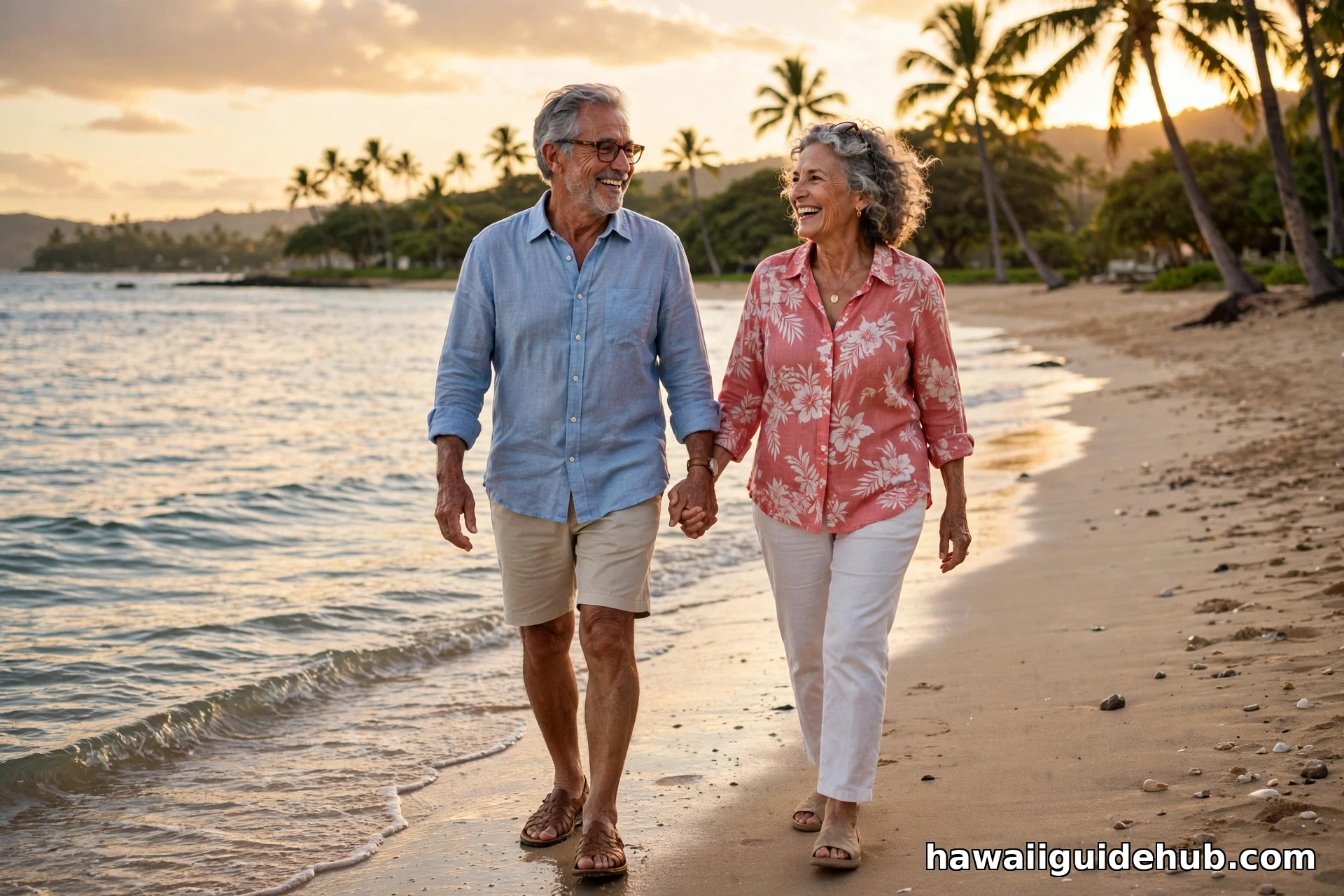
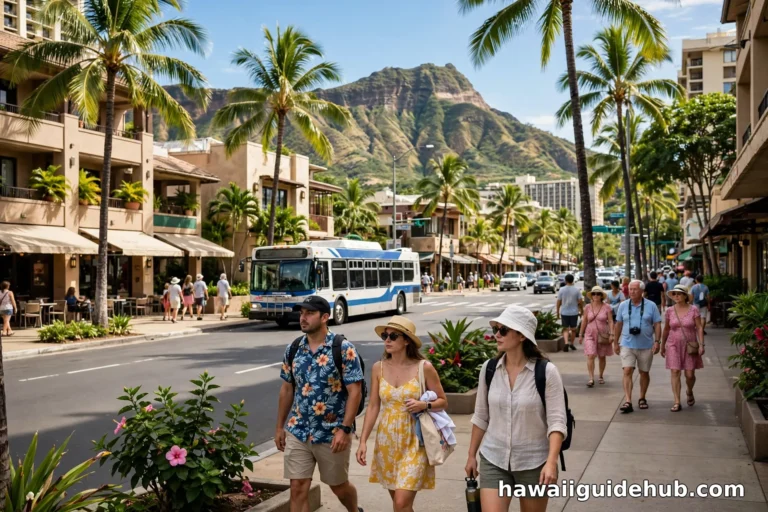
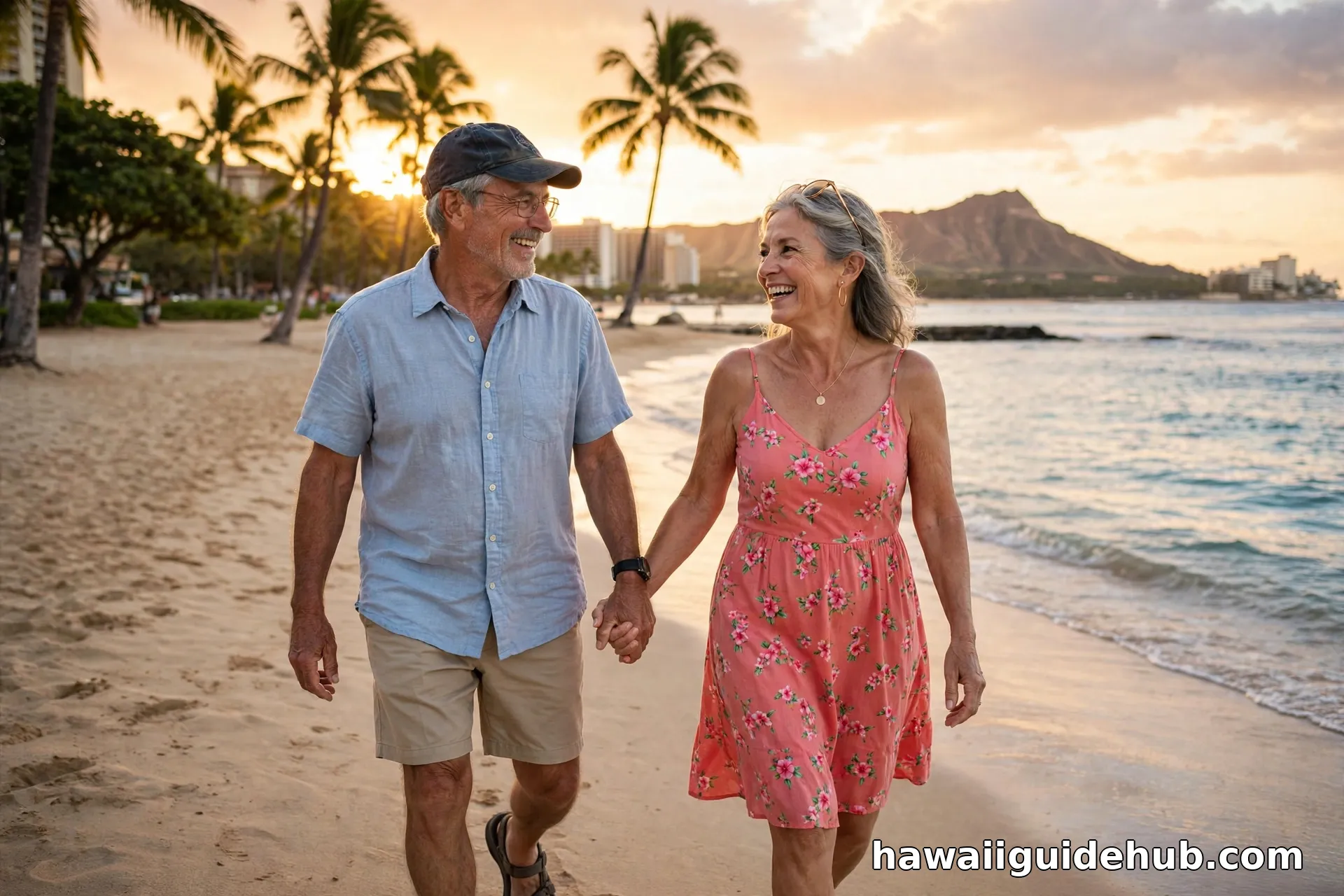
For senior travelers, Waikīkī is the clear best base. It is flat, endlessly walkable, dense with restaurants at every price, and served by every tour operator on the island. Beachfront hotels put you steps from the sand; even the second-row hotels are a short, level walk to the beach. The area is well-lit and busy into the evening, which adds comfort for evening strolls. Choose a hotel with an elevator, a beachfront location if the budget allows, and a room away from the late-night bar streets if you are a light sleeper. Alternatives like Ko Olina offer quieter resort luxury but require a car for everything; for most seniors, Waikīkī’s convenience wins.
Getting Around Oʻahu
You have three good options. A rental car gives the most freedom: Oʻahu’s roads are well-marked, traffic flows on the right, and the scenic drives are half the pleasure. If driving feels like work, TheBus is a genuine alternative; it is cheap, covers the whole island, and the drivers are famously helpful. The third option, and a favorite among senior travelers, is organized day tours: circle island tours, Pearl Harbor tours, and North Shore excursions handle all the logistics, and you will be with a group the whole day. Many seniors mix all three: bus and walking in Waikīkī, a tour for the big day trips, and a rental car for one or two self-directed days.
Pearl Harbor: The Essential Visit
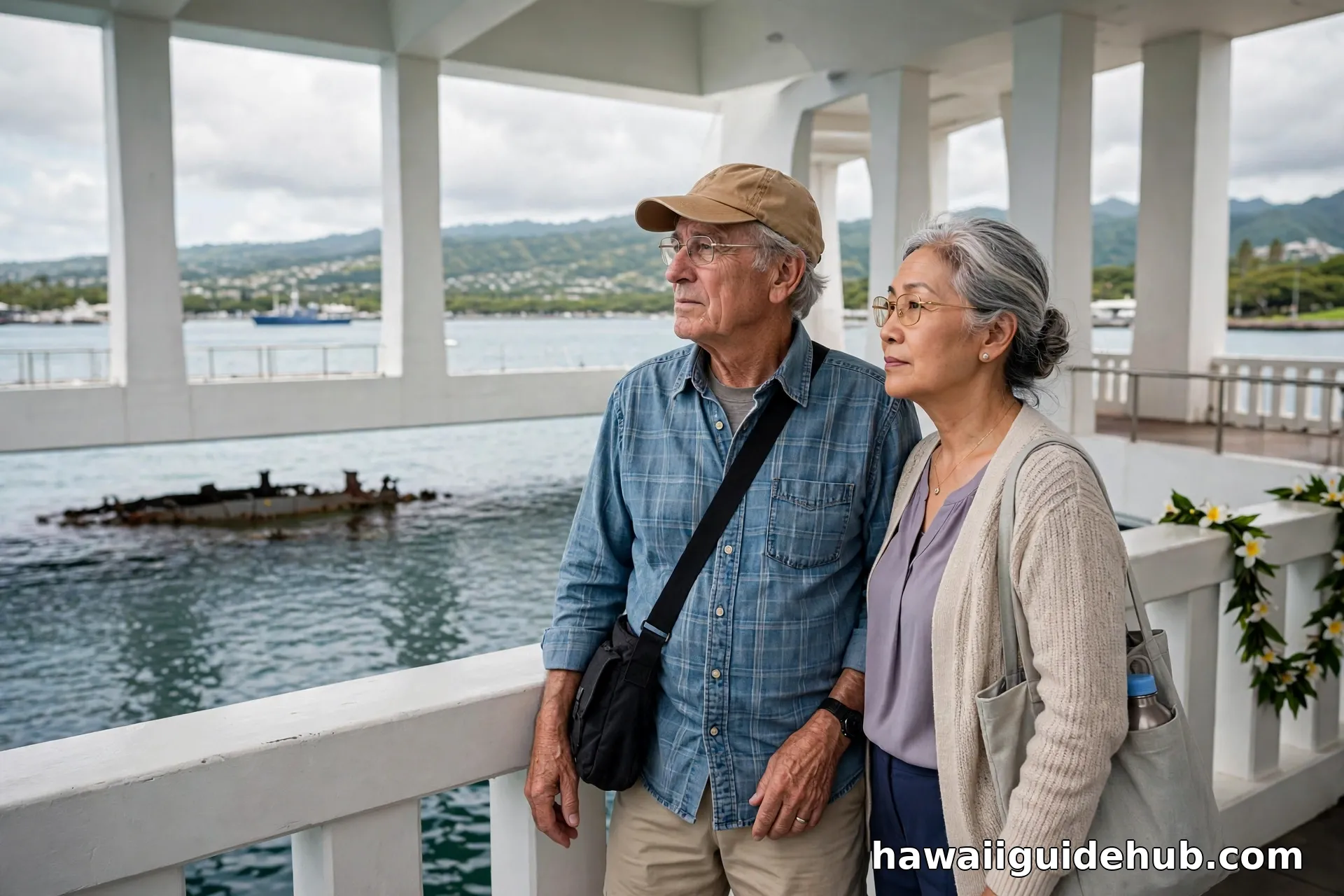
Pearl Harbor is the single most important sight on Oʻahu, and it is built for visitors of all ages and mobilities. The Pearl Harbor National Memorial is fully wheelchair accessible, with flat paths, ramps, and accessible boat shuttles to the USS Arizona Memorial. Plan half a day: the visitor center exhibits, the documentary film, and the memorial itself. Tickets for the memorial program are free but must be reserved in advance through the official recreation booking site; they release in timed windows and go quickly. Arrive early, wear comfortable shoes, and allow time to sit with the experience. For many senior visitors, this is the emotional center of the trip.
Gentle Walks and Easy Nature
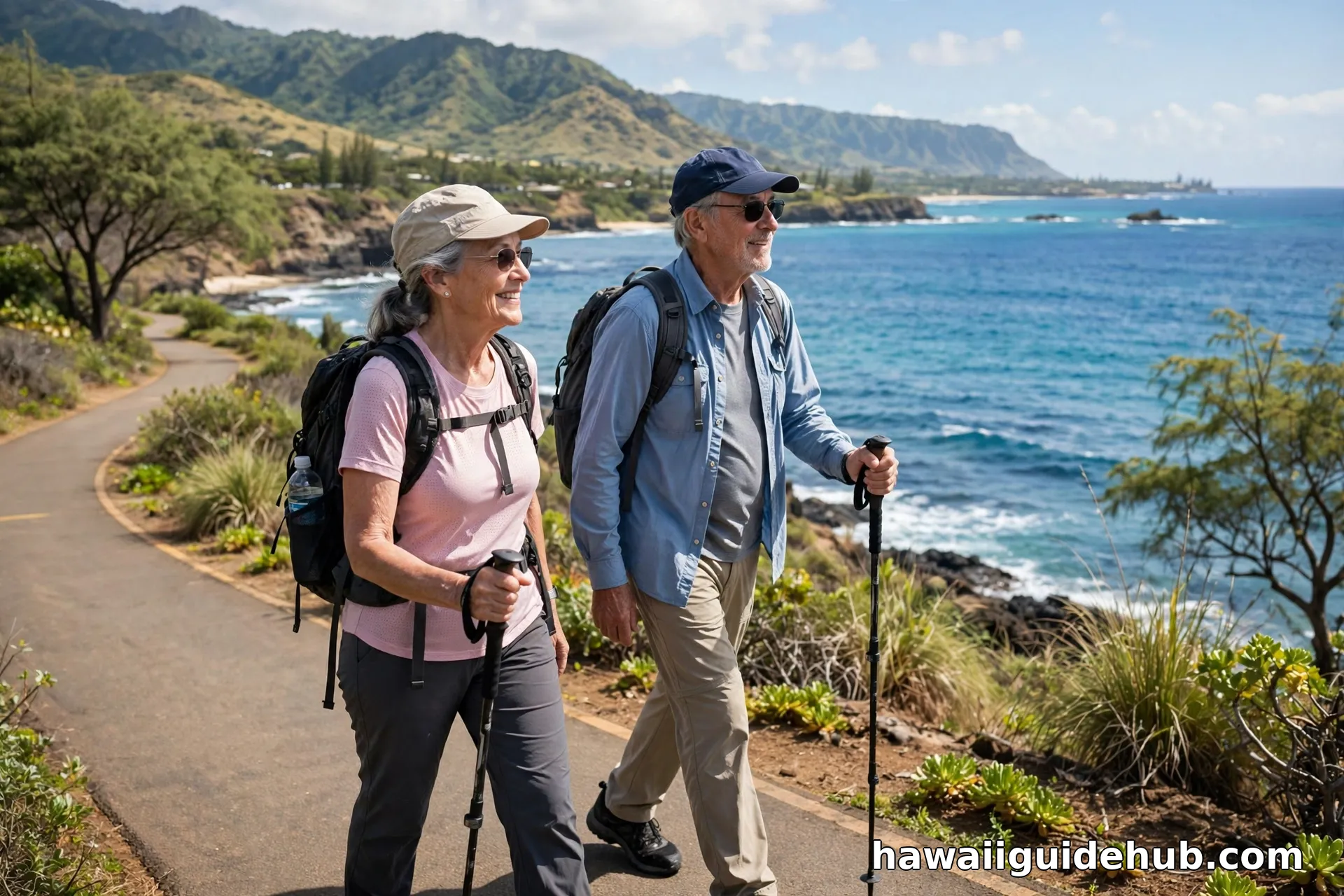
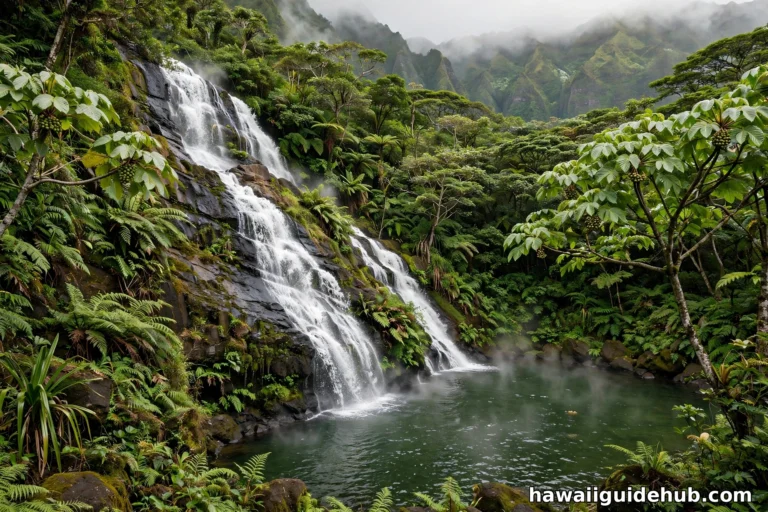
Oʻahu’s easy trails are genuinely easy, and they deliver outsized scenery. The Makapuʻu Lighthouse Trail is the standout: a paved 2-mile round trip with whale-watching views in winter and ocean panoramas year-round, manageable with walking poles. Mānoa Falls is a 1.6-mile rainforest walk to a 150-foot waterfall, though the trail can be muddy, so wear proper shoes. Waimea Valley on the North Shore offers a paved 1.5-mile round-trip path through botanical gardens to a waterfall with a lifeguarded swimming area. Diamond Head is doable for active seniors but involves stairs and tunnels; go early, bring water, and skip it on the hottest days. The rule: walk in the morning, rest in the afternoon heat.
Beaches at an Easy Pace
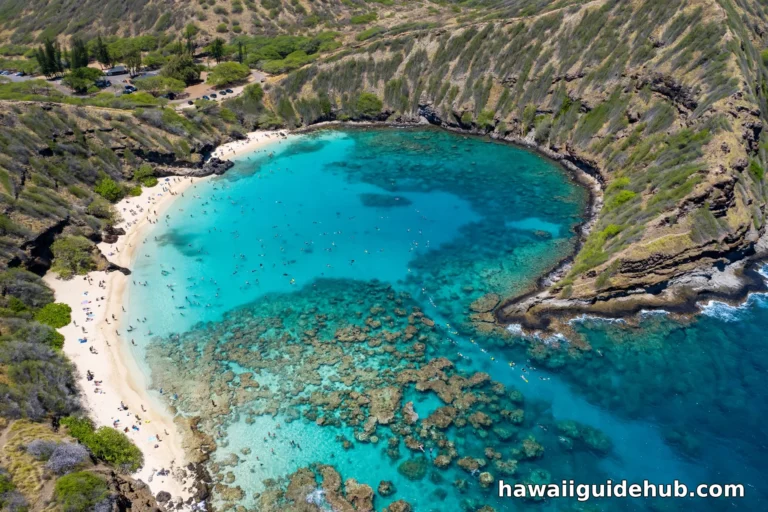
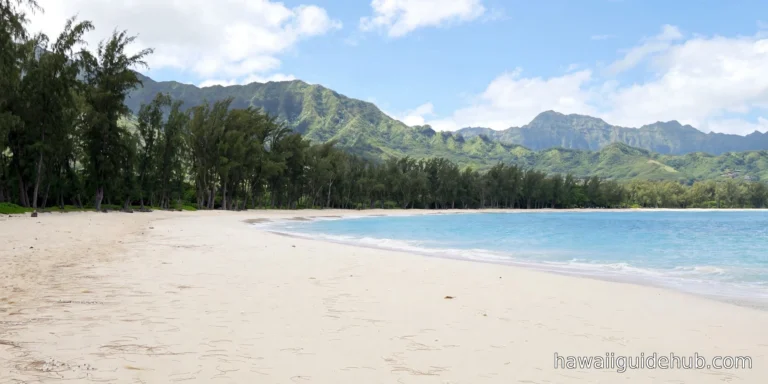
Waikīkī Beach is the senior-friendly beach: calm water, lifeguards, chair and umbrella rentals, and restaurants steps away. The water is shallow and gentle, ideal for floating rather than fighting surf. For a quieter day, the lagoons at Ko Olina are man-made, calm, and protected, with easy parking and facilities. Kailua Beach offers powder sand and gentle water on calm days. Whatever beach you choose, the senior beach kit is the same: a chair or mat (rent rather than carry), reef-safe sunscreen, a hat, water, and a plan to leave before the midday sun peaks. Morning beach, afternoon shade is the rhythm that works.
History, Culture, and Gardens
Oʻahu’s cultural sights are a senior traveler’s dream: fascinating, air-conditioned, and unhurried. ʻIolani Palace in downtown Honolulu, the only royal palace on American soil, offers guided tours through beautifully restored rooms. The Bishop Museum holds world-class Hawaiian and Pacific collections. The Polynesian Cultural Center is a full-day immersion in island cultures, with an evening show; it is a long day, so consider the half-day options. For gardens, the Hoʻomaluhia Botanical Garden in Kāneʻohe is a 400-acre rainforest garden you can largely enjoy from the car, with short walks at the highlights. The Foster Botanical Garden in Honolulu is smaller, flatter, and an easy morning.
The North Shore Drive
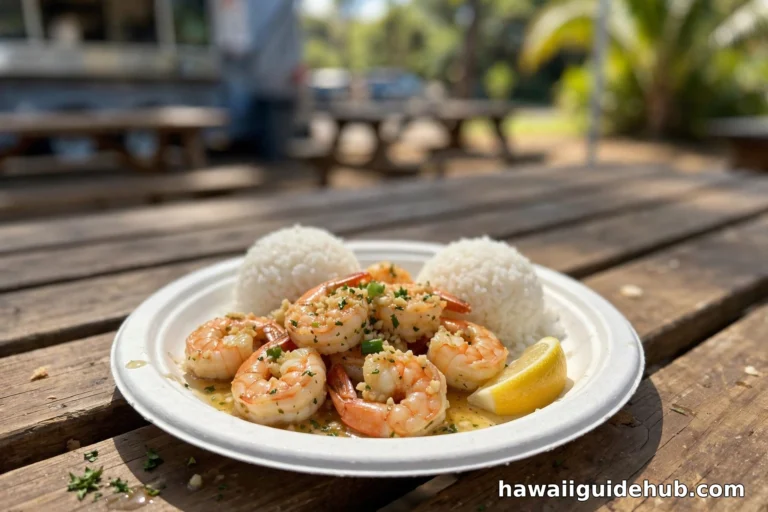
The North Shore is best experienced by seniors as a scenic drive with stops, not a marathon. Drive up through the center of the island, stop in Haleʻiwa town for shrimp trucks and shave ice, walk the beach at Waimea Bay, watch the surfers at Banzai Pipeline in winter (from a safe distance), and drive home along the windward coast at sunset. The Waimea Valley botanical garden makes a perfect midday stop, with its paved path and waterfall. Pack a light jacket; the North Shore can be breezier than Waikīkī. It is a full but relaxed day, and every stop is optional. Go on a weekday to avoid the weekend crowds, arrive before ten to park easily, and check the surf before you go; in winter the waves are spectacular to watch and dangerous to enter.
Dining: Early, Easy, and Delicious
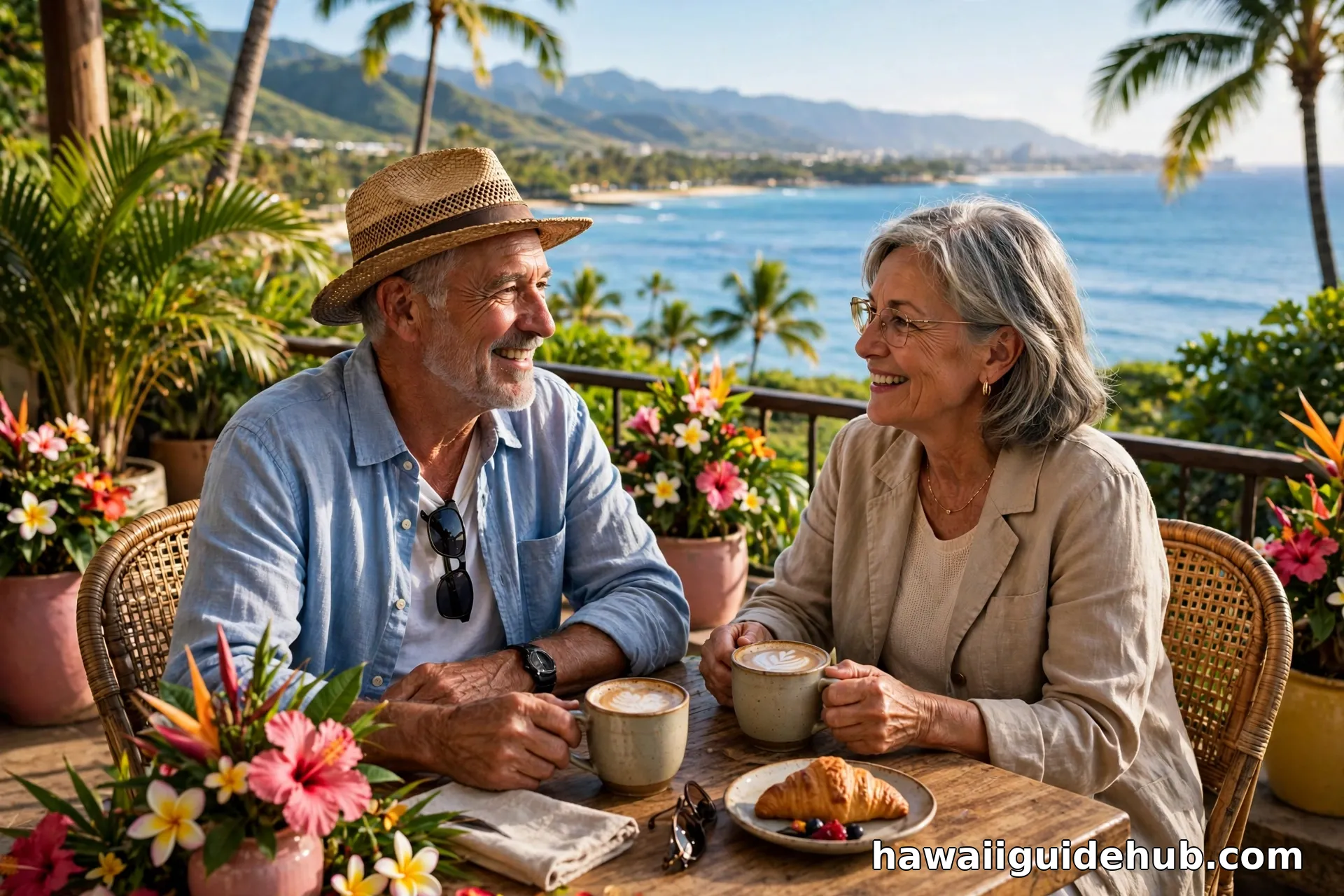
Eat like a local senior: early and well. Breakfast is Waikīkī’s best meal, with ocean-view terraces serving proper coffee and tropical fruit. Lunch is the main event for many visitors: poke bowls, plate lunches, and farmers market finds. Dinner reservations at 5:30 or 6:00 p.m. get you the sunset tables and the early-bird calm. Waikīkī’s restaurants are accustomed to older diners and the service is gracious, with early seatings that keep the evening relaxed and unhurried. Our Hawaiian food guide covers the dishes to seek out, and the Oʻahu seasonal guide helps with timing.
Health and Accessibility
Oʻahu is well equipped for travelers with health needs. Honolulu has major hospitals, including Queen’s Medical Center, and urgent care clinics and pharmacies are everywhere in Waikīkī. Bring all medications in original containers with a list of prescriptions, and know that US pharmacies can be slow with transfers, so carry enough for the whole trip plus a buffer. Keep medications in your carry-on, never in checked luggage. Travel insurance with medical evacuation coverage is strongly recommended for senior travelers; a medical flight from Hawaiʻi to the mainland is extraordinarily expensive without it. Stay hydrated in the tropical heat, which sneaks up on visitors accustomed to milder climates, and pace sun exposure across the first few days rather than all at once. For mobility, Waikīkī’s sidewalks are good, most major attractions are wheelchair accessible, and beach wheelchairs are available at some beaches by reservation. If you use a mobility aid, call attractions ahead; Hawaiʻi’s accessibility standards are high, but historic sites can have quirks.
Senior Discounts on Oʻahu
Always ask about senior rates; many Oʻahu attractions and tour operators offer them, typically starting at age 62 or 65. TheBus offers reduced fares for seniors with a senior bus pass. Some museums and cultural sites have senior admission prices. National park sites, including the Pearl Harbor National Memorial’s partner sites, honor the America the Beautiful Senior Pass for US citizens 62 and older, which can pay for itself on a single trip. Hotels occasionally offer senior rates, though they are less common than they used to be; it never hurts to ask when booking direct. The savings are modest individually, but they add up across a week.
Packing List for Senior Travelers
Pack for comfort and sun protection. Supportive walking shoes with good grip are the single most important item; Oʻahu’s trails and even Waikīkī’s sidewalks reward them. A wide-brimmed hat, reef-safe sunscreen, and UV-protective clothing handle the strong tropical sun. Bring a light sweater or wrap for air-conditioned restaurants and the occasional breezy evening. A small daypack carries water, medications, and a phone. If you use walking poles, bring them; they are welcome on the paved trails. And pack a basic first-aid kit with blister care, since even easy walks can surprise your feet in new shoes.
Sample 7-Day Senior Itinerary
Day 1: Arrive, settle into Waikīkī, sunset stroll on the beach, early dinner. Day 2: Pearl Harbor in the morning (book ahead), rest in the afternoon. Day 3: ʻIolani Palace and downtown Honolulu, Chinatown lunch. Day 4: North Shore drive day with Haleʻiwa stops. Day 5: Makapuʻu Lighthouse Trail in the morning, Waikīkī beach afternoon. Day 6: Bishop Museum or botanical garden, farewell sunset dinner. Day 7: Last morning swim, brunch, depart. One major activity per day, afternoons unscheduled, evenings reserved for sunset: that is the formula for a trip that energizes rather than exhausts.
Video: Must-Do Activities in Waikīkī
Five essential Waikīkī experiences, with tips for a relaxed visit.
Frequently Asked Questions
Is Oʻahu good for senior travelers?
Yes, it is one of the best US destinations for seniors: short distances, good medical facilities, warm weather, flat walkable Waikīkī, and attractions that suit an easy pace.
Is Pearl Harbor wheelchair accessible?
Yes. The Pearl Harbor National Memorial has flat accessible paths, ramps, and accessible boat shuttles to the USS Arizona Memorial. Reserve the free memorial program tickets in advance.
Where should seniors stay on Oʻahu?
Waikīkī: flat, walkable, close to restaurants and tours, with beachfront hotels at every budget. It is the most convenient base by far for senior travelers.
Do seniors need a car on Oʻahu?
Not necessarily. TheBus covers the island cheaply, and organized day tours handle the North Shore and Pearl Harbor. A rental car adds freedom but is optional.
What is the best time of year for seniors to visit Oʻahu?
Spring (April-May) and fall (September-October) offer warm weather, fewer crowds, and lower prices. Winter brings whale season but more rain; summer is hottest and busiest.
Are there senior discounts for Oʻahu attractions?
Often yes. Many attractions and tour operators offer senior rates starting around age 62-65, TheBus has reduced senior fares, and the America the Beautiful Senior Pass covers federal sites for US citizens 62 and older. Always ask when booking.
Oʻahu at a senior’s pace is Oʻahu at its best: unhurried mornings, one wonderful thing per day, and sunsets that never get old. The island has been welcoming travelers for generations; it knows exactly how to take care of you. Take the trip, keep the pace gentle, savor every single beautiful sunset, and let the island do what it has always done best.