Lānikai Pillbox Hike: Oʻahu’s Iconic Sunrise Trail Above the Mokulua Islands

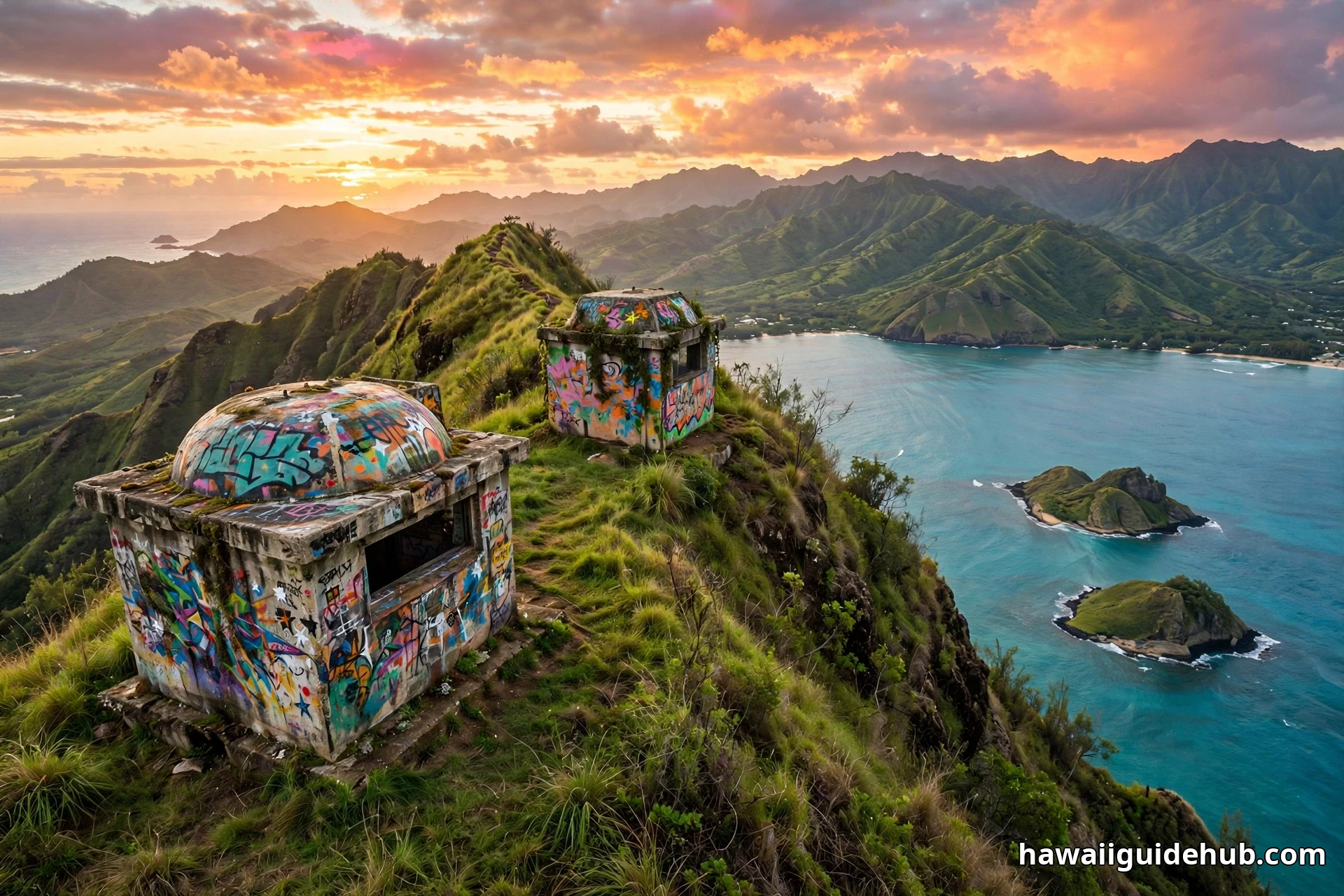
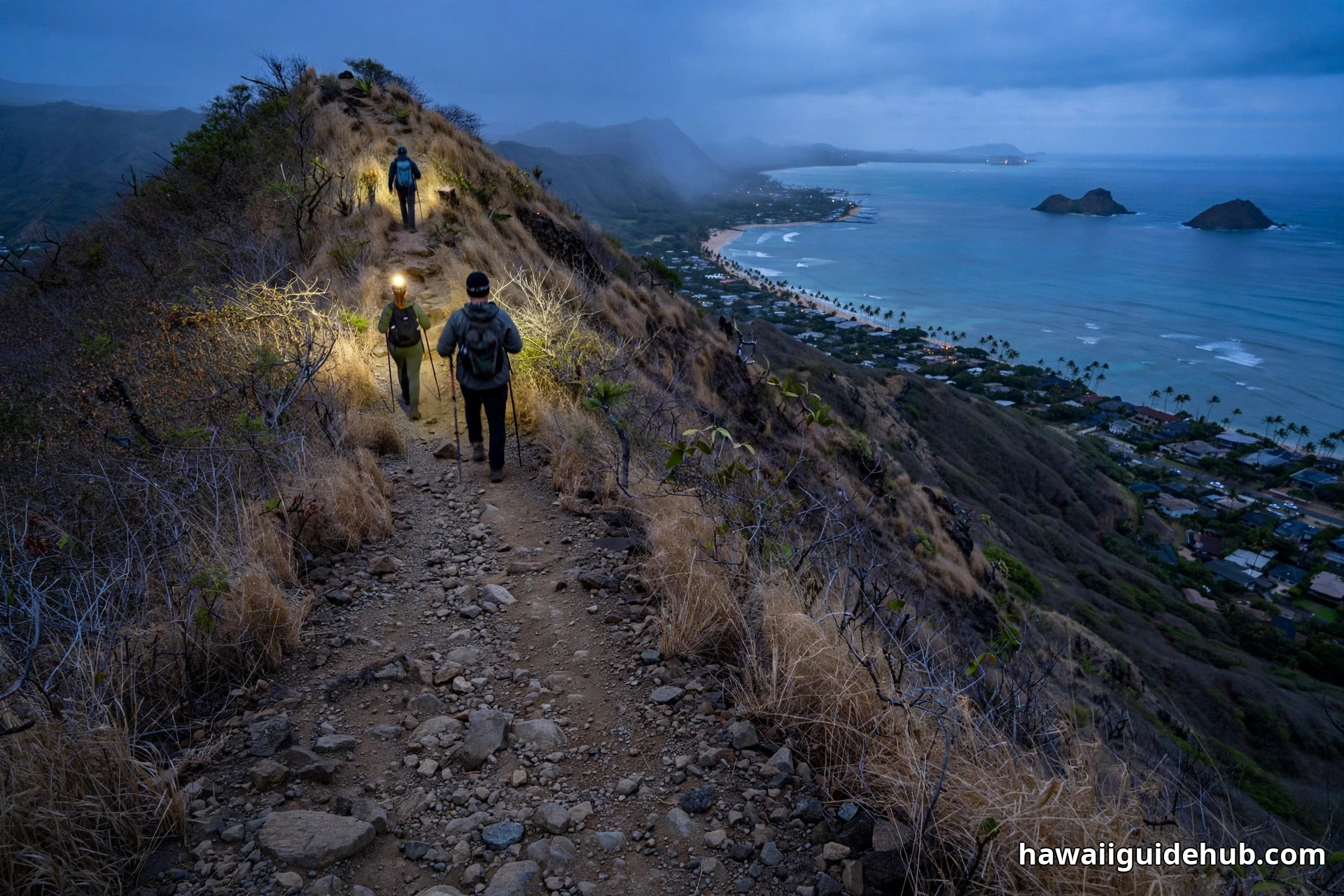
There is a moment, about twenty minutes into the climb, when the sky starts to change. You have been walking uphill in the dark, headlamp bobbing, gravel crunching under your shoes, and suddenly the horizon over the Pacific turns the color of a lit match. Below you, the lights of Kailua are still on. Above you, two old concrete bunkers wait with the best sunrise seat on Oʻahu.
This is the Lānikai Pillbox Hike, also called the Kaiwa Ridge Trail. It is short, it is steep, it is crowded at dawn, and it is completely worth it. Here is everything you need to know: the trail stats, the real history of the pillboxes, where to park, how to time the sunrise, and how to stay safe on a ridge with no guardrails.
Why This Hike Is Famous
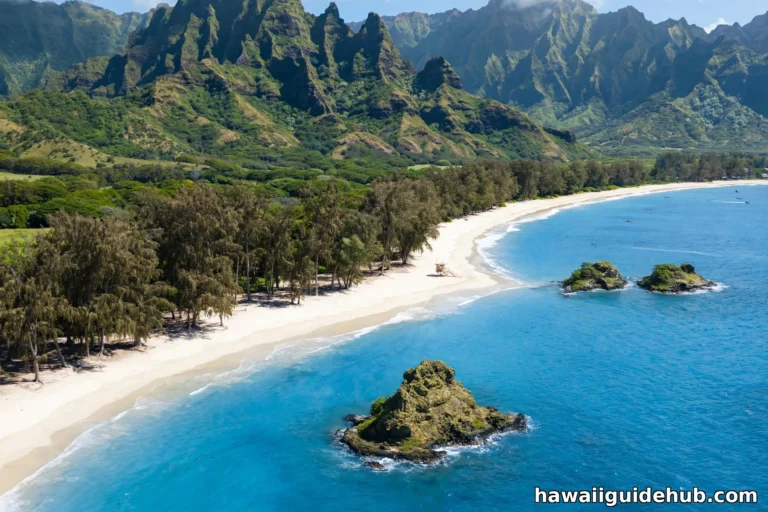
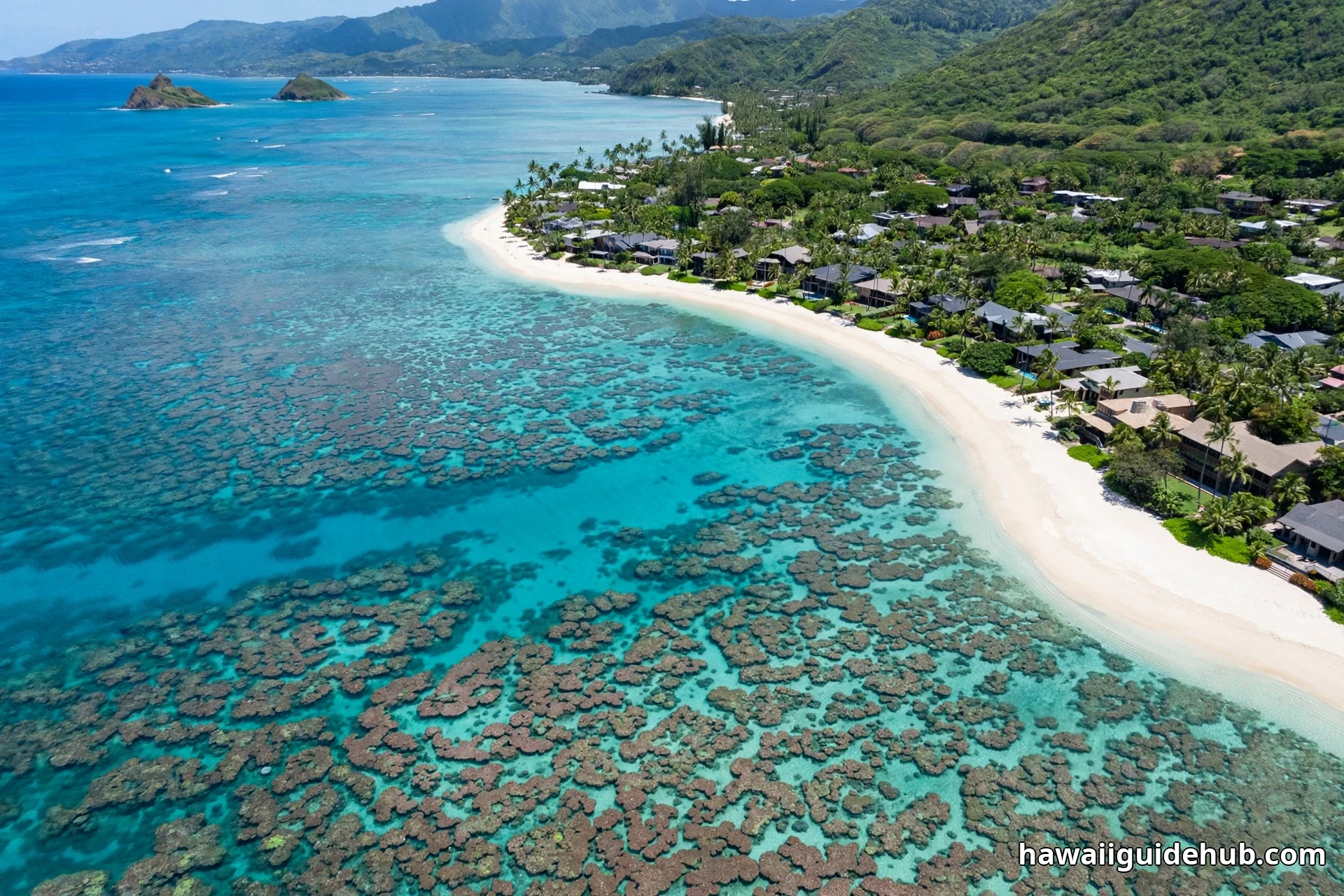
Oʻahu has no shortage of hikes, but few deliver this much payoff for this little effort. From the top of Kaiwa Ridge, you look straight out over Lānikai Beach, with its white sand and turquoise water, and the Mokulua Islands, the twin islets nicknamed the Mokes, rising from the sea.
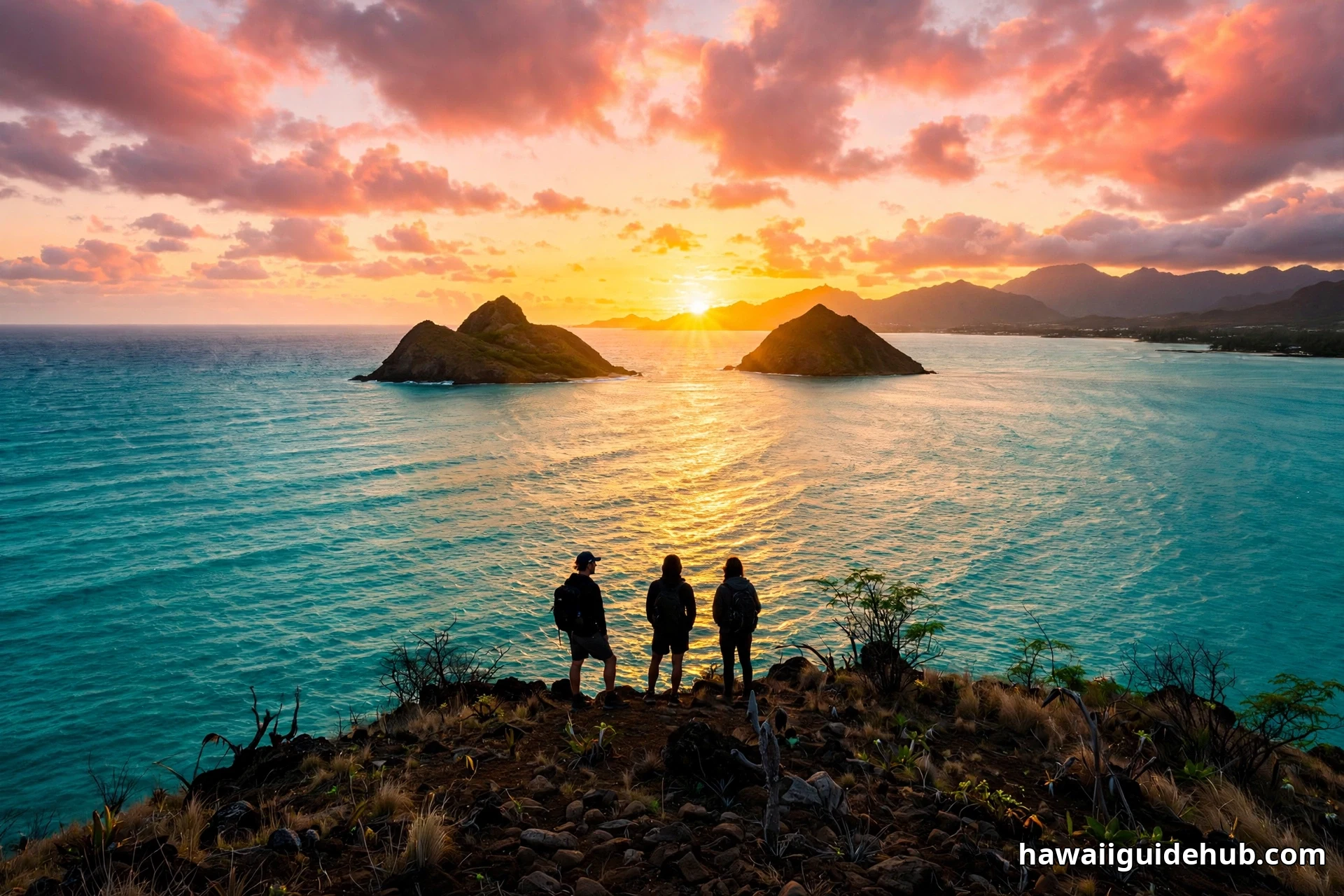
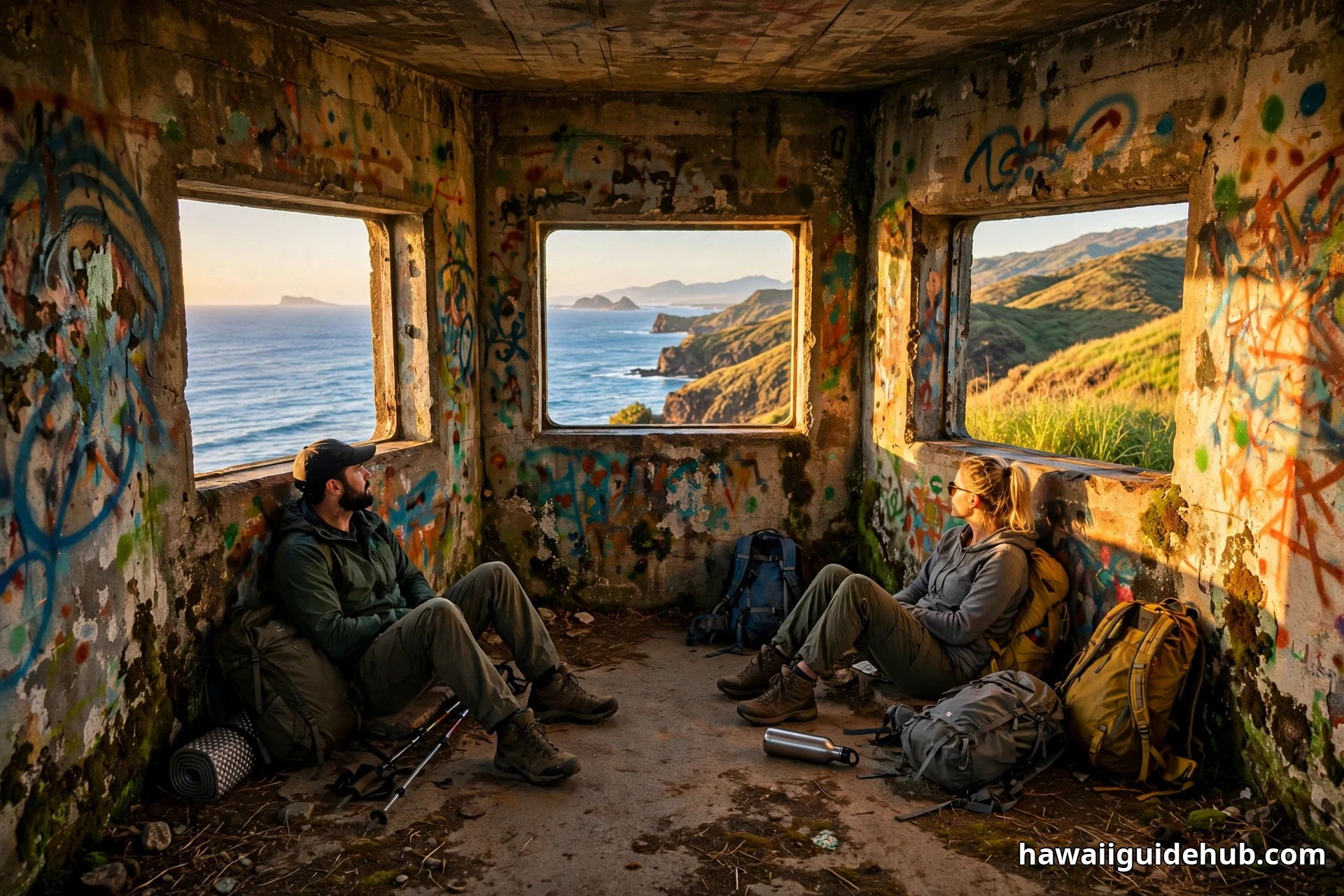
At sunrise, the sun comes up directly behind the Mokes. The sky goes pink, then orange, then gold, and the whole windward coast lights up below you. The graffiti-covered pillboxes make for the kind of pictures that need no filter.
Lānikai Pillbox Hike at a Glance
Here are the numbers that matter before you lace up.
Distance: About 1.6 to 1.8 miles round trip, out and back. If you park at Kailua Beach Park on a day the neighborhood is closed, add about a mile round trip of walking to the trailhead.
Elevation gain: Roughly 500 to 625 feet. Almost all of it comes in the first third of the climb.
Time: One to one and a half hours round trip for most hikers, not counting time spent at the top. The first pillbox is about 15 to 20 minutes up at a steady pace.
Difficulty: Moderate. The distance is short, but the opening climb is steep on loose gravel with some scrambling. There is no shade anywhere on the ridge.
Cost: Free. No permits, no reservations, no fees.
Dogs: Allowed on leash. Watch for sharp rocks and bring water for them too.
The Real History of the Pillboxes
Here is something most hikers do not know: the structures on top of Kaiwa Ridge are not actually pillboxes, at least not in the military sense. A real pillbox is a defensive fortification built to house weapons. The two concrete boxes on this ridge never held a single gun.
They were built in early 1943 by the U.S. Army Coast Artillery as observation stations, part of a network called Station Podmore. Soldiers stationed up here spent their days scanning the horizon with telescopic instruments, watching for enemy ships and planes, and radioing coordinates to gun batteries positioned elsewhere along the coast, including on the Mokapu Peninsula near Kāneʻohe Bay. The ridge was the eyes. The guns were somewhere else.
The nickname stuck because the squat concrete boxes look like the pillboxes of old battlefields. After the war, the land passed through private hands and eventually came under state management. Today the Hawaiʻi Department of Land and Natural Resources manages the roughly four acres that include the trail.
These are just two of many similar structures around the island. The Ehukai Pillbox on the North Shore and the Puʻu Maʻeliʻeli trail in Kāneʻohe both have their own bunkers with far smaller crowds. But neither has the sunrise angle, or the Mokes sitting perfectly in frame, that makes Lānikai special.
Getting There: Parking and the Trailhead
The Lānikai Pillbox Hike starts in a residential neighborhood, and that shapes everything about the logistics. There is no official parking lot for the trail. You park on the street, and you do it as a guest.
Set your map for the area around Kaelepulu Drive in Kailua. From central Kailua, head toward Lānikai on Mokulua Drive, then turn onto Kaelepulu Drive and drive to the end, away from the ocean. Look for street parking along Kaelepulu Drive and the nearby side streets. Arrive early and you will find a spot within a few minutes of the trailhead. Arrive at 8 AM on a Saturday and you will circle.
Once parked, walk along Kaelepulu Drive toward the dead end, away from the ocean. Near the intersection with Aalapapa Drive, look for a dirt path on the left side of the road with a fence running along the right. That unmarked path is the trailhead. If you are unsure, ask anyone walking back down with dusty shoes. They will point you the right way.
A few parking rules that matter. Never block a driveway or a mailbox. Do not park on anyone’s lawn. Obey every no-parking sign, because tickets are common here. Keep your voice down in the early morning. And be aware that on certain holidays, the entire Lānikai neighborhood closes to non-residents. When that happens, park at Kailua Beach Park and walk the half mile to the trailhead along the road.
Hide your valuables or leave them at your hotel. Like every trailhead on Oʻahu, break-ins happen. Take your rental agreement and anything with your address out of the glove box too.
The Hike, Step by Step
The steep start
The first ten minutes are the hardest part of the whole hike. The trail goes straight up a loose, eroded slope of dirt and gravel, with ropes tied to trees in the steepest spots. Use them. If you are hiking for sunrise, you will do this section in the dark, so plant your feet and take short steps. Going slow here is the smartest thing you can do on this trail.
The ridge walk
Once you clear the opening climb, the trail levels into a ridge walk with views opening on both sides. To your left, the ocean and the Mokes. To your right, Kailua town and the Koʻolau mountains. The path is well worn, so route-finding is easy, but stay on the main trail. Social trails branch off toward cliff edges that drop away fast.
The first pillbox
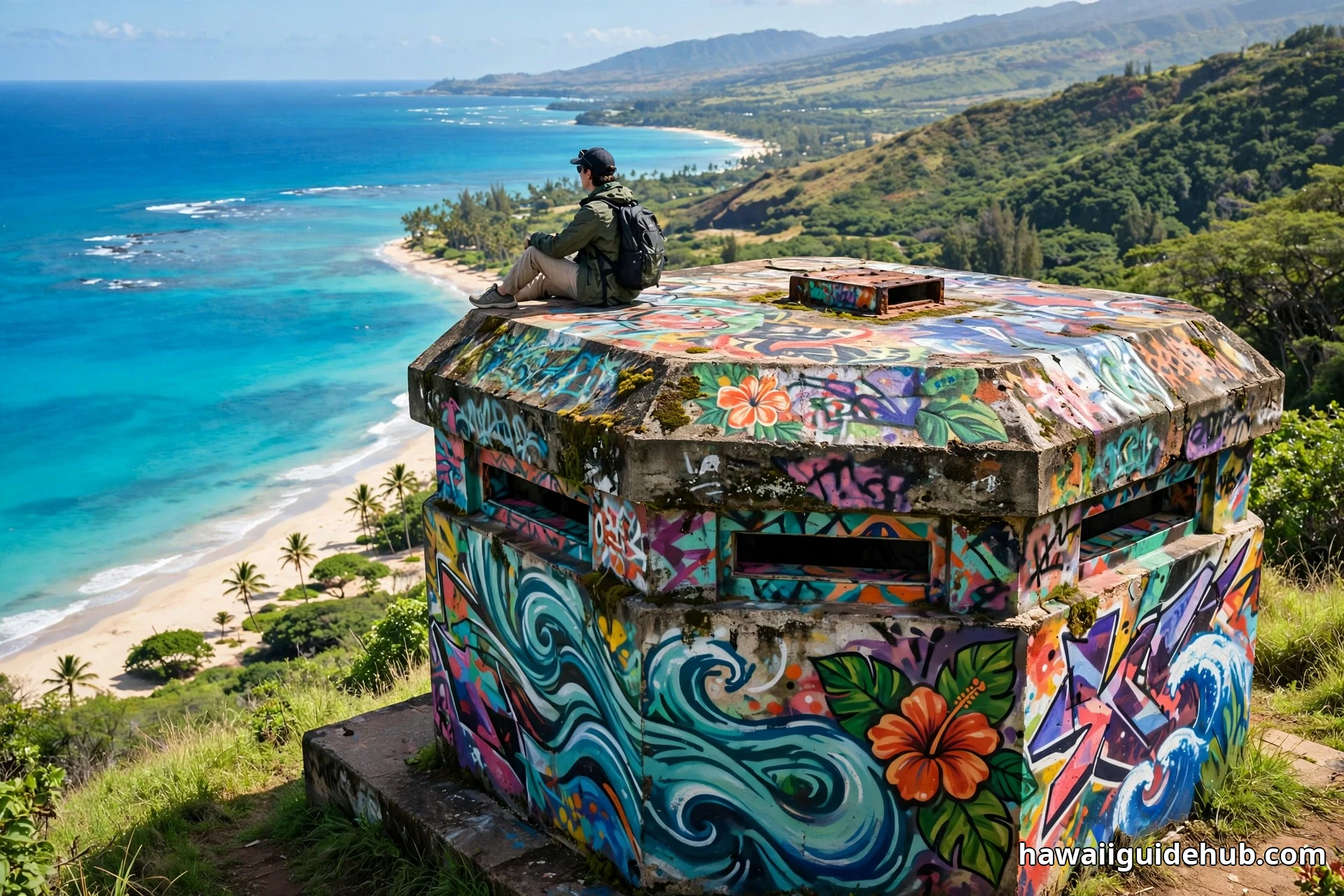
About 15 to 20 minutes up, the first concrete bunker appears. This is the classic photo stop, and honestly it has the best views of the two. The structure is covered in layers of graffiti, and you can climb on top or duck inside. The roof makes a natural bench for watching the sunrise. Most sunrise hikers stop here, but if you have another ten minutes, keep going.
The second pillbox
The trail continues along the ridge to a second bunker a short distance further. It sits slightly higher and draws fewer people. The view stretches further down the windward coast toward Waimānalo. Beyond the second pillbox, the maintained trail effectively ends and the drop-offs get serious, so turn around here. Take the steep descent slowly. Downhill on loose gravel is where most ankle injuries happen.
What You Will See From the Top
On a clear morning, the panorama covers a huge sweep of windward Oʻahu. Straight ahead, the Mokulua Islands sit in the turquoise water, part of the Hawaiʻi State Seabird Sanctuary. Below and to the left, Lānikai Beach curves along the shore. To the right, Kailua Beach stretches toward the Koʻolau mountains, and on the clearest days you can make out Kāneʻohe Bay, Chinaman’s Hat, and the Makapuʻu Lighthouse far down the coast.
Keep an eye on the water. Humpback whales pass offshore in winter, and dolphins, sea turtles, and reef sharks are year-round residents. The morning light makes spotting marine life easier than at midday.
When to Go
Sunrise is the headliner, and for good reason. The sun rises straight out of the ocean here, directly behind the Mokes, and the pillboxes face it head on. The air is cool, the crowds are thinner than they will be an hour later, and the light on the Koʻolau mountains behind you is golden.
Timing matters. In summer, sunrise in Kailua is around 6 AM. In winter, it is closer to 7 AM. Check the day’s exact sunrise time and plan to be at the first pillbox 15 to 20 minutes before it. That means starting the climb 30 to 45 minutes before sunrise. Give yourself extra margin on your first visit, since the steep start is slower in the dark.
If sunrise does not work for your schedule, late afternoon is the next best choice. The light goes warm on the mountains, the heat of the day starts to ease, and the trail is quieter than at dawn. Midday is the slot to avoid. The ridge is fully exposed, the sun is punishing, and the views wash out in the harsh light.
Weekdays beat weekends every time. This is one of the most popular hikes on the island, with well over a thousand hikers on busy days, and Saturday and Sunday mornings at the pillboxes can feel like a party. If a weekend is your only option, go as early as you can.
After heavy rain, the trail turns to slick mud and the steep sections get genuinely sketchy. If it poured overnight, consider waiting a day. The ridge will still be there tomorrow.
How Hard Is It, Honestly
Call it moderate, with an asterisk. The distance and elevation are modest. A fit person knocks this out in an hour. But the opening climb is genuinely steep on loose gravel, and the ridge has exposed drop-offs with no guardrails. People have been seriously hurt on this trail, and helicopter airlifts are not unheard of. Stay on the path and away from the edges.
Heat is the other factor. There is zero shade on the ridge, and by mid-morning the sun plus the climb can flatten people who breezed through the distance. Start early, bring more water than you think you need, and turn back if you feel dizzy or nauseous.
Older kids who are comfortable with heights do fine here. Toddlers, strollers, and anyone unsteady on their feet should sit this one out. There is nothing to hold onto along the cliff sections, and the gravel does not forgive a stumble.
What to Bring
Bring at least a liter of water per person. There is no water on the trail and no place to buy any. Sunscreen and a hat are non-negotiable, even for a sunrise hike, because you will walk back in full sun.
A headlamp is the single most important item for a sunrise hike. Phone flashlights work in a pinch, but a headlamp keeps your hands free for the ropes and the scrambling. Bring a spare light too.
Wear hiking shoes or trail runners with real grip. Skip the flip-flops. Long pants are worth considering, since the grass along the trail can be scratchy. A light rain jacket weighs nothing and saves the morning if a windward shower rolls through. Toss in some snacks. There is something deeply satisfying about eating breakfast on top of a WWII bunker while the sun comes up.
Dogs on the Trail
Dogs are allowed on leash, and plenty of local dogs hike the ridge regularly. Keep yours leashed the whole time. The ridge is narrow, the drop-offs are real, and an excited dog lunging after a mongoose is a nightmare scenario up here.
Bring water for your dog and watch their paws on the hot, rocky sections. If your dog is not confident on steep, loose terrain, leave them home. And the obvious: pick up after your dog and pack it out. There are no trash cans on the ridge.
After the Hike: What to Do Next
You will be back at your car by 8 AM with the whole day ahead of you. The natural next stop is Lānikai Beach itself, a five-minute drive from the trailhead. Walk the soft sand, swim in the calm water, and look back up at the ridge you just climbed.
Kailua town is ten minutes away and made for post-hike refueling, with breakfast spots, shave ice, coffee shops, and a Thursday farmers market. If you still have energy, rent a kayak and paddle toward the Mokes.
For more ideas, check our Oʻahu island adventure guide and our guide to outdoor adventures in Hawaii. If this is your first trip, see our best island for first-time visitors guide, and read about the windward side of Oʻahu you just hiked above.
See the Lānikai Pillbox Hike on Video
Want a preview of the climb and the sunrise payoff before you go? This video walks the Kaiwa Ridge Trail from trailhead to pillboxes.
Lānikai Pillbox Hike FAQ
How long is the Lānikai Pillbox Hike?
About 1.6 to 1.8 miles round trip on the Kaiwa Ridge Trail, with roughly 500 to 625 feet of elevation gain. Most hikers finish in one to one and a half hours, plus whatever time they spend at the top.
Do you need a permit or reservation?
No. The trail is free and open daily with no permits or reservations required. Just show up, park legally, and hike.
Where do you park for the Lānikai Pillbox Hike?
There is no official lot. Park on residential streets near the trailhead on Kaelepulu Drive in Kailua, never blocking driveways or mailboxes. On holidays when the neighborhood closes to visitors, park at Kailua Beach Park and walk about half a mile to the trailhead.
Is the Lānikai Pillbox Hike dangerous?
It can be. The trail has steep loose sections, exposed cliff drop-offs with no guardrails, and no shade. People have been injured and airlifted from the ridge. Stay on the path, wear proper shoes, keep children close, and do not go near the edges for photos.
Can you do the Lānikai Pillbox Hike for sunset instead?
You can, and late afternoon is lovely, with golden light on the Koʻolau mountains and smaller crowds. But the sun sets behind the mountains, not over the ocean. For the classic experience, sunrise is the move.
Are the pillboxes real WWII bunkers?
They are real WWII structures, built in 1943, but they were observation stations rather than defensive gun positions. Soldiers here watched for ships and planes and relayed sightings to gun batteries elsewhere on the coast. The “pillbox” name stuck because of how they look.
The Ridge Will Be There Tomorrow
The Lānikai Pillbox Hike earns its fame honestly. Few trails give you this combination of history, workout, and payoff in under two hours. The sunrise over the Mokes from the top of a graffiti-covered WWII bunker is one of those travel moments that stays with you.
Go early, go prepared, and go respectfully. Park like a neighbor, pack out everything you pack in, and keep your feet away from the edges. Do that, and Kaiwa Ridge will give you one of the best mornings of your trip.