Easy Hawaiian Mai Tai Recipe: The Authentic Method at Home

The mai tai is Hawaii’s signature cocktail, and the good news is that the real thing is easy to make at home. Forget the neon-red, pineapple-juice-heavy versions served at tourist traps. This easy Hawaiian mai tai recipe stays close to the authentic 1944 method: aged rum, fresh lime, orange curaçao, and orgeat, shaken over crushed ice and finished the way Hawaii likes it. Five minutes, one shaker, no special skills required.
This is the single complete guide to the Hawaiian mai tai recipe. It covers the drink’s origin and history, the ingredients, the easy step-by-step method, what makes the Hawaiian style different, variations, what it tastes like, where visitors encounter it in Hawaii, and answers to common questions. Everything about the hawaiian mai tai recipe easy method is gathered on this one page, so you do not need to search anywhere else. Please enjoy responsibly: this is a strong cocktail.
Hawaiian Mai Tai at a Glance
| The detail | What to know | Worth knowing |
|---|---|---|
| Time and servings | 5 minutes, 1 cocktail, easy | Faster than finding parking in Waikīkī |
| The build | Aged rum; lime, almond (orgeat), orange; shake with ice, strain over crushed ice | The orgeat is non-negotiable; skip it and it is just rum punch |
| Garnish | Lime shell and fresh mint | The mint is aromatics, not decoration |
| Origin | 1944, Trader Vic’s, Oakland, California | A California tiki-bar invention, not a Hawaiian one |
| Hawaiian twist | Dark rum float, optional pineapple juice | The float is what makes it read “Hawaiian” |
The Story of the Mai Tai
The mai tai was invented in 1944 by Victor “Trader Vic” Bergeron at his restaurant in Oakland, California. As the story goes, he mixed it on the spot for two friends visiting from Tahiti, and after tasting it they exclaimed “Mai tai roa ae,” Tahitian for “out of this world, the best.” The name stuck. Bergeron’s original formula was spare and rum-forward: two ounces of 17-year-old J. Wray and Nephew Jamaican rum, the juice of one fresh lime, half an ounce each of French Garnier orgeat and Holland DeKuyper orange curaçao, and a quarter ounce of rock candy syrup, shaken and served over shaved ice with a spent lime shell and mint. He designed it to showcase the rum, not to hide it, which is why the original contains so little besides the spirit itself.
The drink rode the great tiki craze of the 1940s and 1950s into every American imagination of the tropics. Trader Vic’s restaurants spread the recipe across the country, and returning servicemen and the new jet-age tourists carried the craving to the islands themselves. Hawaii adopted the mai tai as its own. By mid-century, it was the cocktail of Waikiki, most famously at the Royal Hawaiian Hotel’s Mai Tai Bar, where generations of visitors have sipped it steps from the sand as the sun drops behind Diamond Head. Bergeron’s tiki rival Donn Beach, of Don the Beachcomber, always maintained that the mai tai derived from his own earlier rum drinks, notably his 1933 Q.B. Cooler, but history credits Trader Vic with the 1944 creation.
What Makes a Mai Tai Hawaiian
The original 1944 mai tai contains no pineapple juice, no orange juice, and no grenadine. It is a dry, balanced, rum-forward cocktail. The Hawaiian style that most visitors know adds two things: a float of dark rum on top and, often, a splash of pineapple juice. The float gives the drink its layered look and an extra hit of molasses flavor, while the pineapple juice makes it fruitier and more approachable.
This recipe gives you the best of both. It follows the authentic structure, then adds the optional Hawaiian float so you can choose your style. If you want the true 1944 experience, skip the pineapple juice entirely. If you want the Waikiki beach-bar version, add the float and a small splash of pineapple. Both are delicious; now you will know the difference.
Ingredients
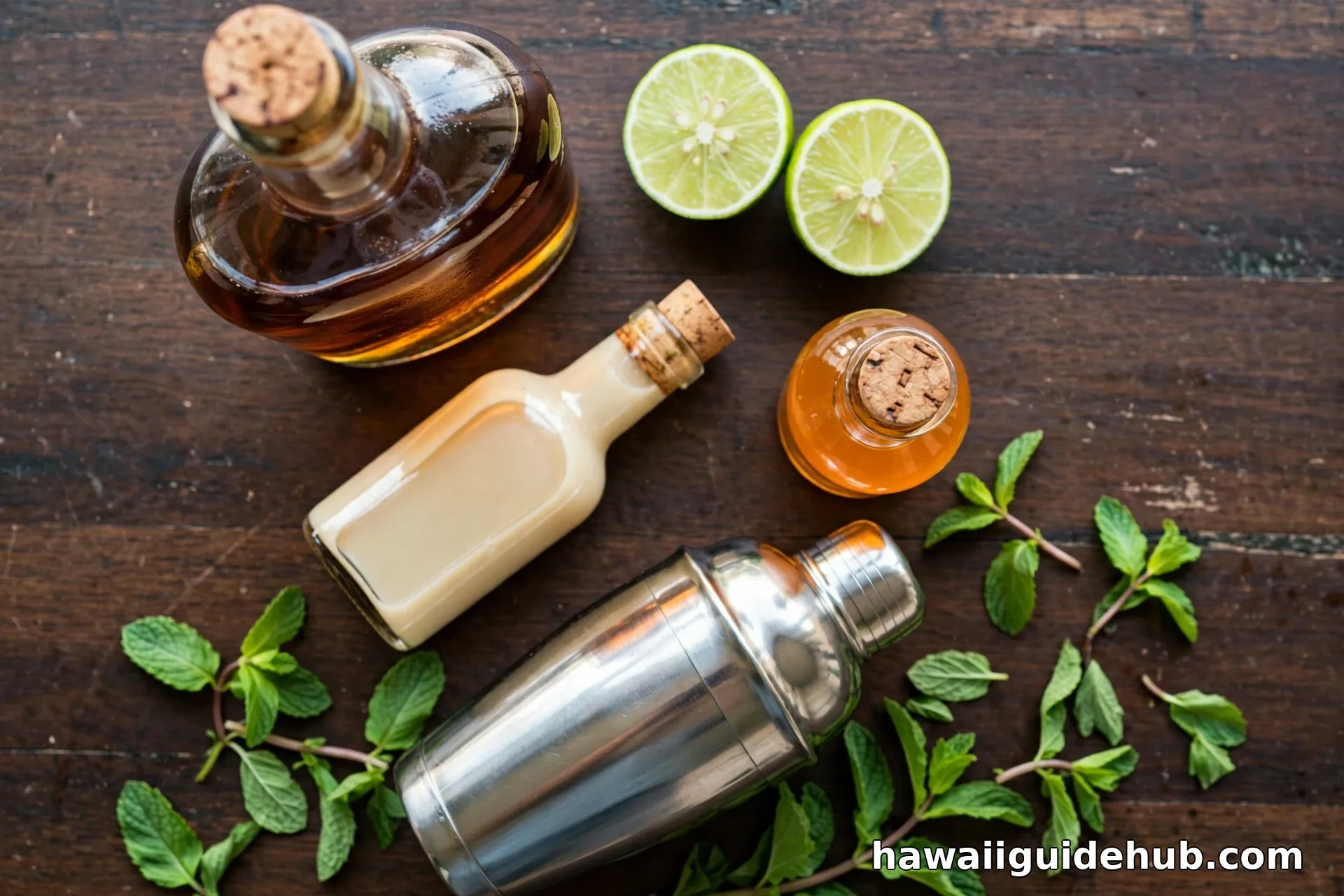
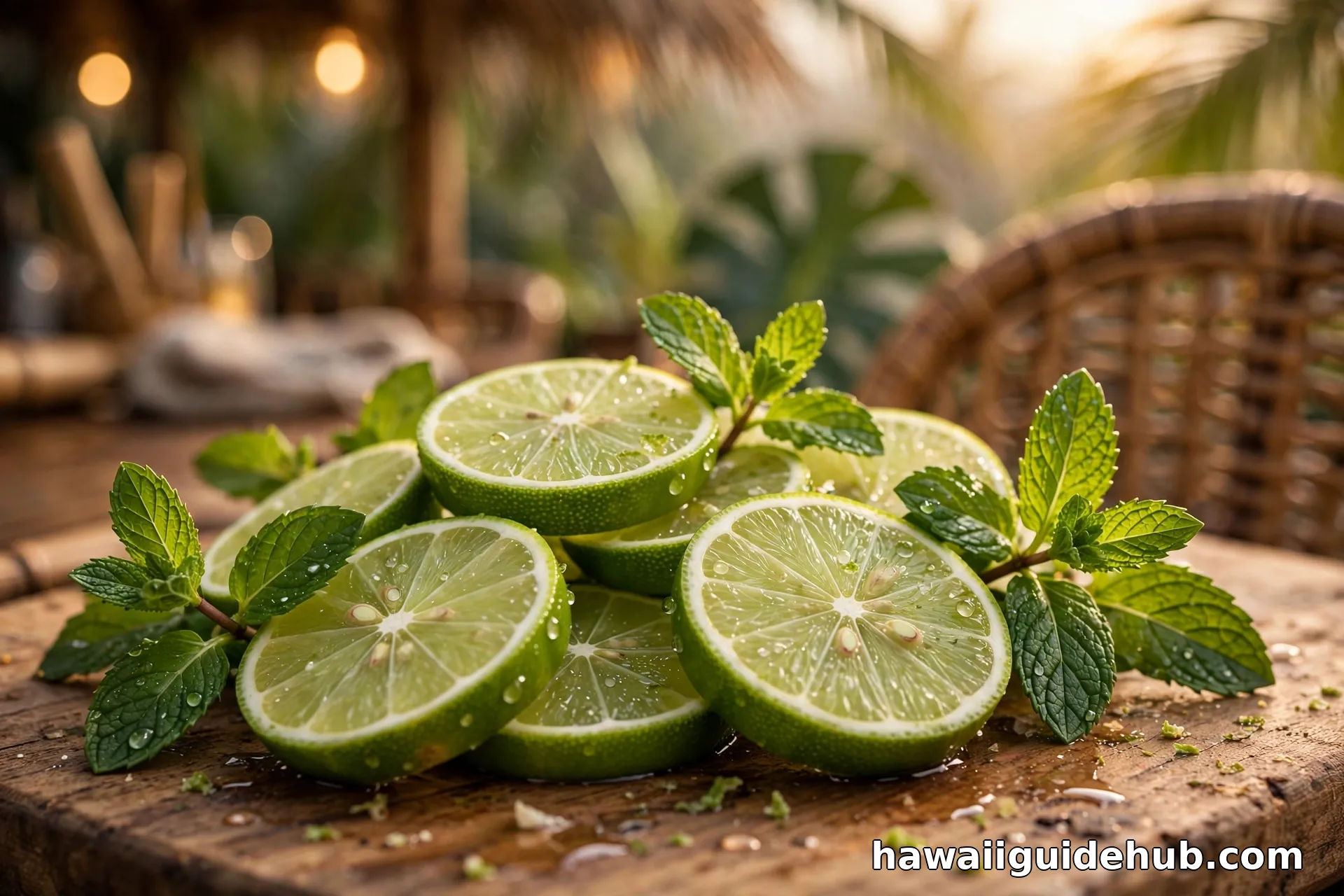
For one cocktail, you will need: 2 ounces aged rum (a Jamaican-style aged rum is most authentic), 3/4 ounce fresh lime juice (about one lime, squeezed fresh), 1/2 ounce orange curaçao (triple sec works in a pinch), 1/2 ounce orgeat (almond syrup, found in the cocktail aisle or online), 1/4 ounce rich simple syrup (optional, for a slightly sweeter drink), crushed ice, and for the Hawaiian float, 1/2 ounce dark rum. For garnish: a spent lime shell and a fresh mint sprig.
Two ingredients deserve attention. Orgeat is the soul of the mai tai: a sweet almond syrup, sometimes with orange flower water, that gives the drink its signature nutty depth. Buy a quality orgeat rather than the cheapest bottle; it makes a real difference, and a good bottle lasts through many cocktails. And use fresh lime juice, never bottled. The whole drink balances on that fresh citrus acidity, and bottled juice tastes flat and dull by comparison. As for the rum, you do not need the original 17-year-old Jamaican rum, which is long gone from shelves. A flavorful aged rum with some character, Jamaican-style if you can find it, gets you the right spirit.
The Easy Hawaiian Mai Tai Recipe
1. Fill a cocktail shaker with ice. Add the aged rum, fresh lime juice, orange curaçao, orgeat, and simple syrup if using.
2. Shake hard for 15 to 20 seconds, until the outside of the shaker is frosty and cold.
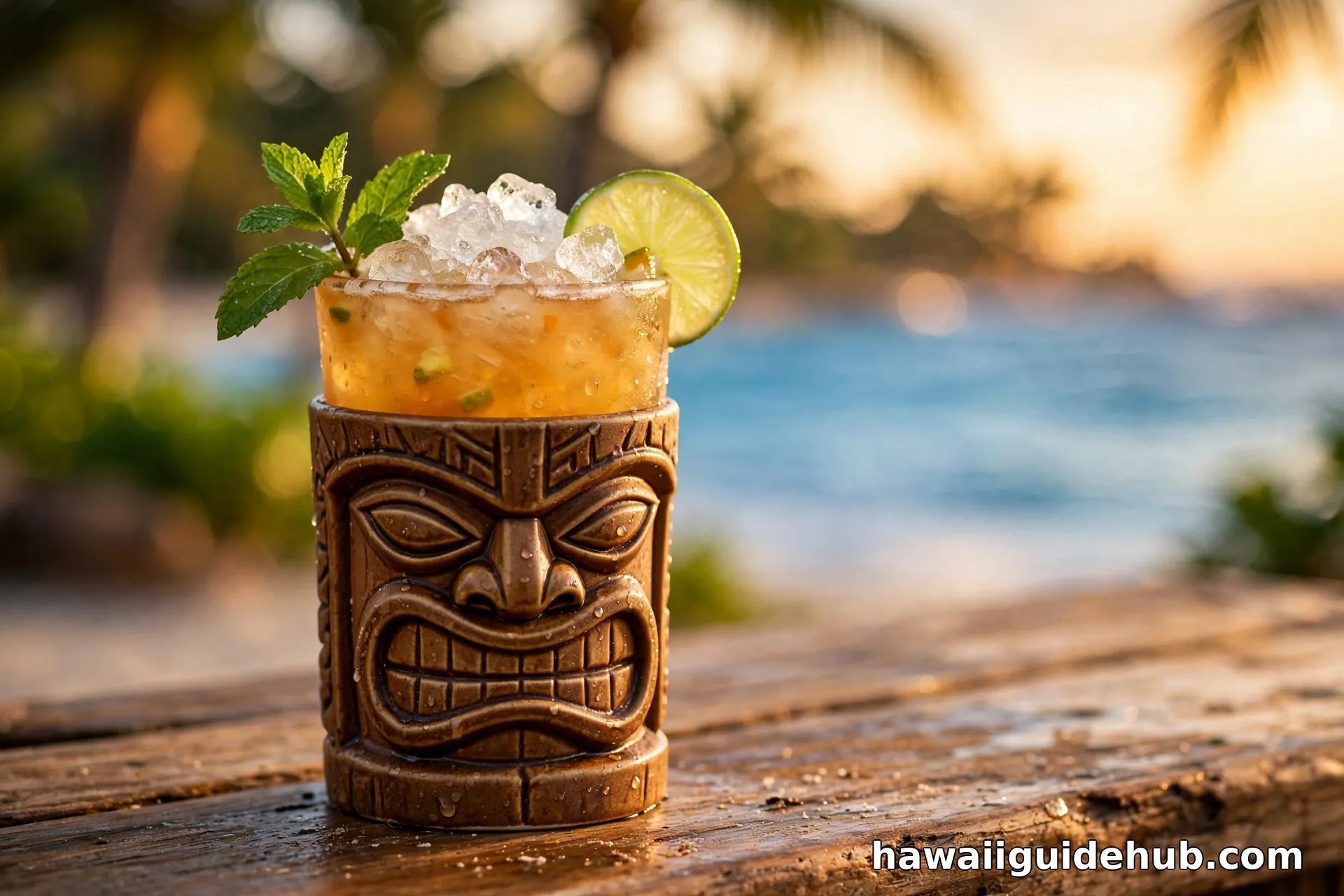
3. Fill a rocks glass or tiki mug with fresh crushed ice. Strain the shaken mix over the ice.
4. For the Hawaiian style, slowly float the dark rum on top by pouring it over the back of a bar spoon held just above the surface.
5. Garnish with the spent lime shell and a mint sprig. Slap the mint gently between your palms before adding it to release its aroma. Serve immediately.
Tips for the Best Mai Tai
Crushed ice matters more than you would think. It chills fast, dilutes just enough, and gives the drink its classic frosty look. If you do not have an ice crusher, wrap cubes in a clean towel and crush them with a rolling pin. Taste before you garnish: the drink should be bright and balanced, with the rum leading and the almond and orange in support. If it is too tart, add a touch more orgeat; if too sweet, more lime. And go easy on the pineapple juice if you use it: a small splash keeps the drink a mai tai, while a full pour turns it into a different cocktail wearing a mai tai’s name. Finally, do not skip the mint garnish. Slapped mint releases aromatic oils that hit your nose before the first sip, and that aroma is part of the drink.
Common Mai Tai Mistakes
Most bad mai tais fail in the same few ways. The biggest is drowning the drink in juice: pineapple, orange, and grenadine turn a balanced cocktail into fruit punch. The second is bottled lime juice, which tastes dull next to fresh. The third is skipping the orgeat or replacing it with plain syrup, which removes the drink’s signature almond character. And the fourth is serving it over big cubes in a tall glass with a straw, which looks wrong and dilutes wrong. A rocks glass or tiki mug, crushed ice, fresh lime, real orgeat, and a measured hand with the rum will put you ahead of most bars.
Variations Worth Trying
The classic 1944 version skips the float and the pineapple juice for the driest, most rum-forward drink: the one Trader Vic actually served. The full Hawaiian beach-bar version adds both, plus sometimes a cherry, and that is the version most visitors picture. A virgin mai tai keeps the lime, orgeat, orange juice, and pineapple juice over crushed ice with a mint garnish, which captures the flavor profile without the alcohol and makes a great option for designated drivers. For a crowd, mix the base (everything except ice and garnish) in a pitcher up to a day ahead, then shake individual servings with ice to order, so every glass is fresh and frosty.
What a Mai Tai Tastes Like
A proper mai tai tastes nothing like the candy-sweet versions many people expect. It is bright and citrusy up front from the fresh lime, with a warm, nutty sweetness from the orgeat, a whisper of orange from the curaçao, and the deep, funky character of aged rum running through the whole glass. The dark rum float adds a molasses richness on the first sips, then blends in as the ice melts. It is strong, balanced, and refreshing all at once, which is why it has survived eighty years of imitators. If your first taste surprises you with how dry and spirit-forward it is, that is the authentic character showing through: this was always a rum drink first and a tropical drink second.
Where Visitors Encounter the Mai Tai in Hawaii
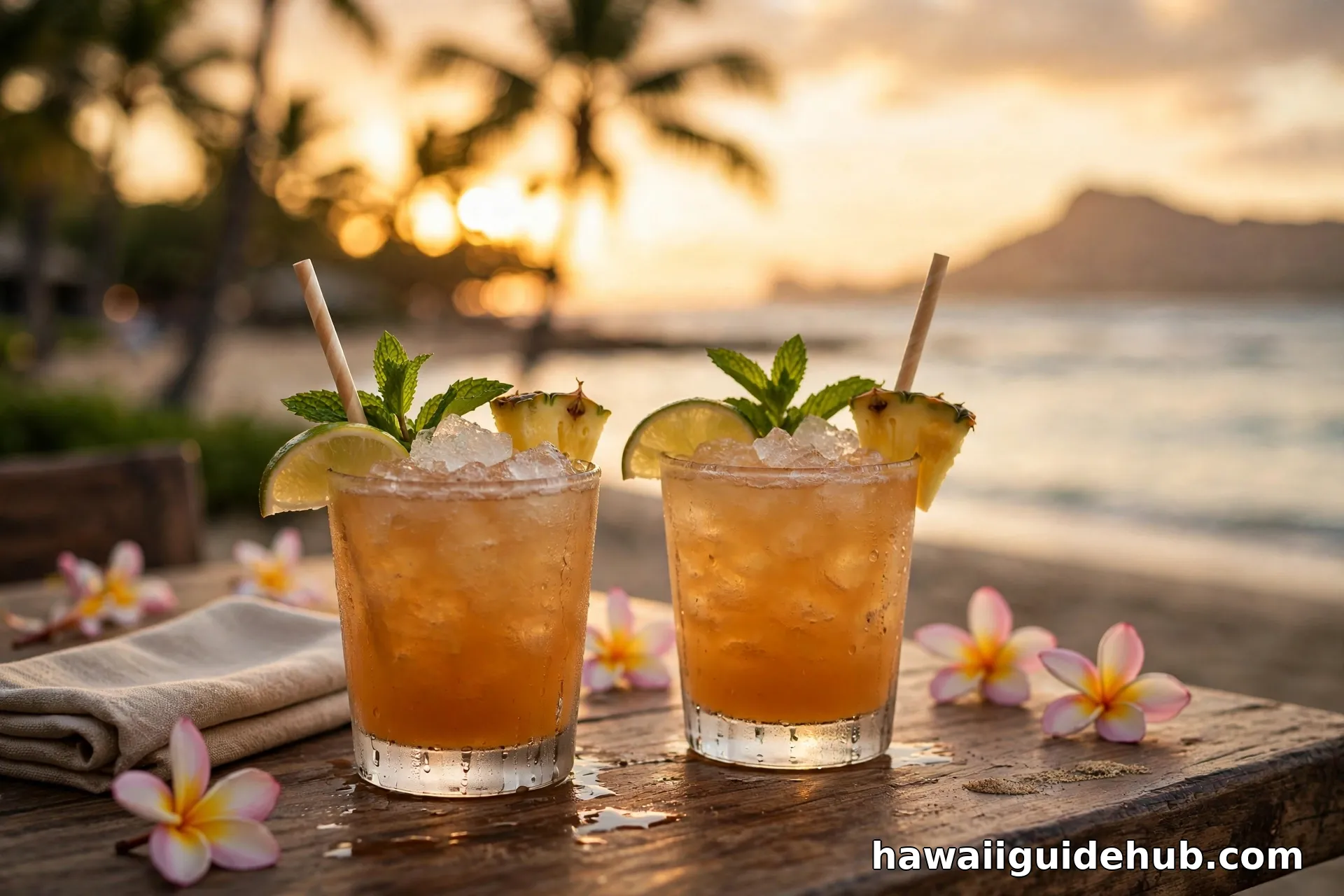
In Hawaii, the mai tai is everywhere a sunset is: beach bars, hotel lanais, and restaurants across the islands. The most storied spot is the Mai Tai Bar at the Royal Hawaiian Hotel in Waikiki, the “Pink Palace of the Pacific,” where the drink has been a sunset ritual for generations. Order one there at golden hour, with Diamond Head in view and live music drifting across the sand, and you will understand why the drink and the islands are inseparable. Many visitors make it their first drink of the trip and their last. You will also find mai tais at traditional Hawaiian luaus, where they pair with classic local dishes. If you are planning a food-focused trip, our guides to late-night eats in Hawaii and Oʻahu restaurants cover more of the islands’ food and drink scene.
Video: How to Make a Mai Tai
Watch a bartender build a proper mai tai, from the shake to the dark rum float.
Frequently Asked Questions
What is the best rum for a mai tai?
A flavorful aged rum, ideally Jamaican-style, is the most authentic choice. In a pinch, any decent aged or gold rum works. Save the expensive sipping rum; the cocktail’s lime and orgeat will dominate the subtle notes.
Can I use triple sec instead of orange curaçao?
Yes. Orange curaçao is the classic, but triple sec is a fine substitute and many home bartenders use it. Avoid blue curaçao, which changes the color and flavor. If you want to stay closest to the original, look for a dry orange curaçao rather than an extra-sweet triple sec, and adjust the simple syrup to taste.
What is orgeat, and where do I buy it?
Orgeat (pronounced or-ZHAH) is a sweet almond syrup, sometimes flavored with orange flower water. Find it in the cocktail mixer aisle, at liquor stores, or online. Quality varies a lot, so buy a reputable brand.
Can I make a non-alcoholic mai tai?
Yes. Combine lime juice, orgeat, a splash of orange juice, and pineapple juice over crushed ice, and garnish with mint and lime. It captures the flavor profile without the rum.
Why do some mai tais have pineapple juice and some do not?
The original 1944 recipe has no pineapple juice at all. The Hawaiian beach-bar style added pineapple juice and a dark rum float over the years, and that fruitier version is what most visitors know. Both are legitimate; they are just different drinks with the same name.
How strong is a mai tai?
Strong. With two ounces of rum plus an optional float, a mai tai typically lands around 20 percent alcohol by volume or more. Sip it slowly, eat while you drink, and never drive after one.
The mai tai endures because it is simple, balanced, and honest: rum, lime, almond, and orange, nothing more. Make it the easy way at home, taste the difference that fresh lime and real orgeat make, and you will never go back to the red syrupy version. And if you find yourself in Waikiki at sunset, order one at the beach and taste where it belongs. Eighty years after Trader Vic mixed the first one, it remains the definitive taste of Hawaii in a glass.