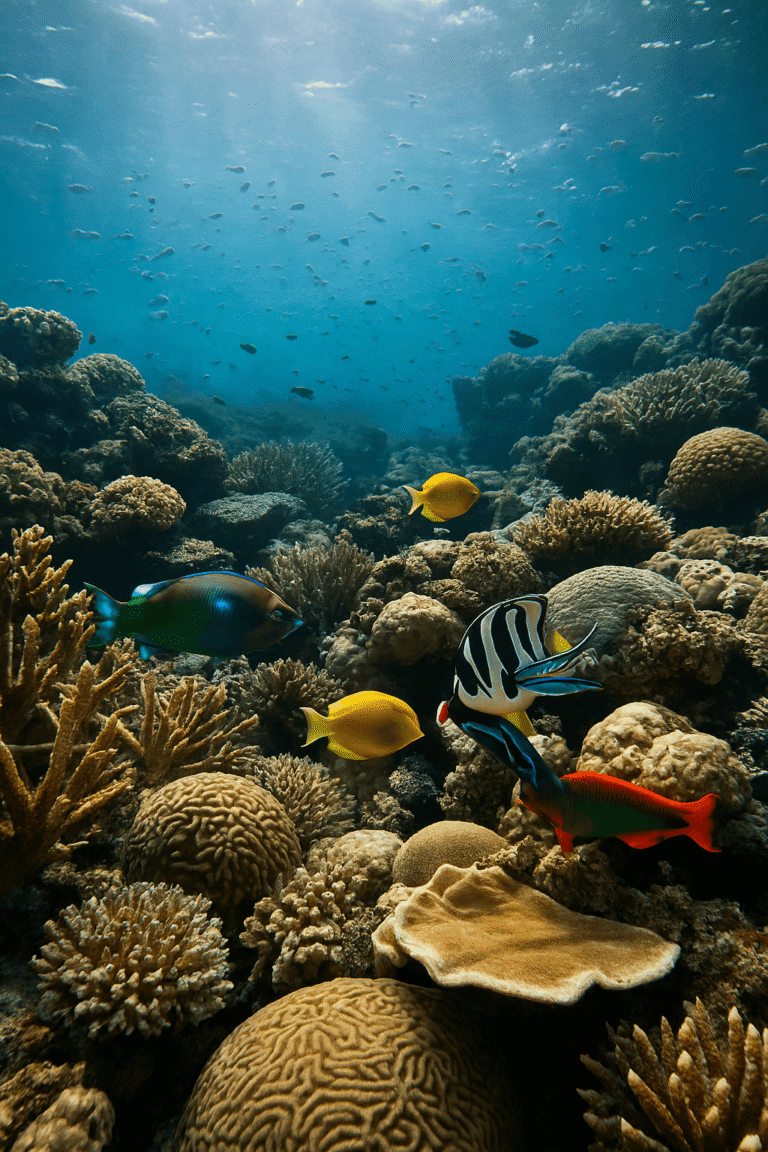

Exploring the Diversity of Hawaii’s Marine Ecosystems: A Deep Dive into Coral Reefs and Their Inhabitants

The underwater world of Hawaii is home to some of the most beautiful marine ecosystems on the planet. Underneath the clear waters that surround these volcanic islands is a complicated system of coral reefs full of life. These reefs have been home to underwater cities for thousands of years.
The Hawaiian Islands are in the middle of the Pacific Ocean, which makes the conditions there very different and allows for a wide range of marine life. Hawaii’s waters are truly unique because they have a wide range of ecosystems, from shallow coral gardens near shore to deep-water habitats beyond the reef.
As we see changes in the world’s oceans, it becomes more and more important to understand these marine ecosystems. Hawaii’s coral reefs are like a natural lab and a warning system at the same time. They show us how marine environments react to different stresses and make it clear that we need to protect them right away.
This in-depth look at Hawaiian marine ecosystems will take you through their complex world, showing you the amazing variety of species that live in these waters and looking at how important these environments are for the health of the ocean both locally and globally.
Hawaiian coral reef ecosystems are the basis of life.
Coral reefs in Hawaii are the most important parts of marine life on the whole island chain. Over thousands of years, tiny coral polyps have built these living structures, which are the basis for whole underwater communities.
Most of Hawaii’s coral reefs are in shallow, warm water where sunlight can reach them to help photosynthesis. These reef systems go all the way around the major islands. The coasts of Maui, the Big Island, and Oahu have some of the most impressive formations. There are different types of reefs, such as fringing reefs that grow right from the shore and barrier reefs that make lagoons safe.
Coral Species and Their Unique Characteristics
There are many different types of coral in Hawaiian waters, and each one adds to the reef’s structural complexity. Porites compressa, which is also known as finger coral, and Montipora capitata, which is also known as rice coral, are the most common corals that build reefs. These species make up the three-dimensional structure that gives many marine animals places to live and eat.
The branching growth pattern of cauliflower coral (Pocillopora meandrina) makes things even more complicated. Table coral (Acropora cytherea) makes horizontal platforms that fish can use as feeding and resting spots. Coral species have adapted to different conditions in the reef environment, such as high-energy wave zones and calmer back-reef areas.
The Mutual Relationship: Zooxanthellae and Coral Health
A remarkable partnership between coral polyps and tiny algae called zooxanthellae is what makes Hawaiian coral reefs so healthy. These algae live inside the coral and get up to 90% of their food through photosynthesis. The coral protects the algae and gives them the nutrients they need in return.
This relationship shows why coral reefs do well in tropical waters that don’t have a lot of nutrients: the zooxanthellae act like internal solar panels, turning sunlight into energy. The health of this partnership directly affects the entire reef ecosystem, making it particularly vulnerable to environmental stressors that can disrupt this delicate balance.

A Diverse Underwater Community of Marine Life
Hawaii’s coral reef ecosystem is home to a wide range of marine life, from tiny organisms to large pelagic species. This biodiversity creates a complex food web that demonstrates the interconnected nature of marine ecosystems.
Different kinds of fish and what they do for the environment
Over 400 kinds of fish live in Hawaiian coral reefs, and many of them can only be found there. The Hawaiian cleaner wrasse (Labroides phthirophagus) and the Hawaiian dascyllus (Dascyllus albisella) are examples of endemic species that have adapted to live in these specific conditions.
Herbivorous fish are very important for keeping reefs healthy because they keep algae from growing too much. Surgeonfish, parrotfish, and rabbitfish eat algae all the time, which keeps it from taking over the coral. Parrotfish, in particular, help make sand by breaking up coral skeletons while they eat. This is how Hawaii gets its famous white sand beaches.
Predatory fish keep the reef ecosystem’s populations in check. Moray eels hide in the cracks of coral, and bigger predators like ulua (giant trevally) and sharks swim around the edges of the reef. These predators help keep the populations of their prey healthy and make the ecosystem more stable as a whole.
Diversity and Function of Invertebrates
Hawaiian coral reefs are home to an amazing number of invertebrates, in addition to fish. Sea urchins serve as important grazers, helping control algae growth, while sea cucumbers process sediment and organic matter, recycling nutrients back into the ecosystem.
Crustaceans, such as spiny lobsters and different types of crabs, help keep the reef clean by eating dead things and keeping the water clean. Nudibranchs are small sea slugs that come in a wide range of shapes and colors. They show how specialized the niches are in the reef ecosystem.
Mollusks, such as cowries, cones, and other types of gastropods, add to the reef’s biodiversity and its calcium carbonate budget. Many of these species have cultural significance to Native Hawaiians and continue to play important roles in traditional practices.
The Five Critical Importance of Coral Reefs
Knowing why coral reefs are important helps us see how much more they are worth than just their beauty and biodiversity.
1. Protecting the coast and lowering wave energy
Coral reefs act as natural barriers, absorbing up to 97% of wave energy before it reaches the shore. As sea levels rise and storms get stronger, this protection becomes more and more important. Hawaiian coral reefs protect millions of homes, businesses, and infrastructure from storm damage and coastal erosion. They provide ecosystem services worth millions of dollars every year.
2. Marine Biodiversity Hotspots
Coral reefs only cover about 1% of the ocean floor, but they are home to about 25% of all marine species. This variety of life makes ecosystems that are more flexible and can better handle changes in the environment. Hawaiian reefs are very important for the biodiversity of the Pacific Ocean because they help species move around and exchange genes.
3. Tourism and fishing can bring in money.
Coral reefs bring in a lot of money through tourism, fishing, and other recreational activities. Healthy reefs attract millions of visitors annually who contribute billions to local economies through diving, snorkeling, fishing, and related activities. Coral reefs are beautiful and fun to look at, and they support whole industries and thousands of jobs.
4. Regulating the Climate and Storing Carbon
Coral reefs are important for the global carbon cycle because both the coral animals and the algae that live with them help to store carbon. Corals also make calcium carbonate structures that hold carbon for long periods of time, which helps keep CO2 levels in the air stable.
5. Scientific Research and Medical Discoveries
Coral reef organisms have helped make many medical advances, such as drugs that help with cancer, arthritis, and bacterial infections. The unique biochemical compounds made by reef organisms are still giving pharmaceutical researchers new ideas, so it’s important to protect reefs for future medical advances.
Where Coral Reefs Grow in Hawaii: Geographic Distribution
Coral reefs in Hawaii are distributed throughout the island chain, with each location offering unique characteristics shaped by local environmental conditions.
Reef systems in the main Hawaiian Islands
The coral reef ecosystem in Hawaii is very different from island to island because of differences in age, exposure to waves, and freshwater input. Reef systems are more developed on older islands like Kauai and Oahu. On the other hand, reefs on younger islands like the Big Island are still forming on volcanic substrates that are still relatively new.
Oahu’s reefs, particularly those around Kaneohe Bay and Hanauma Bay, represent some of the most studied coral ecosystems in the Pacific. These reefs show how strong and weak coral systems can be. They have bounced back from a lot of problems, but they are still dealing with problems caused by urban development and climate change.
Maui’s reefs show how diverse Hawaiian coral ecosystems can be. For example, the protected waters of Molokini Crater and the high-energy reefs along the island’s north shore. Different coral communities live in each environment because they have adapted to those conditions.
Northwestern Hawaiian Islands: Untouched Reef Wilderness
The Northwestern Hawaiian Islands, now protected as Papahānaumokuākea Marine National Monument, contain some of the most pristine coral reef ecosystems in the world. These isolated reefs show what Hawaiian marine ecosystems were like before humans had a big effect on them. They are also important starting points for conservation efforts.
These pristine reefs support massive populations of large predators, including sharks and giant trevally, showing the full complexity of intact reef ecosystems. The biodiversity and biomass found in these protected areas highlight the recovery potential of marine ecosystems when given adequate protection.

Current Threats: Understanding the Challenges Facing Hawaiian Reefs
Hawaiian coral reefs are under a lot of stress, which could threaten their long-term survival and the many different types of life they support.
Changes in the climate and acidification of the ocean
Coral bleaching happens when ocean temperatures rise. This happens when stressed corals get rid of their algae, which can kill the coral if things don’t get better quickly. Hawaiian reefs have experienced several major bleaching events in recent decades, with some areas showing significant coral mortality.
Ocean acidification happens when more CO2 in the air dissolves in seawater. This makes it harder for corals and other organisms that build calcium carbonate structures to do so and keep them up. This process has an effect on not just corals, but also a lot of other reef organisms, such as mollusks and coralline algae.
Pollution and sedimentation on land
Runoff from land can carry sediments, nutrients, and pollutants that can kill corals and help algae grow. Algae blooms can happen when fertilizers and wastewater add too many nutrients to the water.Corals compete for space and light with these blooms.
Corals can be buried by sediment from construction, farming, and natural erosion. This makes the water less clear, which makes it harder for photosynthesis to happen. Corals can get stressed out and become more likely to get sick and bleach even with small amounts of sedimentation.
Invasive Species and Ecological Disruption
Non-native species can change reef ecosystems in big ways by competing with native species for resources or changing the way habitats are built. Some types of invasive algae can grow too much and kill corals, and some types of invasive fish can mess up food webs that are already in place.
New diseases can come into coral and fish populations through ballast water or other means, and these populations may not be able to fight them off.
Damage to the body and too much use
Coral reefs can be damaged right away and for a long time by things like anchor damage, boat groundings, and careless recreational activities. Even careful visitors can accidentally damage delicate coral structures, and a lot of people visiting can have a cumulative effect.
Fishing pressure, especially on herbivorous fish species that help keep reefs healthy, can throw off the balance of the ecosystem and make it harder for the reef to bounce back from other stressors.
Conservation Efforts and Success Stories
Despite the challenges, Hawaiian coral reefs benefit from numerous conservation initiatives that demonstrate the possibility of reef recovery and protection.
Rules and Marine Protected Areas
Hawaii has set up a number of marine protected areas where fishing and other activities are limited so that reef ecosystems can heal. These protected areas are like nurseries for fish populations and show that marine ecosystems can recover.
Fishing rules, like seasonal closures and size limits, help keep fish populations healthy, which is good for both the ecosystem and the fishing communities. These rules are based on scientific studies and what people have learned about the environment over time.
Conservation Based on the Community
Native Hawaiian communities have been managing their resources in a way that is good for the environment for a long time, and modern conservation efforts are starting to use more and more of this traditional knowledge and these traditional ways of doing things. Community-based management programs give people in the area the power to help protect the reef.
Residents and visitors can help monitor, restore, and teach about the reef through volunteer programs. These programs help people understand and take care of the environment, which helps long-term conservation goals.
Monitoring and Scientific Research
Ongoing research programs monitor reef health, track changes over time, and develop new conservation strategies. This research gives managers the scientific basis they need to make decisions and helps them figure out what problems they might face in the future.
Coral restoration methods, like coral nurseries and assisted reproduction, look like they could help reefs heal from damage and get used to new conditions.
Your Role in Marine Conservation
Every visitor and resident can contribute to the protection of Hawaiian coral reef ecosystems through responsible behavior and informed choices.
Tourism that is good for the environment
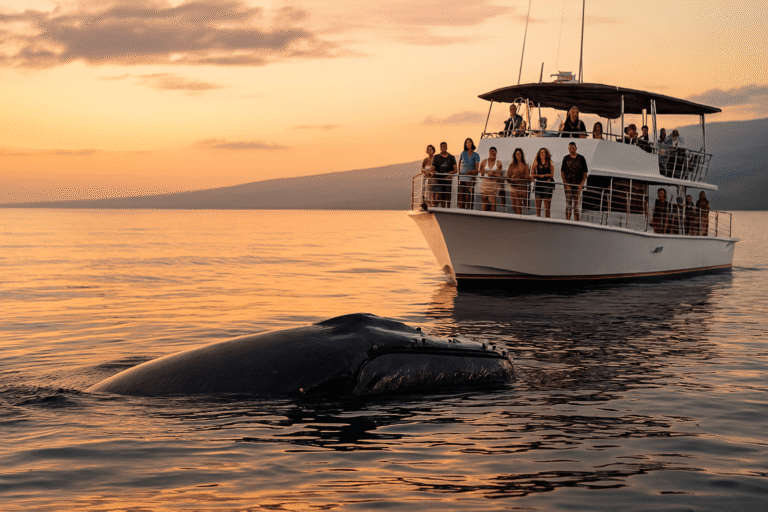
When snorkeling or diving, keep a safe distance from marine life and don’t touch or stand on corals. Use sunscreen that is safe for reefs and doesn’t contain any chemicals that could hurt coral health. Also, follow all the rules given to you by tour operators and managers of marine protected areas.
Pick tour companies and places to stay that show they care about protecting the ocean through their policies and actions. Support businesses that contribute to local conservation efforts and education programs.
Daily Choices That Make a Difference
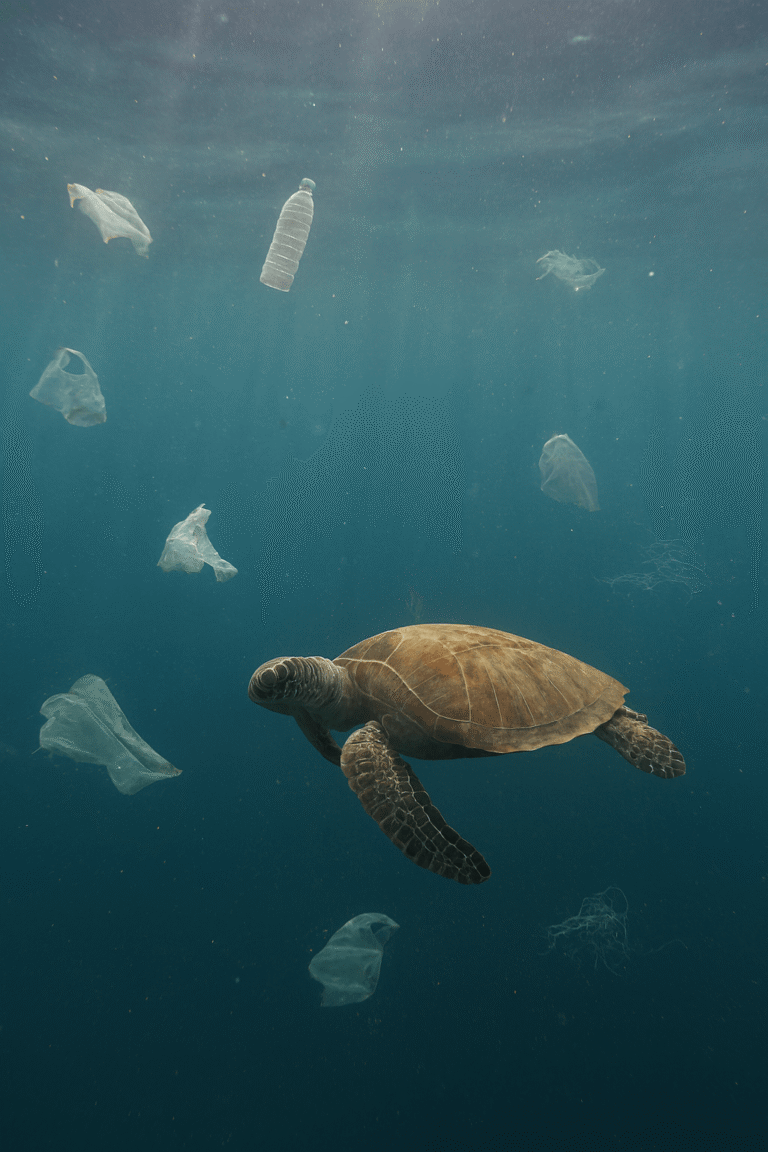
Cut back on your use of single-use plastics that could end up in the ocean. Properly dispose of all waste and participate in beach cleanup activities when possible.
Be careful with the fertilizers, pesticides, and household chemicals you use because they could end up in the ocean through runoff. Whenever you can, choose options that are better for the environment.
Making plans for your Hawaiian marine adventure
Hawaiian marine ecosystems are great places to learn, have fun, and connect with nature on a personal level. Hawaii is the best place to see healthy coral reef ecosystems, whether you want to snorkel, dive, or just learn about marine life.
At Hawaii Guide Hub, we focus on connecting you with real experiences that show off the beauty and importance of Hawaiian marine ecosystems while also helping conservation efforts. Our knowledge of the area helps make sure that your marine adventures help protect these valuable ecosystems.
We help you responsibly explore Hawaii’s underwater world by offering guided snorkeling tours that focus on education and conservation, as well as suggestions for the best places to see the reefs. We work with local conservation groups to make sure that your visit helps protect and restore Hawaiian coral reefs.