Airports on the Island of Hawaiʻi: KOA vs ITO

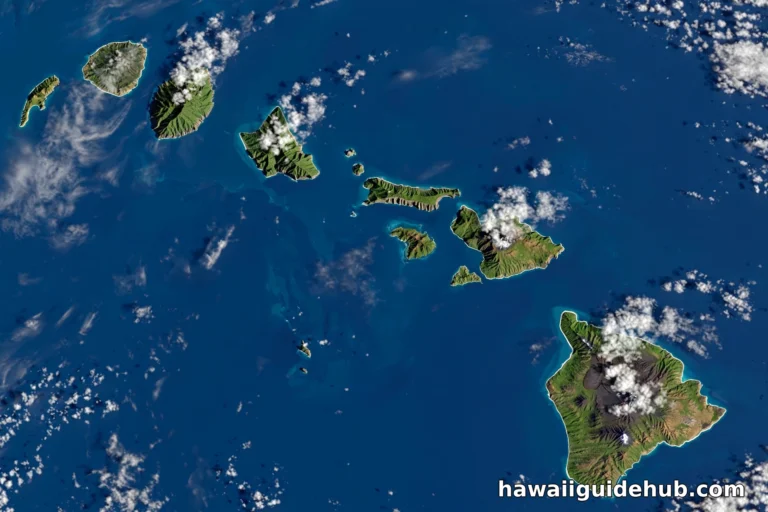
The Island of Hawaiʻi is the only Hawaiian island with two major commercial airports, and picking the wrong one can add hours of driving to your trip. Kona International Airport (KOA) serves the sunny west side, Hilo International Airport (ITO) serves the lush east side, and the two sit about 78 miles apart across the middle of the island.
This is the complete guide to the airports on the Island of Hawaii. It compares KOA and Hilo airport head to head, explains which one to choose for your itinerary, covers the drive between them, ground transportation, parking, costs, and the common mistakes travelers make. If you have been searching for anything about the airport on the island of hawaii, the answers are all on this one page.
Airports on the Island of Hawaii at a Glance
| Kona International (KOA) | Hilo International (ITO) | |
| Full name | Ellison Onizuka Kona International Airport at Keāhole | Hilo International Airport |
| Side of island | West (leeward), in Kalaoa | East (windward), in Hilo |
| 2024 boardings | About 2.02 million | About 681,000 |
| Mainland nonstops | Many, from multiple US carriers | A few, plus frequent interisland flights |
| Drive to nearest town | 15 to 20 minutes to Kailua-Kona | About 10 minutes to downtown Hilo |
| Drive to Volcanoes NP | About 2 to 2.5 hours | About 45 minutes |
| Field elevation | 47 feet above sea level | 38 feet above sea level |
| Best for | Beach resorts, Kona coast, first-time visitors | Volcanoes, waterfalls, east side exploring |
The Two Airports
Kona International Airport (KOA)
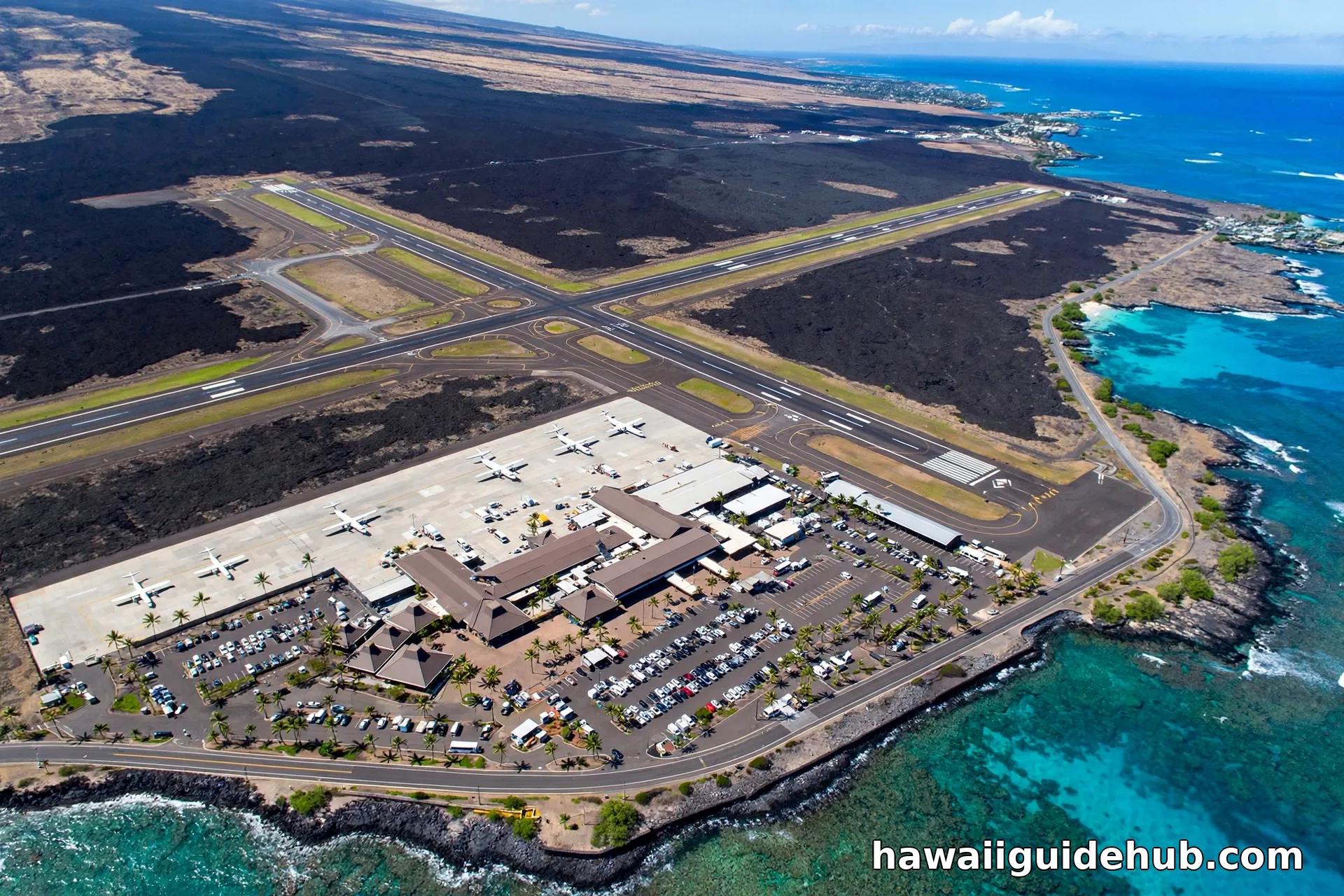
Kona is the primary airport on the Island of Hawaiʻi and the one most visitors use. Its full name honors Ellison Onizuka, the Hawaiʻi-born astronaut lost in the Challenger disaster. The airport sits on the lava fields of Keāhole, about 7 miles northwest of Kailua-Kona, and it is famous for its open-air terminals: you walk across the tarmac, wait for your flight in breezy thatched pavilions, and feel like you have arrived in Hawaiʻi before you even leave the airport.
KOA handles roughly three times the passenger traffic of Hilo, with about 2.02 million boardings in 2024 according to FAA data. That volume means more nonstop options from the US mainland, more interisland connections, and generally more competitive fares. If you are staying anywhere on the west side, from Kailua-Kona up through the Kohala Coast resorts, Kona is your airport.
Hilo International Airport (ITO)
Hilo International serves the windward east side from right in Hilo town, about 2 miles from downtown. It is a smaller, calmer airport, handling about 681,000 boardings in 2024. Most of its traffic is interisland flights to Honolulu and Maui, with a handful of mainland nonstops.
What Hilo lacks in flight options it makes up for in location. It is the gateway to Hawaiʻi Volcanoes National Park (about 45 minutes away), the Hāmākua Coast waterfalls, and the island’s lush eastern half. If your trip centers on the volcano and the east side, flying into Hilo saves you a cross-island drive on arrival day.
Which Airport Should You Fly Into?
Match the airport to your itinerary, not to the fare alone. A slightly cheaper ticket into the wrong airport can cost you half a day of driving.
Fly into Kona (KOA) if you are staying on the west side, which is most first-time visitors. The Kohala Coast resorts, Kailua-Kona town, and the island’s best beaches and snorkeling are all on this side. Kona also has the most flight choices and usually the best fares, so it is the default pick for a classic Big Island beach trip. Our guide to the best things to do in Kona will fill your west side days.
Fly into Hilo (ITO) if your trip centers on the east side: Hawaiʻi Volcanoes National Park, the Hāmākua Coast, Waipiʻo Valley, or the waterfalls. Landing in Hilo puts you 45 minutes from the volcano instead of 2.5 hours, and the airport is minutes from town. See our roundup of things to do in Hawaiʻi Volcanoes National Park for the east side highlights.
Consider an open-jaw ticket (into one airport, out of the other) if you are touring the whole island. It saves you from backtracking across the island on your last day. Just check one-way rental car drop fees first, since they can erase the savings.
Getting Between Kona and Hilo Airports
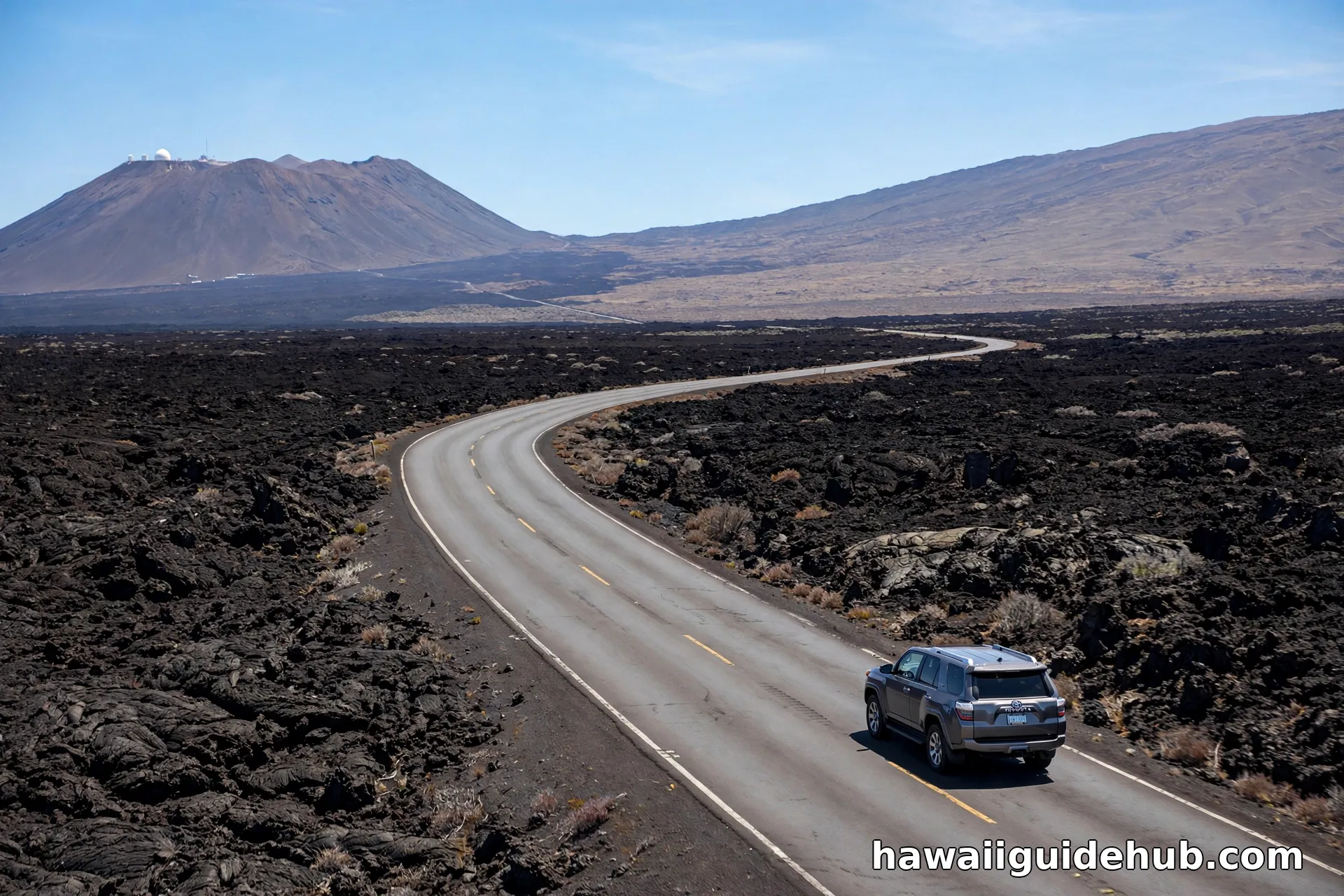
There are no commercial flights between KOA and ITO. You drive. The fastest route is the Daniel K. Inouye Highway, better known as Saddle Road, which cuts straight across the island between Mauna Kea and Mauna Loa. It is about 78 miles airport to airport and takes 1.5 to 2 hours without stops.
Saddle Road used to have a rough reputation, but it is now a modern, well paved highway and the standard cross-island route. Still, check your rental car agreement’s fine print before you go, since some contracts have restrictions on certain roads. The drive itself is spectacular in a stark volcanic way: miles of black lava fields with two giant volcanoes towering on either side.
If you have time, the coastal routes are prettier but much slower. The northern route via Waimea and the Hāmākua Coast runs about 98 miles and takes around 2.5 hours, while the southern route through Kaʻū past the volcano takes about 3 hours. Both are worth doing once as sightseeing drives, just not on a tight airport schedule. The county’s Hele-On bus also runs between the airports for travelers without a car, though schedules are limited, so check times in advance.
Ground Transportation at Each Airport
At Kona (KOA)
Kona’s rental car center sits just off the terminal, and during peak season the shuttle lines can be long, so build in buffer time. Taxis and rideshares queue at the curb outside baggage claim. The drive to Kailua-Kona takes 15 to 20 minutes along Queen Kaʻahumanu Highway, and the Kohala Coast resorts take about 30 to 40 minutes. Many west side hotels and condos run their own airport shuttles, so check with your lodging before you pay for a taxi.
At Hilo (ITO)
Hilo is refreshingly simple. The terminal is small, the rental car counters are steps from baggage claim, and downtown Hilo is about 10 minutes away. Taxis and rideshares are readily available at the curb. If you are heading straight to Hawaiʻi Volcanoes National Park, you will be on Highway 11 south within minutes of leaving the lot, with the park entrance about 45 minutes away.
If you are not renting a car, your options narrow fast on either side. Rideshares and taxis can handle town trips, and some resorts run shuttles, but exploring the island without your own wheels is genuinely limiting. The county’s Hele-On bus connects towns across the island, including an airport to airport route, but service is infrequent and built for locals, not tourists on a schedule. For most visitors, the rental car is not optional. It is the trip.
Island Hopping from KOA and ITO
Both airports connect you to the rest of Hawaiʻi, which matters if the Big Island is one stop on a multi-island trip. Kona has frequent interisland flights to Honolulu, Maui, and Kauaʻi, and the hop to Honolulu takes about 45 to 50 minutes. Hilo’s interisland schedule is thinner but steady, with regular flights to Honolulu and Maui.
A common strategy is to pair the Big Island with Oʻahu or Maui: fly into Honolulu, spend a few days, then hop to Kona or Hilo. When you book, compare the cost of a multi-city ticket against two one-ways, and leave at least 90 minutes between an interisland arrival and a mainland departure. Kona’s open-air layout and Hilo’s small terminal both move at island pace, and security lines can surprise you during the morning bank of departures.

Parking, Costs, and Practical Tips
| Airport parking | Both airports have paid parking lots. Check the official airports.hawaii.gov site for current rates before a long trip. |
| Arrive early | 2 hours before mainland departures, 90 minutes for interisland. Kona’s open-air layout means lines form outdoors. |
| Agricultural inspection | All bags to the US mainland go through USDA inspection. Leave extra time and do not pack fresh fruit. |
| Interisland flights | Honolulu to Kona or Hilo takes about 45 to 50 minutes. Book early for the best fares. |
| Cell service | Reliable at both airports and in towns. Spotty on Saddle Road and in remote areas. |
| Official info | Flight status, parking, and ground transport: airports.hawaii.gov |
Common Mistakes to Avoid
The most expensive mistake is booking by fare alone and landing on the wrong side of the island from your hotel. Always check where you are sleeping before you book flights. A $50 cheaper ticket into Hilo is no bargain if your resort is in Waikōloa.
The second mistake is underestimating Big Island driving. Distances look short on a map and take forever on two lane roads. The Kona to Volcanoes drive is a real 2 to 2.5 hours, and the cross-island drive deserves a full 2 hours with no stops. Do not schedule a 9 AM volcano tour the morning after a late Kona arrival.
The third is skipping the rental car to save money, then spending the trip stranded. On the Big Island more than any other island, the car is the vacation. For help timing your trip around prices, see our guide to the cheapest time of year to visit Hawaii, and our best things to do on the Big Island for planning each side.
Video: Kona Airport Walkthrough
Walk through Kona Airport before you fly: check-in, security, rental cars, rideshare, and baggage claim, explained for first-time visitors.
Frequently Asked Questions
What is the main airport on the Island of Hawaii?
Ellison Onizuka Kona International Airport (KOA) is the primary airport, handling about three times the passengers of Hilo. Most visitors from the US mainland fly into Kona.
Is it better to fly into Kona or Hilo?
It depends on your itinerary. Fly into Kona for the west side beaches and resorts, and into Hilo for Hawaiʻi Volcanoes National Park and the east side. Most first-time visitors choose Kona for the wider choice of flights.
How far is Kona Airport from Hilo Airport?
About 78 miles via the Daniel K. Inouye Highway (Saddle Road), which takes 1.5 to 2 hours to drive. There are no commercial flights between the two airports.
Can you fly directly to the Big Island from the mainland?
Yes. Kona has many nonstop flights from the US mainland, and Hilo has a few. You can also connect through Honolulu, which takes about 45 to 50 minutes to either Big Island airport.
Do I need a rental car on the Big Island?
Yes, for almost every itinerary. The island is large, attractions are spread out, and public transit is limited. Book early, especially in peak season.
Which airport is closer to Hawaiʻi Volcanoes National Park?
Hilo (ITO) is much closer: about 45 minutes to the park entrance, versus 2 to 2.5 hours from Kona (KOA).
Can I fly between Kona and Hilo?
No. There are no scheduled commercial flights between the two airports. The drive via Saddle Road takes 1.5 to 2 hours, and the county bus runs between them on a limited schedule.
Is there public transportation from the airports?
The county Hele-On bus serves both airports with limited schedules. It works for budget travelers with flexible plans, but most visitors will find a rental car far more practical for exploring the island.
Choosing between the airports on the Island of Hawaii comes down to one question: where are you spending your time? West side beaches and resorts mean Kona. Volcanoes and waterfalls mean Hilo. Touring the whole island means considering an open-jaw ticket and the unforgettable drive between the two. Get the airport right, rent the car early, and the Big Island opens up exactly the way it should.