KOA Hawaii: The Complete Guide to Kona International Airport

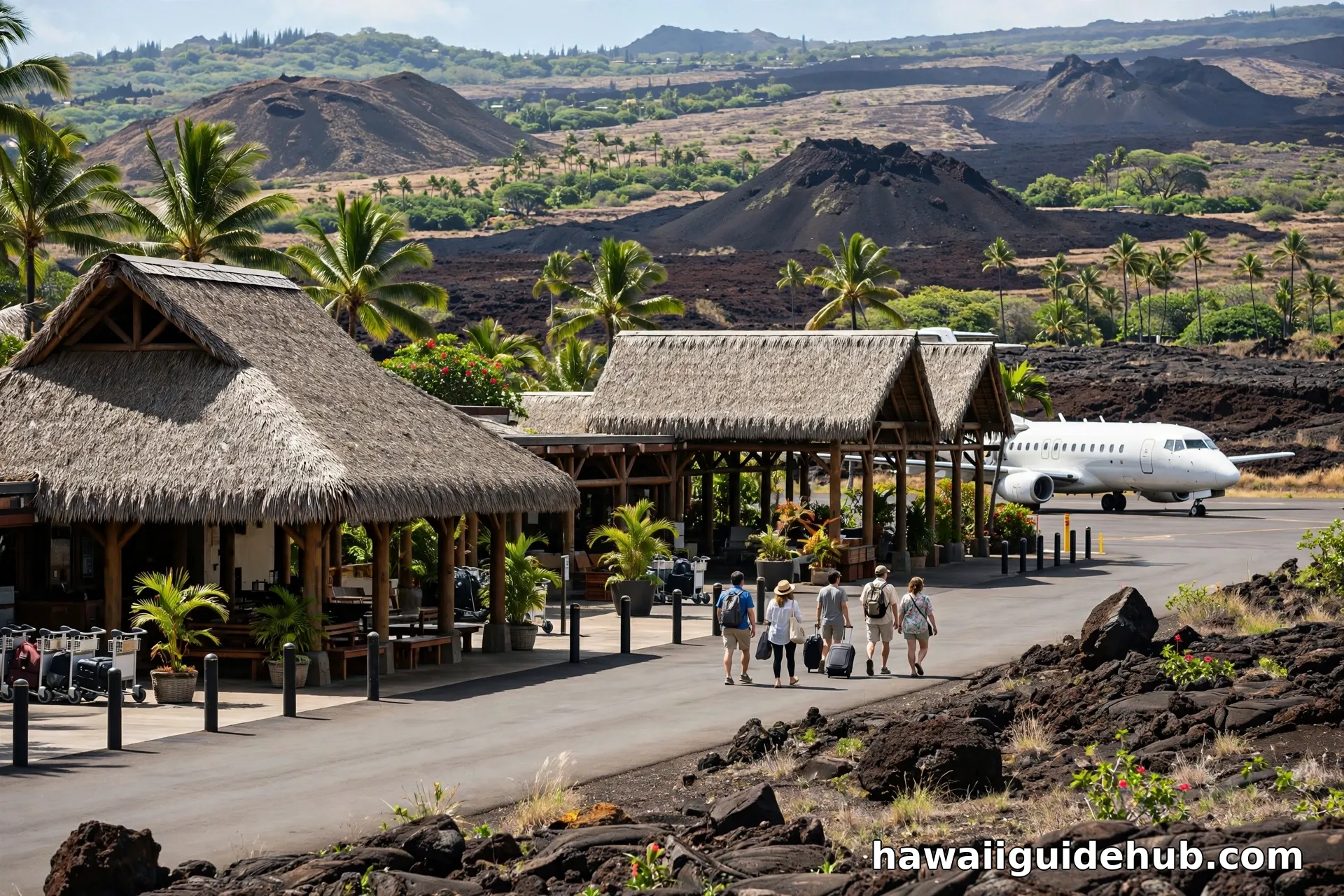
KOA is the airport code for Ellison Onizuka Kona International Airport at Keāhole, the main gateway to the Big Island of Hawaii. If your flight search shows KOA, you are flying into the sunny Kona coast on the island’s west side, about seven miles north of Kailua-Kona town. This is the single complete guide to KOA Hawaii: what the code means, the airport’s full name and history, which airlines fly here, the open-air terminals, rental cars and ground transport, and how KOA compares to the island’s other airport in Hilo.
KOA Hawaii at a Glance
| Need to know | The detail |
|---|---|
| Where you’ll land | About 7 miles northwest of Kailua-Kona, on the island of Hawaiʻi |
| What it’s called | Ellison Onizuka Kona International Airport at Keāhole (KOA / PHKO) |
| What to expect | Open-air terminals with no jet bridges; an 11,000-foot runway handling wide-body jets |
| Which side it serves | The leeward west: Kona, Kohala, Waikoloa (Hilo’s ITO serves the east side) |
What Does KOA Stand For?
KOA is simply the three-letter IATA code assigned to Kona’s airport, the same way LAX means Los Angeles and HNL means Honolulu. The airport’s full official name is much longer: Ellison Onizuka Kona International Airport at Keāhole. It honors Ellison Onizuka, the NASA astronaut from Kona who died in the 1986 Challenger disaster, and Keāhole, the place name for the lava point where the airport was built. Most travelers just say “Kona airport” and everyone understands.
The airport opened on July 1, 1970, replacing the old Kona airport closer to town, and it has grown into the primary airport for the island of Hawaiʻi, handling over four million passengers a year. If you are also writing about the island itself, our guide to the best things to do on the Big Island is the natural next read once you land.
The Open-Air Terminals: What to Expect on Arrival
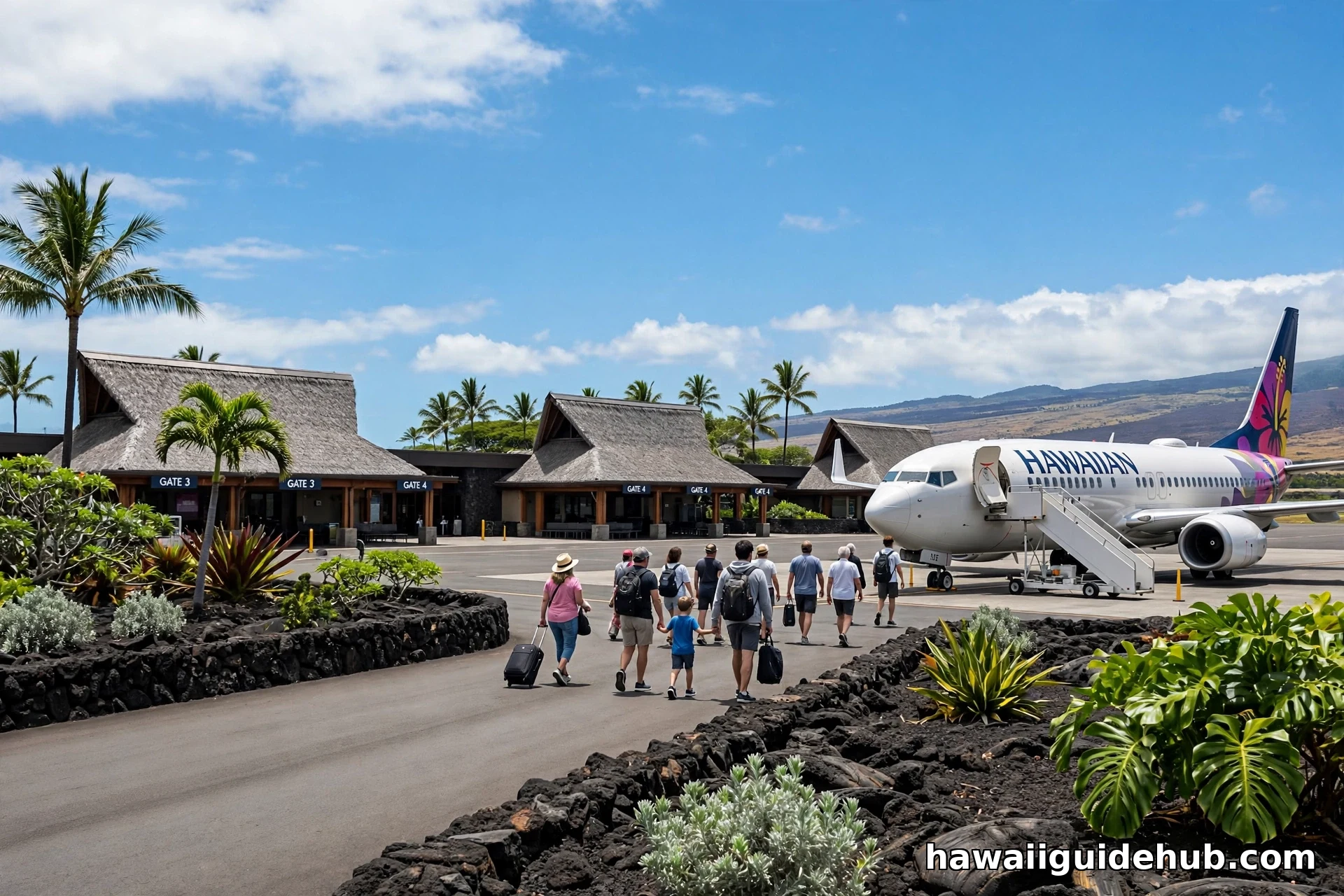
KOA is one of the last major airports in the world without jet bridges, and that is a feature, not a bug. You deplane onto the tarmac and walk to open-air terminals with thatched roofs, tropical landscaping, and trade winds instead of air conditioning. After a long flight, stepping straight into warm Hawaiian air is one of the great arrival moments in American travel.
The tradeoff is weather exposure. When Kona gets one of its occasional downpours, you will get wet between the plane and the terminal, so keep a light rain jacket in your personal item rather than buried in checked luggage. The terminals themselves are small and easy to navigate: baggage claim, rental car counters, and ground transport all sit within a short walk. Give yourself the standard two hours before departure anyway, since the TSA lines can bunch up when several mainland flights leave in the same window.
Airlines and Nonstop Destinations from KOA
KOA is served by Hawaiian Airlines, Southwest, United, Alaska, American, Delta, Air Canada, WestJet, and Mokulele for interisland hops. Nonstop mainland destinations include Los Angeles, San Francisco, San Jose, Oakland, Sacramento, San Diego, Las Vegas, Phoenix, Seattle, Portland, Denver, Anchorage, and Chicago, plus Vancouver and Calgary in Canada and Tokyo Narita in Japan. Interisland nonstops connect to Honolulu, Kahului on Maui, and Līhuʻe on Kauaʻi, plus tiny Waimea-Kohala on the island’s north end.
Routes change seasonally, and not every destination runs daily, so verify your specific dates when booking. As a rule, the deepest fare sales appear on the most competitive routes, Los Angeles and the Bay Area, while the single daily flights to places like Chicago price higher. Booking two to four months ahead usually finds the best balance of price and schedule choice.
How Long Is the Flight to KOA?
| West Coast nonstops | |
| Los Angeles (LAX) | About 5.5 hours |
| San Francisco (SFO) | About 5 hours |
| Seattle (SEA) | About 5.5 hours |
| Mainland beyond | |
| Denver (DEN) | About 6.5 hours |
| Chicago (ORD) | About 8.5 hours |
| Pacific and interisland | |
| Tokyo Narita (NRT) | About 7.5 hours |
| Honolulu (HNL) | About 50 minutes |
West Coast flights are the sweet spot: morning departures that land by early afternoon, leaving you half a beach day on arrival day. East Coast and Midwest itineraries usually connect through a West Coast city or Honolulu, making for a long travel day. Hawaii does not observe daylight saving time, so the time difference shifts by an hour between summer and winter against most mainland zones. Overnight eastbound red-eyes are common on the return, which is worth knowing when you book your last hotel night.
Parking and Accessibility at KOA
Public parking sits in lots off the terminal loop road, and the airport moved to a ticketless system in 2026: registered drivers simply drive in and out with automatic payment, while others can still pay with a card or cash to an attendant. Beginning in 2026, travelers can also reserve parking in advance, which is worth doing over holiday periods when the lots fill. Rates are modest by mainland airport standards, but multi-day trip parking still adds up, so price it against a taxi or hotel shuttle if someone local can drop you off.
For travelers with disabilities, the compact layout is genuinely helpful: distances are short and the single-level flow avoids elevators and long concourses. Wheelchair assistance is available through your airline if requested in advance, and accessible parking sits closest to the terminals. Service animals follow standard federal rules. If heat is a concern, note the open-air design means waiting areas are warm; carry water and plan shade breaks between the curb and the gate.
Common Mistakes Travelers Make at KOA
The classic mistake is booking KOA when the trip centers on the east side. If your itinerary is all volcanoes and waterfalls, Hilo (ITO) saves you a four-hour round trip of driving. The reverse mistake is flying into Hilo for a Kona resort stay. Always match the airport to where you sleep most nights.
The second mistake is skipping the advance rental car booking. KOA’s rental fleets are finite, the Big Island has no real transit alternative, and peak-season sellouts leave travelers stranded or paying walk-up rates. The third is underestimating interisland connection times: leave at least two hours between a mainland arrival and an interisland departure, since you will change terminals and re-clear agriculture screening with checked bags.
Finally, do not try to carry fresh island fruit home in your luggage. USDA inspectors at KOA screen every mainland-bound bag, and unsealed produce gets confiscated at the checkpoint. Buy the sealed, certified gift packs if you want pineapple for the folks back home.
KOA vs Hilo: Which Big Island Airport Should You Choose?
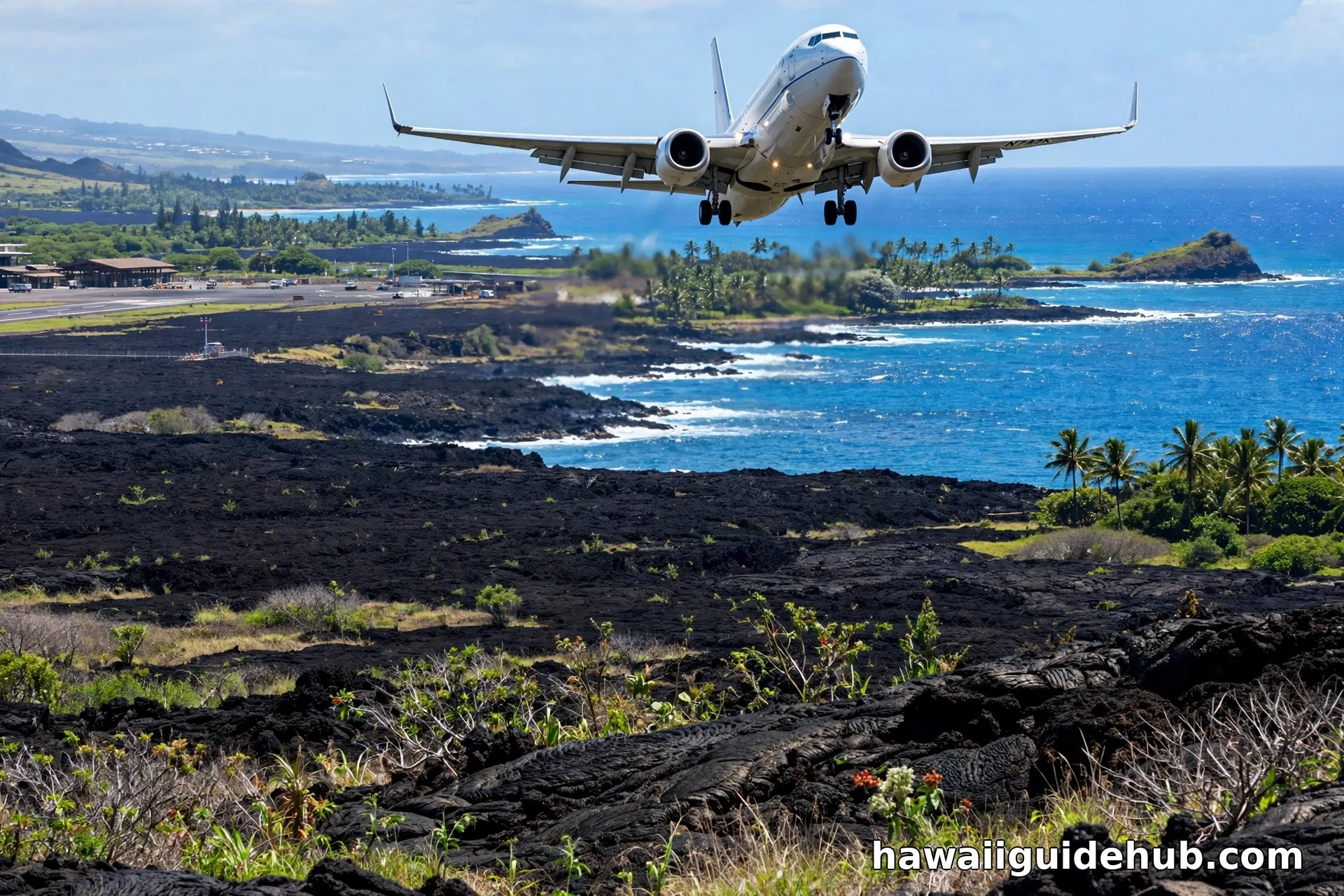
The Big Island has two airports, and choosing wrong can cost you hours. KOA on the west side serves the sunny Kona and Kohala coasts, where most resorts, beaches, and snorkeling sit. Hilo International Airport (ITO) on the east side serves the lush windward coast and is the closer airport to Hawaiʻi Volcanoes National Park. The two airports are about a two-hour drive apart across the island.
Fly into KOA if you are staying in Kailua-Kona, Waikoloa, or the Kohala resorts, which describes most first-time visitors. Fly into Hilo if the volcanoes are your priority or you are staying on the east side. Some travelers fly into one and out of the other to avoid backtracking, which works well on trips of a week or more. Just remember that one-way rental car fees can apply, so price the whole itinerary before committing.
Getting from KOA to Where You Are Going
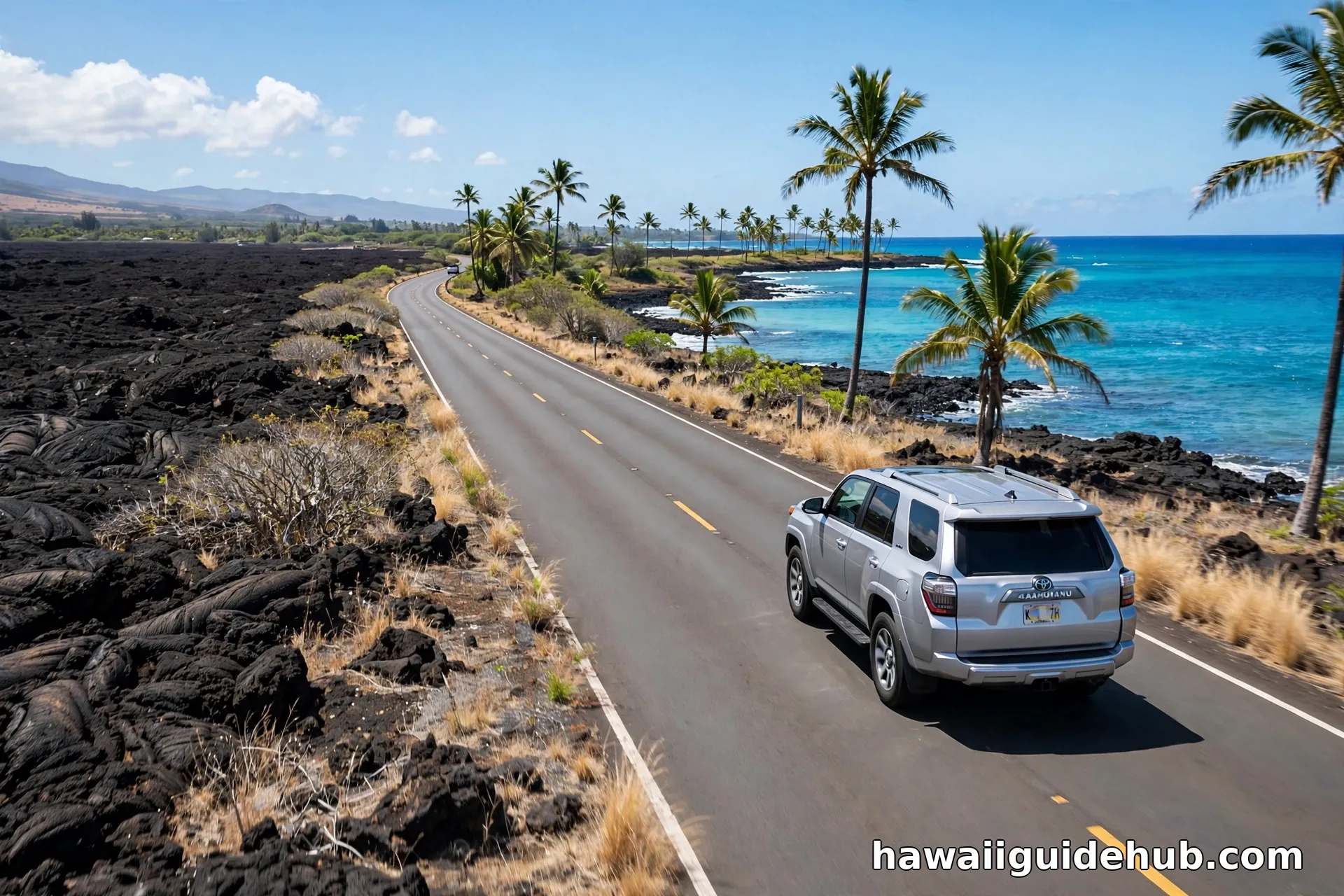
A rental car is effectively required. Kailua-Kona is about 20 minutes south of the airport, Waikoloa about 30 minutes north, and the Kohala resorts about 40 minutes north, all via the Queen Kaʻahumanu Highway. Rental counters sit right at the terminals, but book ahead: walk-up rates are the most expensive, and the Big Island sells out of cars in peak season. See our Kona things to do guide and Waikoloa guide to plan your first days.
Taxis and rideshares serve the airport but are expensive for longer distances and thin outside Kailua-Kona. The county Hele-On bus runs very limited service between the airport and town, fine for backpackers with time, impractical for most visitors. Hotel shuttles exist for some Kohala resorts; confirm with your property. The airport added a ticketless parking system in 2026, so drivers picking up arrivals should expect a smoother in-and-out than in past years.
Practical Tips for Flying Through KOA
Arrive two hours before mainland departures; the airport is small but security lines spike. Food options past security are limited compared to big mainland airports, so eat before you come or pack snacks. The open-air design means sunscreen matters even at the gate. Agricultural inspection applies when leaving Hawaii for the mainland: your checked and carry-on bags go through USDA screening for fresh produce, so do not pack fresh fruit to take home unless it is certified and sealed.
If you have a late departure, most Kona coast hotels offer day-use or luggage hold options, and the manta ray night snorkel in Keauhou runs in the evening, making it a perfect last-night activity before a red-eye. Our manta ray snorkel guide explains why it is the island’s signature after-dark experience.
Video: Tour of Kona International Airport
A walkthrough of KOA’s open-air terminals and what arriving and departing looks like.
Frequently Asked Questions About KOA Hawaii
What airport is KOA?
KOA is Ellison Onizuka Kona International Airport at Keāhole, serving the Kona coast on the west side of the Big Island of Hawaii. It is the island’s primary airport.
How far is KOA from Kailua-Kona?
About seven miles, roughly a 20-minute drive south on the Queen Kaʻahumanu Highway. Waikoloa is about 30 minutes north, and the Kohala resorts about 40 minutes north.
Should I fly into Kona or Hilo?
Fly into Kona (KOA) for the sunny west side resorts, beaches, and snorkeling. Fly into Hilo (ITO) for Hawaiʻi Volcanoes National Park and the lush east side. They are about two hours apart by car.
Does Kona airport have jet bridges?
No. KOA uses open-air terminals and passengers walk across the tarmac to board. It is part of the airport’s charm, but keep rain gear handy in wet weather.
Do I need a rental car at KOA?
Effectively yes. Public transit is minimal and rideshares are thin outside Kailua-Kona. Book your rental car well before your trip, especially in peak season.
Can I bring fruit home from Kona airport?
Only certified, sealed produce passes USDA agricultural inspection for mainland-bound flights. Fresh fruit bought at markets will be confiscated at screening, so enjoy it on the island.
How early should I arrive at KOA?
Two hours before mainland departures and 90 minutes before interisland flights. The airport is small, but security lines bunch up when several departures cluster together, and agricultural screening adds a step on the way home.
Is there Wi-Fi and food at Kona airport?
Yes, free Wi-Fi is available throughout the terminals. Food options are limited compared to large mainland airports, with a handful of cafes and snack shops, so eat before you arrive for longer layovers.
What airlines fly nonstop to Kona from the mainland?
Hawaiian, Southwest, United, Alaska, American, and Delta all operate mainland nonstops to KOA, joined seasonally by Air Canada and WestJet from Canada. Southwest and Hawaiian typically offer the most frequency from the West Coast.
KOA Hawaii is more than an airport code. It is the front door to the Big Island’s sunny side, and its open-air terminals set the tone for the whole trip before you even reach baggage claim. Know which side of the island you are headed to, match the airport to your hotel, book the rental car early, and give the Kona sun a few minutes to work on you before you drive off. The island does the rest.