Vog in Hawaii: What Volcanic Smog Is and How It Affects Visitors

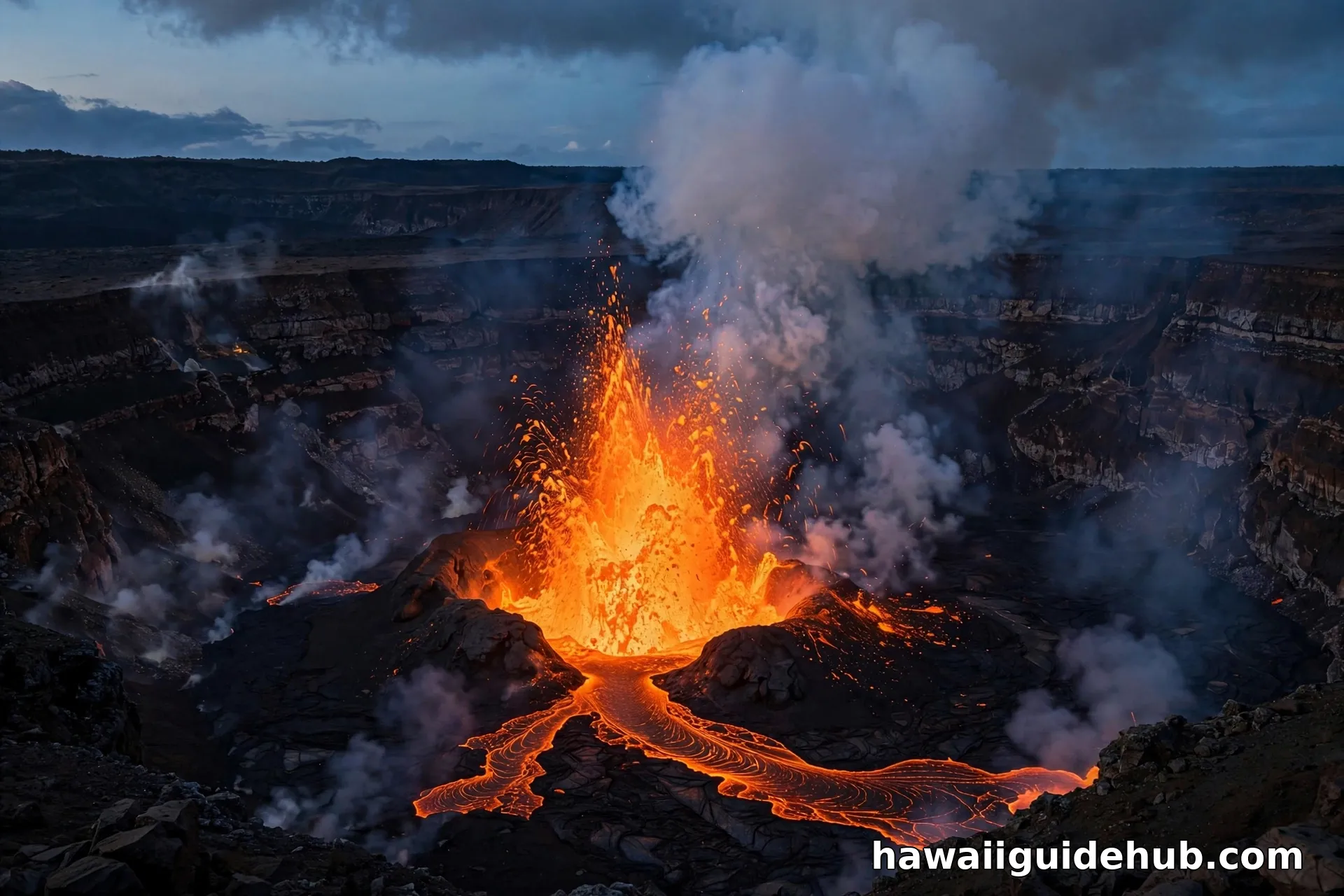
Vog is Hawaii’s own form of air pollution, and if you visit the Big Island you will likely hear about it before you see it. Short for volcanic smog, vog forms when sulfur dioxide gas from Kilauea volcano reacts with sunlight, oxygen, and moisture in the air. On some days it is invisible. On others it hangs over the Kona coast like a gray-blue haze and leaves a faint sulfur smell in the air. If you have been searching for anything about vog in Hawaii, this is the one complete guide you need: what it is, where it goes, who it affects, and how to protect yourself.
Kilauea, on the Island of Hawaii, is one of the most active volcanoes on Earth, and its eruptions have released volcanic gas in varying amounts for decades. Vog levels rise and fall with both the volcano’s activity and the wind. The Hawaii Department of Health tracks it continuously and publishes guidance for residents and visitors, and this guide is built on that official advice.
Vog at a Glance
| Vog fact | The detail | Play it safe |
|---|---|---|
| What it is | Volcanic smog: sulfur dioxide gas plus sulfate aerosols from Kīlauea | Don’t confuse it with ordinary haze |
| Source | Kīlauea volcano on the Island of Hawaiʻi | It rises and falls with the volcano’s activity and the wind |
| Where it goes | Depends on wind; often the Kona (west) side of the Big Island, sometimes other islands | Check conditions, not just the forecast |
| Health effects | Eye, nose, and throat irritation; wheezing, chest tightness, shortness of breath | Take symptoms seriously and head indoors |
| Most at risk | People with asthma or chronic lung or heart disease, children, the elderly, pregnant women | If that’s you, plan indoor alternatives |
| Key protection | Reduce outdoor exertion, stay indoors with AC on recirculate, keep medications on hand | Recirculate, don’t ventilate |
| Masks | Do not protect against sulfur dioxide; help only against ash and Pele’s hair particles | Skip the mask aisle for vog |
| Official info | Hawaii Interagency Vog Information Dashboard at ivhhn.org/vog; DOH Clean Air Branch | Bookmark it before your trip |
What Vog Is and How It Forms
Vog is a cocktail of gases and tiny particles. The main ingredient is sulfur dioxide, a colorless gas with the sharp smell of burning sulfur that pours from Kilauea’s vents during eruptions. Once in the atmosphere, sulfur dioxide reacts with oxygen, sunlight, and water vapor to form sulfate aerosols, fine particles that scatter light and create the visible haze. That is why vog looks like smog and behaves a bit like it, though its source is a volcano rather than traffic.
Two things control how bad vog gets on any given day: how much gas the volcano is emitting, and where the wind takes it. When the trade winds blow steadily from the northeast, they push vog southwest, away from most populated areas, and the air stays clear. When the winds weaken, shift southerly, or stall, vog can pool over the Kona coast and South Hawaii, and on rare occasions drift to Maui, Oahu, or Kauai. This is why vog is famously unpredictable from one week to the next.
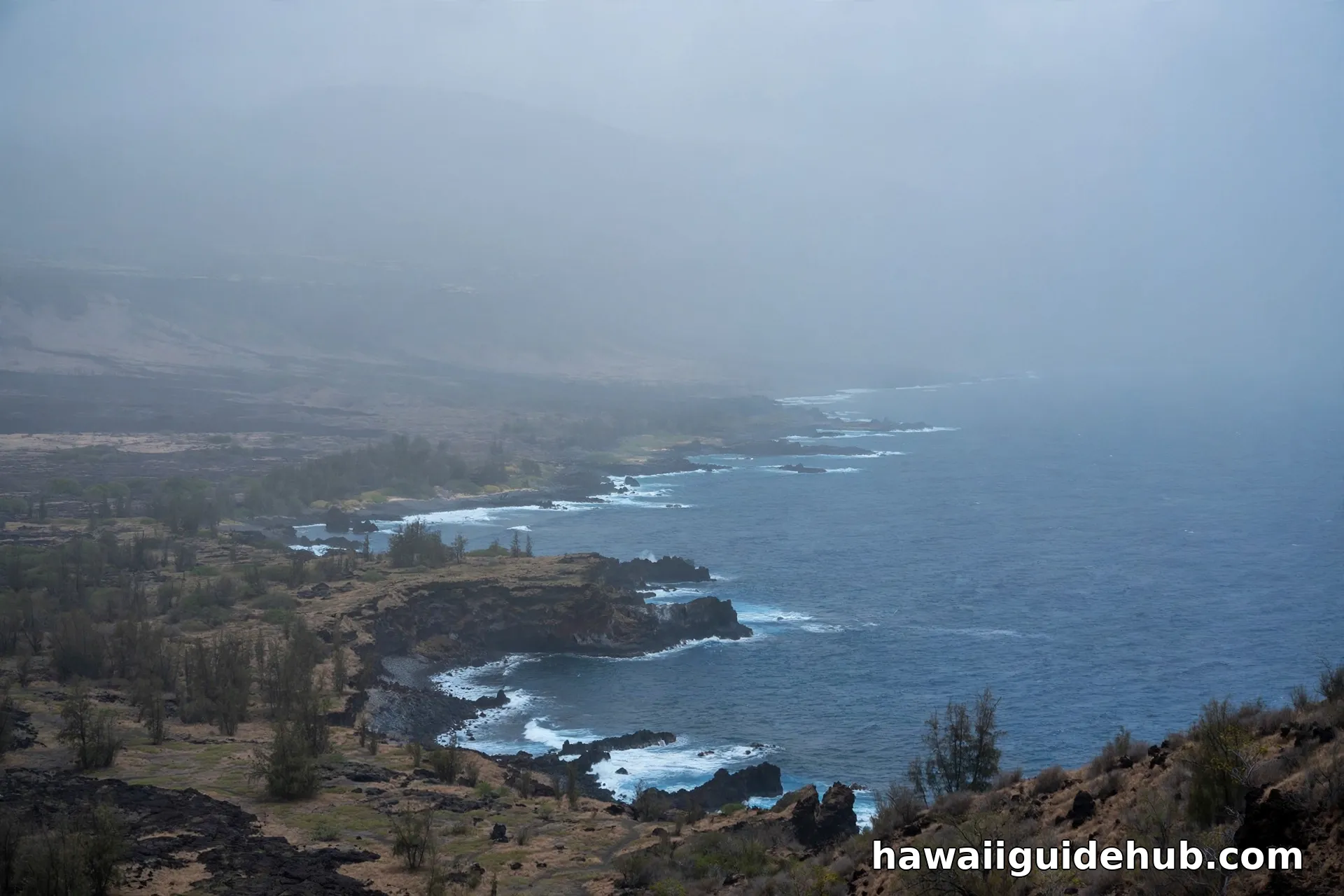
What does vog actually look and feel like? From a distance it resembles an ordinary haze, softening the horizon and muting the blue of the ocean. Up close, sensitive people notice it first in the nose and throat: a faint sharpness in the air, sometimes with the unmistakable tang of sulfur. Visibility drops, distant ridgelines fade, and sunsets turn an intense orange-red as the particles scatter the light. None of this means the air is an emergency, but it is your cue to ease off on exertion and check the dashboard.
Where Vog Affects Visitors
The Big Island feels vog most. Communities on the west (Kona) side sit downwind of Kilauea under the most common wind patterns that trap vog, and the area around Hawaii Volcanoes National Park itself has the highest gas concentrations. Visitors staying in Kailua-Kona, Waikoloa, or Volcano Village are the most likely to notice it: a haze on the horizon, reduced visibility of the ocean, or a faint rotten egg smell.
The other islands are affected far less often and less severely. When vog does travel, it usually reaches Maui first, then occasionally Oahu and Kauai as a thin haze. By the time it crosses the channels, concentrations are much lower than on the Big Island. If you are splitting your trip between islands and vog is heavy on Hawaii Island, days on Maui or Oahu will typically have noticeably clearer air. Our guides to the best things to do on the Big Island and things to do in Kona can help you plan flexible itineraries around conditions.
How Vog Affects Your Health
For most healthy visitors, vog is an annoyance rather than a danger: itchy eyes, a scratchy throat, a mild headache, or a cough that clears when you move to cleaner air. Sulfur dioxide is an irritant gas, and the Hawaii Department of Health explains that it takes moderate activity with mouth breathing, like a brisk walk, for it to cause problems in healthy people. At very high concentrations near the vents, even healthy people can develop wheezing and chest tightness.
The people who need to take vog seriously are those with asthma, bronchitis, emphysema, or chronic heart or lung disease. In people with asthma, sulfur dioxide can narrow the airways quickly, causing wheezing, chest tightness, and shortness of breath that worsens as either the gas level or the breathing rate rises. Children, infants, the elderly, pregnant women, and anyone who works or exercises hard outdoors are also more sensitive. If you fall into any of these groups, talk to your doctor before your trip and bring all medications with you.
How to Protect Yourself During Vog Episodes
The Hawaii Department of Health’s advice for voggy conditions is practical and worth following exactly. First, reduce outdoor activities that cause heavy breathing. Skip the long run or the strenuous hike on heavy vog days and choose indoor or low exertion plans instead. This single step does more than anything else to cut your exposure.
Stay indoors with windows and doors closed, and if you run the air conditioner, set it to recirculate so it is not pulling outside air in. The same applies in a rental car: recirculate the AC when driving through voggy areas. Keep prescribed medications, especially asthma inhalers, with you at all times and take daily medications on schedule. Do not smoke, and avoid secondhand smoke, which compounds the irritation. Drink plenty of fluids.
About masks: the Department of Health is clear that surgical, cloth, and even N95 masks do not protect against sulfur dioxide gas. They can help against particles from falling ash and Pele’s hair, the thin strands of volcanic glass that sometimes drift downwind during fountaining episodes, but they do not filter the gas itself. If you see ash or Pele’s hair falling, an N95 helps with cleanup, but for vog gas the answer is less exposure, not a mask.
Checking Vog Conditions Before and During Your Trip
You do not have to guess about vog. The Hawaii Interagency Vog Information Dashboard, a partnership of the International Volcanic Health Hazard Network with county, state, and federal agencies, publishes vog forecasts, wind forecasts, air quality data, and health guidance in one place. The Department of Health’s Clean Air Branch posts current air quality measurements online, and the U.S. Geological Survey’s Hawaiian Volcano Observatory publishes daily Kilauea updates.
Check the dashboard when you plan Big Island days, and glance at it again each morning. Vog changes with the wind, so a hazy Kona coast on Tuesday can be crystal clear on Wednesday. Hotel staff on the west side of the Big Island also tend to know the current situation and can suggest which side of the island has the cleanest air on a given day.
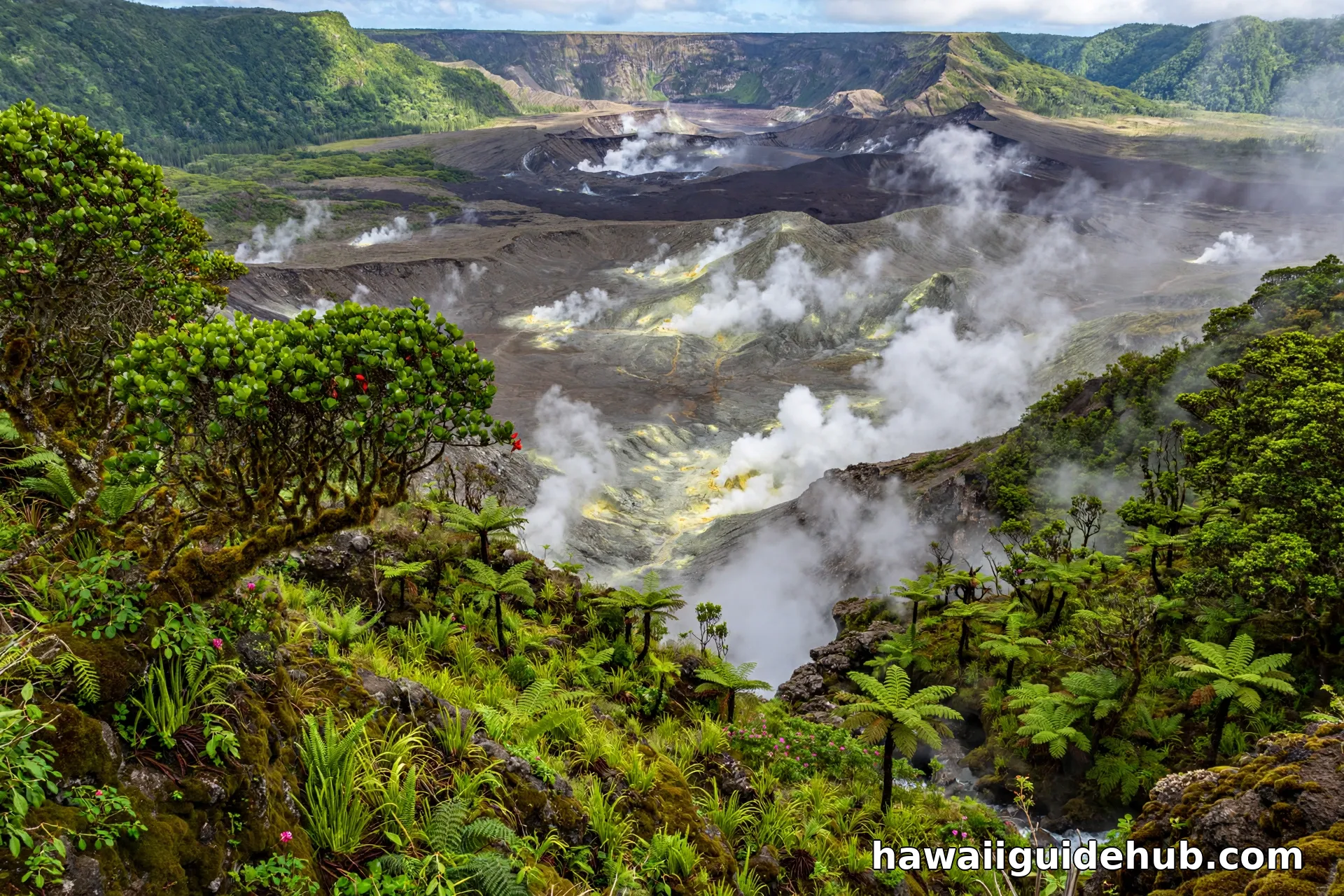
Vog and Outdoor Activities: What to Adjust
Vog rarely ruins a trip, but it rewards flexible planning. On heavy vog days, move strenuous activities like long hikes, bike rides, and ocean swims with heavy exertion to clearer days or clearer parts of the island. Hawaii Volcanoes National Park is the epicenter of vog, so if the park is socked in, that is a good day for the Hamakua coast, Waimea, or the Kohala side instead.
Snorkeling and diving deserve a mention because people assume vog only matters on land. It does not directly contaminate the water you swim in, but heavy exertion while breathing hard in voggy air before or after a swim can still irritate sensitive airways. Take it easier on hazy days and you will be fine. For activity ideas that work in any air, see our guide to the best things to do in Hawaii Volcanoes National Park, which notes how to time your visit.
Traveling to Hawaii with Asthma or Lung Conditions
If you have asthma or another chronic respiratory condition, Hawaii is still very much worth visiting, with preparation. Bring a full supply of all medications in your carry-on, not checked luggage, plus a written asthma action plan from your doctor. Know where the nearest urgent care clinic is to your lodging before you need it. Consider travel insurance that covers medical care, and consider basing more of your trip on islands upwind of the Big Island if your doctor advises caution.
Watch yourself the way you would watch a weather forecast. If you develop wheezing, chest tightness, or shortness of breath in voggy air, move indoors to filtered air, use your rescue medication as prescribed, and contact your medical provider promptly. The Department of Health warns that respiratory symptoms can worsen rapidly in heavy sulfur dioxide, so do not wait to see if it passes.

Video: Vog in Hawaii Explained
The Center for the Study of Active Volcanoes explains what vog is, where it goes, and how it affects health.
Frequently Asked Questions
What is vog in Hawaii?
Vog is volcanic smog: sulfur dioxide gas from Kilauea volcano that reacts with sunlight, oxygen, and moisture to form a hazy mix of gas and fine particles. It can look like a gray-blue haze and sometimes carries a sulfur smell.
Is vog dangerous for tourists?
For most healthy visitors, vog causes only mild irritation of the eyes, nose, and throat. It is more serious for people with asthma or chronic lung or heart disease, children, the elderly, and pregnant women, who should reduce exertion and keep medications handy during voggy conditions.
Where is vog worst in Hawaii?
On the Big Island, especially the Kona (west) side and around Hawaii Volcanoes National Park. It depends on the wind. The other islands see vog much less often and at lower concentrations.
Do face masks help against vog?
No. The Hawaii Department of Health states that surgical, cloth, and N95 masks do not protect against sulfur dioxide gas. They help only against particles from ash or Pele’s hair. Reducing outdoor exertion and staying in recirculated indoor air are the effective protections.
How do I check current vog conditions?
Use the Hawaii Interagency Vog Information Dashboard (ivhhn.org/vog) for forecasts and health guidance, the Department of Health Clean Air Branch for air quality data, and USGS Hawaiian Volcano Observatory updates for eruption activity.
Can vog ruin a Hawaii vacation?
Rarely. Vog comes and goes with the wind, so hazy days are usually followed by clear ones. Flexible planning, checking the dashboard each morning, and shifting strenuous activities to clearer days or island areas keeps vog from spoiling a trip.
Does vog affect flights to Hawaii?
Almost never. Vog stays in the lower atmosphere and does not reach cruising altitude, so interisland and mainland flights operate normally during vog episodes. Very rarely, dense volcanic ash near an erupting vent can affect local airspace, but that is ash, not vog, and airlines and the Federal Aviation Administration manage it with temporary advisories. Do not change flight plans over vog.
Vog is part of what makes Hawaii, Hawaii: a living volcanic island chain where the earth is still building new land. A little knowledge turns it from a worry into a manageable part of the trip. Check the dashboard, respect what your lungs tell you, keep exertion moderate on hazy days, and enjoy the Big Island’s extraordinary landscapes, from the volcanoes national park to the island’s varied weather, with confidence.