Which Island Is Kihei On?

Kihei is on Maui. If that is all you came to find out, you have your answer: the town of Kihei sits on the southwest coast of Maui, Hawaiʻi’s second-largest island, about a 25-minute drive south of Kahului Airport. But Kihei is worth more than a one-line answer. It is South Maui’s liveliest beach town, a sunny, laid-back strip of condos, food trucks, and some of the island’s most swimmable beaches, and this guide covers everything about it.
This is the complete guide to Kihei, Maui. It covers exactly where Kihei is on the island and how to get there, the town’s beaches from the Kamaole parks to hidden Charley Young, what to do beyond the sand, where to stay, where to eat, the best day trips, and answers to the questions visitors ask most. Everything about Kihei lives here on this one page.
Kihei at a Glance
| The question | The answer | What it means for your stay |
|---|---|---|
| Which island | Maui, Hawaiʻi; southwest (leeward) coast along South Kihei Road | Fly into Kahului Airport (OGG), about 25 minutes north |
| The neighbors | Māʻalaea to the north, Wailea and Mākena to the south | Wailea’s resorts are next door when you want a splurge dinner |
| The vibe | Sunny weather, swimmable beaches, condos, food trucks, sunsets | A beach town, not a resort zone |
| The beaches | Kamaole I, II, and III; Keawakapu; Charley Young | The Kams are the starter pack; walk all three in one morning |
| The climate | Leeward and dry, among the sunniest spots on Maui | Expect sun nearly every day; this is why the beaches work |
| Good for | Families, beach days, snorkelers, and value-conscious travelers | Your dollar goes further here than in Wailea |
| Not ideal for | Travelers wanting luxury resorts (that is Wailea) or nightlife (that is Lahaina) | Do not book Kīhei expecting Wailea; book Wailea |
The Short Answer: Kihei Is on Maui’s Southwest Coast
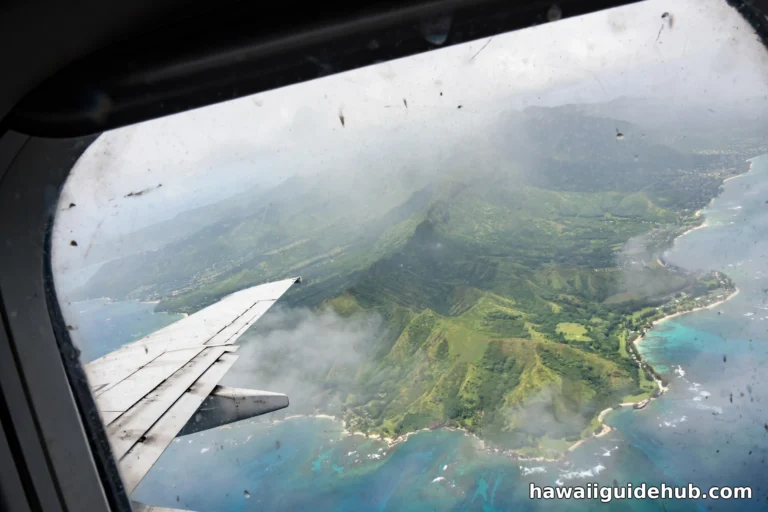
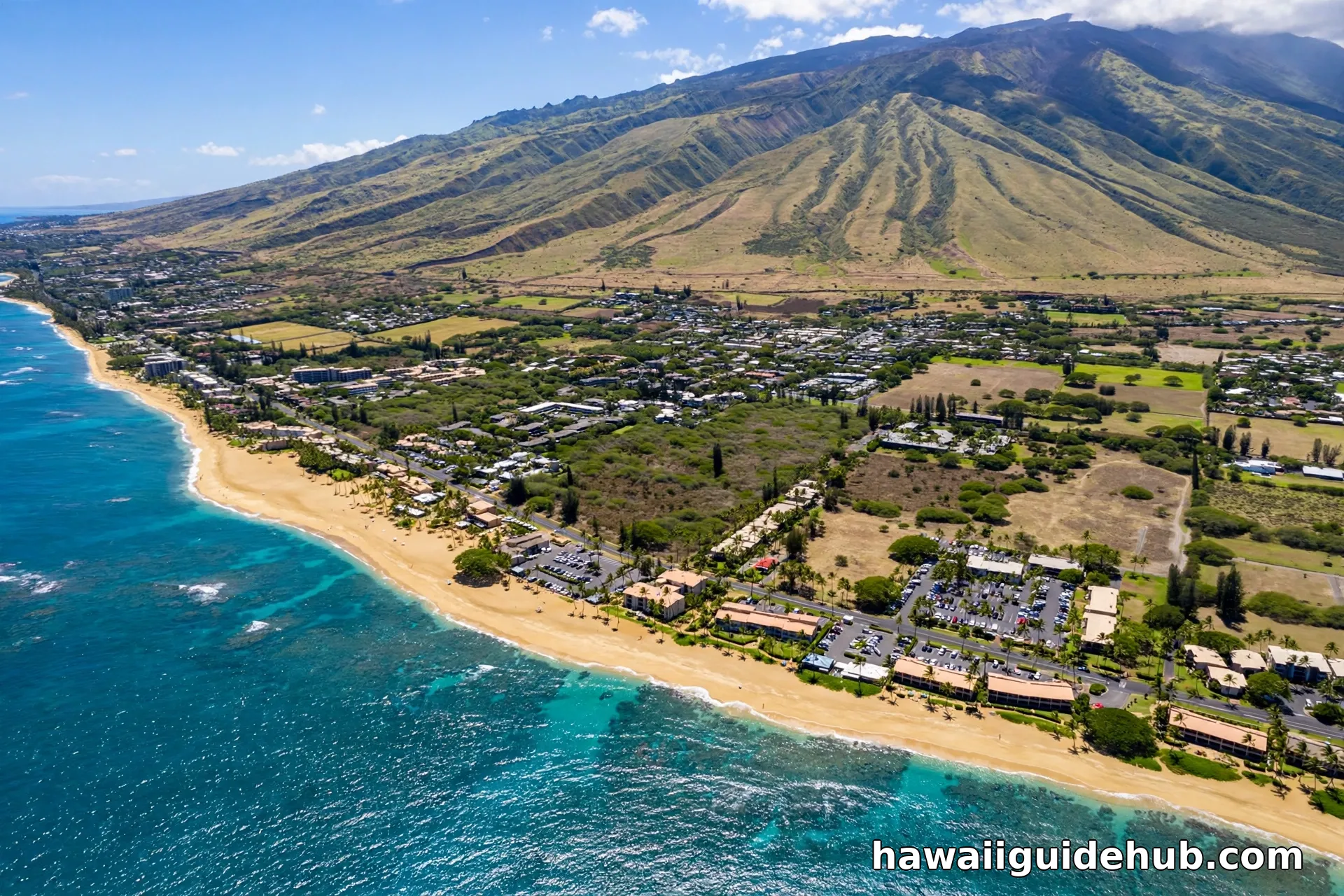
Maui is the island, and Kihei is one of its main towns. The island of Maui sits in Maui County between Oʻahu to the northwest and the Big Island to the southeast. Kihei occupies a long stretch of the island’s leeward southwest shoreline, the dry, sunny side sheltered from the trade winds by Haleakalā volcano. South Kihei Road runs the length of town, with beaches on the ocean side and condos, shops, and restaurants on the inland side. To the north, Kihei blends into Māʻalaea, home to the harbor where Lānaʻi ferries depart; to the south, it gives way to Wailea’s manicured resorts and then Makena’s wilder coastline.
Getting there is easy. From Kahului Airport, take Highway 311 south through Kahului and follow the signs for Kihei; the drive takes about 25 minutes without traffic. The town is also a convenient base for the whole island: Haleakalā’s summit is about 90 minutes away, Lahaina and Kāʻanapali about 45, and the Road to Hana is a full-day commitment from anywhere. If you are deciding between Maui’s regions, our Wailea guide covers Kihei’s upscale neighbor to the south.
A Brief History of Kihei
Kihei was not always a beach town. For most of its history it was a quiet fishing and farming village on a dry, dusty coast, far less developed than Lahaina or Wailuku. Sugarcane fields stretched across the central valley, and the shoreline was the domain of fishermen and limu gatherers. The transformation came in the 1970s and 1980s, when developers discovered South Maui’s sunshine and built the condo complexes that define Kihei today. The town grew fast, sometimes faster than its roads and water systems, and longtime residents still debate the pace of it. What survived the boom is the town’s essential character: unpretentious, local, and oriented toward the water. Unlike Wailea, which was master-planned as a resort destination, Kihei grew organically, and it still feels like a place where people live, not just visit.
Kihei Weather and the Best Time to Visit
Kihei sits in the rain shadow of Haleakalā, which makes it one of the driest towns in Hawaiʻi. Expect sunshine, temperatures in the 75 to 88 degree range most of the year, and brief passing showers at most. Mornings are typically calm; the trade-wind breeze picks up in the afternoon, which is why savvy beachgoers claim their sand early. Ocean temperatures hover in the mid-70s to low 80s. Winter, from December through April, brings humpback whales to the channel offshore: you can often spot their blows and breaches from the beach without any boat. Summer brings warmer water and the occasional south swell that perks up the surf at spots like Cove Park. There is no bad month in Kihei, but whale season adds a magic that is hard to beat.
Kihei’s Beaches
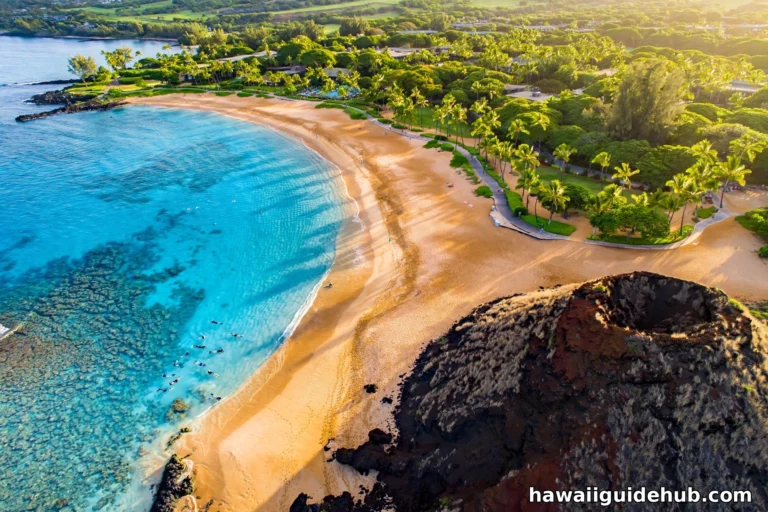
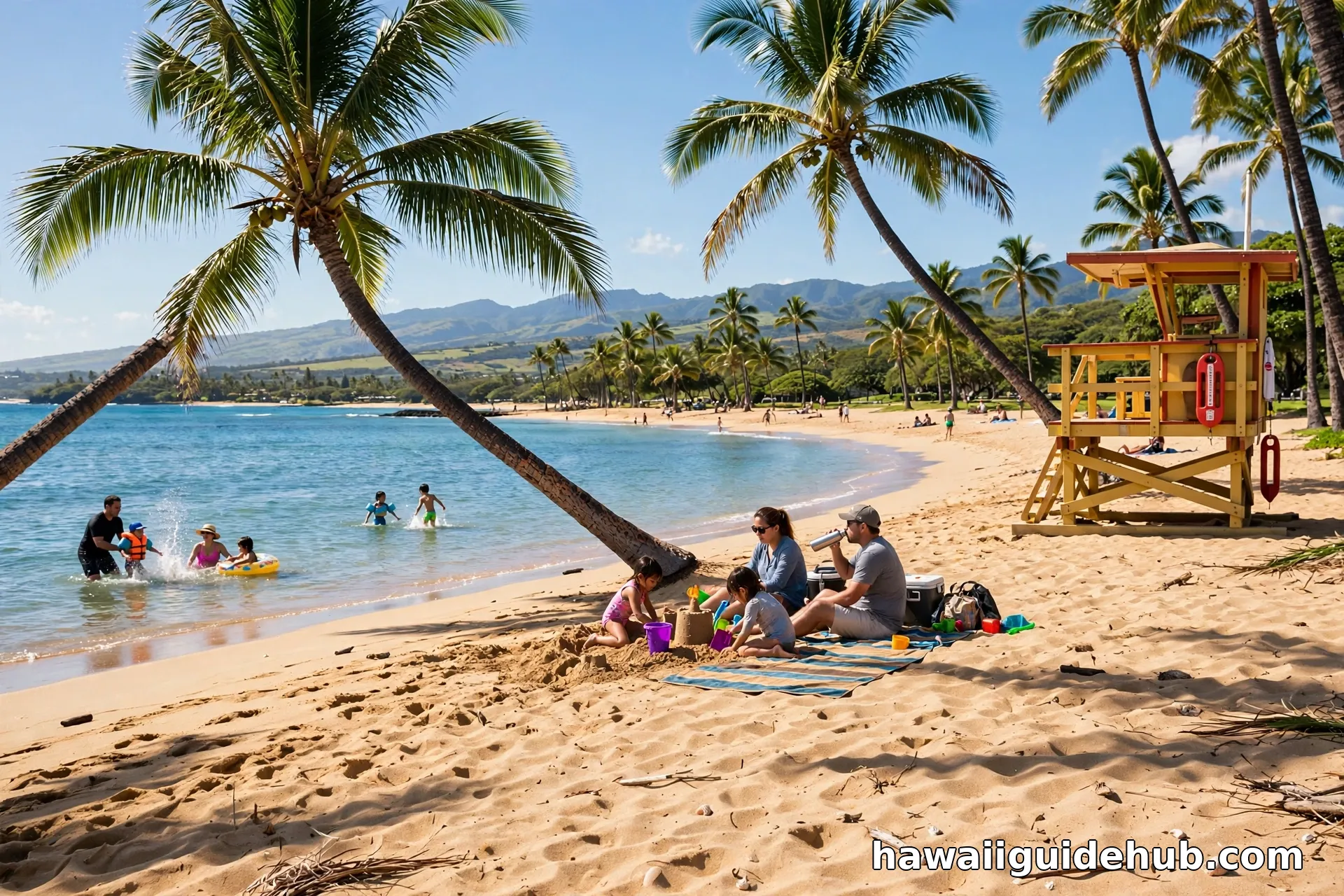
Beaches are Kihei’s reason for being, and the town has one of the best beach lineups on Maui. The stars are the three Kamaole Beach Parks, Kam I, II, and III, running south along South Kihei Road. These are county beach parks with lifeguards, restrooms, showers, picnic tables, and easy parking: the complete family package. Kam I is the widest and most popular, Kam II the most tucked away, and Kam III the largest, with a big grassy park and the best snorkeling of the three around its rocky points. New parking fees have been discussed for the Kam parks, so check current signage when you visit.
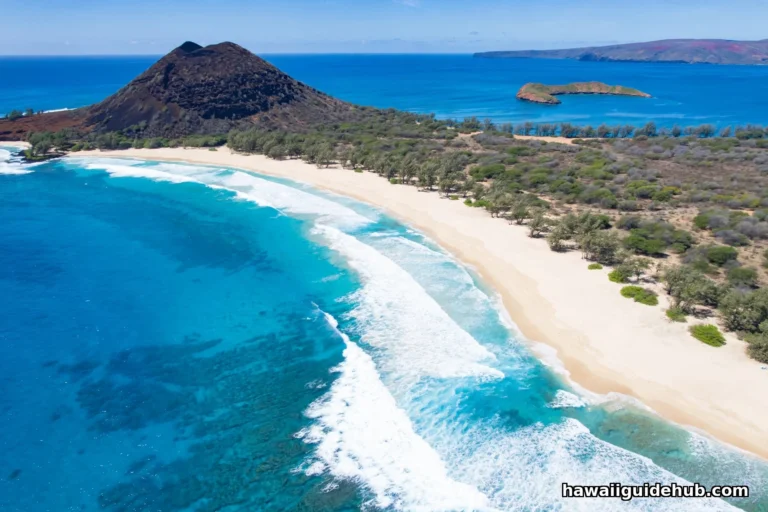
North of the Kams, Charley Young Beach is the local favorite, a smaller, prettier cove that many consider Kihei’s hidden gem; our Charley Young Beach guide has the full details. Keawakapu Beach, on the south end toward Wailea, is quieter, with clear water and excellent sunset views. Cove Beach Park near the town center is the beginner surf and stand-up paddle spot. And Sugar Beach stretches north toward Māʻalaea, one of the longest beaches on Maui, better for walks than swimming. Mornings are calmest everywhere; afternoons bring the breeze.
What to Do in Kihei Beyond the Beach
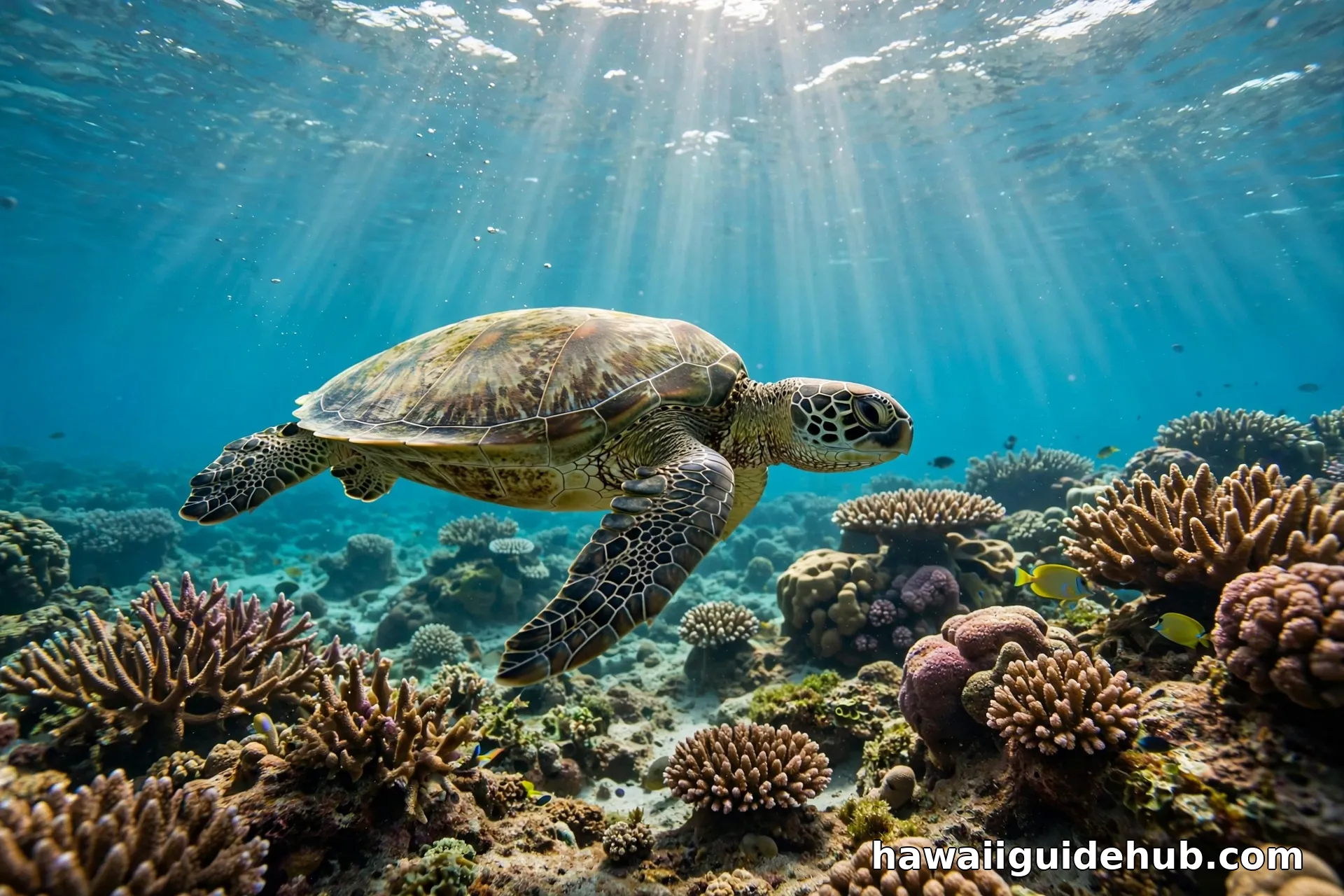
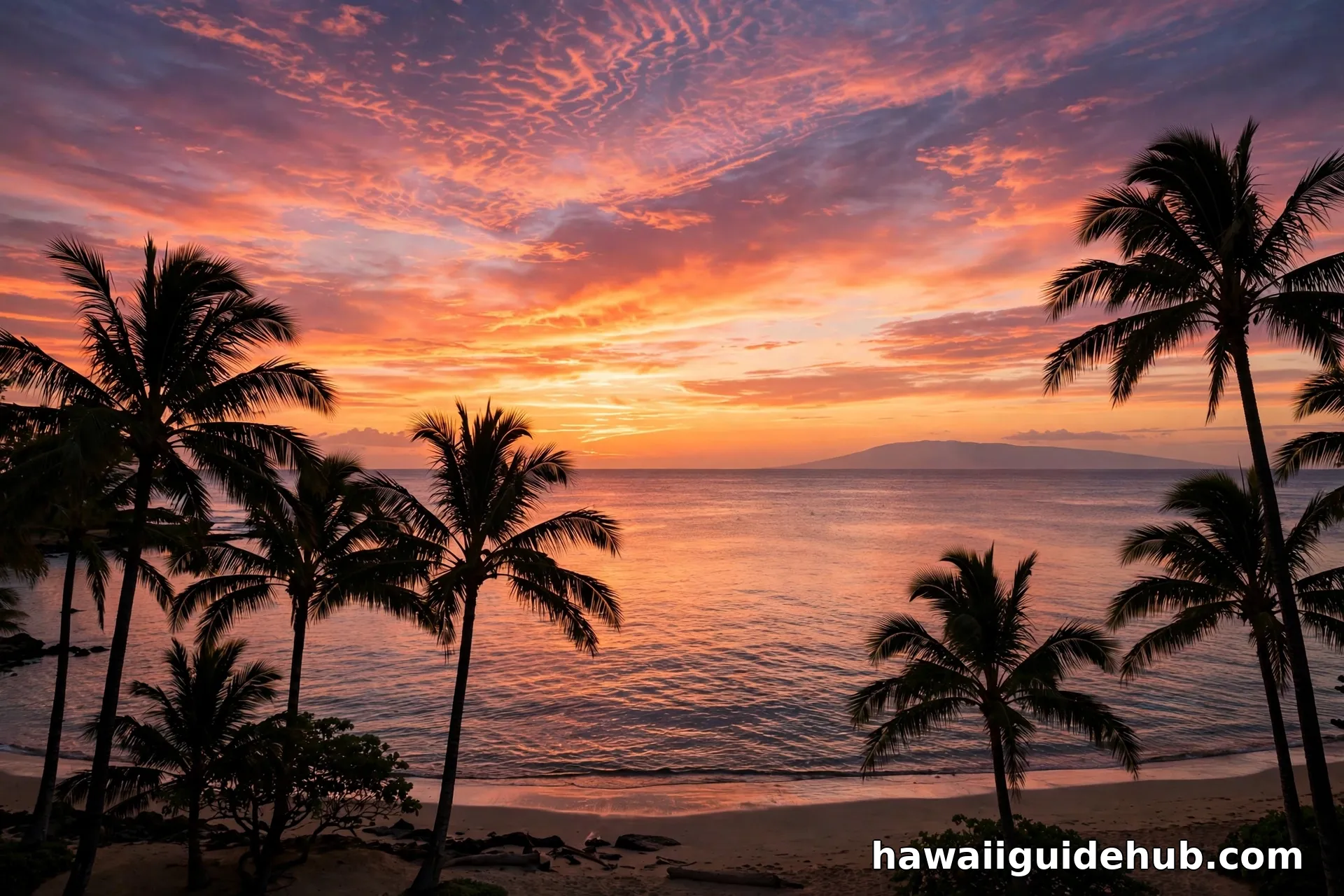
Kihei rewards travelers who look past the sand. Snorkeling is excellent right off the beaches: the rocky points at Kam III and the reef at Keawakapu hold turtles, tangs, and the occasional reef shark, and in winter you can sometimes hear humpback whales singing underwater. Molokini Crater, the crescent-shaped marine sanctuary offshore, is the island’s signature snorkel trip, and boats depart from nearby Māʻalaea Harbor. At sunset, the whole town turns west: Kihei faces the setting sun across the ʻAlalākeiki Channel, with Lānaʻi on the horizon, and the nightly show from any west-facing beach is genuinely spectacular.
On land, the town’s food truck scene is a destination in itself, with clusters serving everything from poke to Thai to Hawaiian plate lunch. South Maui Gardens hosts a popular food truck gathering. Just north in Māʻalaea, the Maui Ocean Center aquarium makes an excellent half-day, especially with kids, and the harbor is where whale-watching boats and Molokini snorkel trips depart. The town also has mini golf and easy bike paths along the coast. And when you want a change of scenery, Wailea’s beach path, Makena’s Big Beach, and the La Perouse lava fields are all within a 20-minute drive south.
Where to Stay in Kihei
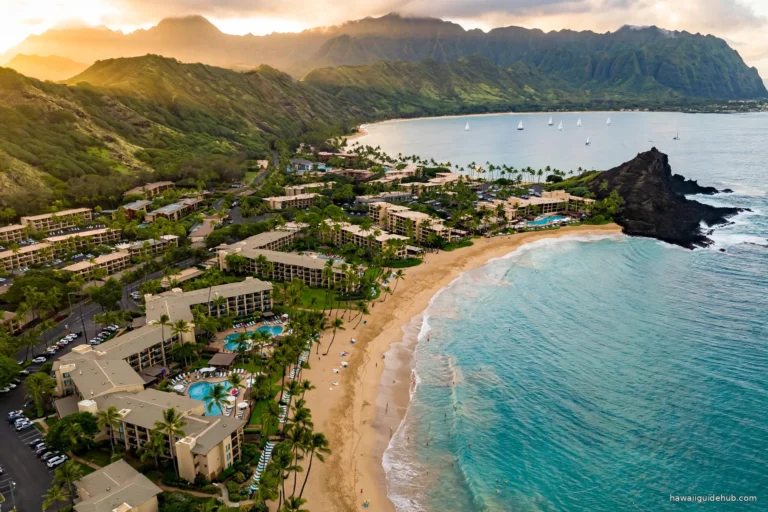
Kihei is Maui’s condo capital, and that shapes the stay. Instead of big resorts, the town offers dozens of condo complexes, many right on the beach, with kitchens, washers, and room to spread out at prices well below Wailea’s resorts. It is the island’s best value for families and longer stays: cook breakfast, pack beach lunches, and watch the sunset from your lanai. North Kihei is more residential and affordable; South Kihei puts you closer to the Kamaole beaches and Wailea. If you want the full luxury resort experience with pools, spas, and beach service, stay in Wailea instead and visit Kihei for its beaches and food trucks.
Where to Eat in Kihei
Kihei eats well for a beach town. The food trucks are the headline: fresh poke bowls, garlic shrimp, and plate lunches at local prices. South Kihei Road and the Azeka shopping centers hold the sit-down options, from casual fish tacos to nicer oceanfront dinners. For groceries, there is a large supermarket in town, and stocking a condo kitchen is the budget move that makes Kihei so affordable. Happy hours along the strip are a local institution; time your sunset accordingly.
Getting Around Kihei
South Kihei is genuinely walkable: from a South Kihei condo you can reach beaches, restaurants, and shops on foot. The coastal bike path makes cycling easy, and bike rentals are cheap. For the rest of the island you will want a car; the Maui Bus runs the island but on island time, and a rental gives you Haleakalā sunrises and Hana departures on your own schedule. Parking at the Kamaole parks is free but fills by mid-morning on weekends, so arrive early or walk. One local tip: Kihei’s traffic concentrates on South Kihei Road and the Piʻilani Highway at rush hour, so plan drives around it.
Day Trips from Kihei
Kihei’s central south location makes it a strong base for the island. Haleakalā is the big one: drive up for sunrise (reservations required through the National Park Service) or sunset, which needs no reservation and is, many argue, the better show; our Haleakalā sunset guide covers it. The Road to Hana is doable as a very long day trip, though staying overnight in Hana is better. West Maui’s Lahaina, Kāʻanapali, and the Dragon’s Teeth formations are 45 minutes to an hour away. And Upcountry Maui, the cool farmland on Haleakalā’s slopes, makes a lovely half-day of farm tours and small towns.
Video: Exploring South Maui
A video tour of South Maui, from Kihei’s beaches and food trucks through Wailea and Makena to La Perouse Bay.
Frequently Asked Questions
Which island is Kihei on?
Kihei is on Maui, on the island’s southwest (leeward) coast. It is about a 25-minute drive south of Kahului Airport.
Which side of Maui is Kihei on?
The southwest, or leeward, side. Sheltered from the trade winds by Haleakalā, it is one of the driest and sunniest parts of the island.
Is Kihei or Wailea better to stay in?
It depends on your trip. Kihei is better for value, condos with kitchens, a local feel, and free beach parks. Wailea is better for luxury resorts, manicured beaches, and upscale dining. They are ten minutes apart, so you can easily enjoy both.
What is the best beach in Kihei?
Kamaole Beach Park III is the best all-rounder: large, lifeguarded, with facilities and good snorkeling. Charley Young is the prettiest, and Keawakapu the quietest. All three Kamaole parks are excellent for families.
How many days should I spend in Kihei?
Three to five days gives you the beaches plus a Haleakalā trip and a West Maui day. Many visitors base their entire Maui week in Kihei and day-trip from there.
Can you see whales from Kihei?
Yes, in winter. From December through April, humpback whales gather in the channel between Maui and Lānaʻi, and you can often spot their blows, tail slaps, and full breaches right from Kihei’s beaches. Bring binoculars for the best show, or join a whale-watching boat from Māʻalaea Harbor.
Is Kihei walkable?
South Kihei is. Beaches, restaurants, and shops cluster along South Kihei Road, and the coastal path is good for bikes. You will still want a car for Haleakalā, Hana, and West Maui day trips.
Is Kihei a good place for snorkeling?
Yes. The rocky points at Kamaole III and the reef at Keawakapu offer easy shore snorkeling with turtles and reef fish, and Molokini Crater boat trips leave from nearby Māʻalaea Harbor. Mornings have the calmest, clearest water.
So: Kihei is on Maui, on the sunny southwest coast, and it might be the island’s easiest town to love. It does not try to be luxurious or wild; it is simply a beach town done right, the kind of place you plan to visit for three days and end up staying for ten, with golden sand, calm mornings, food trucks, and sunsets that stop conversations. Base yourself here, and Maui unfolds in every direction, from Haleakalā sunrises to Hana waterfalls to Lahaina sunsets.