Maui for Solo Travelers: The Complete Guide

Traveling to Maui alone is one of the best decisions a solo traveler can make. The island is safe, easy to navigate, and full of experiences that are actually better without company: sunrise at 10,000 feet with your own thoughts, a full day on the Road to Hana at your own pace, a beach afternoon with nobody to negotiate with. Solo travel here feels less like being alone and more like having the island to yourself.
This is the single complete guide to Maui for solo travelers. It covers the best things to do alone, safety, where to stay, what it costs, how to get around, dining solo, and the mistakes that catch independent travelers off guard. If you have been searching for anything about planning a solo trip to Maui, the answers are all here on this one page.
Maui for Solo Travelers at a Glance
| Solo on Maui: the essentials | Details | Why it works solo |
|---|---|---|
| Best for | Independent travelers, first-time solo trips, hikers, snorkelers, remote workers | Maui is built for doing your own thing |
| Ideal trip length | 5 to 7 days at your own pace | No compromises; your schedule only |
| Top solo experiences | Haleakala sunrise, Road to Hana, Pipiwai Trail, snorkeling, Paia town | None of these need a partner |
| Getting around | Rental car strongly recommended; Maui Bus $2 per ride, $4 day pass | A car buys freedom; the bus covers the basics |
| Best bases | Kihei, Paia, Kaanapali | Kihei for budget, Paia for character, Kaanapali for resorts |
| Safety | Very safe by US standards; standard precautions apply | Standard smarts, not special worry |
| Typical daily cost | $150 to $400 for most solo travelers | See the budget breakdown below |
Why Maui Is Ideal for Solo Travel
Maui suits solo travelers because the island’s best experiences are naturally solitary ones. Hiking the Pipiwai Trail through bamboo forest, snorkeling over a reef, driving the Hana Highway with the windows down: none of these need a companion to be complete. You set the schedule, change plans on a whim, and linger as long as you want. The freedom is the point.
The island is also genuinely safe and easy. Violent crime against visitors is rare, the tourist areas are well traveled, and the infrastructure works: good roads, clear signage, cell coverage in populated areas, and plenty of other travelers around. English is universal, the currency is the dollar, and the health care system is American. For a first solo trip anywhere, Maui is about as low-stress as it gets.
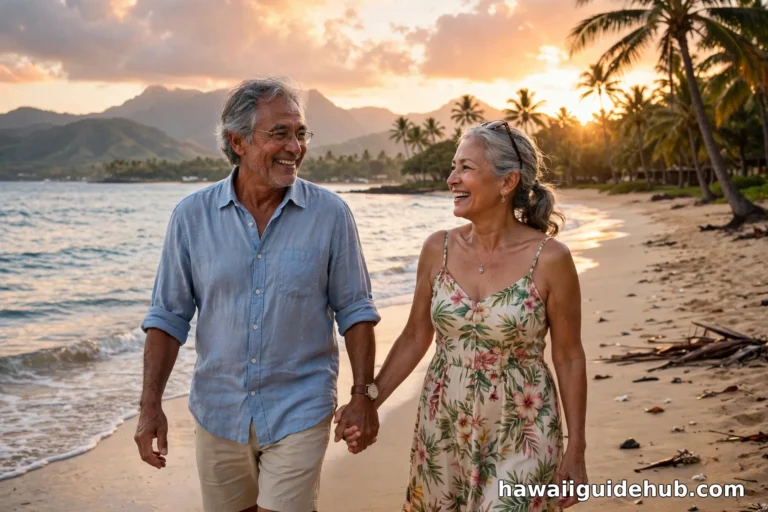
Meeting people happens naturally if you want it to. Group surf lessons, snorkel sails, hostel common areas, and the communal tables at food truck parks all put solo travelers together without any awkwardness. Many solo visitors report that Maui is one of the easiest places they have traveled to strike up conversations.
The Best Things to Do Alone on Maui
Solo travelers have one big advantage: nobody vetoes the 3 AM alarm or the eight-hour driving day. Use it.
Haleakala Sunrise
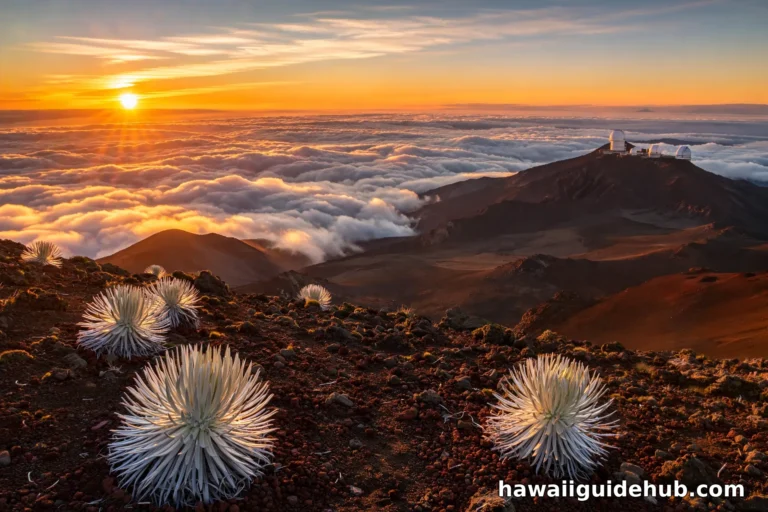
The sunrise reservation system was practically designed for solo travelers. Book the $1 per vehicle reservation on recreation.gov (released 60 days and 48 hours ahead at 7 AM Hawaii time), pay the $30 per vehicle park entrance fee at the gate, and drive yourself to the 10,023-foot summit for sunrise above the clouds. Going alone means no negotiating wake-up times and no waiting for slow companions on the summit trails afterward. Bring serious warm layers: it is near freezing before dawn. Our guide to the Haleakala experience covers the logistics in detail.
Drive the Road to Hana Solo
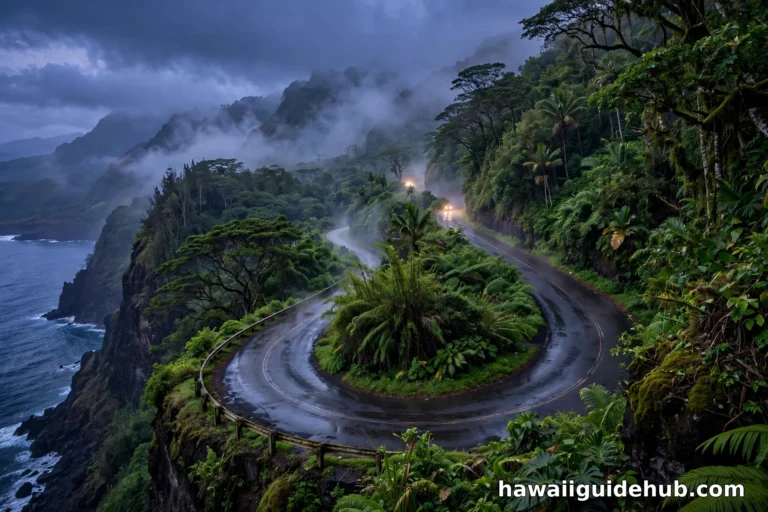
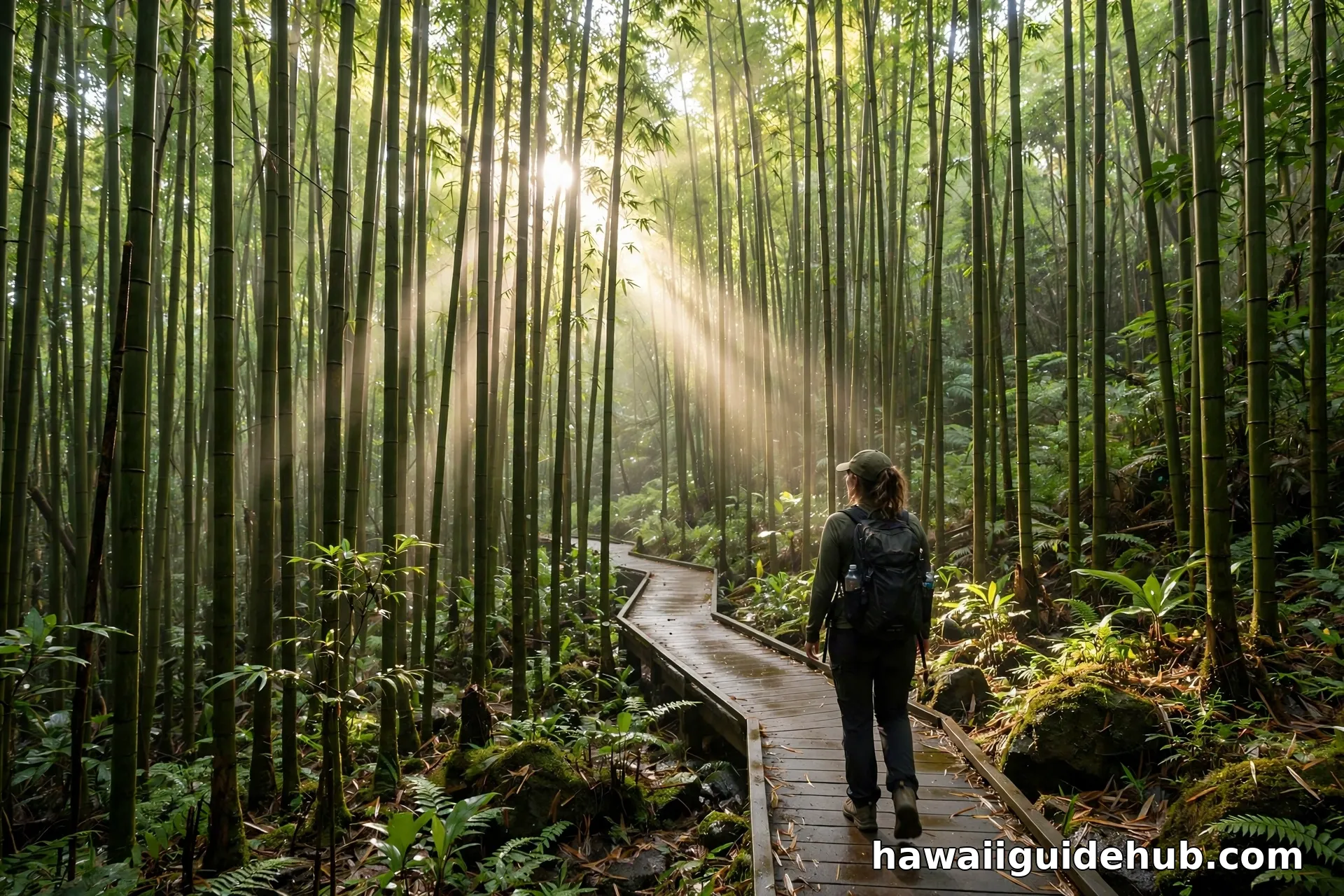
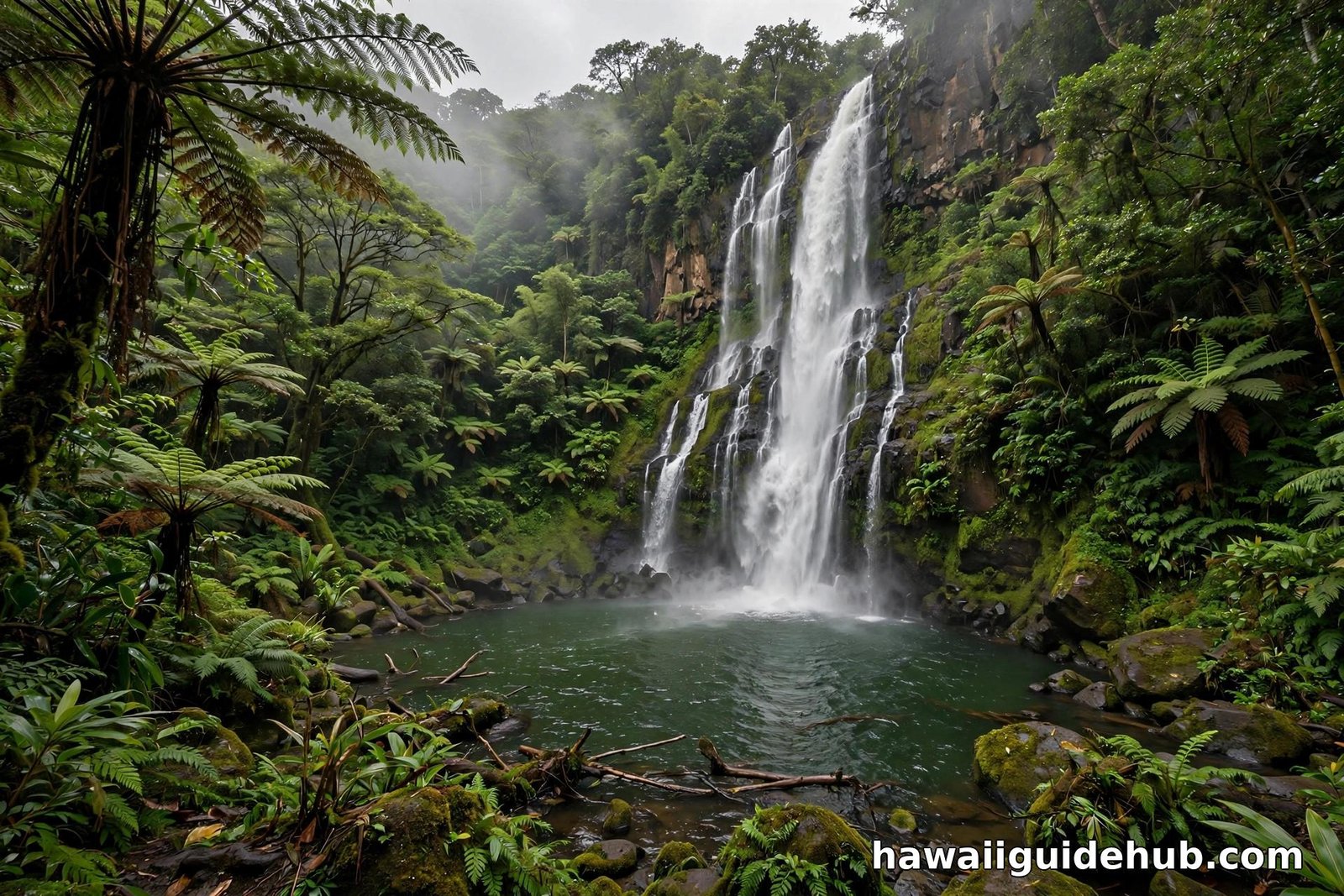
The Hana Highway is the ultimate solo road trip: 64 miles, over 600 curves, waterfalls around every bend, and complete freedom to stop or skip as you please. Leave Paia by 7 AM, download offline maps, pack food and water, and fill the tank before you go. The Pipiwai Trail at the far end, a four-mile round trip through bamboo forest to the 400-foot Waimoku Falls, is the best hike on the island and perfect alone. Drive back the way you came rather than continuing the full loop past Hana, since the back road is unpaved, remote, and rough on rental cars.
Snorkel on Your Own Schedule
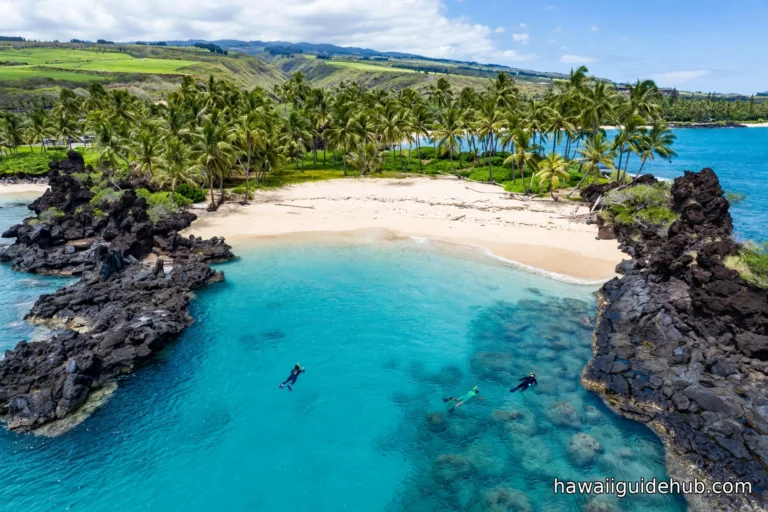
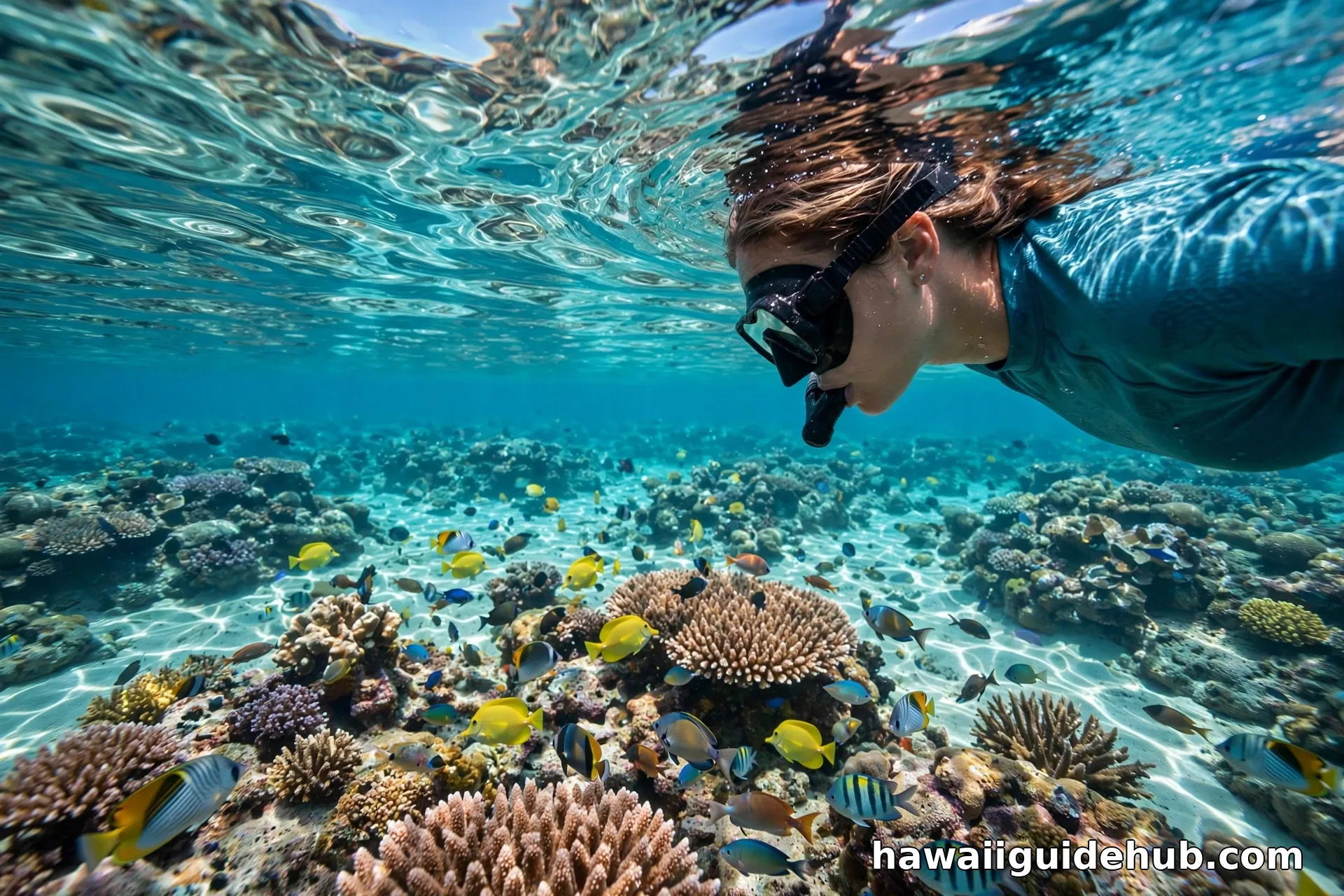
Mornings are for snorkeling on Maui, when the water is calmest and clearest. Kapalua Bay, Napili Bay, and the south Kihei beaches all offer easy shore-entry snorkeling you can do independently. Go early, never snorkel alone in rough or unfamiliar water, and stay aware of your exit point since currents can push you along the shore. If you want company and safety in numbers, a morning snorkel sail from Maalaea or Kaanapali puts you on a boat with other travelers.
Wander Paia and Makawao
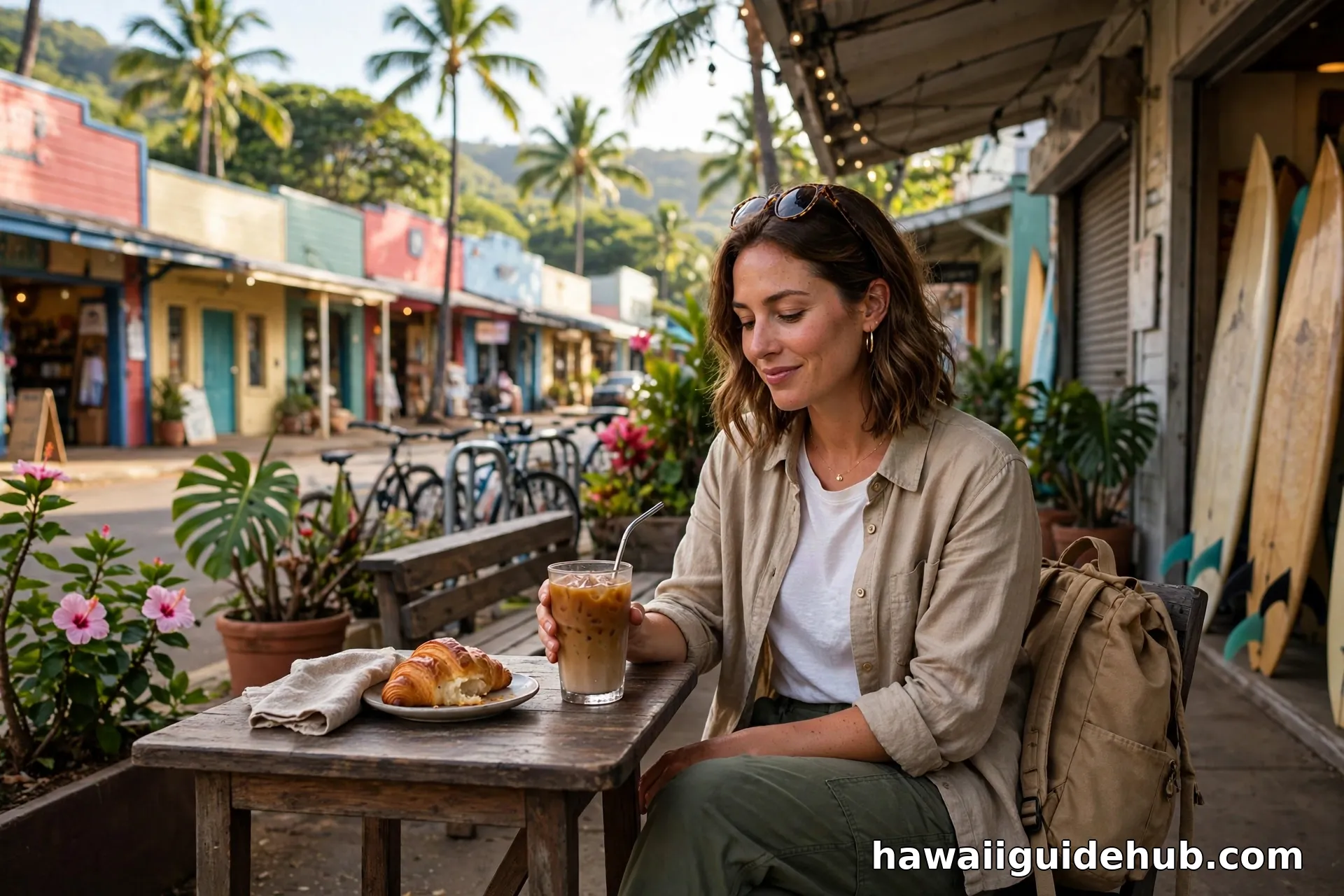
Paia, the old plantation town where the Hana Highway begins, is Maui’s most walkable town: surf shops, galleries, bakeries, and a beach across the street. Makawao, up in the cool Upcountry hills, is paniolo (cowboy) country with boutiques and a famous bakery. Both are ideal for a slow solo afternoon of browsing, coffee, and people-watching.
Staying Safe as a Solo Traveler on Maui
Maui is safe, but solo travelers should still travel smart. These are the precautions that matter here specifically.
Tell someone your plans. Before a solo hike or a remote drive, text a friend your route and expected return time. Cell service drops in the West Maui mountains, along parts of the Hana Highway, and inside Haleakala crater. A paper map or downloaded offline map is worth having.
Respect the ocean above all. More visitors get in trouble in the water than anywhere else. Never turn your back on the surf, don’t swim alone at unguarded beaches, and skip the water entirely on high-surf days. Flash floods can turn calm streams deadly within minutes after rain in the mountains, so check what time of year it rains in Hawaii before planning stream hikes and avoid them in wet weather.
Protect your car. Break-ins at trailheads and beach parking lots are the most common crime affecting visitors. Leave nothing visible in the car, not even charging cables. Take valuables with you or leave them at your lodging.
Hike within your limits. Solo hiking is wonderful but unforgiving. Stick to marked trails, carry more water than you think you need, start early, and turn back if conditions change. The Pipiwai Trail and the shorter walks in Haleakala crater are good solo choices because they are well traveled.
Getting Around Maui Solo
Rent a car. This is the single most important logistics decision for a solo Maui trip. The island’s best experiences are spread across three coasts, rideshares are thin outside the resort areas, and waiting for a bus to the trailhead wastes the freedom you came for. A small rental car for the full trip is worth every dollar, and solo travelers only pay for one.
If a car truly doesn’t fit the budget, the Maui Bus is a workable backup for the main corridors. Fares are $2 per boarding on all routes, a day pass is $4, and a monthly pass is $45, according to the County of Maui. Routes connect Kahului, Wailuku, Kihei, Wailea, Lahaina, Kaanapali, Napili, Kapalua, Paia, and Makawao. The tradeoff is time: buses run roughly hourly and the island is big, so plan around the schedule.
Where to Stay as a Solo Traveler
Kihei is the best all-around base for solo travelers. It has the island’s most affordable condos and vacation rentals, calm swimmable beaches, food truck parks, and a central location for day trips in every direction. A studio condo with a kitchenette keeps costs down and gives you space to spread out.
Paia suits solo travelers who want character over convenience. The little surf town has hostels and small inns, a social scene of travelers and locals, and the Hana Highway at its doorstep. It is quieter at night and rainier than the south shore, which is the tradeoff for its charm.
Kaanapali works if you want the classic resort experience and easy beach access, with plenty of fellow travelers around. It is the priciest of the three and you will need a car or bus for most day trips, but the beach is excellent and the area feels lively and safe at night.
Dining Solo on Maui
Eating alone on Maui is easy and stigma-free. Food truck parks in Kihei are perfect solo dining: order at the window, grab a picnic table, and nobody thinks twice. Counter-service poke shops and plate lunch spots are cheap, fast, and delicious. For sit-down dinners, the bar or a lanai table at sunset is the solo traveler’s move, and servers throughout Hawaii are accustomed to parties of one.
Budget-wise, mix grocery breakfasts with one good meal out per day. A condo with a kitchenette plus a grocery run keeps food costs reasonable, and the money you save funds the experiences that matter. Standard US tipping applies: 15 to 20 percent at restaurants, a dollar or two per drink at bars.
What a Solo Trip to Maui Costs
Solo travel on Maui is cheaper than it looks because you are only paying for one. These are realistic daily ranges for one person, excluding flights.
| What a solo day on Maui actually costs | Per day | Where the money goes | The tradeoff |
|---|---|---|---|
| Budget | $150 to $220 per day | Hostel or budget inn, grocery meals plus food trucks, free beaches and hikes, Maui Bus or shared rental | More bus, fewer paid tours |
| Mid-range | $280 to $400 per day | Kihei condo or mid hotel, one restaurant meal daily, paid activities like a snorkel sail, rental car | Comfort without the resort markup |
| Splurge | $550 or more per day | Resort hotel, nice dinners nightly, helicopter or private tours, valet and premium rental car | The full postcard, at full price |
The single supplement that plagues solo travelers on cruises and tours barely exists on Maui. You pay for one hotel room, one rental car, one park fee. The Haleakala entrance is $30 per vehicle whether you bring one person or five, which makes the island one of the fairest solo destinations in the United States. For timing your trip to save money, see the cheapest time of year to visit Hawaii, and if you are coming in the cooler months, check the best places to visit in Maui in winter.
Common Mistakes Solo Travelers Make on Maui
Skipping the rental car. Without one, you will see a fraction of the island. If the budget is tight, rent for part of the trip rather than none of it.
Driving the Hana back road. The unpaved southern route past Hana is rough, remote, and often prohibited by rental agreements. Drive to Hana and back the way you came.
Snorkeling alone in rough water. Shore snorkeling is wonderful solo in calm conditions. If the surf is up or the spot is unfamiliar, join a group outing instead.
Overplanning. The best solo days on Maui are unstructured. Leave gaps for the beach you didn’t know about and the conversation you didn’t expect.
Your Solo Maui Checklist
- Book a rental car for the full trip if possible
- Reserve the Haleakala sunrise slot 60 days out, or plan for sunset instead
- Download offline maps for Hana and Haleakala
- Choose a base: Kihei for value, Paia for character, Kaanapali for resorts
- Pack reef-safe sunscreen, a rash guard, hiking shoes, and warm layers for the summit
- Share your hiking and driving plans with someone back home
- Leave valuables out of the rental car at trailheads
- Schedule at least two completely unscheduled days
Video: A Solo Week on Maui
Watch a solo traveler’s week on Maui, from hostel life to the Haleakala crater, for a feel of the independent island experience.
Frequently Asked Questions
Is Maui safe for solo travelers?
Yes. Maui is one of the safest solo travel destinations in the United States, with low violent crime and well-traveled tourist areas. The real risks are natural: ocean conditions, sun exposure, and remote roads. Standard precautions like sharing your plans, securing your car, and respecting the water cover nearly everything.
Is it weird to travel to Maui alone?
Not at all. Maui gets a steady stream of solo travelers, and nobody looks twice at a party of one at a food truck, on a trail, or at a beach. Group activities like surf lessons and snorkel sails are full of independent travelers, so company is available whenever you want it.
Do I need a car for a solo trip to Maui?
A rental car transforms a solo Maui trip. The island’s highlights are spread across three coasts and rideshares are thin outside resort areas. The Maui Bus ($2 per ride, $4 day pass) covers the main towns if a car truly doesn’t fit, but you will see far less of the island without one.
Where should a solo traveler stay on Maui?
Kihei is the best all-around base: affordable condos, calm beaches, and central access. Paia has the most character and the most social hostel scene. Kaanapali offers the classic resort beach experience. Pick based on your budget and how social you want to be.
How many days do you need for solo Maui?
Five to seven days is ideal. That covers Haleakala, the Road to Hana, several beach and snorkel mornings, and unstructured time. Solo travelers move faster than groups, so you will fit more into each day than you expect.
What is the cheapest way to do Maui solo?
Stay in a hostel or budget inn, eat groceries and food truck meals, use the free beaches and hikes, and visit in the shoulder seasons of late spring or fall. A solo traveler can do Maui well for $150 to $220 a day excluding flights.
Maui might be the rare destination that is better alone. The sunrise is yours, the road is yours, the pace is yours. Plan the logistics, respect the ocean, and then let the island do what it does best: give you space to breathe. You will come home with stories no companion could have improved.