Lilikoi Pie: Hawaii’s Beloved Passion Fruit Dessert

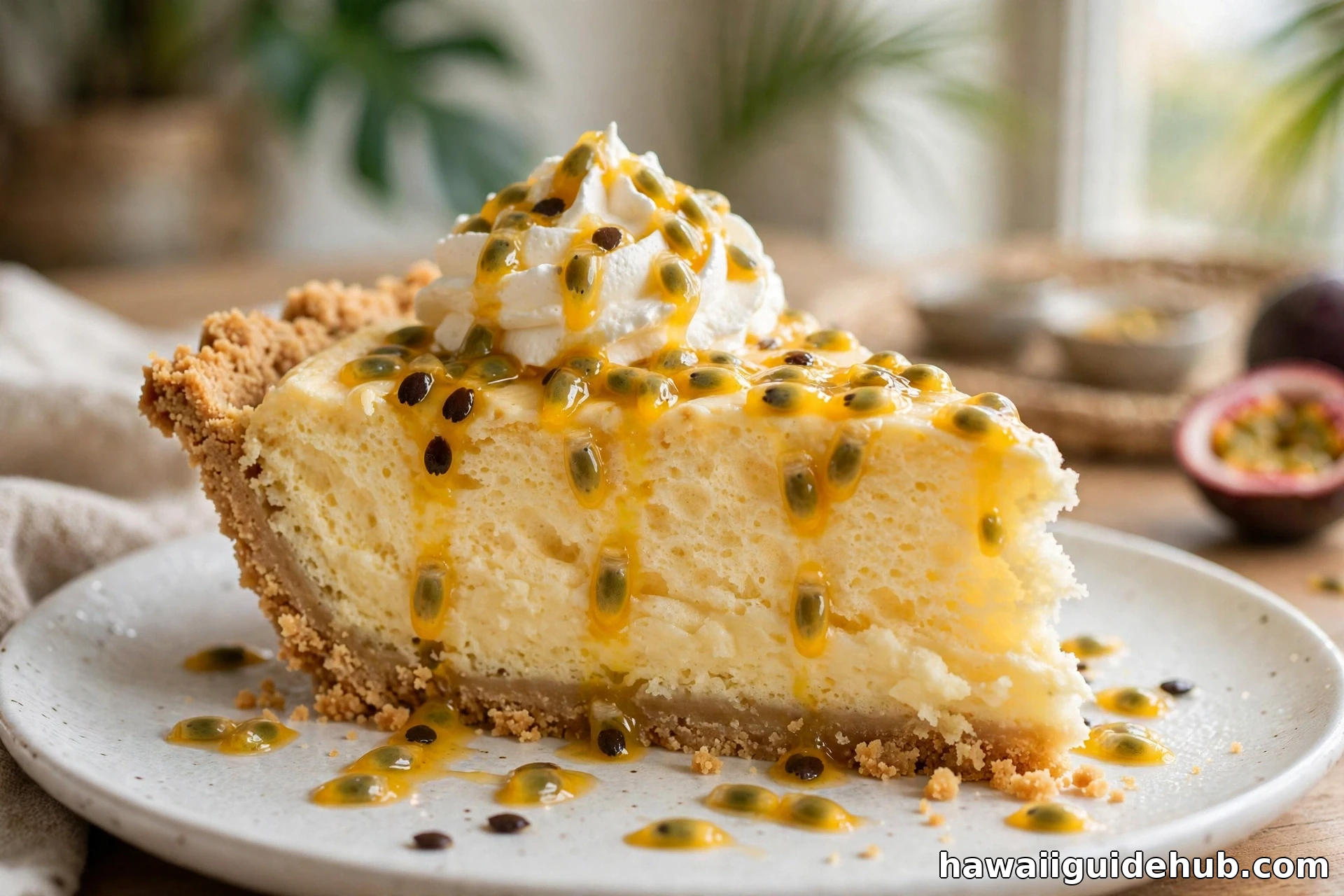
If there is one dessert that tastes like Hawaii in a single bite, it is lilikoi pie. Bright, tangy and impossibly light, this passion fruit pie shows up at family gatherings, bakery cases and roadside stands across the islands. Visitors who try it once tend to ask for it by name for the rest of their trip. This guide covers everything: what lilikoi pie is, what it tastes like, the classic chiffon recipe, the main variations and where to find the best slices in Hawaii.
What Is Lilikoi?
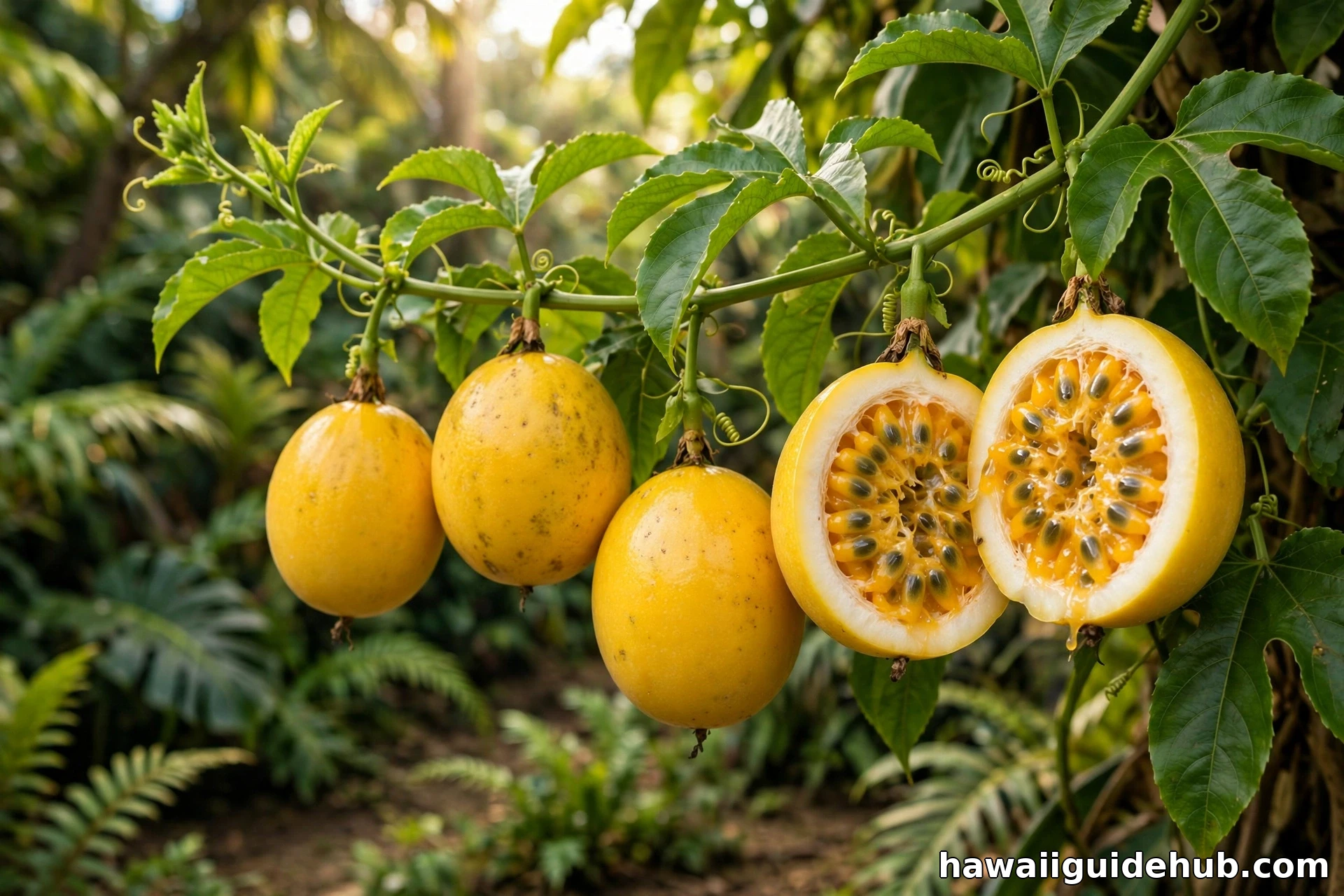
Lilikoi is the Hawaiian name for passion fruit. The form most common in Hawaii is the yellow passion fruit, known scientifically as Passiflora edulis f. flavicarpa. It grows on a woody perennial vine that can climb 20 feet or more, with striking white and purple flowers followed by round to egg shaped fruit with a leathery yellow rind.
The plant is not native to Hawaii. It was introduced and has since naturalized, thriving in sunny low to middle elevation areas. According to the Hawaii Community Development Authority horticultural records, lilikoi is locally grown in Hawaii all year round, which is one reason it became such a staple of island cooking. The fruit is rich in antioxidants and minerals such as iron and copper, and it is an excellent source of vitamins C and A.
Inside the rind, the fruit holds a mass of black seeds, each surrounded by juicy golden pulp. The flavor is intensely aromatic, tart and tropical, somewhere between citrus and guava with a floral edge. To use it, you cut the fruit in half and scoop out the pulp. For pie, the pulp is usually strained to separate the juice from the seeds, though some bakers leave a few seeds in for texture and looks.
What Does Lilikoi Pie Taste Like?
Lilikoi pie tastes like sunshine with an edge. The filling is sweet and tart at the same time, with the unmistakable perfume of passion fruit. The classic chiffon version is barely there in texture, a cloud of citrusy lightness that melts on the tongue. Richer versions, like cream cheese or baked custard pies, lean more decadent, with a buttery crust balancing the bright filling.
If you have never had passion fruit before, expect something more complex than lemon or lime. Lilikoi has a deeper, almost honeyed tartness. In a pie, that tartness is tamed by sugar, eggs and cream, but it never disappears completely. That balance is exactly why the pie has such devoted fans.
The Classic: Lilikoi Chiffon Pie
The most famous version of lilikoi pie in Hawaii is the chiffon pie. Chiffon pies get their signature lightness from whipped egg whites folded into a fruit custard, with just enough gelatin to set the filling. The result is a pie that is more air than substance, served cold from the refrigerator.
The standard method has been passed around Hawaii kitchens for generations. Egg yolks, sugar, salt and passion fruit juice are cooked gently in the top of a double boiler until thickened. Gelatin softened in cold water is stirred in until dissolved, along with a little lemon zest. The mixture cools until slightly thickened, then stiffly beaten egg whites are folded in. Everything goes into a prepared graham cracker crust and chills until firm, usually at least two hours. Whipped cream on top is the traditional finish.
This is a no-bake filling, which made it a natural fit for Hawaii’s warm climate and for home bakers without much fuss. The pie keeps well in the refrigerator and is often said to taste even better the next day, once the flavors have had time to settle.
Lilikoi Pie Variations Worth Knowing
Chiffon may be the classic, but it is far from the only way Hawaii bakes lilikoi into a pie. Here are the main versions you will encounter.
| Variation | Texture | What makes it different | Pick it when |
|---|---|---|---|
| Lilikoi chiffon pie | Light, airy, mousse-like | Gelatin-set filling with folded egg whites; served cold | You want the classic everyone expects |
| Lilikoi cream cheese pie | Rich and smooth | Cream cheese filling with a lilikoi glaze on top | You want something richer and easier to slice |
| Baked lilikoi pie | Dense, custardy | Egg custard baked in the crust, like key lime pie | You love custard pies and trust your pie dish |
| Lilikoi haupia pie | Layered, creamy | Lilikoi chiffon layered with haupia (coconut pudding) | You want two Hawaiian classics in one slice |
| Lilikoi butter bars | Shortbread with tangy topping | Not a pie, but the same flavors in bar form | You need something portable for a potluck |
The cream cheese version, popularized by bakeries like Ted’s Bakery on Oahu’s North Shore, pairs a tangy cream cheese base with a glossy lilikoi topping. The baked version behaves more like a key lime pie, with the filling set by heat rather than gelatin. And the lilikoi haupia combination layers two beloved Hawaiian flavors, coconut and passion fruit, in a single slice.
Classic Lilikoi Chiffon Pie Recipe
This is the traditional home-style recipe, adapted from the version shared by Hawaii community cookbooks and the University of Hawaii Cooperative Extension Service. It makes one 9-inch pie, about 8 servings.
| Ingredient | Amount |
|---|---|
| Egg yolks | 4 |
| White sugar, divided | 1 and 1/3 cups total |
| Salt | 1/2 teaspoon |
| Lilikoi (passion fruit) juice, strained | 1/2 cup |
| Unflavored gelatin | 1 tablespoon |
| Cold water | 1/4 cup |
| Grated lemon zest | 2 teaspoons |
| Egg whites | 4 |
| Prepared 9-inch graham cracker crust | 1 |
| Whipped cream, for serving | 1/2 pint |
Method
Step 1: In the top of a double boiler, combine the egg yolks, 1/3 cup of the sugar, the salt and the lilikoi juice. Cook over low heat, stirring constantly, until the mixture thickens enough to coat a spoon. Do not let it boil.
Step 2: Soften the gelatin in the cold water for about 5 minutes, then stir it into the hot yolk mixture until completely dissolved. Stir in the lemon zest. Remove from heat and let cool until slightly thickened but not set.
Step 3: In a large clean bowl, beat the egg whites until foamy. Gradually add the remaining 1 cup of sugar and continue beating until stiff peaks form.
Step 4: Gently fold the cooled lilikoi mixture into the beaten whites until no streaks remain. Spoon into the graham cracker crust and smooth the top.
Step 5: Refrigerate for at least 2 hours, or until firm. Serve cold with whipped cream. For extra style, sprinkle a few reserved lilikoi seeds over the top before serving.
Tips for Making Lilikoi Pie at Home
Fresh versus frozen pulp: If you live outside Hawaii, frozen lilikoi pulp is your best friend. Look for unsweetened pure passion fruit pulp in the freezer section of Latin or Asian markets. Avoid juice blends, which are mostly other juices with a whisper of passion fruit.
Strain the seeds, or do not: Straining gives a silkier filling, but a spoonful of seeds stirred back in adds visual appeal and little pops of texture. Many island bakers do exactly this.
Watch the gelatin: The most common failure is a filling that never sets or one that turns rubbery. Bloom the gelatin fully in cold water first, dissolve it completely in the warm mixture, and do not overheat it afterward.
Fold, do not stir: The chiffon’s lightness comes from the beaten egg whites. Fold gently with a spatula, cutting down through the middle and lifting up, until just combined. Overmixing deflates the filling.
Chill overnight if you can: Two hours is the minimum, but an overnight rest gives the cleanest slices and the most settled flavor.
Lilikoi Butter: The Secret Weapon
Ask a Hawaii baker about their lilikoi pie and many will mention lilikoi butter, also called lilikoi curd. It is a thick, glossy spread made by cooking lilikoi juice with sugar, butter and egg yolks until it turns silky and spoonable, much like lemon curd. Some bakers swirl it through the chiffon filling for extra intensity. Others spread it over a finished cream cheese pie as the glaze, or serve it on the side so each person can add as much as they like.
Lilikoi butter keeps for two to three weeks in the refrigerator and freezes well, which makes it practical to make in a batch. Beyond pie, island cooks spread it on toast and scones, fold it into whipped cream for a quick dessert topping, or drizzle it over haupia. If you find jars of it at a farmers market, buy two. The first one will not survive the drive home.
Lilikoi Beyond the Pie
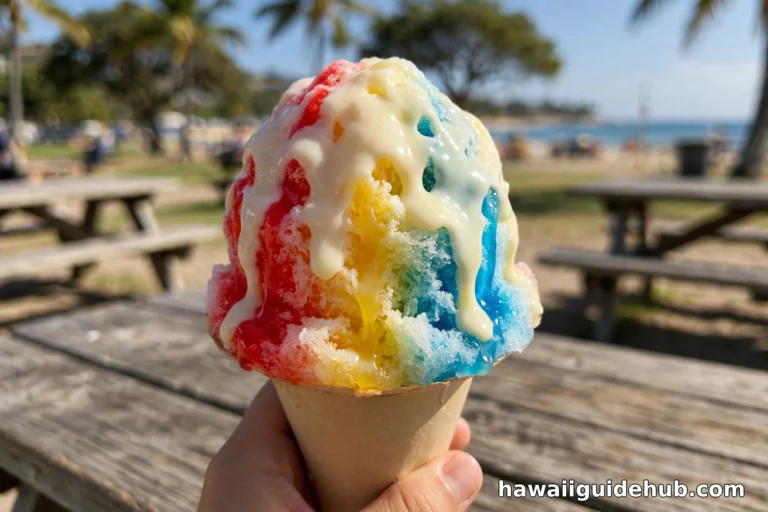
Once you fall for the flavor, you will start noticing lilikoi everywhere in Hawaii. Shave ice stands offer it as a syrup, often paired with guava or coconut. Bakeries fill malasadas with lilikoi cream. Restaurants glaze fresh fish with lilikoi butter sauce, and bartenders shake it into tropical cocktails. The fruit even shows up in salad dressings and vinaigrettes at island cafes.
This ubiquity is part of what makes the pie special. It is not an exotic restaurant invention but a home flavor, the taste of backyard vines and aunties who always have a pie in the fridge for unexpected guests. When you order a slice, you are tasting something deeply woven into everyday island life.
Where to Find Lilikoi Pie in Hawaii
You do not have to bake to taste great lilikoi pie. These are the spots visitors mention most.
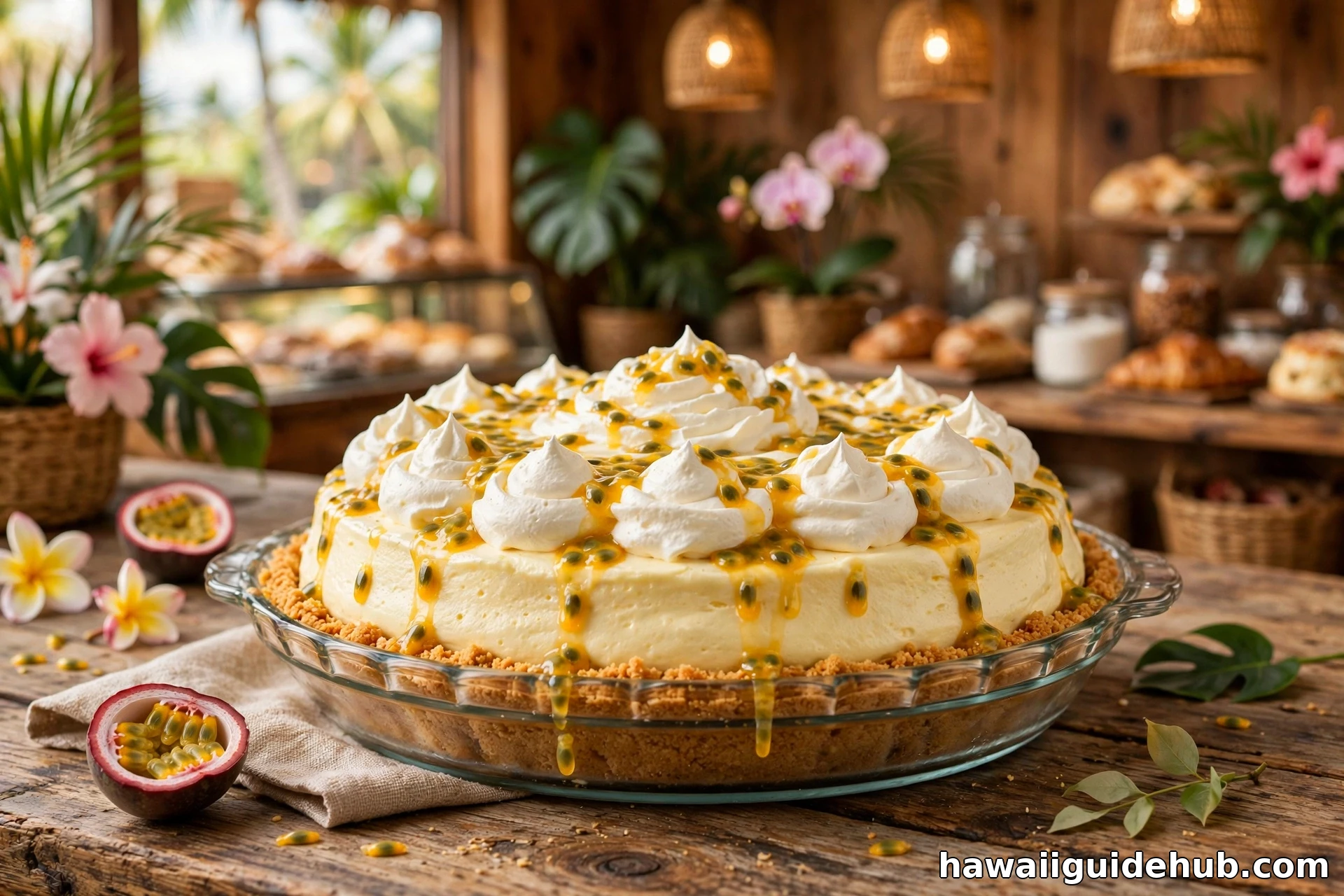
Ted’s Bakery, North Shore Oahu: This Sunset Beach institution at 59-024 Kamehameha Highway in Haleiwa is famous across the islands for its cream pies, and the lilikoi cream cheese pie is one of the stars. Pair your slice with a stop at nearby Sunset Beach.
Hamura’s Saimin, Lihue Kauai: This old-school saimin shop has served its beloved lilikoi chiffon pie for decades. Locals debate whether it is the best on Kauai, which tells you everything about how seriously the island takes this pie.
Bakeries and farmers markets: On every island, local bakeries and Saturday farmers markets sell lilikoi chiffon pie by the slice or the whole pie. Ask at the market; vendors love to tell you whose pie is whose.
Auntie Lilikoi products, Kauai: The Kauai-based Auntie Lilikoi brand sells lilikoi concentrate, dressings and preserves that make excellent pie filling at home. Their products show up in shops across the islands.
If you want to taste lilikoi in other forms while you are at it, our guide to Hawaiian fruits covers where the fruit grows and how locals use it. For another beloved island bakery treat, see our guide to malasadas, Hawaii’s Portuguese doughnuts.
Watch: Lilikoi Chiffon Pie Being Made
See the chiffon method in action, from juicing the fruit to folding the filling, in this step-by-step video.
Frequently Asked Questions
What is lilikoi pie made of?
The classic chiffon version is made of egg yolks, sugar, salt, strained lilikoi (passion fruit) juice, gelatin, lemon zest and whipped egg whites in a graham cracker crust, topped with whipped cream. Cream cheese and baked versions swap the chiffon filling for richer bases.
What does lilikoi taste like?
Lilikoi tastes intensely tropical, tart and aromatic, with notes of citrus, guava and honey. In a pie, sugar and cream soften the tartness but the distinctive perfume remains.
Is lilikoi the same as passion fruit?
Yes. Lilikoi is the Hawaiian name for passion fruit. The yellow passion fruit (Passiflora edulis f. flavicarpa) is the form most commonly grown in Hawaii, and it tends to be more tart than the purple variety.
Can I use bottled passion fruit juice for lilikoi pie?
You can, but use pure unsweetened passion fruit juice or frozen pulp, not juice blends. Blends are mostly apple or white grape juice and will not give the pie its signature tang.
How long does lilikoi chiffon pie keep?
Covered in the refrigerator, it keeps for 3 to 4 days. It actually slices best on the second day. Do not freeze chiffon pie; the gelatin filling weeps when thawed.
Where can I buy lilikoi pie in Hawaii?
Ted’s Bakery on Oahu’s North Shore and Hamura’s Saimin on Kauai are the two most famous spots. Local bakeries and farmers markets on every island also sell it, often by the slice.
A Pie Worth the Trip
Lilikoi pie is one of those dishes that tells you where you are. The fruit grows on vines all over the islands, the recipe has been handed down through Hawaii kitchens for generations, and the flavor exists nowhere else in quite the same way. Whether you bake the chiffon classic at home or track down a slice at a North Shore bakery, it is a taste of Hawaii worth seeking out. For more island flavors, explore our guide to must-try Hawaiian dishes and our malasadas guide, two more local favorites visitors fall for.