Free Oʻahu Travel Guide: Beaches, Hikes, Food, and Itineraries

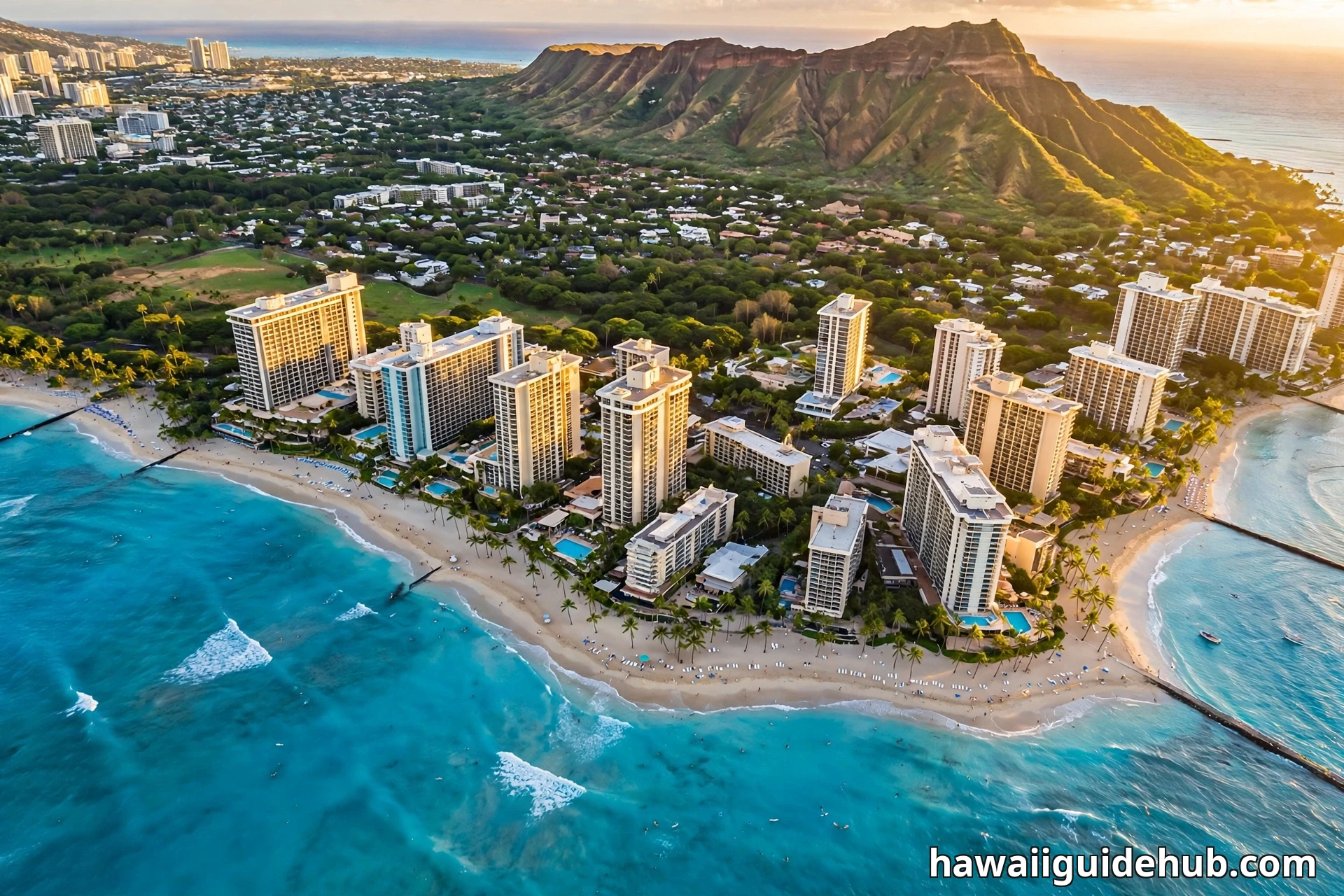
Oʻahu is the island most visitors picture when they think of Hawaiʻi: Waikīkī’s high-rises against Diamond Head, the North Shore’s winter monsters, Pearl Harbor’s quiet memorials, and plate lunches eaten with sand still on your feet. It is also the most complex island to plan for, because it packs a major American city, sacred cultural sites, world-class surf, and sleepy country towns into 44 miles of length. This free Oʻahu travel guide walks you through the whole island, from what to book before you fly to how to spend your last sunset, so you can build a trip that fits your pace and your budget.
Why Oʻahu Works for Almost Every Traveler
Oʻahu earns its nickname, the Gathering Place, honestly. Roughly two-thirds of Hawaiʻi’s population lives here, which means the island has the state’s deepest bench of restaurants, museums, hospitals, and flight connections. First-time Hawaiʻi visitors get the greatest hits without inter-island flights. Families get calm beaches and big-resort infrastructure. Budget travelers get TheBus, free beaches, and plate lunches under fifteen dollars. Surfers get the North Shore. History buffs get Pearl Harbor and ʻIolani Palace, the only royal palace on American soil.
The tradeoff is that Oʻahu demands more planning than its neighbors. The two most famous experiences on the island, Diamond Head and Hanauma Bay, both require advance reservations for non-residents. Honolulu traffic is real, especially on the H-1 at rush hour. And Waikīkī, for all its energy, is only one neighborhood. The island rewards travelers who rent a car for at least part of the trip and venture beyond the beachfront towers.
Getting Around Oʻahu
Renting a car
A rental car is the single best investment for an Oʻahu trip. The island’s best beaches, hikes, and food trucks are spread across the windward coast, the North Shore, and the leeward side, and reaching them by bus eats hours. Book your car early, especially for winter and spring break, and compare airport pickup against off-airport locations in Waikīkī, which sometimes price lower. Gas runs higher than the mainland average, so budget accordingly.
One honest warning: never leave valuables visible in a parked car, at trailheads most of all. Break-ins at popular hikes and beaches are the most common crime visitors encounter. Take everything with you or leave it at the hotel.
TheBus
If you are staying in Waikīkī and keeping your plans central, TheBus is a genuine option. It is one of the best transit systems for its size in the country, and a day pass costs just a few dollars. The bus reaches Ala Moana, Pearl Harbor, Hanauma Bay, and even the North Shore, though the North Shore ride from Waikīkī takes the better part of two hours each way. For a car-free beach-and-city trip, it works. For an island-circling adventure, it does not.
The Attractions You Should Book Before You Fly
Diamond Head State Monument
The hike up Lēʻahi is Oʻahu’s signature morning. The trail climbs 560 feet over 0.8 miles through a 225-foot tunnel and up 99 steps to a summit with the island’s most famous view: Waikīkī, Honolulu, and the Pacific in one sweep. Plan 1.5 to 2 hours round trip, bring water, and go early to beat the heat.
Book Before You Fly: At a Glance
| Attraction | Book this far ahead | Cost | Book it through |
|---|---|---|---|
| Diamond Head | Up to 30 days ahead | $5/person + $10 parking | Hawai’i State Parks site, nonresidents (per Hawai’i State Parks) |
| Hanauma Bay | 2 days ahead, released at 7 AM HST | $25/person | City reservation site; closed Mon & Tue (per the City & County site) |
| USS Arizona Memorial | 8 weeks or 24 hours ahead, released at 3 PM HST | Free + $1 fee | Recreation.gov (per Recreation.gov) |
What catches visitors off guard is the reservation system. Non-residents must book both entry ($5 per person) and parking ($10 per vehicle) in advance through the state parks system, up to 30 days ahead. Hawaiʻi residents enter free with ID. The monument is open daily from 6:00 AM to 6:00 PM, with last entry at 4:30 PM, and it closes on Christmas and New Year’s Day. Morning slots sell out first, so set a reminder for the day your window opens.
Hanauma Bay Nature Preserve
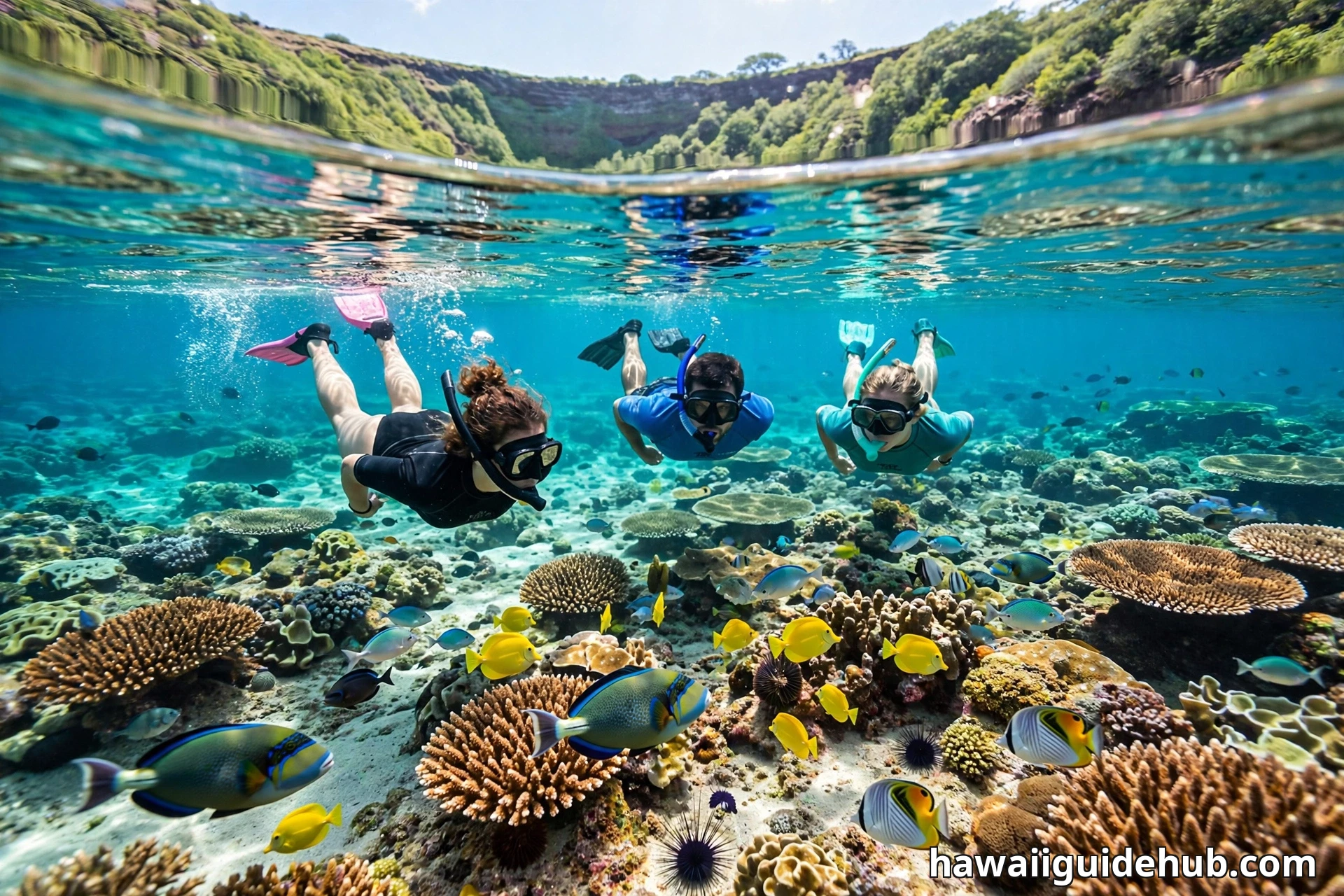
This curved volcanic bay is the island’s most famous snorkeling spot, and its reservation system is even tighter than Diamond Head’s. Non-residents pay $25 per person (kids 12 and under free), and reservations open just two days ahead at 7:00 AM Hawaiʻi time, selling out in minutes during busy seasons. A limited number of walk-in tickets are released at the gate, but treat those as a backup plan, not a strategy.
Plan around the closures: the bay is closed every Monday and Tuesday to rest the reef, plus Christmas and New Year’s Day. On open days, entry runs 6:45 AM to 1:30 PM, and everyone watches a short conservation video before heading down. Parking is $3 cash, first come first served. If Hanauma Bay sells out, the island has excellent backup snorkel spots that need no reservation.
Pearl Harbor National Memorial
The USS Arizona Memorial program is free, which surprises people given how far ahead it books. The National Park Service releases tickets at 3:00 PM Hawaiʻi time in two windows, eight weeks out and one day out, with a $1 per-ticket booking fee through Recreation.gov. If you miss both, the visitor center runs a free standby system, but a slot is not guaranteed.
Give Pearl Harbor at least half a day. The memorial itself is a 75-minute program including the boat ride, and the grounds hold two excellent museums. Bags larger than a small wallet are not allowed inside, so pack light or use the paid bag storage. Pair it with the Battleship Missouri or the Pacific Fleet Submarine Museum if you want the full day.
Oʻahu’s Best Beaches, Coast by Coast
Waikīkī and the south shore
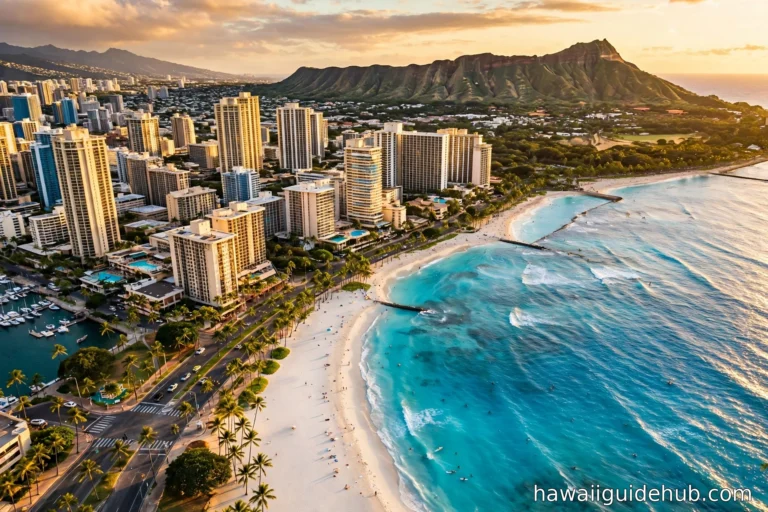
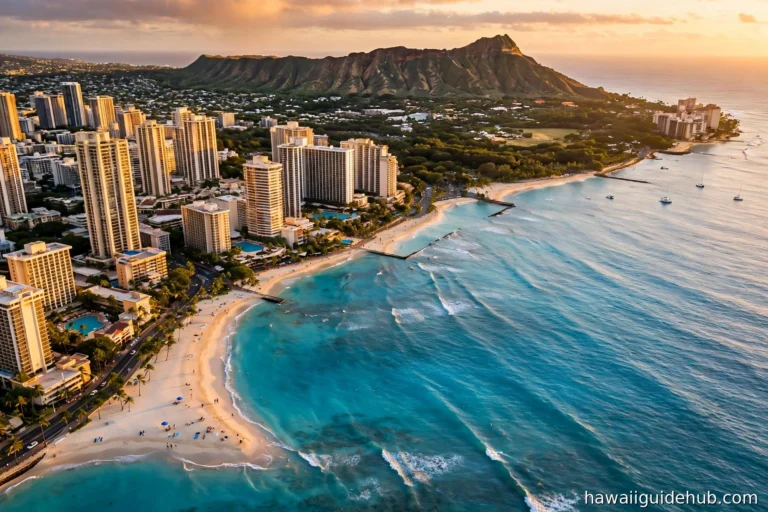
Waikīkī Beach is two miles of postcard, and it is also the best place on the island to learn to surf. The waves are gentle, the bottom is sandy, and surf schools line the beach. Queen’s Beach at the eastern end is calmer and popular with local families. Come at sunset when the whole beach turns to face the light.
The windward coast
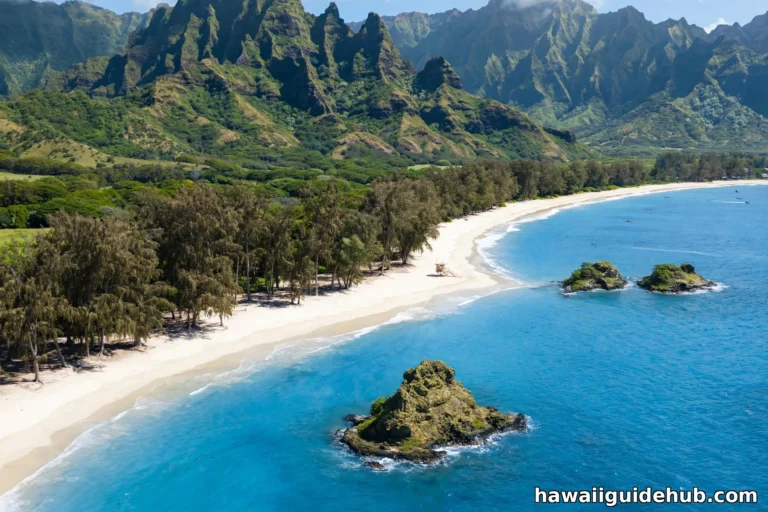
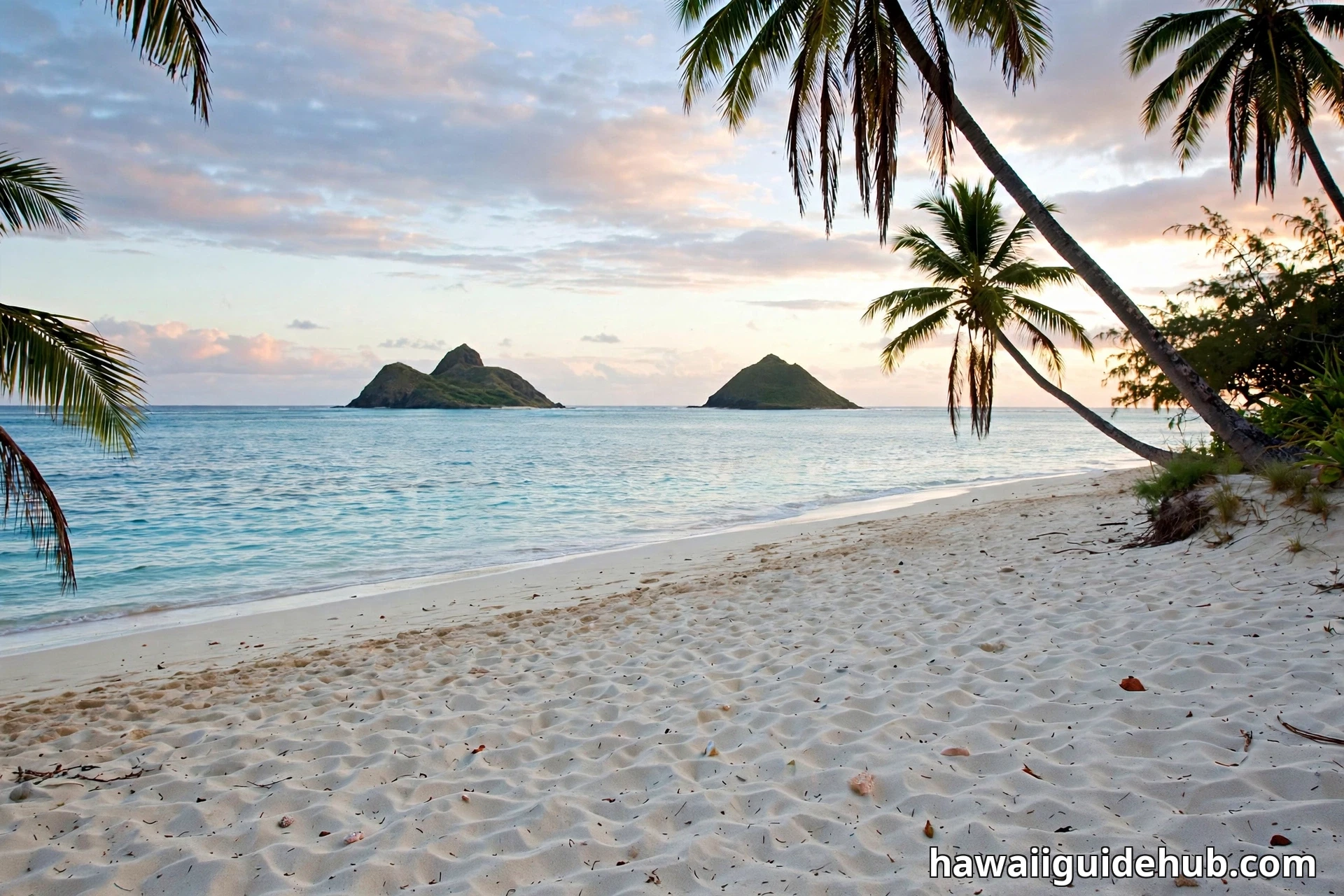
Cross the Koʻolau mountains to the windward side and the island changes completely. Lanikai Beach in Kailua is regularly ranked among the world’s best beaches: powdery sand, turquoise water, and the Mokulua Islands offshore. Parking is the catch, with no dedicated lot, so arrive early or visit on a weekday. Nearby Kailua Beach Park has facilities, rentals, and room to spread out, and Waimānalo Beach stretches for miles with hardly a crowd.
The North Shore
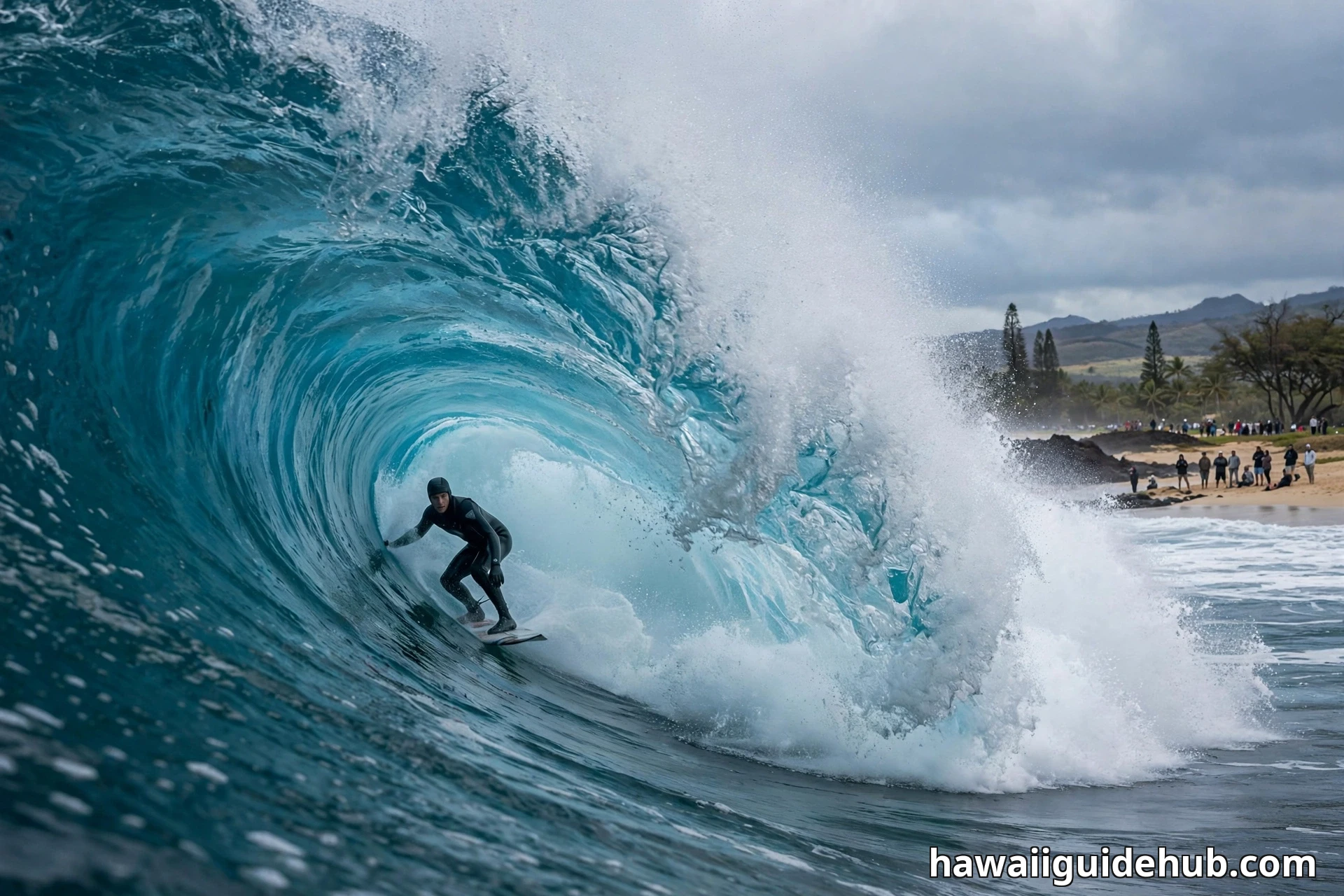
In winter, the North Shore is the surf capital of the world. Banzai Pipeline, Sunset Beach, and Waimea Bay produce the giant waves of the Vans Triple Crown and the Eddie Aikau invitational. In summer, the same ocean goes flat and places like Waimea Bay and Sharks Cove turn into superb swimming and snorkeling spots. Laniakea Beach, nicknamed Turtle Beach, is where Hawaiian green sea turtles haul out to bask; give them at least 10 feet of space, as the law requires.
The leeward coast
The island’s dry west side gets the least visitor traffic and some of its best sunsets. Ko Olina’s four lagoons are calm, manicured, and great for kids. Farther north, Yokohama Bay sits at the end of Farrington Highway with a wild, locals-favorite beach. The leeward coast is also the island’s best bet for spotting Hawaiian monk seals, which are endangered; the rule is 50 feet of distance, no exceptions.
Hikes Worth Your Mornings
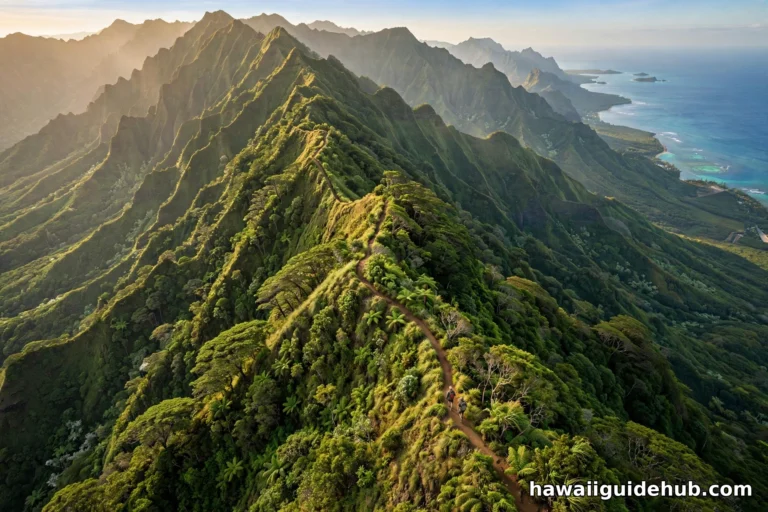
Oʻahu’s trails are short, steep, and spectacular, and the island is one of the best places in the state for outdoor adventures like hiking and snorkeling. The Lānikai Pillbox hike climbs Kaiwa Ridge in Kailua for a sunrise view over the Mokulua Islands that justifies the 5:00 AM alarm. The Makapuʻu Point Lighthouse trail is paved, family-friendly, and one of the island’s best whale-watching spots in winter. Koko Crater’s 1,048 railroad-tie steps are a brutal stair workout with a crater view as the prize. Whatever you hike, bring more water than you think you need, wear real shoes, and check the weather; windward trails turn to slick mud fast after rain.
What to Eat on Oʻahu
Eat like a local at least once a day and your trip gets twice as good for half the price. The plate lunch, two scoops of rice, mac salad, and a protein like chicken katsu or kalua pig, is the island’s defining meal and rarely costs more than fifteen dollars. Poke bowls from a grocery or fish market beat most restaurant versions. Shave ice with ice cream on the bottom is mandatory; the long lines at the famous North Shore stands move faster than they look.
For a sit-down splurge, Honolulu’s dining scene punches far above its size, from Japanese-influenced fine dining to creative Hawaiian regional cuisine. The KCC Farmers Market on Saturday mornings is worth planning a day around, with local fruit, fresh pastries, and food stalls drawing lines of locals.
Sample Itineraries
Three days: the greatest hits
Day one: Waikīkī morning, Diamond Head hike (reserved), sunset at Queen’s Beach. Day two: Pearl Harbor in the morning, ʻIolani Palace or Bishop Museum in the afternoon. Day three: drive the windward coast, Lanikai Beach, and the Makapuʻu Lookout on the way back. It is rushed, but it covers the icons; for a deeper dive, see our complete Oʻahu adventure guide.
| Day | Morning | Afternoon | Evening | Plan around |
|---|---|---|---|---|
| Day 1 | Diamond Head sunrise hike | Waikiki Beach and surf lesson | Sunset dinner on the beach | Book Diamond Head entry before you fly; sunrise slots go first |
| Day 2 | Pearl Harbor and USS Arizona | Bishop Museum or ‘Iolani Palace | Chinatown food walk | Reserve the USS Arizona program 8 weeks out; Pearl Harbor takes half a day |
| Day 3 | Hanauma Bay snorkeling | Lanikai Beach and Kailua town | Luau or Waikiki sunset sail | Hanauma Bay books 2 days out at 7 AM; luaus sell out weeks ahead |
Five days: the full island
Add a North Shore day: Haleʻiwa town, Waimea Valley, sunset at Sunset Beach. Add a fifth day for Hanauma Bay snorkeling (reserved) or a slower windward day with the Byodo-In Temple and Hoʻomaluhia Botanical Garden. Five days is the sweet spot for Oʻahu; you see the island without living in the car.
Practical Tips That Save Real Money
Groceries first: hit a supermarket on arrival day for breakfast supplies, snacks, and reef-safe sunscreen. Hawaiʻi requires sunscreen sold in the state to be free of oxybenzone and octinoxate, and Maui County goes further, so check your bottles or buy local. Parking in Waikīkī runs $30 to $50 a night at most hotels; factor that into the rental car math.
💰 Money-Saving Tip
The Go City Oahu pass can cut attraction costs if you plan 3+ paid stops in a day, but do the math first. For most visitors, the free wins, Pearl Harbor, Diamond Head views from outside the crater, and every beach, beat any paid bundle.
Respect the culture and the land. Learn to pronounce the place names, and use the ʻokina where it belongs. Do not stand on coral, do not take lava rocks, and leave every beach cleaner than you found it. The island’s beauty is not a backdrop; it is home to 1.5 million people, and visitors who act like guests are welcomed like family.
Oʻahu Travel Guide FAQs
How many days do you need on Oʻahu?
Five days covers the highlights comfortably: Waikīkī, Diamond Head, Pearl Harbor, the windward coast, and the North Shore. Three days works for the icons only. Seven days lets you slow down, revisit favorites, and add a second hike or a cultural day.
What is the best month to visit Oʻahu?
April, May, September, and October offer warm weather, calmer ocean conditions, and smaller crowds. Winter brings the North Shore’s giant surf and whale season but also the highest prices. Summer is drier and great for snorkeling island-wide.
Do you need a rental car on Oʻahu?
Not for a Waikīkī-only trip, where TheBus, walking, and ride-shares suffice. But a car transforms the trip if you want the North Shore, windward beaches, or trailheads. Many visitors split the difference: a few car-free days in Waikīkī, then a rental for island-exploring days.
Is Oʻahu expensive?
It can be, but it does not have to be. The island’s best experiences, beaches, hikes, sunsets, are free. Plate lunches, farmers markets, and grocery poke keep food costs sane. The budget killers are Waikīkī parking, resort fees, and last-minute bookings for cars and activities.
What should you book in advance for Oʻahu?
Diamond Head entry and parking (30 days out), Hanauma Bay (2 days out, set an alarm), USS Arizona Memorial program tickets (8 weeks and 1 day out), your rental car, and any luau or popular restaurant dinners. Everything else can be decided day by day.
Is Oʻahu good for first-time Hawaiʻi visitors?
It is the best first island for most people. No other island packs this much variety into day-trip distance: city, history, surf, snorkeling, hiking, and culture. Travelers who fall in love with Hawaiʻi usually return for the neighbor islands; travelers with one shot at the state should start here.
See Oʻahu on Video
Oʻahu is an island that rewards the prepared and the curious in equal measure. Book the reservations, rent the car for a few days, eat the plate lunch, and leave room in the plan for the beach you did not expect to love. The Gathering Place has been welcoming travelers for over a century, and it is ready for you.