Big Beach Maui: Oneloa’s Golden Sand, Famous Shore Break, and What to Know Before You Go

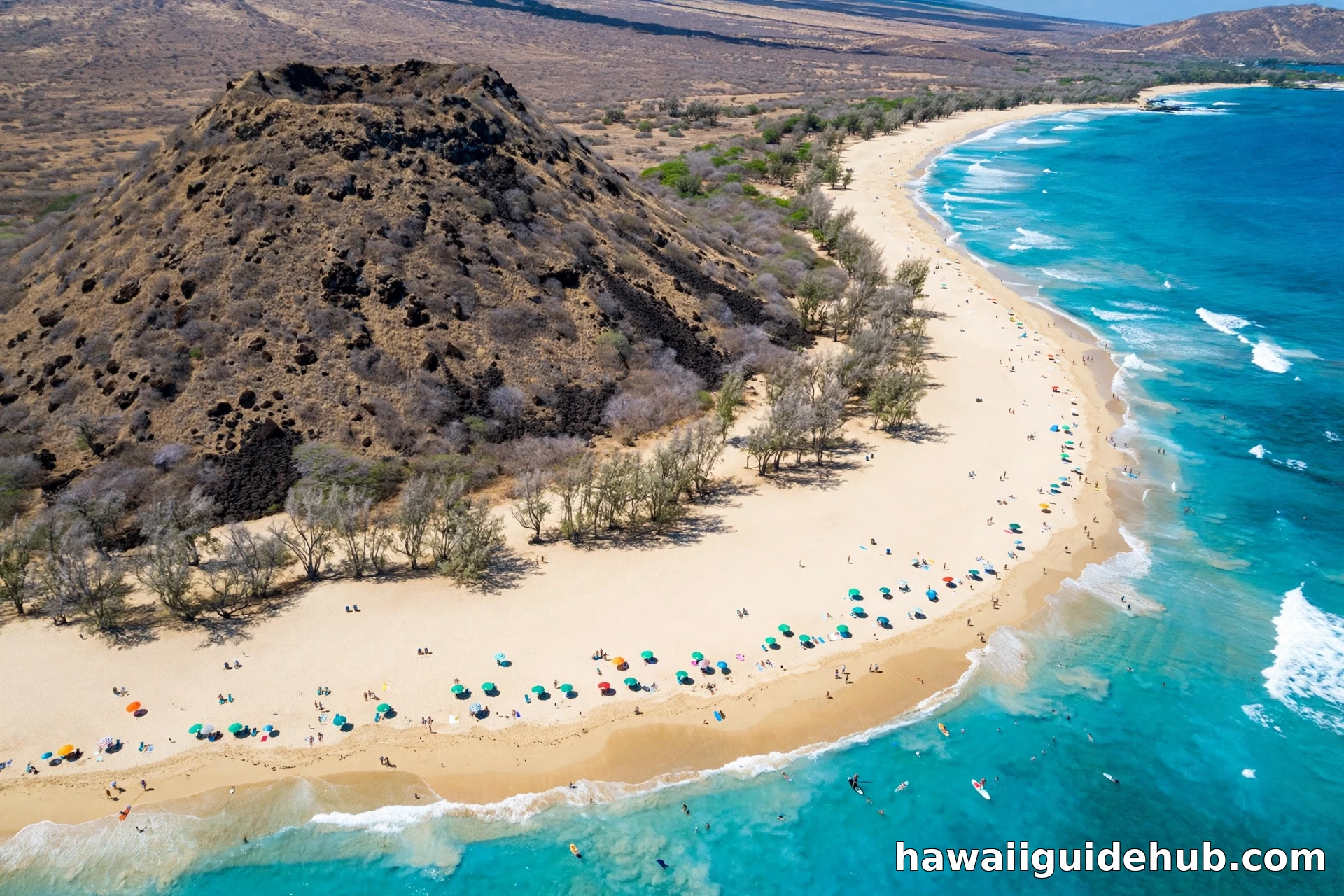
Ask anyone on Maui where the best beach day happens, and a lot of them will point south. Big Beach, the local nickname for Oneloa Beach at Mākena State Park, is the kind of place that makes you understand why. There is a long sweep of golden white sand, the water glows in shades of turquoise and deep blue, and the dark slopes of the Puʻu Ōlaʻi cinder cone stand watch at the north end. It feels wilder than the resort beaches of Wailea, and that is exactly the point.
But Big Beach has a split personality. On a calm morning it is one of the most beautiful sunbathing beaches in Hawaii. When the surf rises, its famous shore break turns into a powerful, pounding force that deserves real respect. This guide covers everything: how to get there, what the hours and fees are, how to read the ocean safely, and how to visit the little cove just around the lava rock at the north end.
Where Is Big Beach and How Do You Get There
Big Beach sits inside Mākena State Park in South Maui, just past Wailea on Mākena Alanui Road. If you are coming from Kīhei or Wailea, drive south on the Wailea Alanui and keep going past the resorts. The park entrance is at mile marker 4, marked with a sign for Makena Beach, also called Big Beach. Two paved entry roads and parking lots serve the north and south ends of the beach, so you can pick whichever entrance has space.
The drive itself is part of the experience. The road passes through Wailea’s manicured resort corridor, then the landscape opens into dry, wild country with kiawe trees and lava fields. On a clear day you can see the islands of Kahoʻolawe and Lānaʻi from the road. Just south of the park, the road continues to the ʻĀhihi-Kīnaʻu Natural Area Reserve and eventually La Perouse Bay, so Big Beach pairs well with a full day exploring South Maui.
Why Big Beach Is Called Oneloa
Big Beach is the name everyone uses, but the beach’s Hawaiian name is Oneloa, and you will see it on park signs as well. Do not confuse it with the other Oneloa: there is a second beach called Oneloa, better known as Ironwood Beach, up in Kapalua on Maui’s west side. The Mākena one is the Big Beach that shows up in every beach ranking.
Mākena State Park covers 164 acres of wildland coastline, and Big Beach is its centerpiece. The beach runs for almost half a mile of golden white sand on the south side of the Puʻu Ōlaʻi cinder cone. The cone itself rises about 360 feet above sea level and is the park’s most prominent landmark. You will see it in nearly every photo of the beach.
The Beach Itself: Golden Sand Under the Cinder Cone
Big Beach earns its name in more than one way. The sand stretches wide and long, with room to spread out even on busy days. The sand here is not the powdery white you find at some Maui beaches. It is a warm golden color, and there is a quirk visitors notice right away: the grains are coarse and squeak under your feet when you walk.
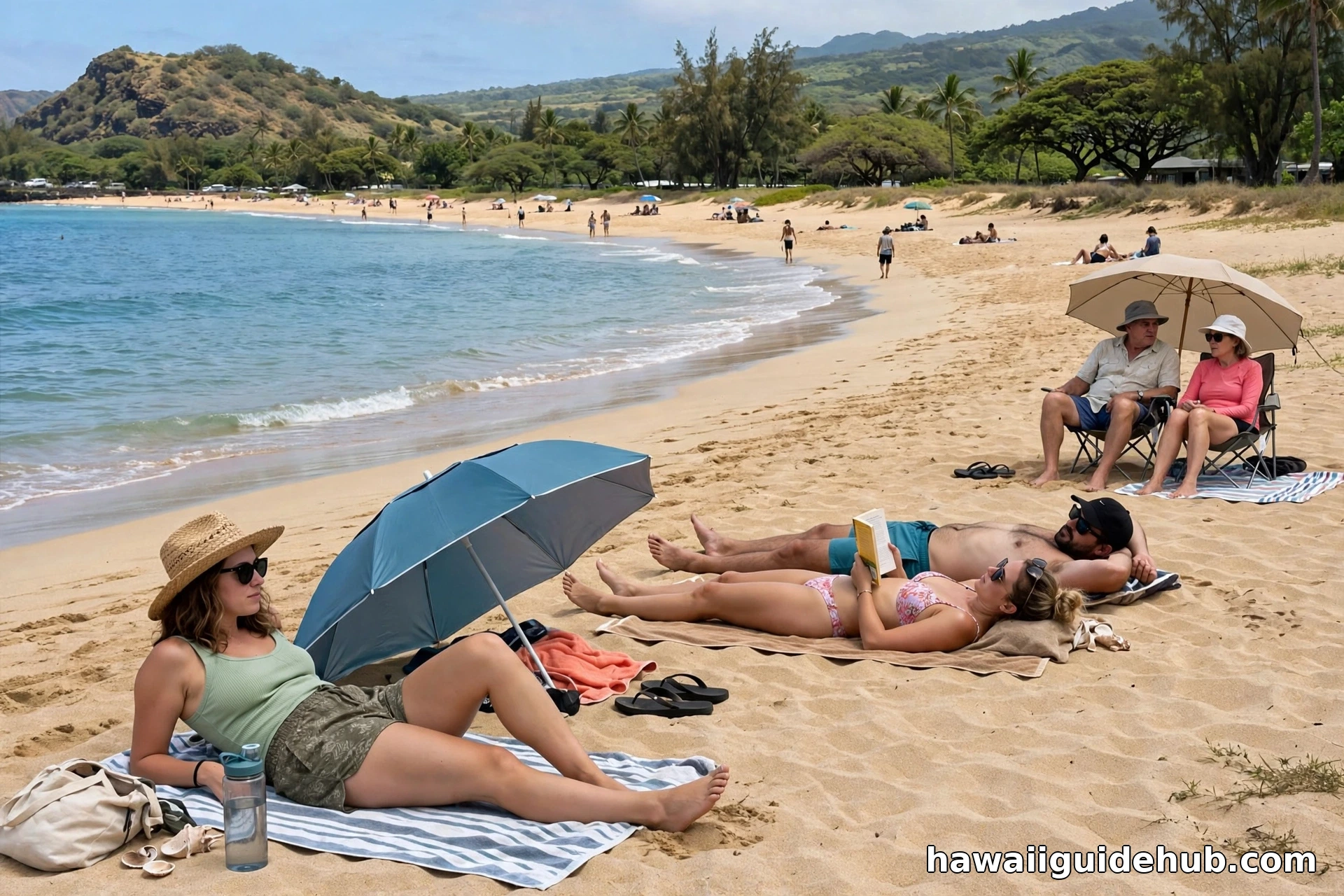
The water is the other star. With very little development nearby, there is almost no runoff, so the ocean stays remarkably clear and blue. On calm days the shoreline looks like a postcard: gentle waves washing over the golden sand, snorkelers floating over the reef at the edges, and the deep blue Pacific stretching to the horizon.
One thing to know is that Big Beach is fairly exposed to the south swell. Conditions change with the season and the swell direction, which is why the same beach can feel like a lake one morning and a washing machine the next afternoon. The sections below on swimming and safety explain how to read it.
The Famous Shore Break: What It Is and Why It Matters
The Hawaii DLNR, which manages Mākena State Park, posts a blunt warning for this beach: the shore break can be very dangerous. Big Beach is famous for one of the most powerful shore breaks in Hawaii. The beach drops off steeply, so ocean swells that would roll in gently elsewhere jack up suddenly and slam into the shallow sand right at the water’s edge.
This is the part of the beach that sends people to the hospital. Every year, visitors break necks, backs, and shoulders by getting caught wrong in the shore break. The injuries happen most often to people who dive headfirst into the waves or get picked up and slammed into the sand. The water looks inviting, which is exactly why the warning matters.
That does not mean you cannot swim at Big Beach. On calm days, swimming here is wonderful. The key is to check the conditions before you get in, swim only when the surf is small, and stay near the lifeguard towers. Lifeguards are stationed at the beach, and they are the best source of honest, same-day advice about the shore break.
Bodyboarding and Bodysurfing at Big Beach
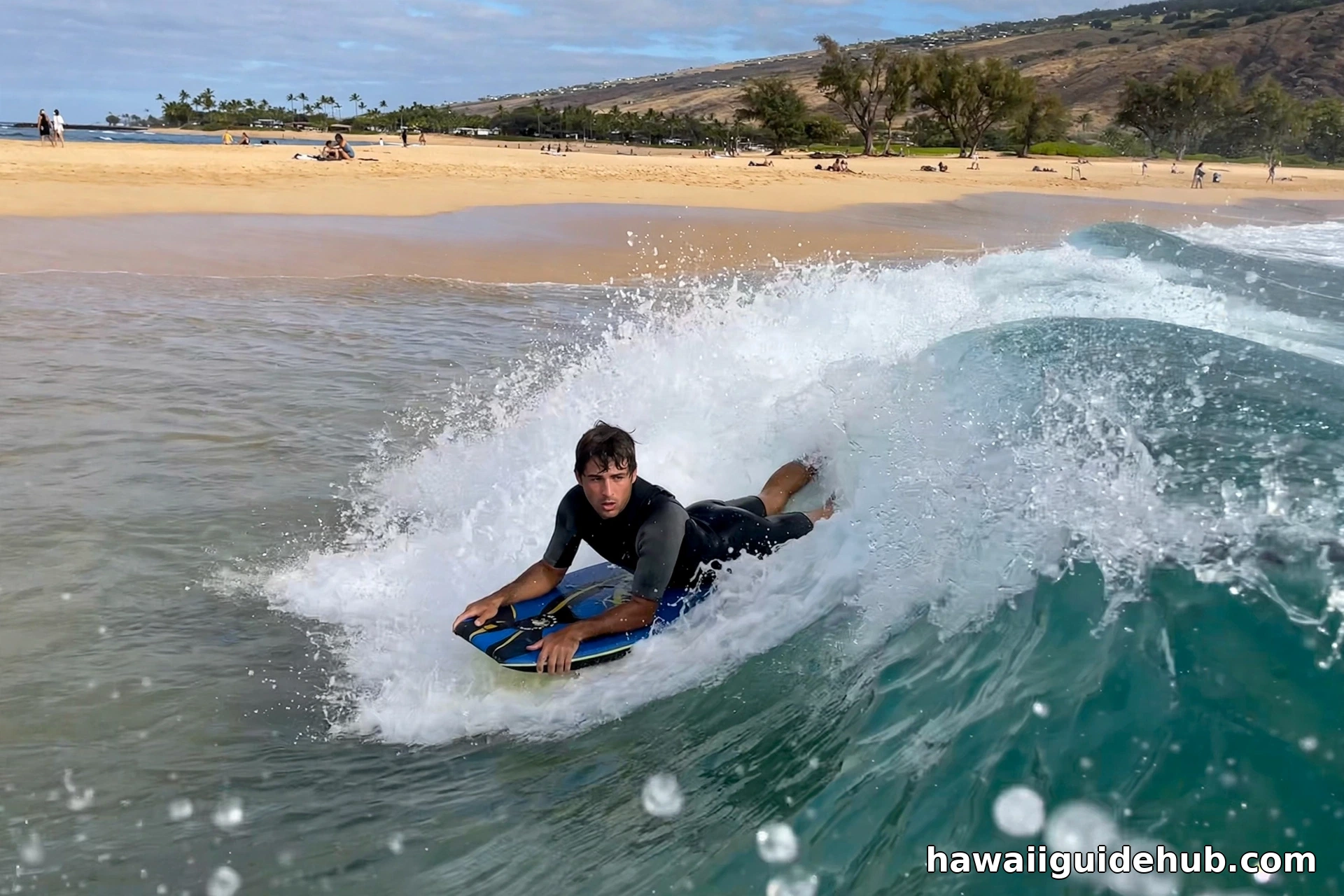
For experienced riders, the same shore break that frightens swimmers is a world class playground. Big Beach is one of Maui’s best bodysurfing and bodyboarding beaches, and on a good swell you will see locals threading the shore break barrels like pros.
If you are an experienced bodyboarder, bring your own board and fins, use a leash, and ride only within your limits. If you are a beginner, this is not the beach to learn on. Take a lesson at a gentler South Maui beach first, or come to Big Beach on the calmest days of summer and stay in the whitewater near shore. Never bodyboard alone, and never turn your back on the ocean between sets.
Little Beach: The Cove Over the Lava Rock
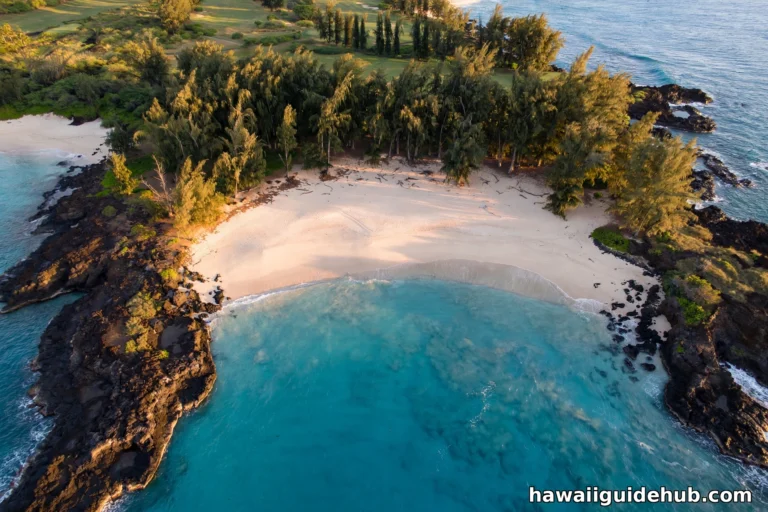
At the north end of Big Beach, a dark lava outcrop juts into the ocean. Climb over that rock, a short five minute scramble on a worn trail, and you reach Little Beach, the small cove on the west side of Puʻu Ōlaʻi. It is only a few hundred feet long, tucked between volcanic rock with calm, clear water.
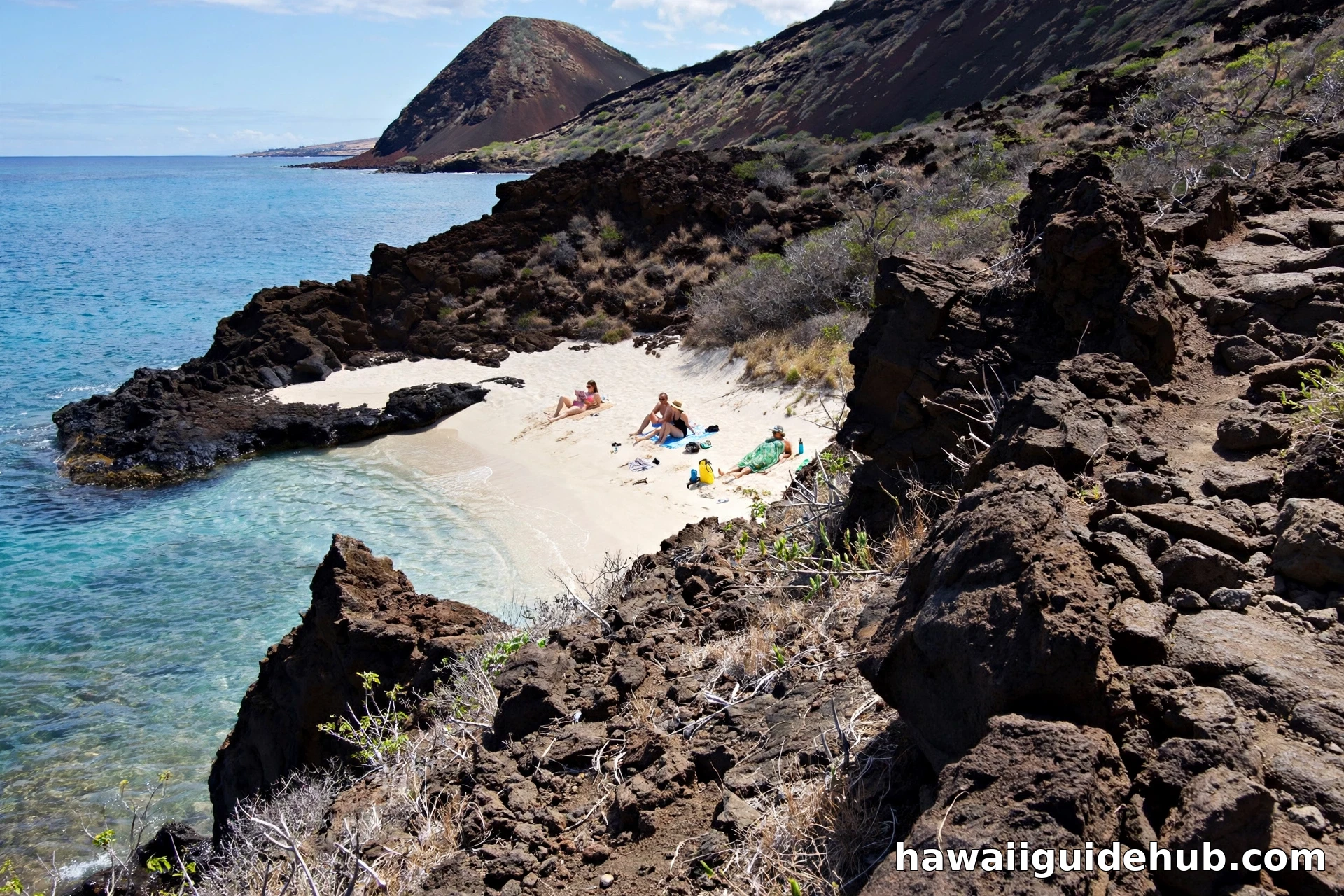
Little Beach is widely known as Maui’s most famous clothing-optional beach. Nude sunbathing is technically not allowed in a state park, but it is openly practiced here, and Sunday afternoons bring the well known drum circle, when locals gather with drums and fire dancers at sunset. Families with kids generally stick to Big Beach. If you visit Little Beach, the etiquette is simple: be respectful, do not photograph people without permission, and leave the drum circle to the regulars.
Hours differ from the main beach. Little Beach closes at 4:00 PM on Saturdays and Sundays, and at 7:00 PM on weekdays, while Big Beach stays open to 7:00 PM daily, to 7:45 PM in the summer months of May, June, and July.
The Black Sand Neighbor: Oneʻuli Beach
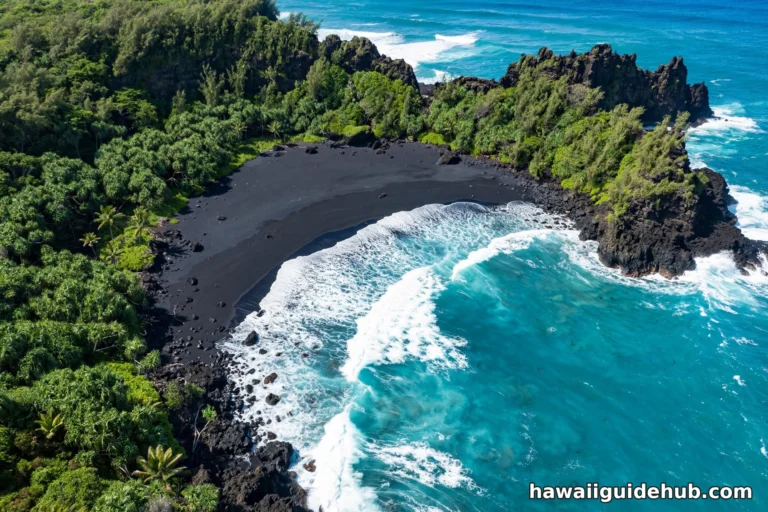
Mākena State Park actually holds three beaches. On the north side of the park, closest to the cinder cone, sits Oneʻuli Beach, also called Naupaka Beach. It is a black sand beach formed from the park’s volcanic geology, a completely different mood from the golden sand of Big Beach. It is reached by a dirt road from Mākena-Keoneʻōʻio Road and gets far fewer visitors. If you want to see both faces of Mākena in one day, pair a morning at Big Beach with an afternoon walk at Oneʻuli.
Hours, Fees, and Parking
Mākena State Park charges entry and parking fees for non-residents, and the details are worth knowing before you go. Hawaii residents enter free with a state driver’s license or ID. Non-residents pay $5 per person, with children 3 and under free, plus $10 per vehicle for parking. Commercial vehicles pay higher rates.
The park is open daily from 5:00 AM to 7:00 PM, with extended hours to 7:45 PM in May, June, and July. Little Beach follows the shorter weekend schedule noted above. Pay for parking at the kiosks on arrival or online through the park’s pay system. Arrive early on weekends and holidays, because the lots fill and the best sand goes fast.
Facilities: What to Expect and What to Bring
Big Beach has restrooms and outdoor showers, picnic tables, and trash bins. That is where the amenities end. There is no drinking water in the park, no food stands, and no shade rentals. Food trucks sometimes set up in or near the parking lots, but do not count on them. Bring everything you need: water, food, reef-safe sunscreen, an umbrella, and sturdy shoes for the walk from the lot and the scramble to Little Beach.
The kiawe trees near the entrances drop sharp thorns, so wear sandals or water shoes around the parking areas. Keep valuables out of sight in your car, as with any popular Hawaii beach.
Best Time to Visit Big Beach
Morning is the magic window. Arrive before 10:00 AM for the calmest water, the easiest parking, and sand that has not yet heated up. The trade winds often pick up in the afternoon, which chops up the water and blows sand around.
Seasonally, summer tends to bring smaller surf to South Maui and the calmest swimming conditions, while south swells from spring through fall can raise the surf and make the shore break punishing. Winter is not automatically bad, but check the surf forecast before planning a swim day. For bodysurfers and bodyboarders, a solid south swell is exactly what you came for.
If you are exploring things to do in Wailea, Big Beach makes an easy half day trip south of the resorts. And if you are weighing all the reasons to visit Maui, a morning at Big Beach belongs on the list.
What to Bring to Big Beach
- Plenty of drinking water, since the park has none
- Reef-safe sunscreen, a hat, and a beach umbrella for shade
- Sturdy sandals or water shoes for kiawe thorns and the lava rock trail
- Snorkel gear for the calm edges of the beach on flat days
- A bodyboard and fins if you are an experienced rider
- Snacks or a picnic, because there are no food stands inside the park
- A dry bag for valuables if you plan to swim
Traveling in the cooler months? Check the best places to visit in Maui in winter to plan the rest of your trip around the season’s calmest beaches. For more ways to get in the water safely, see our guide to outdoor adventures in Hawaii.
See Big Beach on Video
Big Beach Maui FAQs
Is Big Beach good for swimming?
It can be, on calm days. Big Beach is famous for a powerful shore break, so swimming is best when the surf is small. Check with the lifeguards before you get in, swim near the towers, and stay out when the waves are up.
Is there a lifeguard at Big Beach?
Yes, lifeguards are stationed at Big Beach. They are the best source of same-day advice about the shore break and currents.
How much does it cost to visit Big Beach?
Hawaii residents are free with ID. Non-residents pay $5 per person, children 3 and under are free, and parking is $10 per vehicle.
Can you walk from Big Beach to Little Beach?
Yes. From the north end of Big Beach, a short trail scrambles over the lava outcrop to Little Beach. Wear sturdy shoes, since the rock is rough and uneven.
Is Little Beach clothing-optional?
Little Beach is widely known as a clothing-optional beach, though nudity is technically not allowed in a state park. Sunday afternoons bring the famous drum circle at sunset.
Is Big Beach the same as Oneloa Beach?
Yes. Big Beach is the nickname for Oneloa Beach at Mākena State Park in South Maui. Note that there is a separate Oneloa, also called Ironwood Beach, in Kapalua on the west side.
Big Beach is the rare beach that delivers two experiences in one: a postcard perfect stretch of golden sand for lazy mornings, and a genuine ocean challenge for skilled wave riders. Respect the shore break, bring your own water and shade, and you will see why locals guard their mornings here so jealously. It is Mākena the way it has always been, wild, wide open, and absolutely worth the drive.