Turtle Town Maui: Snorkeling with Honu in South Maui’s Turtle Paradise

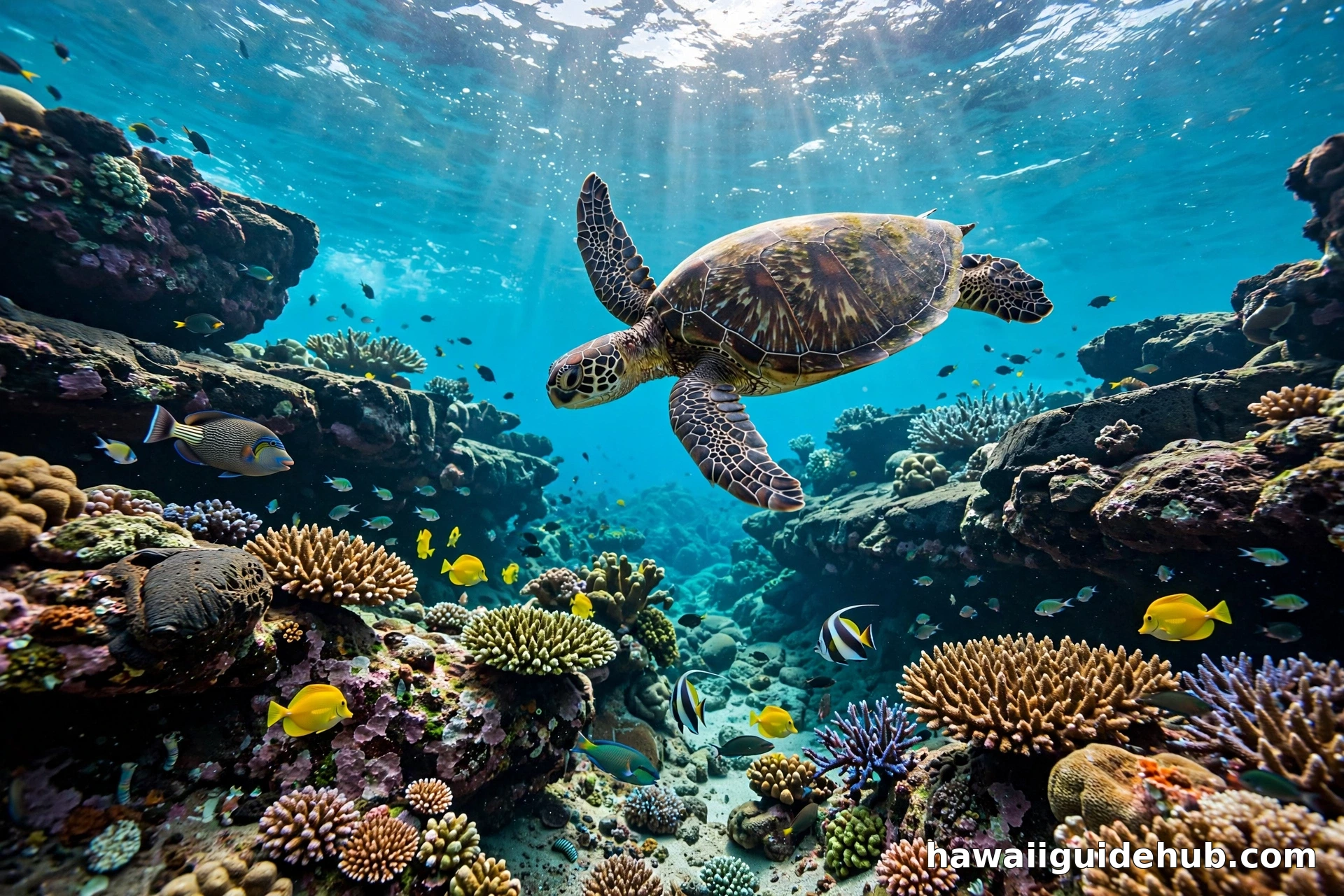
Some places earn their name the slow way, one sighting at a time. Turtle Town is one of them. Ask around the South Maui coast and you will hear it the way locals say it, half as a place and half as a promise: the water off Makena where the honu always seem to be waiting. This guide covers exactly where Turtle Town is, how to reach it from shore or by boat, what you will see there, and how to behave around the turtles so the place stays as special as it feels.
What Turtle Town Actually Is
Let us clear up the biggest confusion first. Turtle Town is not an official name on any map. It is a nickname for a stretch of South Maui reef where Hawaiian green sea turtles gather in remarkable numbers. The zone runs roughly a mile and a half along the Makena coast, from Nahuna Point in the north down to Black Sand Beach in the south. For most shore snorkelers, Turtle Town means one thing: the reef off Maluaka Beach, the calm crescent of sand in Makena that serves as the main public access point.
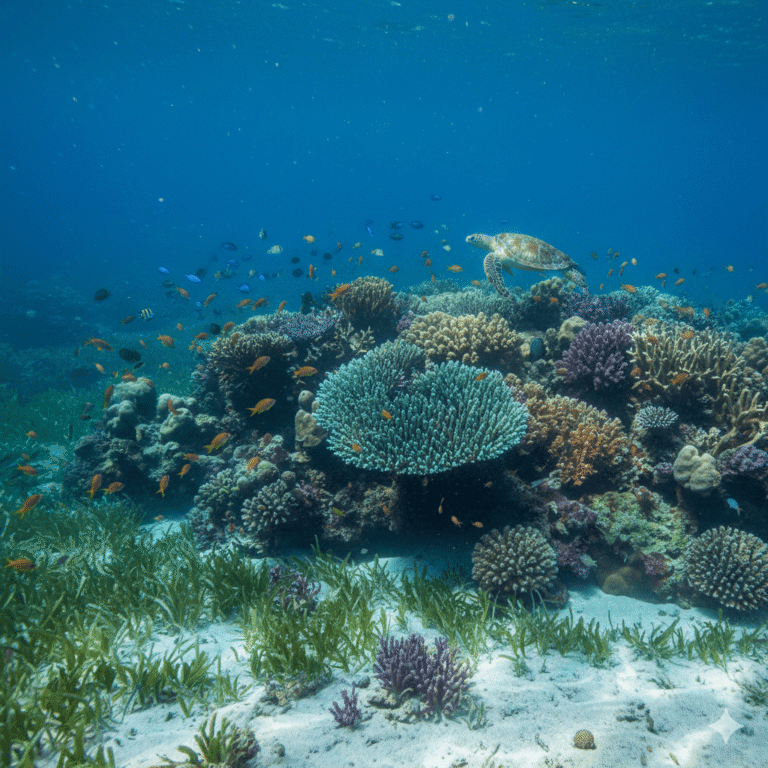
The reef itself is a series of shallow lava formations and coral heads built over ancient flows. Because the south shore sits in the rain shadow of Haleakala, it escapes most of the trade winds that rough up the island’s other sides. Calm water plus healthy reef plus abundant limu (algae) equals a perfect home for honu. The turtles come here to feed and rest, and once you slip under the surface you understand why the nickname stuck.
Why the Honu Love This Reef
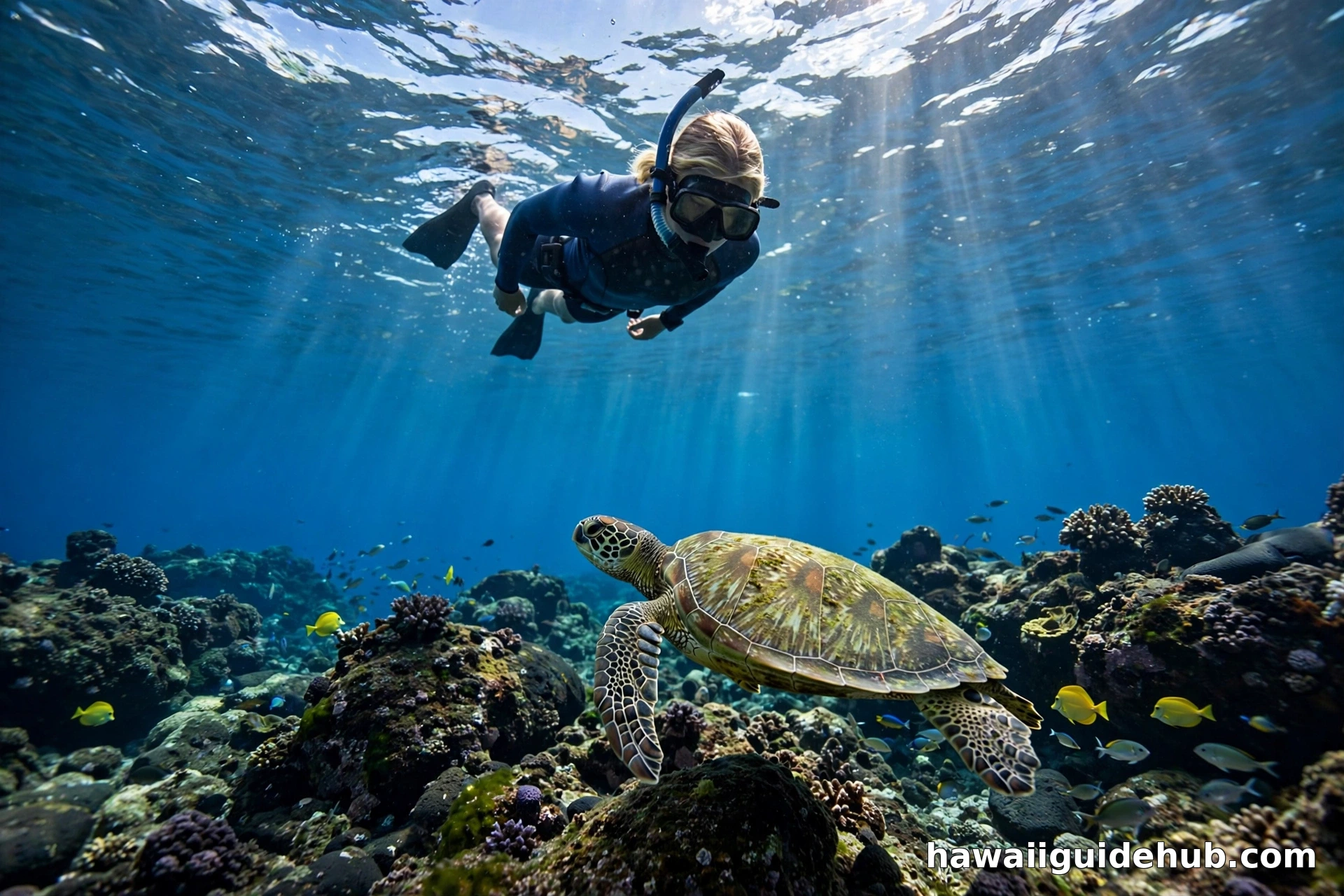
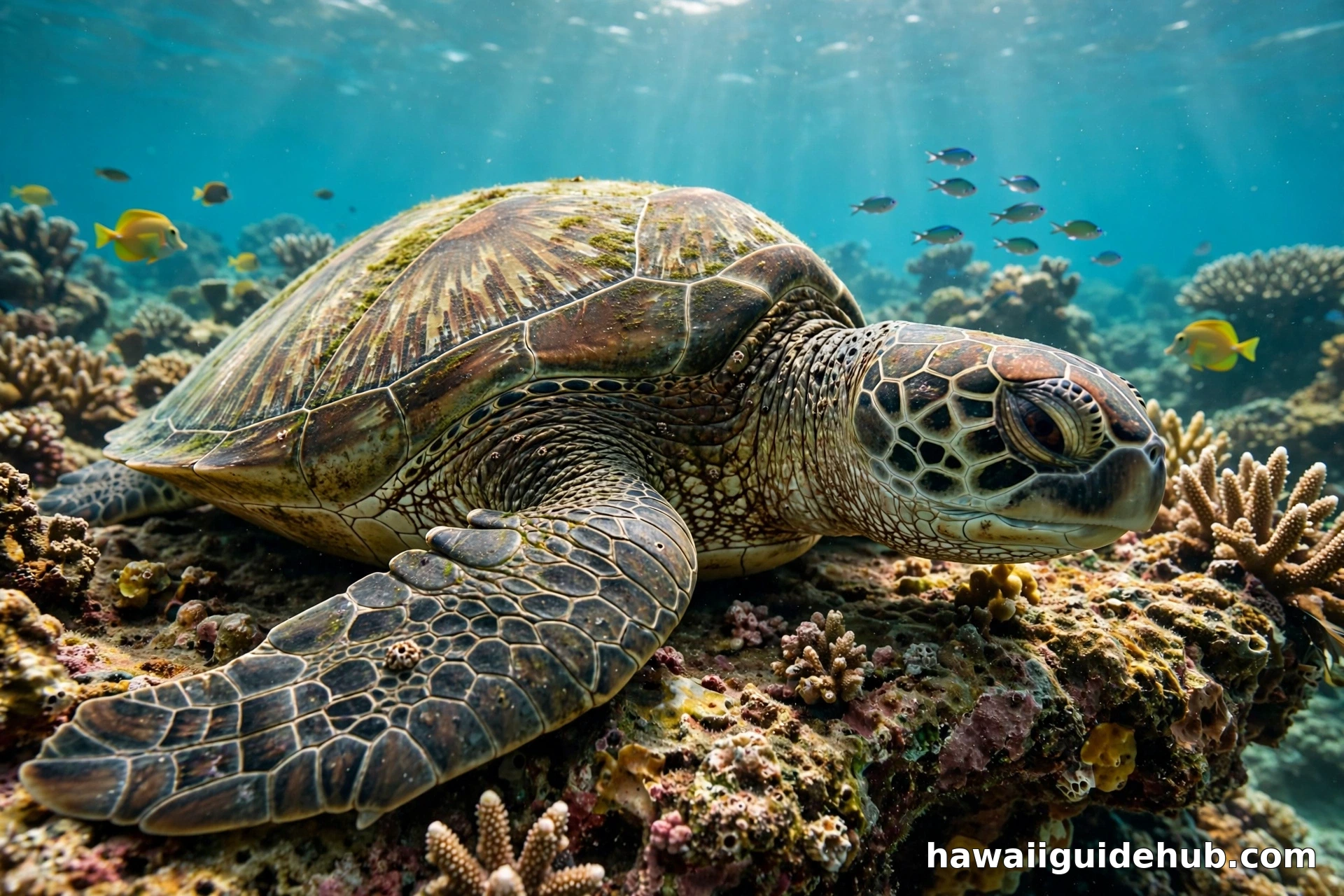
Hawaiian green sea turtles, or honu, are the reason Turtle Town exists as a concept. They are drawn here for the same reasons any animal returns to a favorite spot: food and shelter. The reef flats grow the algae species honu feed on, and the lava rock shelves offer sheltered resting ledges where turtles tuck in to sleep. On a good morning you can watch a turtle graze slowly along the reef edge, then glide up for a breath before sinking back down.
Honu hold a special place in Hawaiian culture as aumakua, or family guardians, which is one more reason to treat every encounter with respect. These animals were once hunted nearly to disappearance in Hawaii. Thanks to state and federal protections, their numbers around the main islands have grown steadily, and Turtle Town is one of the best places in the state to witness that recovery firsthand. Our sea turtle etiquette guide goes deeper into the rules that keep them safe.
Where Exactly to Go
The names get tangled, so here is the plain version. Maluaka Beach is the shore access point. It sits in Makena, just south of the Wailea resort corridor. Drive south on Wailea Alanui Drive, which becomes Makena Alanui Drive. Turn onto Honoiki Street, follow it to the end, then turn left onto Makena Road. You will pass the old stone Keawala’i Church on your right, and the public parking lot sits across the street from it. From there it is a short walk south down Makena Road to the beach.
Once you are on the sand, the best snorkeling is at the south end, where the beach meets the rocky point. Enter from the sand and swim out toward the reef structure. The water is shallow at first, then the lava reef drops into the turtle zone. Two other access points are worth knowing about. Nahuna Point, at the northern edge of the zone, puts you directly onto some of the richest coral structure on this stretch, but the entry crosses sharp lava rock, so it suits confident snorkelers with reef shoes. Makena Landing, a small boat ramp just north of Maluaka, works well if you are launching a kayak or want a different angle on the same reef.
Snorkeling from Shore: How It Works
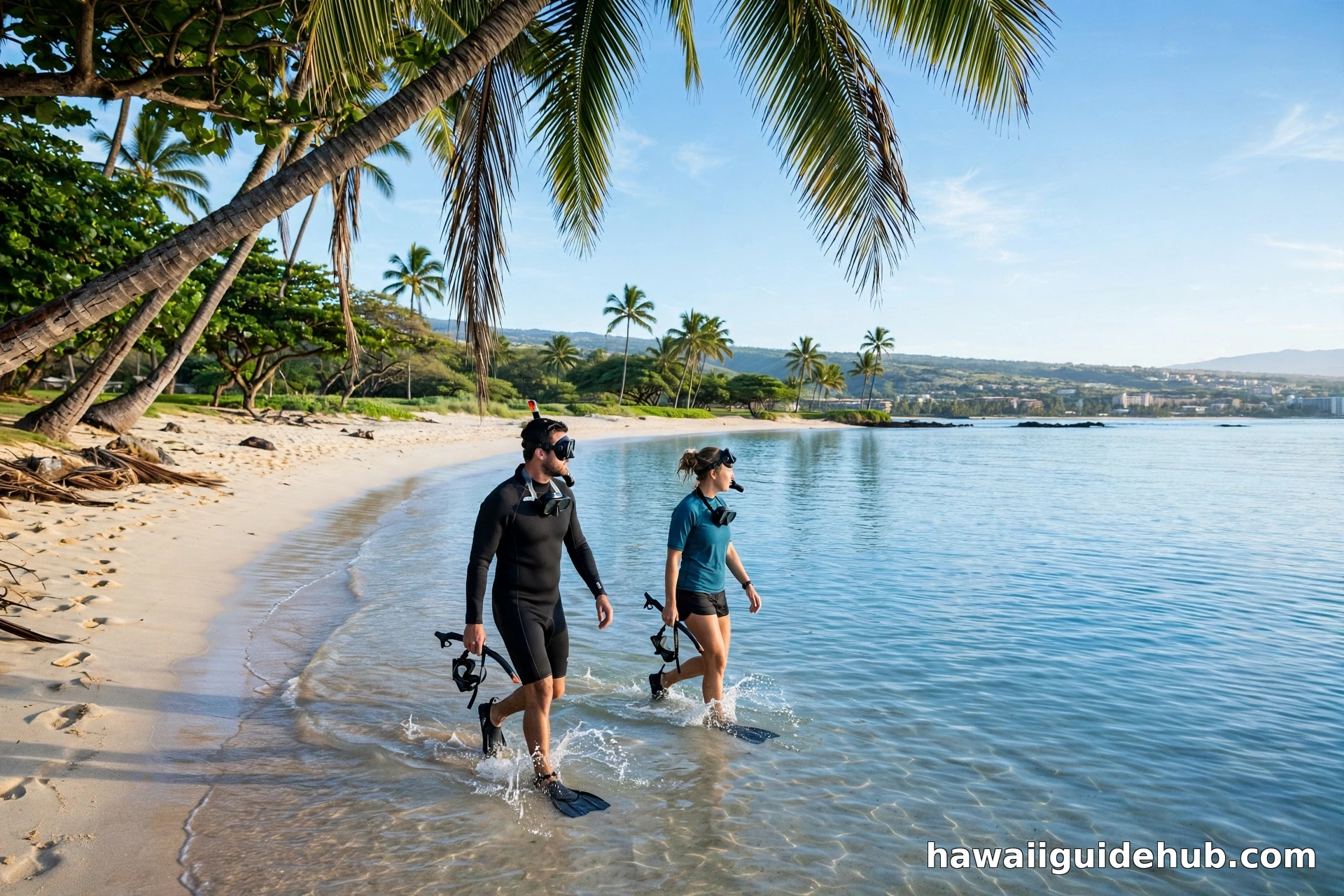
Shore snorkeling at Turtle Town is free, flexible, and completely doable on a calm morning. There is no fee for parking or beach access. The beach has free public parking, restrooms, and outdoor showers. There is no lifeguard on duty and no food for sale nearby, so bring water, snacks, and reef-safe sunscreen applied well before you enter the water.
The routine is simple. Arrive in the morning, ideally before 10 AM. Check the water from the sand: you want a calm surface and clear visibility. Walk in from the south end of the beach, swim out slowly, and float over the reef edge. Turtles often cruise right along the reef edges, and patient snorkelers who float quietly see far more than the ones who kick hard and chase. If the surf looks high or the water looks milky, skip the swim and enjoy the beach instead. The ocean here can change fast, and no turtle sighting is worth a rough entry.
The Boat Tour Option
If you would rather let someone else read the water, a boat tour is the easy button. Catamarans and snorkel boats leave from Ma’alaea Harbor, about 25 minutes north of the beach, and many combine Turtle Town with Molokini Crater in a single morning trip. The big advantage is flexibility: the captain picks the calmest reef zone of the day and anchors right over it, so you skip the swim out and the guesswork.
Expect to pay roughly $100 to $160 per person for a half-day trip, usually with breakfast or lunch included along with gear, flotation, and a naturalist-style crew. Tours are a smart pick for first-time snorkelers, kids, and anyone who wants a guide keeping an eye on conditions. For confident swimmers, the free shore route at Maluaka gives you the same turtles at your own pace.
What You Will See Besides Turtles
Turtles get the billing, but the reef has a full supporting cast. Schools of yellow tang, butterflyfish, and damselfish work the coral heads. You may spot a Moorish idol, a trumpetfish hovering vertical in the water column, or an eel weaving through a lava crevice. Eagle rays occasionally glide across the sandy patches between reef sections. If you want to know what you are looking at, our guide to the iconic marine species of Hawaii is a handy companion.
Turtle Etiquette: The Rules That Matter
This part is not optional. Honu are protected by state and federal law, and harassing one carries real fines. More than that, the rules exist because they work. Turtles that are not chased or crowded behave naturally, which means everyone gets better encounters.
- Keep 10 feet of distance. Never touch, chase, ride, or corner a turtle. Do not block its path to the surface.
- Do not feed anything. Not turtles, not fish. Feeding changes behavior and damages the reef ecosystem.
- Float quietly. Slow fin kicks, calm breathing, no splashing. Patient snorkelers see the most.
- Do not stand on the reef. Coral is alive and slow growing. If you need to rest, float or swim back to sand.
Underwater, watch how the turtles move. A honu that notices you will often just keep gliding. Give it room and it will go about its day with you as a quiet audience. That is the whole magic of the place.
Safety: Read the Water Before You Swim
Turtle Town is an easy snorkel on a calm day and a bad idea on a rough one. There is no lifeguard at Maluaka Beach, so you are your own safety officer. Always snorkel with a buddy, stay within your comfort zone, and get out of the water if the wind picks up or the visibility drops. South swells, more common in summer, can stir up the south shore and make the water murky even when the beach looks inviting from the sand.
A few practical points. Wear reef-safe sunscreen only, applied at least 20 minutes before you swim so it absorbs instead of washing off onto the coral. A snorkel vest is a fine idea if you are not a strong swimmer; nobody minds. Watch the lava rock entries, which can be slippery and sharp. And keep an eye on the sky: Maui’s weather changes fast, and a calm morning can turn into a windy afternoon. For the bigger picture of planning island adventures safely, see our guide to outdoor adventures in Hawaii.
Best Time to Visit
Turtles feed on this reef year round, so there is no single magic month. The better question is what time of day and what conditions. Morning wins, every time. Between roughly 7 and 10 AM the water is usually at its calmest and clearest, before the afternoon trade winds ripple the surface and stir up sediment. You do not need to be in the water at sunrise; just wait for full daylight, check conditions from the beach, and go when it looks right.
Across the year, watch the surf rather than the calendar. Low surf and light winds matter more than the month. Summer can bring south swells that reduce clarity on the south shore, and winter sometimes delivers Kona wind episodes or rain runoff that does the same. Before you commit to a day, check the surf forecast and water quality advisories. Turtle Town is one of the standout stops among the many reasons to visit Maui, but it rewards the visitors who pick their day.
What to Bring
Pack like you are heading to a beach with no services, because you are. Bring water and snacks, since there is nothing to buy nearby. Reef-safe sunscreen is required for the reef’s sake. A mask, snorkel, and fins are the basics; if you do not own them, rental shops in Kihei and Wailea will set you up for the day. A dry bag keeps your phone and keys safe, and a beach umbrella or shade tent helps, since the shoreline has limited natural shade. If you are a first-time visitor to Hawaii snorkeling, a flotation vest adds confidence without getting in the way.
See Turtle Town on Video
Frequently Asked Questions
Where exactly is Turtle Town on Maui?
Turtle Town is the nickname for a South Maui reef zone offshore from Maluaka Beach in Makena, roughly between Nahuna Point and Black Sand Beach. For shore snorkelers, it effectively means the reef off Maluaka Beach.
Is it free to snorkel at Turtle Town?
Yes. Snorkeling from shore at Maluaka Beach is free, including the public parking lot. Boat tours that visit Turtle Town charge a fee, typically around $100 to $160 per person.
Are there lifeguards at Maluaka Beach?
No. There is typically no lifeguard on duty, so always snorkel with a buddy, check conditions carefully, and stay within your abilities.
How close can I get to the sea turtles?
Keep at least 10 feet away. Never touch, chase, or block a turtle’s path to the surface. Honu are protected by law, and respecting the distance gives you the most natural encounters.
When is the best time to snorkel at Turtle Town?
Mornings, roughly 7 to 10 AM, when the water is calmest and clearest. Turtles are present year round; choose days with low surf and light wind rather than a particular month.
A Reef Worth Protecting
Turtle Town works because the pieces fit together: a sheltered reef, clear water, abundant food, and turtles that have learned this shoreline is safe. Your part of the deal is small but real. Keep your distance, float calmly, use reef-safe sunscreen, and take your trash with you. Do that, and the honu of Makena will keep gliding past snorkelers for generations to come.