Maniniʻowali Beach: Kua Bay, the Big Island’s Brightest Little Cove

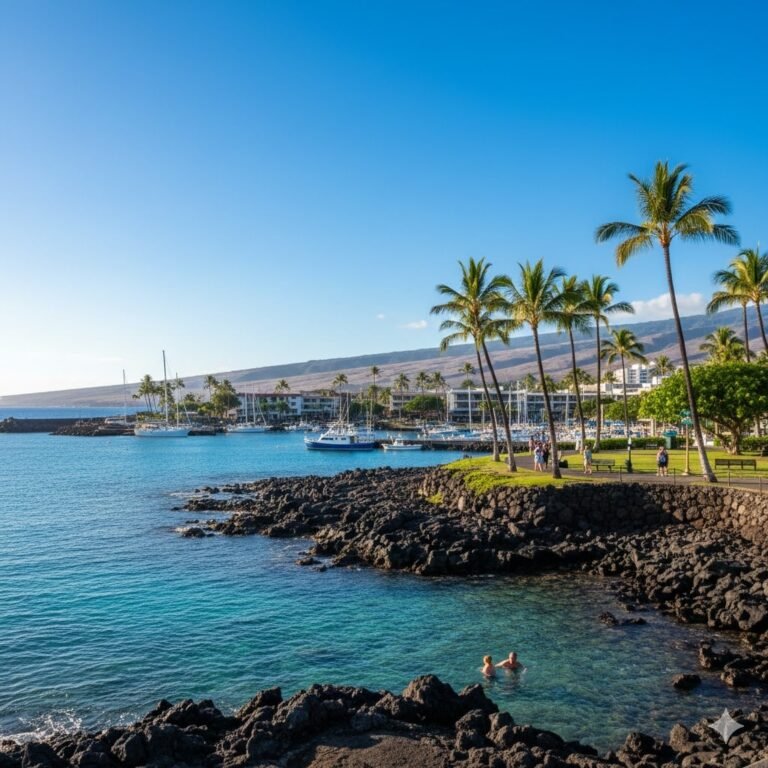
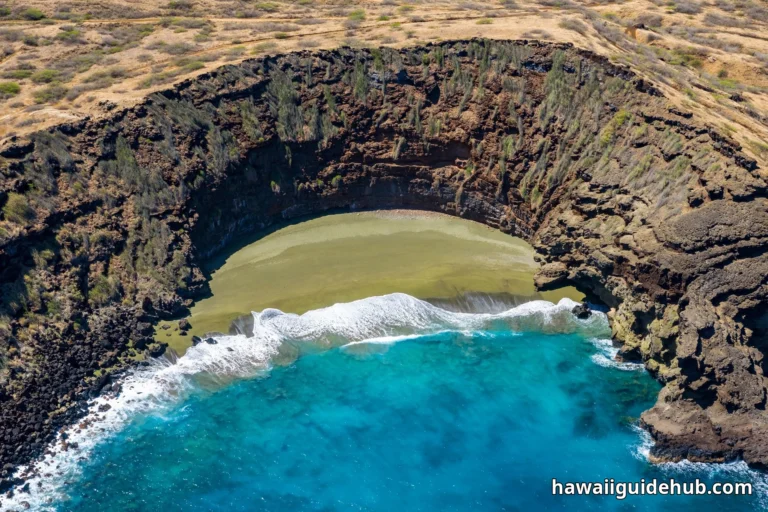
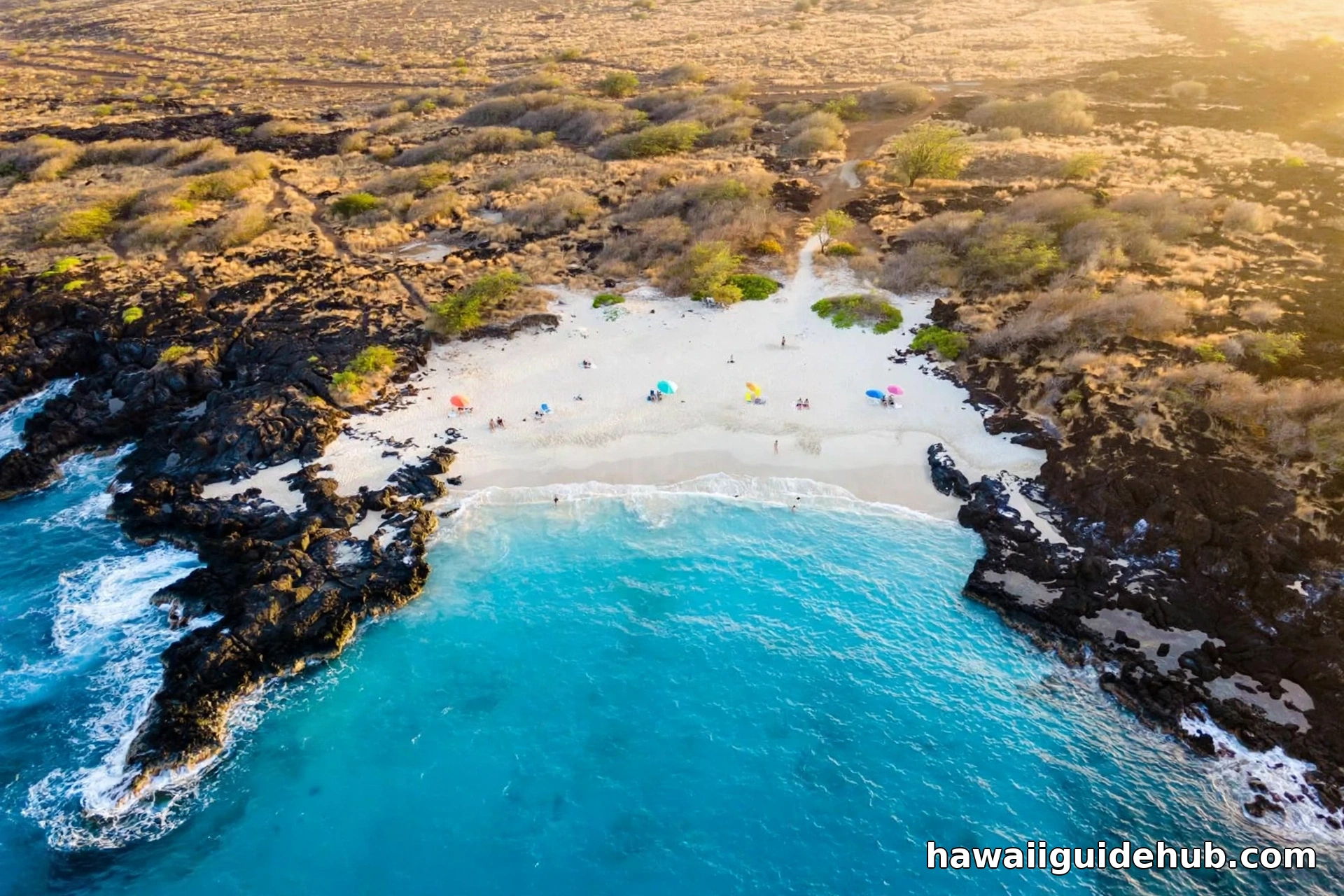
Few beaches in Hawaii feel both easy and wild at the same time, but Maniniʻowali Beach pulls it off. Known to almost everyone simply as Kua Bay, this bright crescent of white sand sits tucked between black lava rock on the North Kona coast of the Big Island, about 14 miles north of Kailua-Kona. The water glows an almost unreal turquoise, the sand is soft and powdery, and on a calm morning you can float over reefs busy with yellow tang while a green sea turtle cruises past. It is the easiest beach to reach inside Kekaha Kai State Park, with real parking and restrooms, and it still feels like a discovery. Also worth a look: Green Sand Beach.
Because the beach is part of a state park, a little planning goes a long way. Entry fees now apply for non-residents, the gates lock at night, and the ocean here deserves genuine respect.
Where Is Maniniʻowali Beach?
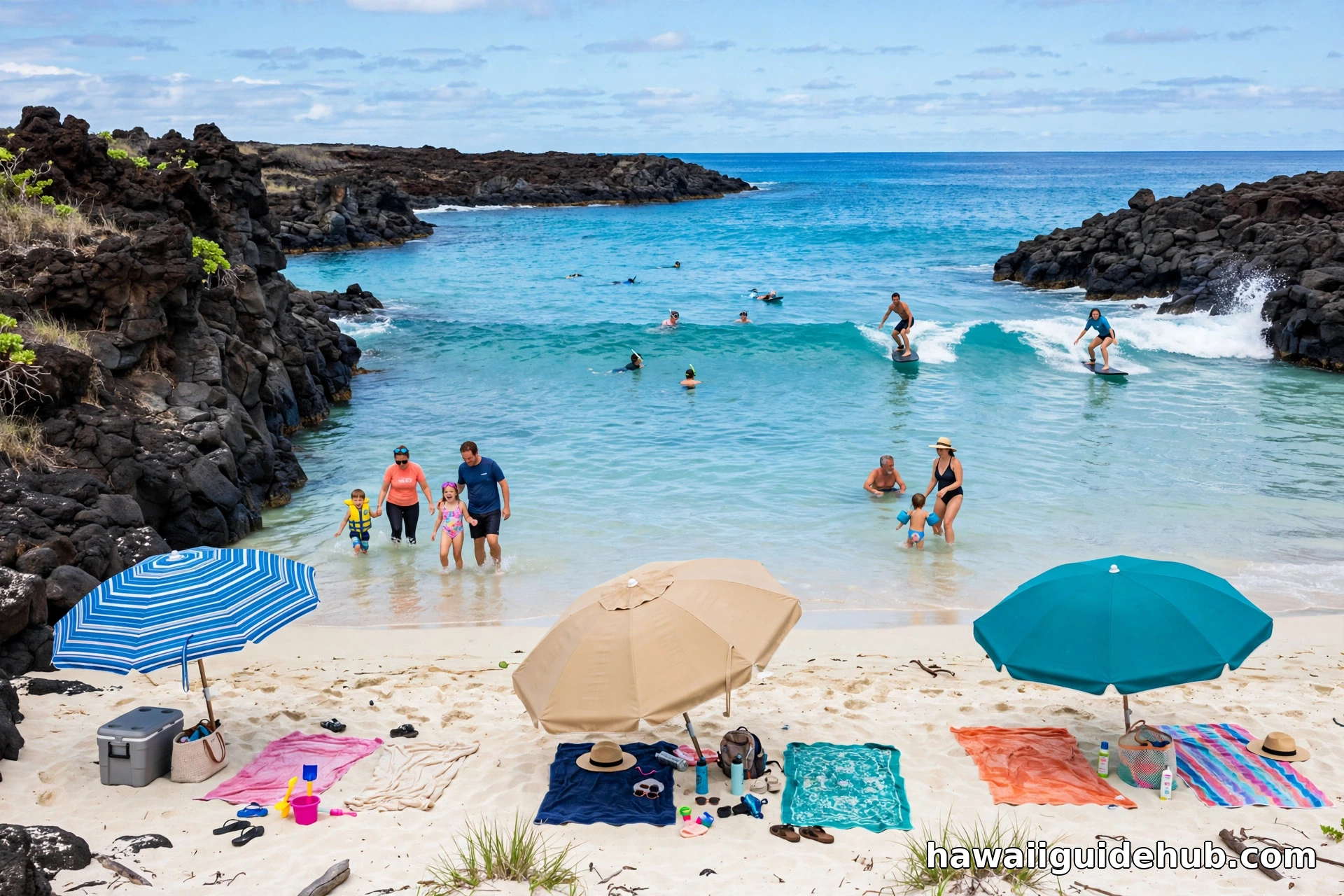
Maniniʻowali Beach sits at the northern end of Kekaha Kai State Park, on the Kona coast of the Island of Hawaiʻi, the Big Island. The park stretches along a rugged stretch of shoreline north of Kailua-Kona, and Maniniʻowali is the northernmost of its three main beaches, the others being Makalawena at Puʻu Aliʻi Bay and Mahaiʻula Bay to the south.
Getting there is straightforward. From Kailua-Kona, drive north on Highway 19, the Queen Kaahumanu Highway, for about 15 to 20 minutes. Between mile markers 88 and 89, directly across from the entrance to the Hawaii State Veterans Cemetery, you will see the signed access road for Maniniʻowali Beach. Turn left onto it and follow the paved road to the parking lot at the end. The beach is a short walk from where you park.
Parking and Entry Fees at Kua Bay
The parking situation at Maniniʻowali Beach is better than at most remote Kona beaches. There is a paved lot just steps from the sand, with paved walkways and a designated handicapped parking area. That convenience is why this is the most visited beach in Kekaha Kai State Park, and the lot fills up on weekends and holidays. Arrive before 10 in the morning on a weekend if you want a close spot.
Since January 2026, parking and entrance fees apply to the Maniniʻowali section of the park. Non-residents pay $5 per person, with children 3 and under free, and $10 per vehicle. Hawaii residents enter and park free with a Hawaii ID or driver’s license. Payment is by credit card only.
The park is open daily from 8:00am to 6:30pm, and the gates close at 7:00pm. Plan your exit accordingly, because you do not want to be the car locked inside. State parks sometimes close early for special events. Kekaha Kai was closed on Saturday, October 10, 2026 for the Kona IRONMAN, so it is always worth checking the State Parks notices on the morning you plan to drive out.
The Beach Itself: White Sand Between Black Lava
The first thing you notice at Kua Bay is the contrast. A ribbon of brilliant white sand curves between walls of black volcanic rock, and the water shifts from pale aqua at the shoreline to deep sapphire farther out. The beach is compact rather than sprawling, which gives it an intimate, cove-like feel, but there is enough sand to spread out even on a busy day.
The sand is soft most of the year, but winter surf can strip it away and expose black lava rock in the shallows, which is one reason water shoes are a smart addition to your beach bag. The rocky outcroppings at both ends of the bay are permanent features. They create small sheltered pockets, tide pools full of tiny fish, and the snorkeling spots described below.
There is almost no natural shade at Maniniʻowali Beach. The landscape behind the sand is dry coastal scrub, beautiful in a stark way but offering nothing in the way of a shady tree. Bring an umbrella or a beach tent, and plan your sun protection as carefully as your swim gear. The Kona coast is famously sunny, and the reflection off the white sand and pale water intensifies the sun.
Swimming and Bodysurfing at Maniniʻowali Beach
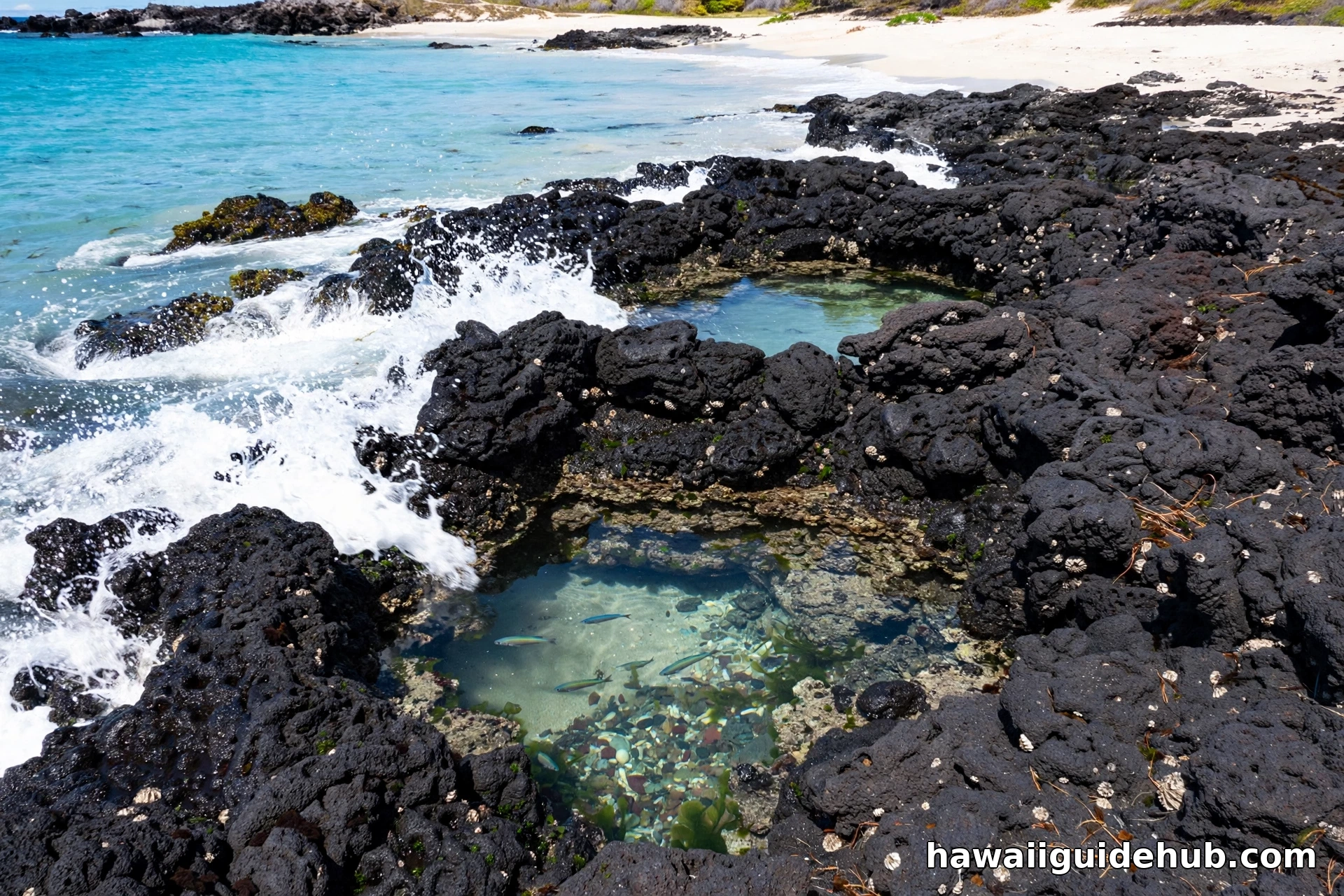
On a calm morning, swimming at Kua Bay is about as good as it gets. The water is clear enough to see your feet in chest-deep water, the entry is sandy in the middle of the cove, and the gentle waves are perfect for floating. Mornings are consistently the calmest part of the day here, with lighter winds and smaller surf, plus fewer people.
When the surf picks up, the beach shows its other personality. Kua Bay is well known for bodysurfing and boogie boarding when a shore break is running. But this is also where you need to take the state’s warnings seriously. The Division of State Parks warns of dangerous rip currents and pounding shore breaks during periods of high surf, and states plainly that waves over 3 feet are for experts, while everyone else should stay out of the water and away from the shoreline.
There is no lifeguard on duty at Maniniʻowali Beach. That single fact should shape every decision you make in the water. Swim with a buddy, stay where you can comfortably stand if you are not a strong swimmer, and never turn your back on the ocean. If you arrive and the waves look bigger than you expected, there is no shame in making it a sunbathing and tide-pool day instead.
Snorkeling at Kua Bay: Where to Go In
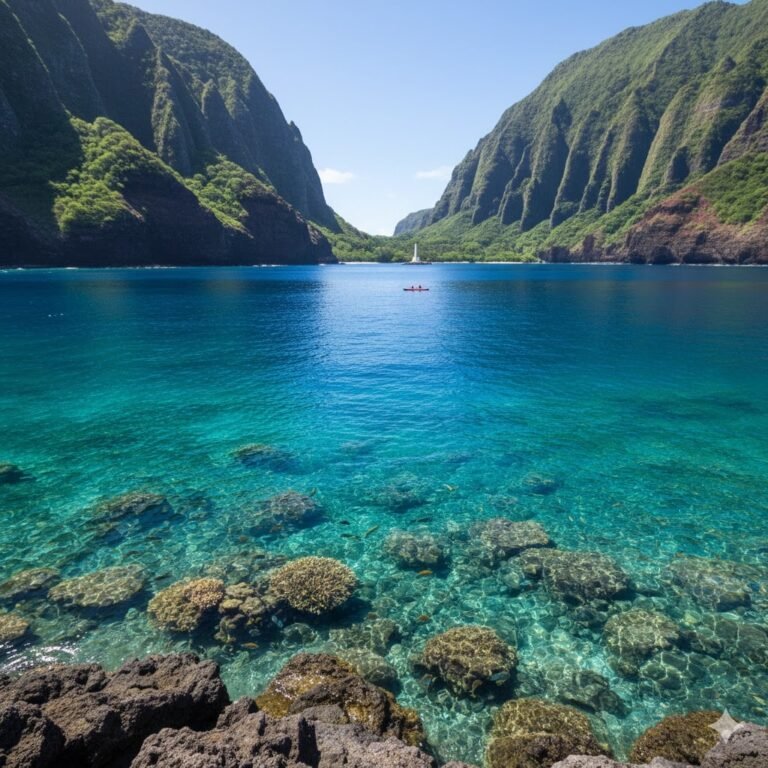
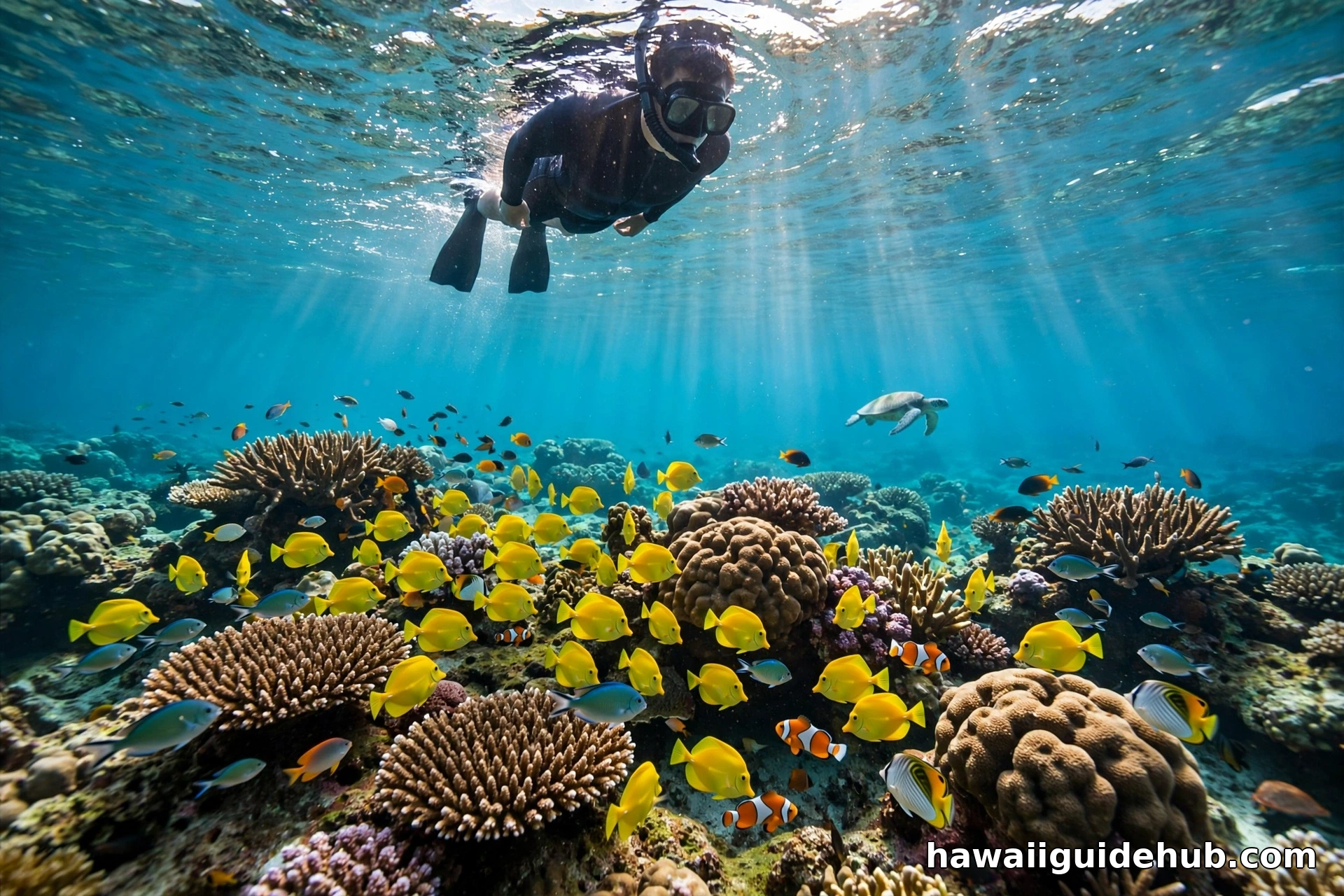
Kua Bay offers some of the most rewarding easy-access snorkeling on the Kona coast, with one condition: go on a calm morning. The rocky outcroppings at both ends of the bay are the places to aim for. The reef structure there holds coral heads, schools of yellow tang, needlefish, parrotfish, and the occasional octopus tucked into a crevice. Green sea turtles, honu, feed and rest in the bay regularly, and it is common to have one glide past while you are floating over the reef.
Enter from the sandy middle of the beach and fin out toward either rocky point rather than scrambling over the lava at the edges. The rock is sharp, sea urchins live in its crevices, and a surge can push you against it. Water shoes help for the entry, and fins make the swim out to the reef much easier. Visibility is best before about 10am, before afternoon winds chop the surface.
When there is surf, stay out. Snorkeling near rocks in surge is how injuries happen, and the clarity that makes Kua Bay special disappears when waves stir up the sand. On those days, the tide pools in the lava rock at the edges of the beach are a fine consolation, with tiny fish, crabs, and opihi to watch without getting past your ankles.
As with everywhere in Hawaii, look but do not touch. Coral is a living animal that dies where it is kicked or stood on, and sea turtles are protected by federal law. Give honu at least 10 feet of space in the water and on the beach. For a deeper look at how to share the water respectfully, read our guide to green sea turtle conservation and snorkeling etiquette, and our overview of the iconic marine species snorkelers meet in Hawaii.
Facilities: What You Will and Will Not Find
For a beach that feels remote, Maniniʻowali is well equipped. The park provides restrooms, outdoor showers for rinsing off sand and salt, picnic tables, trash cans, and paved walkways from the parking lot to the sand. The showers are cold-water rinse stations, exactly what you want after a swim, not a full bathhouse.
What you will not find matters just as much. There is no drinking water in the park, and the area is dry and hot, so bring more water than you think you need. There are no food vendors, no equipment rentals, and no lifeguard. Everything you want for the day, snorkel gear, shade, food, reef-safe sunscreen, has to come in with you. Do not leave valuables visible in your car. Like many beach parking lots in Hawaii, break-ins happen, so take only what you need and lock the rest out of sight.
Best Time to Visit Maniniʻowali Beach
Time of day matters more than time of year at Kua Bay. Early morning is the golden window: calmer water, better snorkeling visibility, softer light for photos, and a parking lot that still has spaces. By midday the trade winds often pick up, the water gets choppier, and the beach fills with day-trippers from the Kona resorts.
Seasonally, summer generally brings the calmest ocean conditions on the Kona coast, which faces west and is sheltered from the big winter swells that pound the north-facing shores. Winter can still deliver gorgeous calm days, but it also brings the higher surf, stronger rip currents, and stripped-sand conditions described above. If you are visiting in winter, check the surf forecast the night before and have a backup beach in mind. That seasonal contrast is clearest at famous Sunset Beach on Oahu, where winter swells draw big wave surfers to the North Shore.
Weekdays are noticeably quieter than weekends. If your schedule allows, save Kua Bay for a Tuesday or Wednesday morning and you may share the sand with only a handful of people.
Ocean Safety: Read This Before You Swim
This is an unguarded beach on an open coast. Conditions change with the swell, the tide, and the wind, sometimes within a single afternoon. The state’s guidance is blunt for a reason: dangerous rip currents and pounding shore breaks occur during high surf, waves over 3 feet are for experts only, and during those times everyone else should stay out of the water entirely.
A few rules that keep people safe here. Check the surf forecast before you go and believe what you see when you arrive. Enter the water slowly and feel the current before committing. Keep children within arm’s reach near the shore break. Wear reef-safe sunscreen, but remember that sunscreen is not shade: an umbrella and a rash guard do more work. Drink water before you feel thirsty, because the Kona sun and the salt air dehydrate you quietly.
Wildlife You Might See
Green sea turtles are the regulars, often seen surfacing just beyond the swimmers or resting on the sand at the far end of the crescent. Spinner dolphins sometimes pass offshore in the morning, and in the winter months humpback whales can be spotted breaching farther out. Hawaiian monk seals occasionally haul out on the quietest stretch of sand. If you are lucky enough to see one, give it at least 150 feet of space. They are among the most endangered marine mammals on earth, and a resting seal is a seal that needs rest.
What to Bring: The Kua Bay Packing List
Pack for a beach with no services and little shade. The essentials are snorkel gear and fins, water shoes for the rocky entries, reef-safe sunscreen, a wide-brimmed hat, an umbrella or beach tent, and at least a liter of water per person, more if you are staying through midday. Add a picnic lunch, because the nearest food is back in Kailua-Kona, and a dry bag for your phone and keys. A pair of binoculars earns its place in winter, when whales are offshore.
Exploring Beyond the Beach: Kekaha Kai State Park
If you have the energy after your swim, the park rewards a little exploration. The historic Ala Kahakai coastal trail runs through the park, and a 4.5-mile hike north along it from the Mahaiʻula section leads to Kua Bay, passing Puʻu Kuʻili, a 342-foot cinder cone with sweeping views of the coastline. It is hot, dry, exposed hiking with no drinking water, so go early, carry plenty of water, and wear real shoes.
The park’s other beaches are worth knowing about. Makalawena, at Puʻu Aliʻi Bay, is a stunning stretch of white sand reached by a rough dirt road and a short hike, wilder and quieter than Kua Bay. Mahaiʻula Bay, at the southern end of the park, has its own sandy beach and dune with a picnic area. Together the three make Kekaha Kai one of the finest stretches of natural coastline on the Kona side, and a strong entry on any list of things to do on the Big Island.
Watch: Snorkeling at Kua Bay
See what the snorkeling looks like before you go. This review walks through the water access, the reef, and the facilities at Kua Bay.
Maniniʻowali Beach FAQ
Is Maniniʻowali Beach the same as Kua Bay?
Yes. Maniniʻowali Beach is the official name, and Kua Bay is the nickname almost everyone uses. They refer to the same beach at the north end of Kekaha Kai State Park.
How much does it cost to visit Kua Bay?
Since January 2026, non-residents pay $5 per person and $10 per vehicle, by credit card only. Children 3 and under are free. Hawaii residents with a Hawaii ID or driver’s license enter and park free.
Is Kua Bay good for kids?
On a calm morning, yes. The sandy entry, gentle waves, and tide pools are great for children, and the facilities make the logistics easy. But there is no lifeguard and the shore break can be strong when surf is up, so keep kids close and skip swimming on rough days.
Can you snorkel at Maniniʻowali Beach?
Yes, and it is one of the better easy-access snorkeling spots on the Kona coast. Head for the rocky outcroppings at either end of the bay on a calm morning, enter from the sand, and stay clear of the rocks when there is any surge.
Are there lifeguards at Kua Bay?
No. There is no lifeguard on duty at Maniniʻowali Beach. Swim with a buddy and respect the state’s guidance about high surf.
What are the park hours?
Kekaha Kai State Park is open daily from 8:00am to 6:30pm, with gates closing at 7:00pm. The park occasionally closes for events such as the Kona IRONMAN, so check State Parks notices before you go.
A Last Word on Kua Bay
Maniniʻowali Beach earns its reputation the honest way. It is not the biggest beach on the Big Island or the most famous, but on a calm morning, with the water glowing turquoise against the black lava and a turtle surfacing beyond the reef, it is hard to imagine a better place to be. Come early, bring everything you need, respect the ocean’s moods, and leave nothing behind but footprints.