August in Hawaii: Weather, Crowds, Festivals and Summer Travel Tips

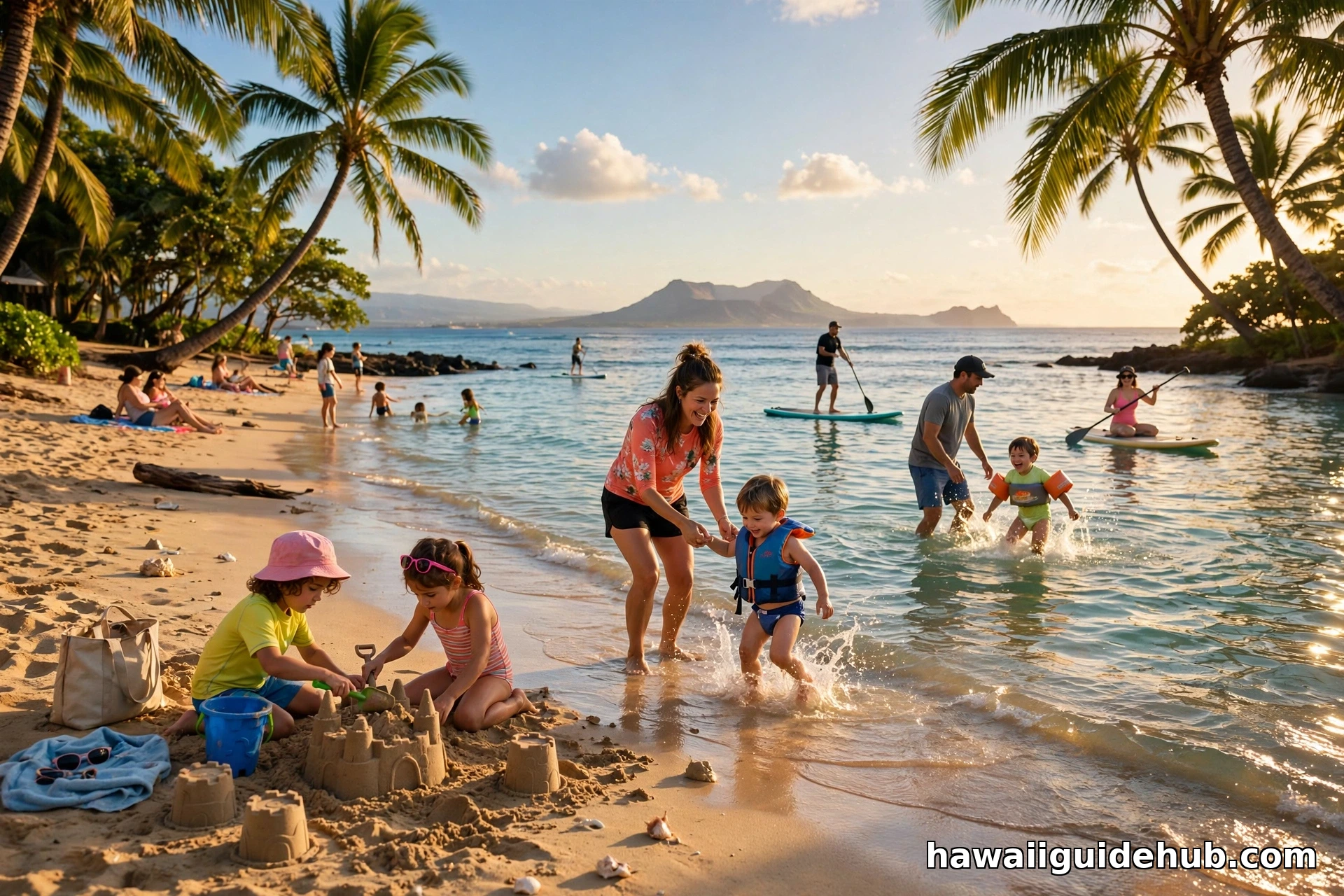
August is Hawaii at full volume. It is the hottest month of the year, the busiest stretch of family travel season, and the moment when the islands are most alive with festivals, surf contests, and long golden evenings. If you are planning a trip this month, you are picking the single most summer-like slice of the Hawaiian calendar. The trade is simple: you get the warmest ocean water of the year and the sunniest skies, and in return you share the islands with more visitors than almost any other month and pay peak-season prices for the privilege.
This guide lays out what August in Hawaii actually feels like, what it costs, what is happening, and how to plan around the crowds so the month works in your favor.
August Weather: The Hottest Month, by the Numbers
There is no ambiguity about August weather in Hawaii. According to the National Weather Service Honolulu climate normals for 1991 to 2020, August averages a daily high of 88.8 degrees Fahrenheit and an overnight low of 75.6 degrees, making it the hottest month of the year at sea level. Afternoon highs in the upper 80s are the norm on the leeward coasts where most visitors stay, and the mercury can push past 90 on the warmest days. Nights stay warm enough that you will rarely think about a jacket, with lows settling in the mid to upper 70s.
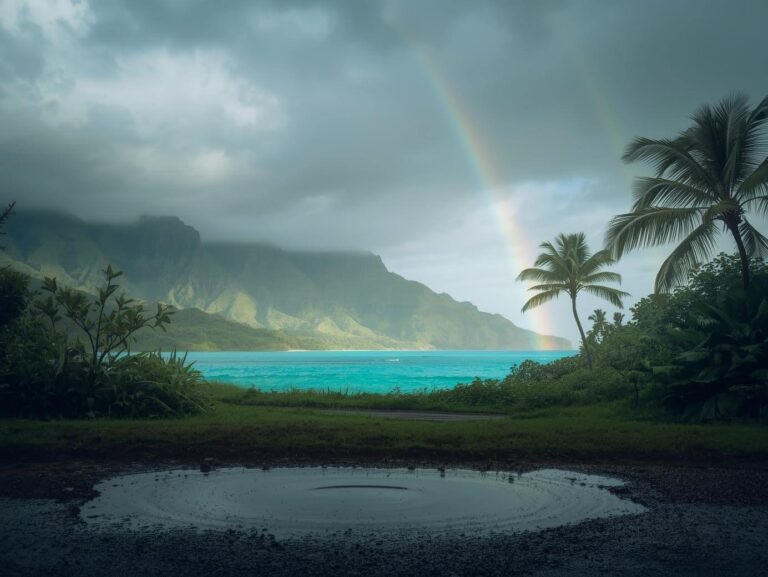
Rain is the least of your worries on the sunny sides of the islands. August is one of the driest months for leeward coasts like Waikiki, Kona, and Wailea, where monthly rainfall often totals an inch or less. The windward sides tell a different story: Hilo, Kaneohe, and Hanalei can see several inches of rain in August as the trade winds pile moisture against the mountains. When you pick where to stay in August, “leeward” is the magic word for reliably sunny days.
Two weather notes deserve your attention. First, the midday sun is genuinely extreme. The UV index in August runs 11 to 12 at solar noon, which is the top of the scale. Reapply sunscreen often, wear a hat, and plan shade breaks. Second, August sits inside Pacific hurricane season, which runs June through November. Direct hurricane hits on Hawaii are historically rare, with most storms weakening or curving away before reaching the islands, but it is smart to glance at the National Weather Service forecast in the days before you fly.
Crowds and Prices: Peak Season in Full Swing
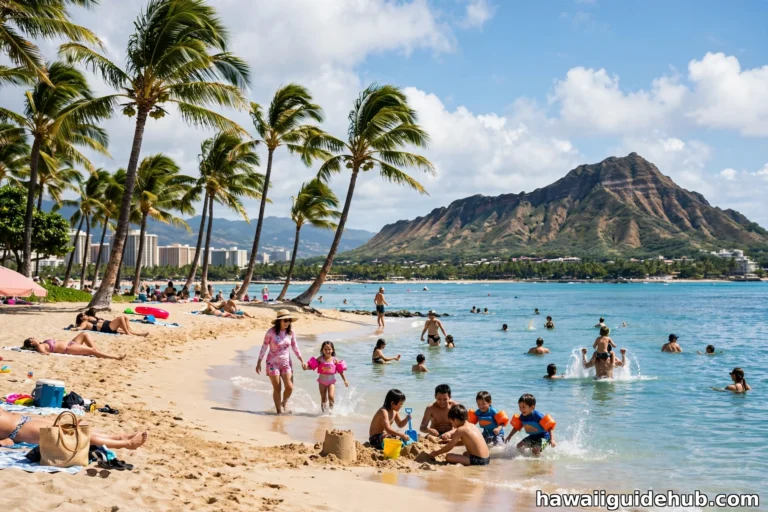
August is peak family travel season in Hawaii. Mainland schools are still out for most of the month, and roughly 900,000 visitors arrive in a typical August, one of the highest totals of the year. Popular beaches fill up by mid-morning, restaurant waits stretch longer, and the most in-demand tours and luaus sell out days ahead.
Prices follow the demand. Hotel rates run at their annual peak through early August, and flights and rental cars cost more than the yearly average. Here is the useful wrinkle: rates often soften in the last two weeks of August as mainland school calendars restart and family travel tapers off. If your dates are flexible, late August delivers the same summer weather at closer to shoulder-season pricing. Whenever you go, book everything as far ahead as you can. Accommodation, flights, rental cars, and any activity that takes reservations all reward early planners in August.
Festivals and Events Worth Planning Around
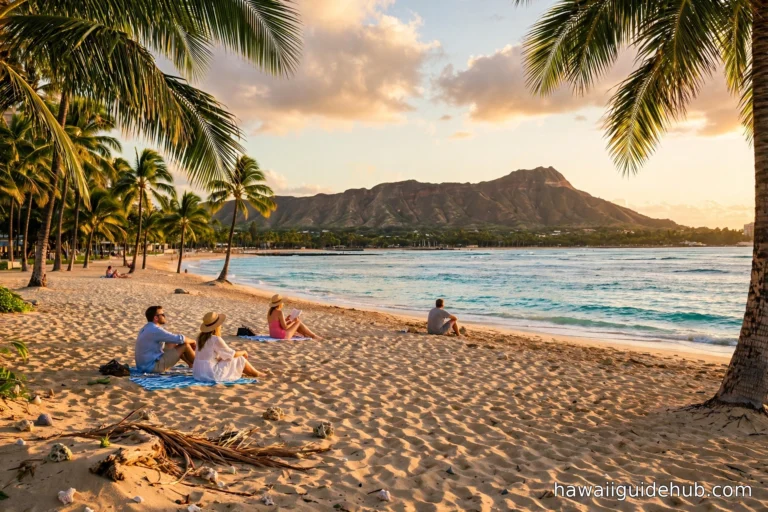
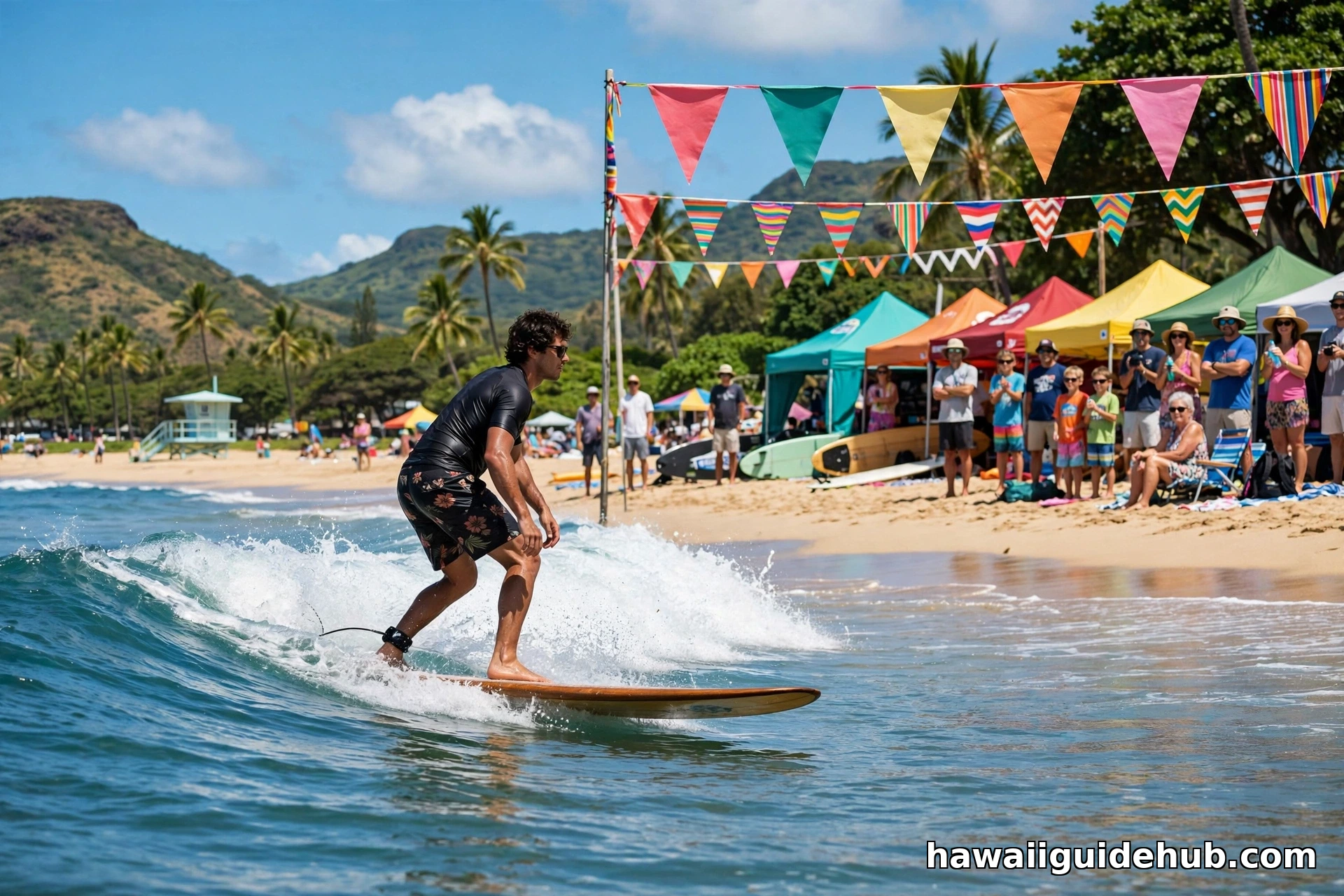
August punches above its weight for events. The headliner is the Duke Kahanamoku OceanFest, a nine-day ocean sports festival on Waikiki Beach honoring legendary waterman Duke Paoa Kahanamoku. Born in 1890, Duke won five Olympic swimming medals and became known around the world as Hawaii’s Ambassador of Aloha for popularizing surfing far beyond the islands. The festival packs in surfing, a one-mile ocean swim, stand-up paddle races, tandem surfing, beach volleyball, outrigger canoe paddling, and even dog surfing, all on the sands of Waikiki. Duke’s birthday falls on August 24, and the festival usually includes a sunrise lei draping ceremony at his statue. Check dukekahanamokuoceanfest.com for the current year’s schedule, since dates shift slightly.
Mid-August also brings the Made in Hawaii Festival to the Hawaii Convention Center, where hundreds of local vendors sell Hawaii-made food, art, fashion, and crafts. It is one of the best single places to shop for genuine local products and taste your way through the islands’ food scene under one roof.
Later in the month, the Hawaiian Slack Key Guitar Festival takes over Kapiolani Park in Waikiki with a free afternoon of performances by some of Hawaii’s finest slack key guitarists. Slack key, or ki ho’alu, is the fingerpicked guitar tradition that grew out of 19th-century paniolo (Hawaiian cowboy) culture, and hearing it outdoors with Diamond Head behind the stage is about as Hawaiian an afternoon as you can have. On the Big Island, August also hosts the Ho’oku’ikahi Establishment Day Hawaiian Cultural Festival, a celebration of Hawaiian culture and history.
See the OceanFest in Action
What to Do in August: The Month’s Best Advantages
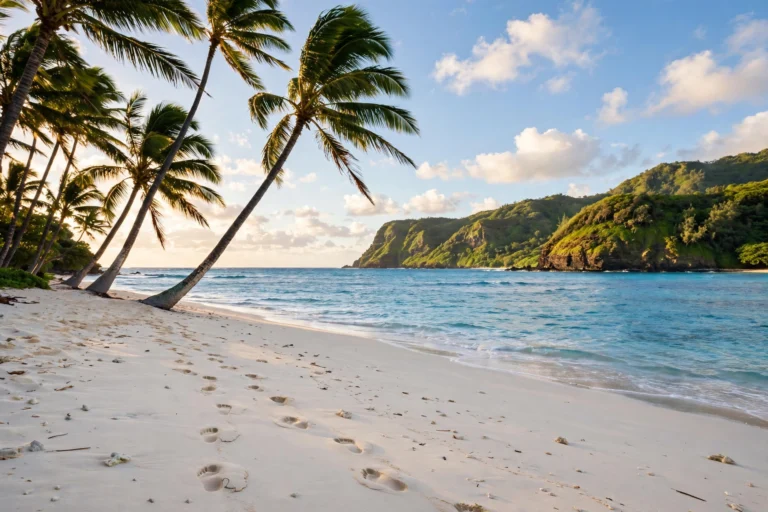
August hands you two big natural advantages: the warmest ocean water of the year and the calmest summer seas. Ocean temperatures reach about 82 degrees, so you can swim, snorkel, and paddle for hours without ever feeling chilled. The calm conditions also open up spots that are off-limits in winter. Summer is the only season when Oahu’s North Shore settles down enough for snorkeling, which makes August the prime window for Shark’s Cove and other north-facing reefs that turn into serious surf zones from November through March.
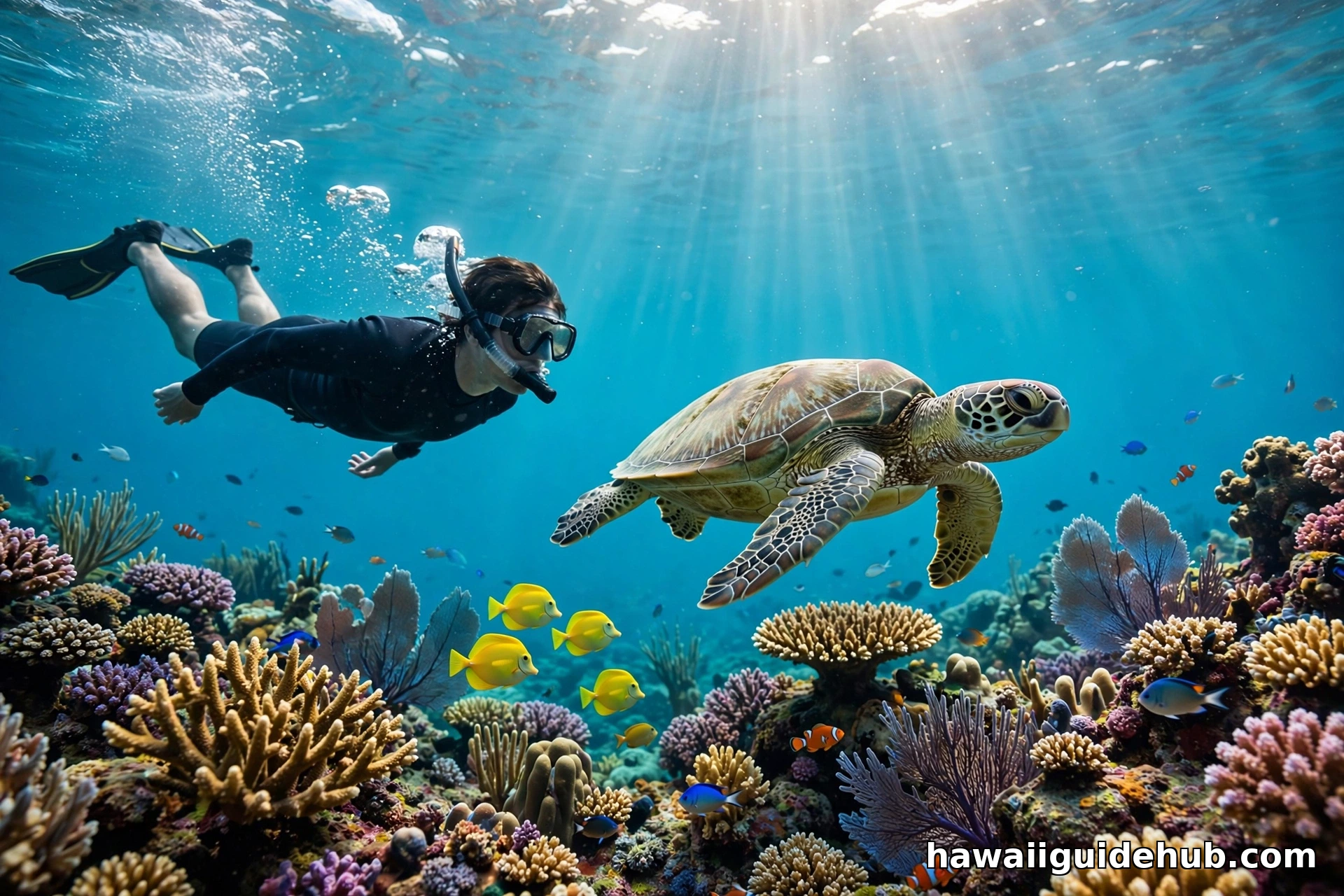
Snorkeling visibility peaks from May through September, and August sits right in the sweet spot. Mornings are best everywhere: trade winds typically pick up by late morning and chop up the surface, so aim to be in the water by 8 or 9 a.m. for the clearest conditions. Hanauma Bay on Oahu requires reservations made up to two days ahead, and in August the slots go fast, so set an alarm for the 7 a.m. Hawaii time release.
Surfers should read the seasonal map the other way. Summer swells come from the south, so south-facing breaks on Oahu, Maui, and the Big Island pick up fun, manageable waves in August, while the North Shore goes flat and friendly. Beginners do well with a surf lesson in Waikiki’s gentle rollers this time of year. For a broader look at seasonal conditions across activities, see our guide to outdoor adventures in Hawaii.
Hiking is excellent in August as long as you respect the heat. Start at sunrise, carry more water than you think you need, and know that volcanic rock radiates extra warmth by midday. Early morning hikes also beat the trailhead crowds, which is a real factor at popular spots in peak season.
Island by island, August has its own flavor. Oahu leans into festival season with OceanFest and the slack key festival, plus the usual draw of Oahu’s must-see sights. Maui offers warm, calm water on its south and west shores and all the classic reasons to visit Maui at their sunniest. The Big Island pairs beach days with volcano country, and our rundown of things to do on the Big Island covers both sides of the island.
Shopping Local: Made in Hawaii Festival
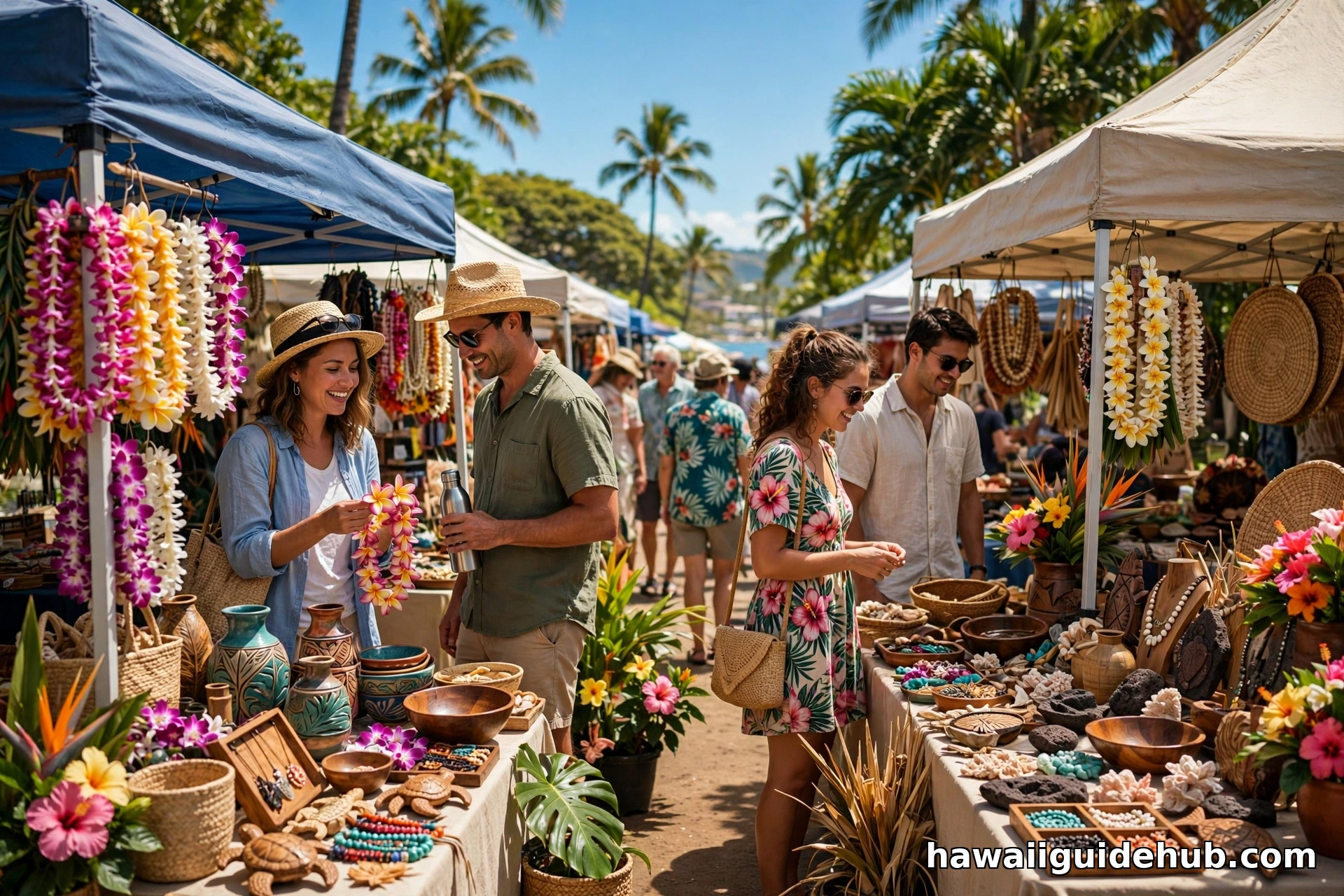
If your trip overlaps with the Made in Hawaii Festival, make room in your schedule and your suitcase. Hundreds of Hawaii vendors gather in one place, and it is the rare chance to buy directly from the makers: small-batch foods, local art, jewelry, clothing, and crafts you will not find in hotel gift shops. Even outside the festival weekend, August farmers markets and craft fairs run full tilt across the islands. Buying local is also one of the simplest ways to make sure your spending supports the community you are visiting.
Smart Traveler Tips for August
A few practical rules make August much easier. First, treat sunscreen as seriously as the sun deserves. Hawaii state law has banned the sale of sunscreens containing oxybenzone and octinoxate since January 1, 2021, so pack a mineral-based reef-safe sunscreen from home or buy one locally. With UV at 11 to 12 midday, reapply every 90 minutes to two hours, especially after swimming.
Second, build your days around the heat and the crowds. Beaches, trailheads, and popular sights are all better before 9 a.m. in August. You get cooler temperatures, calmer water, easier parking, and a quieter experience before the midday wave arrives. Afternoons are for shade, shave ice, museums, or a nap.
Third, stay hydrated like it is your job. The combination of heat, humidity, sun, and salt water dehydrates faster than most visitors expect. Carry a refillable bottle everywhere, and drink before you feel thirsty.
Fourth, keep an eye on the forecast during hurricane season. The National Weather Service Honolulu office issues regular tropical outlooks from June through November. A direct hit is unlikely, but knowing what is brewing in the Pacific lets you adjust plans calmly instead of scrambling.
August by Island: Where to Go
Each island wears August a little differently. On Oahu, the south shore is the center of the action: Waikiki buzzes with OceanFest crowds, the water is bathtub-warm, and the evening festival scene runs deep. The North Shore, meanwhile, is at its most approachable, with calm summer water inviting snorkelers to reefs that are far too rough in winter. Oahu in August is the choice for travelers who want energy, events, and the fullest menu of things to do.
Maui in August is pure beach weather. South Maui and West Maui, from Wailea to Kaanapali, get long sunny days and some of the calmest, clearest water in the state. Mornings bring glassy conditions for snorkeling at Molokini or Turtle Town. Afternoon trade winds can pick up along the western beaches, so plan water activities early and spend breezy afternoons exploring Upcountry or the Road to Hana’s waterfalls, which still run well in summer.
The Big Island offers the most variety in August. The Kona and Kohala coasts stay dry and sunny, with morning snorkeling among the year’s best, while Hawaii Volcanoes National Park sits at higher elevation where temperatures run cooler and hiking is comfortable even midday. August is a fine month to pair a beach base with a volcano day trip. Just remember that the drive between climate zones can swing 15 degrees or more, so pack a light layer.
Kauai in August is lush and inviting, though it is the wettest of the main islands this month on its north and east sides. The south shore around Poipu stays drier and sunnier, making it the smart base for an August trip. The Na Pali Coast looks its most dramatic under summer light, and boat tours along the coast run in their calmest conditions of the year.
What to Pack for August
Packing for August in Hawaii is refreshingly simple, but a few specifics matter more this month than others. Light, breathable clothing is the baseline: shorts, t-shirts, sundresses, and sandals will carry you through nearly every day. Add a light rain jacket or a compact umbrella for windward-side excursions and the occasional passing shower, which rarely lasts long in August.
Sun protection deserves its own packing list. Bring a wide-brimmed hat, polarized sunglasses, a long-sleeve rash guard for snorkeling, and more reef-safe sunscreen than you think you need. A reusable water bottle is essential, and water shoes help on rocky entries and lava-rock shorelines. If you plan to hike, proper footwear with grip beats flip-flops on any real trail, and a small daypack keeps water and snacks within reach.
One thing you can leave behind: heavy layers. Even the coolest August evenings on the coast stay in the 70s. The one exception is a trip to the summit of Haleakala or Mauna Kea, where temperatures can drop into the 40s or 30s at elevation. A single warm layer in your bag covers those adventures.
Is August Right for You?
August suits travelers who want Hawaii at its most summery and do not mind sharing it. You get the hottest weather, the warmest water, the calmest seas for snorkeling, and a festival calendar with real local flavor. You also get peak prices, busy beaches, and the need to plan ahead for anything that takes a reservation.
If you thrive on long beach days, warm water, and lively evenings, August delivers. If you prefer quieter beaches and lower prices, the shoulder weeks of late August into September keep the summer weather while the crowds thin. Either way, come prepared for the sun, book early, and let the islands do the rest.