What is the windward side of Oahu

You probably think of Hawaii as having green mountains, waterfalls that flow down them, and calm, turquoise waters. On the Windward side of Oahu, you’ll find exactly what you pictured. It’s a world away from the energy of Waikiki, and many visitors miss the calm, stunningly beautiful side of the island.
This guide will tell you everything you need to know about the Windward side of Oahu. We’ll look at its unique weather, beautiful scenery, and the amazing things you can do there. You’ll know why this part of the island is so special to both locals and experienced travelers by the end, and you’ll know exactly how to enjoy its beauty for yourself.
What does it mean to be on the Windward Side of an Island?
Knowing what “windward” and “leeward” mean can help you understand Oahu’s geography. These aren’t just local terms; they describe wind patterns that apply to islands all over the world.
- Windward Side: This is the side of an island that gets the most trade winds. The trade winds in Hawaii usually come from the northeast. These winds pick up moisture as they move across the Pacific. The air has to rise, cool, and condense when it hits the mountains on the island. This makes clouds and rain a lot. This process, called orographic lift, is what makes windward sides usually wetter, cooler, and greener.
- Leeward side: This is the side of the island that is protected from the wind by the mountains. The air gets warmer and drier as it goes down the leeward side. This rain-shadow effect makes the leeward side sunnier, hotter, and drier.
The Koʻolau and Waiʻanae mountain ranges shape Oahu’s climate zones, with the Koʻolau Range forming the main divide between the windward and leeward sides.
What part of Oahu is the Windward Side?
The eastern part of Oahu is called the Windward side. It goes from Makapuʻu Point in the south to Kahuku Point, the northernmost point of the island. Along the way, it passes through towns like Waimānalo, Kailua, and Kāneʻohe.
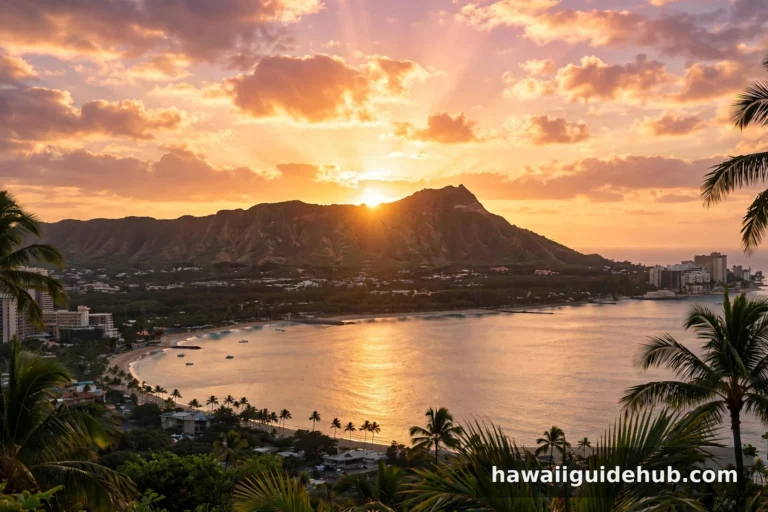
The beautiful Koʻolau Mountain Range, which runs along the coast, defines this area. The Ko’olau’s dramatic, fluted cliffs make the whole area look beautiful. A map of the windward side of Oahu would show this green, coastal corridor that runs between the mountains and the sea. Honolulu and Waikiki, on the other hand, are on the southern, leeward side of the island.
The Weather on Oahu’s Windward Side
The leeward side is known for having a lot of sun, while the Windward side is known for having a mix of everything that is refreshing. The weather here is a big part of what makes it unique.
Rain and “Liquid Sunshine”
The Windward side gets a lot more rain than the leeward side. This isn’t a land of constant downpours, but rather frequent, light showers, often referred to by locals as “liquid sunshine” or “blessings.” The area’s bright green landscapes are kept alive by these showers. They can come and go very quickly, and when they do, they often leave behind beautiful rainbows that stretch across the valleys and over the ocean. Mornings are often clear, with clouds building over the mountains in the afternoon, leading to brief, cooling showers.
Wind and Temperature
This side of the island is breezy, as the name suggests. The trade winds from the northeast blow gently all the time, keeping the air fresh and the temperatures pleasant. The wind makes it feel nice even on hot days. Temperatures are usually a few degrees cooler than on the leeward side, which makes for a perfect climate that is warm but not too hot.

Landscapes and natural beauty that will stay with you forever
The rain and cooler temperatures have shaped a landscape that is almost too beautiful to believe.
The Koʻolau Mountains
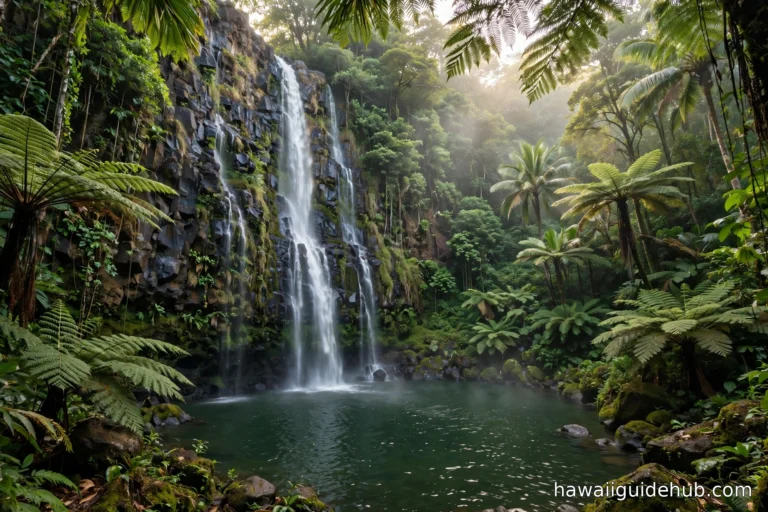
The Koʻolau Range is the main attraction. These are not jagged, volcanic peaks. They are the remains of an old shield volcano that has been worn down over millions of years into dramatic, accordion-like cliffs (pali) that rise sharply from the coastal plain. They are often covered in thick green plants, and after a fresh rain, waterfalls flow down their faces. One of Hawaii’s most famous and breathtaking sights is the view of these mountains from anywhere on the Windward coast.
Tropical plants and lush valleys
Between the mountain ridges lie deep, verdant valleys. The Hoʻomaluhia Botanical Garden in Kāneʻohe is one of many places that show off the amazing variety of tropical plants that grow in this area. Towering trees, giant ferns, and colorful flowers are everywhere you look. Driving along the Kamehameha Highway feels like a trip through a botanical paradise because of all the greenery.
Things to Do on Oahu’s Windward Side
The Windward side has a lot to do for nature lovers, beachgoers, and people who want to learn about other cultures, even though it isn’t as developed as the south shore.
Beaches That Are the Best in the World
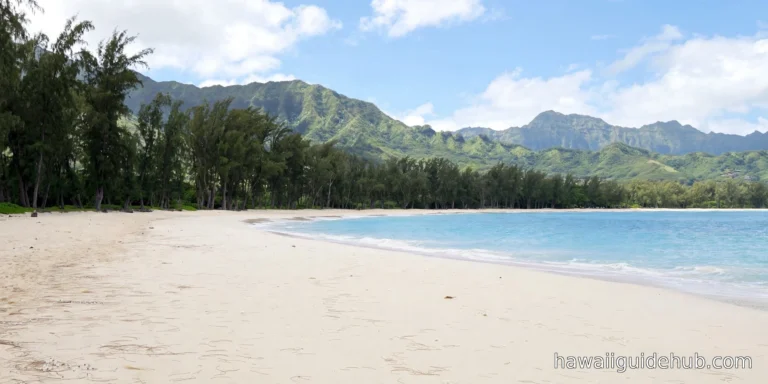
The beaches on this side are always among the best in the world. People know them for their beautiful turquoise water and fine, white sand.
- Lanikai Beach: Lanikai is known for its calm, clear waters and beautiful views of the Mokulua Islands (the “Mokes”). It often tops lists of the best beaches. It’s great for swimming, kayaking, and stand-up paddleboarding.
- Kailua Beach Park: This beach is bigger and has more activities than Lanikai Beach. It is just north of Lanikai. It has steady winds coming from the shore, making it a great place to go kitesurfing and windsurfing. It also has picnic areas and a lot of room for families.
- Waimānalo Beach: This long, wide stretch of sand has great views of the Koʻolau cliffs. It usually has fewer people than Kailua or Lanikai, making it a more peaceful beach.
- Kualoa Regional Park: This park has a large grassy area that is great for picnics and has a great view of Mokoliʻi Island, which is also called Chinaman’s Hat. The beach here is calm and not very deep, which is great for kids.
Outdoor Fun and Parks
There are many ways to enjoy the outdoors besides the beaches.
- You can drive or walk through the 400-acre Hoʻomaluhia Botanical Garden, which has plants from all over the world that grow in tropical areas. The beautiful entrance, which perfectly frames the Koʻolau mountains, is one of the most photographed places on Oahu.
- Byodo-In Temple: This beautiful copy of a 950-year-old Buddhist temple in Japan is hidden away in the Valley of the Temples. The serene atmosphere, with its koi ponds and lush grounds, offers a moment of peaceful reflection.
- Kualoa Ranch is a private nature reserve that is full of adventure. You can see the dramatic landscapes of Kaʻaʻawa Valley on horseback, on an ATV tour, or on a movie sites tour. Scenes from Jurassic Park, Godzilla, and Lost were filmed here.
- Hiking: The Windward side has some of the best hikes on Oahu. The Lanikai Pillbox Trail, also known as the Kaiwa Ridge Trail, is a fairly easy hike that leads to great views of Lanikai, Kailua, and the Mokulua Islands. The Crouching Lion hike is a harder one that takes you to beautiful views of Kahana Bay.
Life on the Windward Side
The way of life on the Windward side is very different from that in Honolulu. It’s more laid-back, community-oriented, and deeply connected to nature. Kailua and Kāneʻohe are examples of towns that feel like suburbs. They have all the shops, restaurants, and farmers markets you need, but they don’t have the high-rises and density of the city.
People really want to live here because of this unique way of life, which is why real estate is so valuable. There are a lot of different types of homes, from cute beach cottages to bigger ones that are tucked away in the mountains. People who live there love the slower pace, the easy access to outdoor activities, and the strong sense of community.
Importance of the environment and sustainability
The Windward side’s natural environment is both its best feature and a valuable resource that needs to be protected. The area has important ecosystems, such as coral reefs, coastal wetlands, and native forests.
People and groups in the area are working hard to protect the environment. The projects’ main goals are to fix up old Hawaiian fishponds, get rid of invasive species, and keep pollution and runoff from harming the coral reefs. If you live on or visit the Windward side, you have a kuleana (responsibility) to respect the land and sea, be a responsible tourist, and help keep its natural beauty for future generations.
See the Magic of the Windward Coast
There is a lot of beauty and peace on the Windward side of Oahu. It’s where the island’s raw, natural power is on full display, from the dramatic cliffs of the Koʻolau to the gentle lapping of waves on a white-sand beach. It gives you a slower, more real Hawaiian experience that lets you relax and connect with nature.
You can get a taste of it in a day, but you really get to know it when you spend a few days here. The Windward side has unforgettable moments, whether you’re kayaking to the Mokes at sunrise, hiking to a beautiful coastal viewpoint, or just having a picnic with the mountains in the background.
Whether you visit for a day trip from Honolulu or base yourself in Kailua or Kāneʻohe for several days, the Windward side rewards travelers who slow down — sunrise paddles to the Mokes, ridge hikes above the coast, and quiet beach mornings are all part of its appeal.
Travelers continuing on to the Garden Isle can browse our guide to things to do on Kauai, and those visiting in the cooler months may also find our Kauai winter guide useful for planning that leg of the trip.