Kauai in Winter: Places to Consider, Weather and Access

Access update — checked October 5, 2026: Major Kauai state-park closures are still in place following storm damage. The October 2 State Parks notice lists Kōkeʻe Road and all Kauai state parks except limited Wailua River access as closed. Do not assume these locations will reopen by your winter travel dates. Confirm later official updates before planning access.
Winter on Kauai can include humpback whale observation, coastal scenery, museums and local food. It can also bring powerful surf, heavy rain and trail closures. The strongest winter itinerary keeps activities flexible and does not depend on swimming, a remote hike or a particular boat route.
This guide focuses on winter choices. For the island’s regional layout and general itinerary planning, start with our Kauai overview.
What Winter Changes
The National Weather Service climate summary describes Hawaii’s cooler winter period and the strong influence of terrain on rainfall. Coastal conditions differ from the higher, cooler Kōkeʻe area. A warm day near your accommodation does not establish the conditions on a mountain trail.
The South Shore can be drier than the North Shore, but it is not always sunny or protected from rough seas. Winter rainfall is not limited to brief showers: storms can produce flooding and prolonged disruption. Plan using the forecast for the specific place and day.
Winter is also not automatically a cheap or quiet season. Compare actual travel dates and full lodging costs, particularly around holidays. Avoid choosing a nonrefundable activity on the assumption that a seasonal average guarantees favorable weather.
Poipu: A Flexible South Shore Base
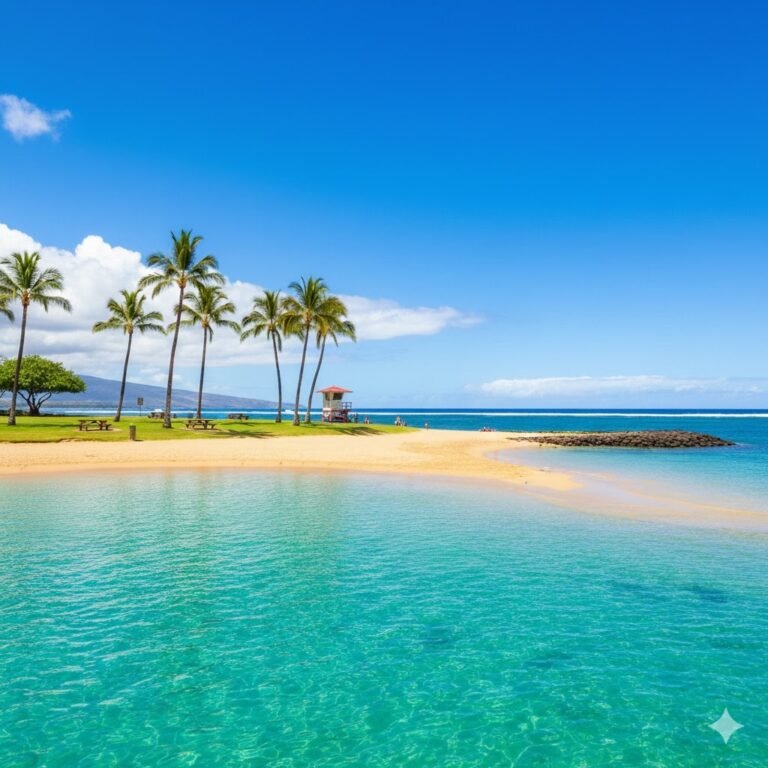
Poipu can offer a mix of beach observation, dining and time outdoors when conditions are suitable. Our Poipu guide covers the area in detail. Do not assume that a sheltered-looking section of beach is a safe children’s pool.
Ask lifeguards about the day’s conditions before swimming and keep clear of shorebreak, channels and wave-washed rocks. If water conditions are unsuitable, choose a land activity. Resting turtles and monk seals need undisturbed space; stay outside protective barriers and follow wildlife guidance.
Hanalei: Appreciate the Bay From a Suitable Shore Position
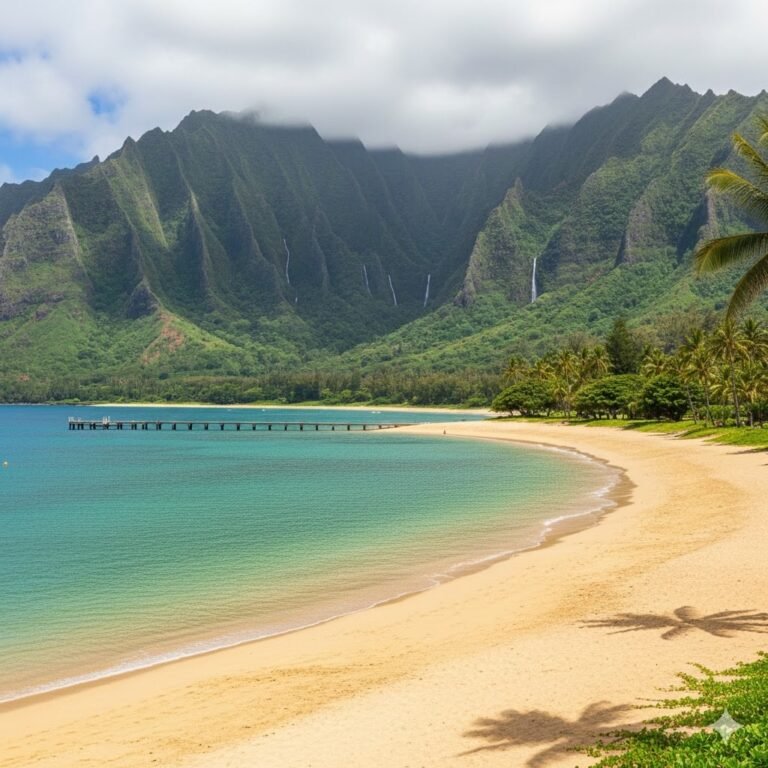
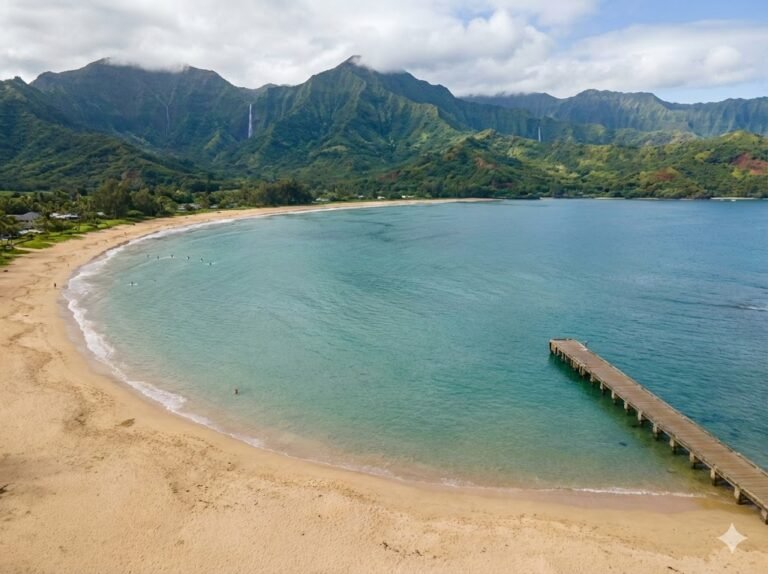
Hanalei’s mountain backdrop and winter surf can be impressive, but the bay is not a guaranteed beginner swimming or surfing destination. Conditions change across the bay, and powerful waves can make even a shoreline walk inappropriate in exposed areas.
Use our Hanalei Beach guide for orientation. Watch the ocean, remain well back from breaking waves and follow lifeguard directions. A pier, rocky edge or wet beach area should not be treated as a safe viewing platform during high surf.
A town visit can be an alternative to a water activity. Check local opening information, park legally and respect homes and community access. Do not pursue isolated beach access simply to escape crowds.

Whale Observation During the Winter Season
Humpbacks occur in Hawaiian waters mainly from November through May, with peak abundance usually January through March. Sightings and surface activity are not guaranteed. Use our whale-season and shore-viewing guide to understand timing and locations.
Kīlauea Point is one location to research for shore observation, subject to the refuge’s current access requirements. Check the official refuge visitor page before going. Do not assume entry is free or available without an advance arrangement.
Hawaii’s whale-viewing rules prohibit approaching humpbacks within 100 yards. Choose a suitable viewing position or use binoculars rather than trying to get closer. Our responsible whale-viewing guide explains the practical rules.
Canyon and Mountain Visits: Only When Access Allows
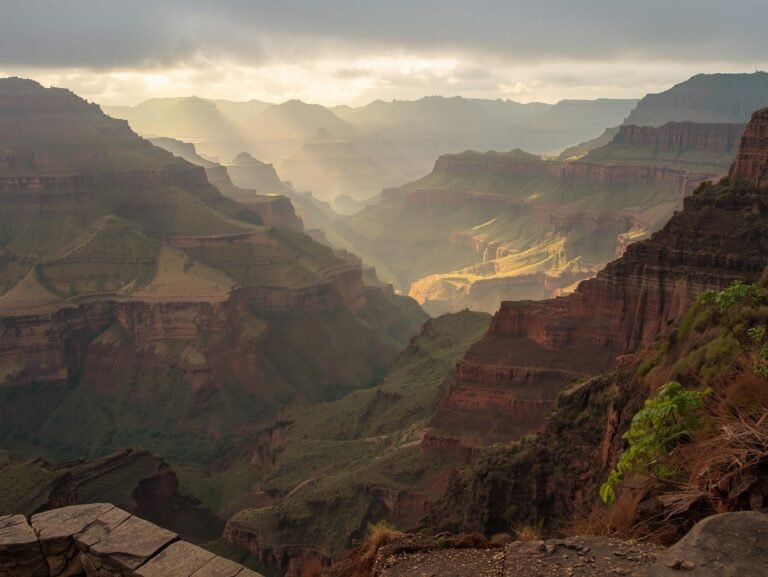
Waimea Canyon and Kōkeʻe are options to reconsider after official reopening, not guaranteed winter outings. A short lookout visit is different from a strenuous canyon hike. Our canyon hiking guide explains the routes and their different demands.
Canyon Trail approaches the top of Waipoʻo Falls; it does not lead to a full view at the waterfall’s base. Rain can make exposed paths, stream crossings and waterfall edges more dangerous. Greater waterfall flow is not a reason to attempt a hike during hazardous conditions.
Kalalau Trail is also not a default winter day walk. Coastal exposure, mud, stream conditions, reservations, permits and closures all matter. Review official Hāʻena and Nāpali access information. A camping permit is required to proceed beyond Hanakāpīʻai even on a day hike, and no permit overrides a closure.
For any other trail, verify its exact starting point and current land-manager notice. Sleeping Giant routes, for example, should not be reduced to one universal distance or difficulty. Choose a shorter, open alternative when weather or ability makes the intended route unsuitable.
Polihale and Remote Coastlines Need Extra Caution
Do not treat Polihale as an easy winter alternative to a busy beach. Check the official Polihale page and current closures before considering access. Rough roads and exposed ocean conditions can prevent a visit.
Four-wheel drive does not make a closed, flooded or damaged road safe to use, and a rental agreement may restrict where the vehicle can be driven. Do not enter beaches, dunes or closed routes to bypass an access problem.
Museums, Food and Cultural Learning
Build time for activities that are less dependent on ocean conditions. The official Līhuʻe guide identifies cultural and historical places including Kauaʻi Museum and Grove Farm Homestead Museum. Check each institution’s current opening and reservation requirements; do not assume that every visit is indoors or available as a walk-in.
Local food stops and markets can provide a different pace. Check current market dates and hours rather than relying on a general weekly schedule copied into an old itinerary. Ask about locally grown ingredients and the maker or origin of an item.
Hawaiian food traditions and local dishes shaped by immigration are related but distinct. Take time to learn those histories rather than treating every island dish or performance as an unchanged ancient tradition.
A Practical Winter Planning Checklist
Before departure: Check the current park and road notices, forecast, surf and any reservation requirements. Have a second activity that does not depend on the same road, water conditions or closure.
What to bring: Pack a rain layer, suitable footwear, sun protection, drinking water and the items needed for the actual activity. Our packing list generator can help organize the basics.
At the coast: Keep watching the ocean, stay clear of wet rocky ledges and follow warning signs. A calm-looking moment between wave sets is not proof of safe conditions.
On land: Do not cross a flooded road or a rising stream. Turn around before conditions become difficult, and keep enough time to finish a permitted outing in daylight.
For the overall itinerary: Select a few suitable activities rather than trying to complete every famous stop. Weather and closures may change what is possible; leaving an activity for another visit is a sound planning decision.