The Impact of Climate Change on Hawaii’s Marine Life: Challenges and Solutions

Hawaii’s clear waters and colorful coral reefs have long been seen as signs of paradise. But underneath it all, there is a silent crisis as climate change changes these pristine marine ecosystems in ways that could kill them.
Climate change has effects on marine ecosystems that go far beyond rising sea levels. Ocean acidification, warming waters, and shifting weather patterns are creating a perfect storm that challenges the delicate balance of Hawaii’s underwater world. Every marine species, from the tiniest plankton to the biggest humpback whales, is under more stress than ever before.
Anyone who wants to protect Hawaii’s natural heritage needs to know about these problems and the new ways people are trying to solve them. This in-depth guide looks at how climate change is changing Hawaiian waters and what can be done to protect these ecosystems that can’t be replaced.
How Climate Change is Transforming Hawaiian Waters
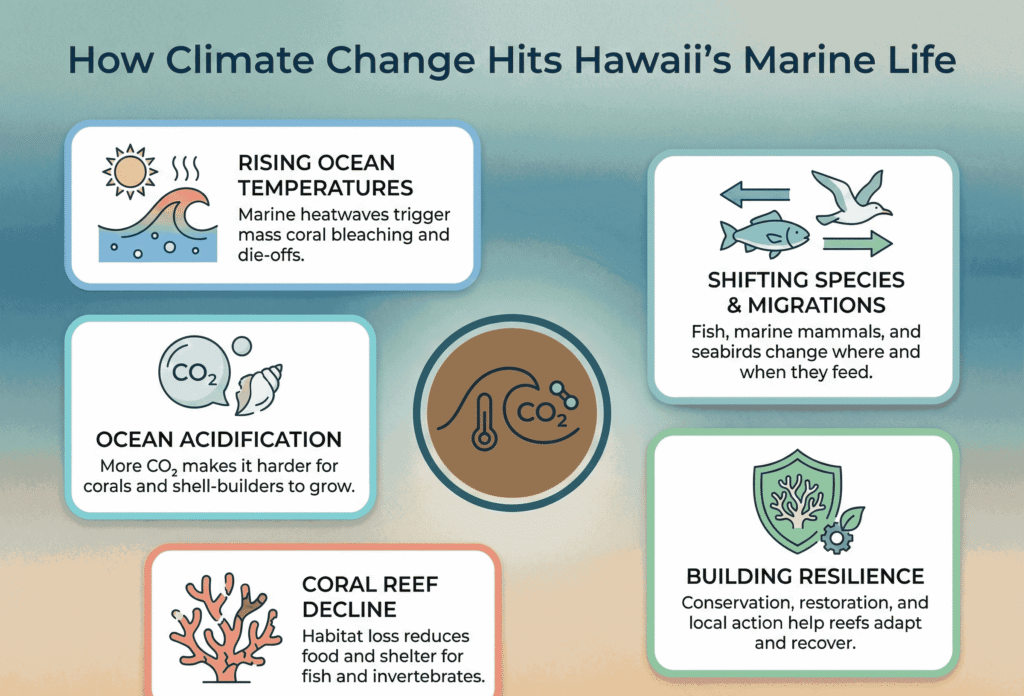
A Marine Heatwave Crisis: Ocean Temperatures Are Rising
Ocean temperature is one of the clearest early signals of climate change. Over the past few decades, the waters around Hawaii have grown measurably warmer, tracking the broader warming trend seen across the world’s oceans. These higher temperatures have a chain reaction effect on the entire marine food chain.
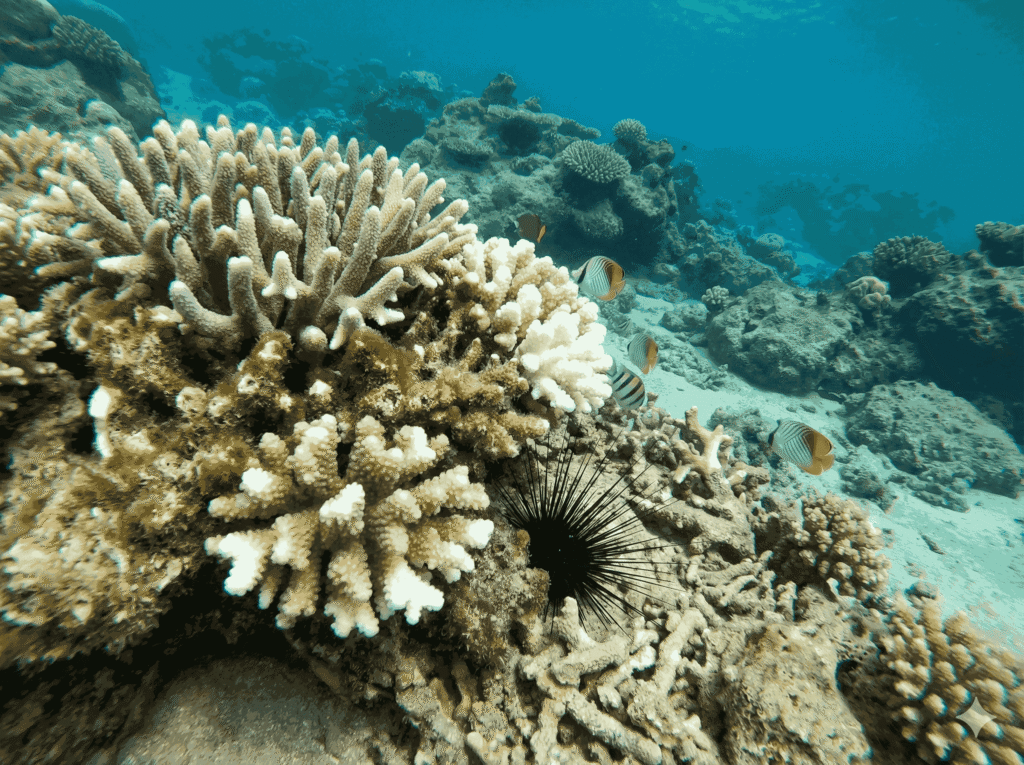
Coral reefs, which are sometimes called the rainforests of the sea, are very sensitive to changes in temperature. Corals bleach when water temperatures stay roughly 1-2°C (about 2-3.5°F) above normal summer highs for several weeks. This is a stress response that causes them to get rid of the colorful algae that live in their tissues. Corals lose their main food source and their bright colors when these algae aren’t there. They often look stark white.
The mass bleaching events in Hawaiian waters in 2015 and 2019 showed how damaging marine heatwaves can be: prolonged heat bleached reefs across the archipelago, with reported coral mortality exceeding 50% in the hardest-hit areas. These events offer a glimpse of what could become more common as ocean warming continues.
Ocean Acidification: Another Issue with CO2
Ocean acidification is just as big of a threat to Hawaii’s marine biodiversity as rising temperatures, even though the latter gets more attention. Seawater gets more acidic as the ocean takes in too much carbon dioxide from the air. This process, which is sometimes called “the other CO2 problem,” has a big effect on marine life.
Organisms that build shells and skeletons from calcium carbonate—including corals, mollusks, and many plankton species—struggle in increasingly acidic waters. The acid actually breaks down their protective structures, which makes it harder for them to grow and live.
Because Hawaii’s reefs are isolated, with limited connection to other reef systems, recovery is slower when acidification adds to the stress corals already face from warming. Scientists are still working to understand exactly how trade winds and ocean currents shape acidity patterns around the islands.
Consequences for Marine Life: A Biodiversity Crisis
Coral reef ecosystems are under attack.
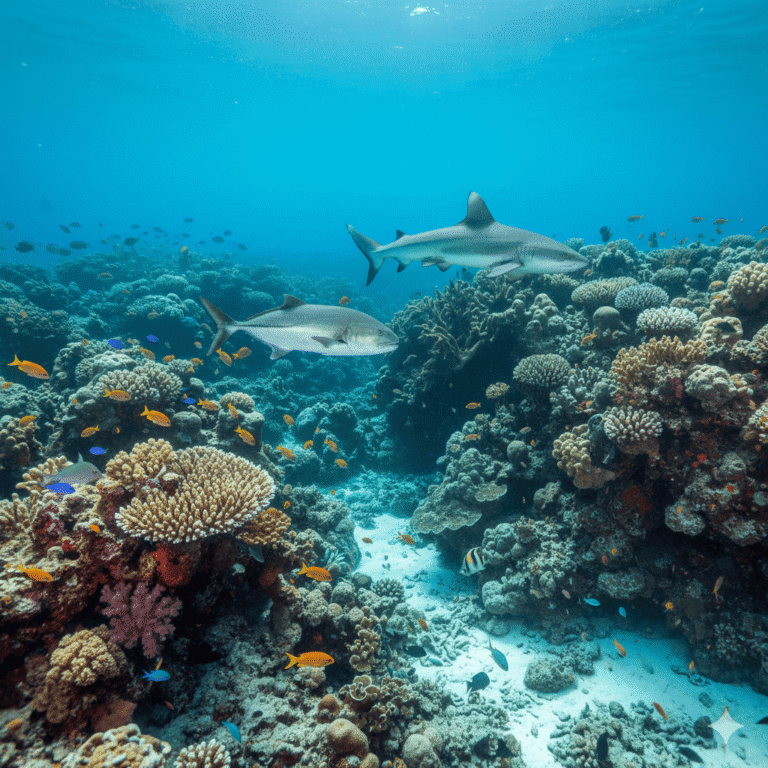
Hawaiian coral reefs are global biodiversity hotspots: coral reefs are estimated to support roughly a quarter of all marine species despite covering only a tiny fraction of the ocean floor. But the combined effects of warming waters and ocean acidification are changing these ecosystems in profound ways.
Native Hawaiian corals, like finger coral and cauliflower coral, evolved over millions of years to do well in certain environments. They have a hard time adapting to rapid changes in the environment, which slows their growth, makes them more likely to get sick, and kills a lot of them.
The consequences extend far beyond the corals themselves. Fish populations that depend on coral reefs for shelter and food are declining. Herbivorous fish that eat algae are especially affected, which causes algae to grow too much and puts more stress on coral communities.
Changes in fish populations and patterns of migration
Climate change is reshaping the distribution of fish species. As waters warm, many fish are moving toward cooler waters or deeper depths.
The same kinds of fish that used to live in Hawaiian fishing grounds don’t live there anymore. As ocean currents and temperatures change, some fish that are important for business, like yellowfin tuna, are moving in ways that are harder to predict.
At the same time, tropical species from lower latitudes are moving northward, sometimes taking the place of native Hawaiian species. This makes new ecological relationships and patterns of competition that can upset food webs that are already in place.
Marine Mammals and Seabird Impacts
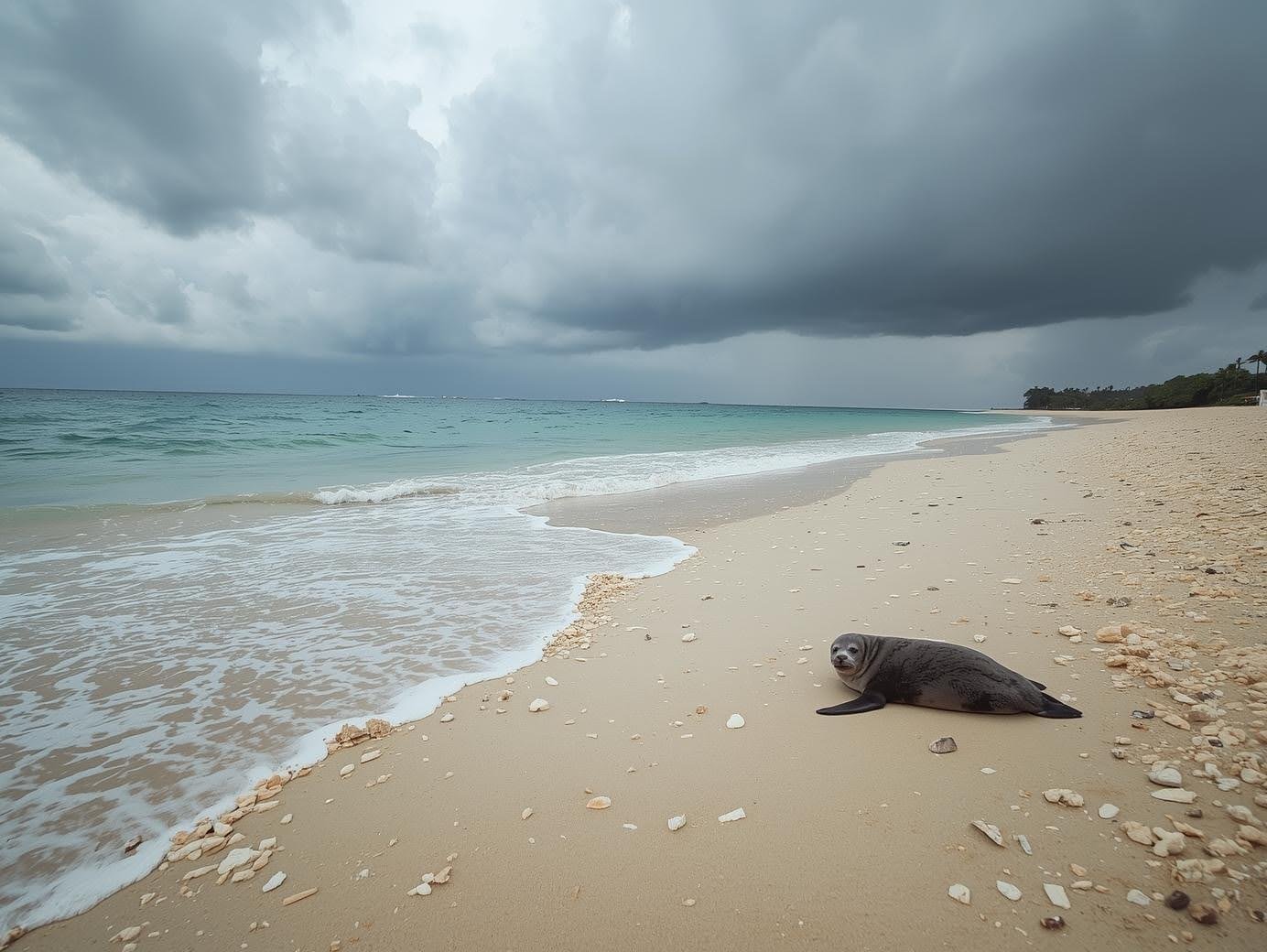
Climate change makes things harder for big marine animals in a way that is different from other animals. Hawaiian monk seals, one of the world’s most endangered marine mammals, depend on specific beach habitats for pupping and resting. These important places are in danger because of rising sea levels and stronger storms.
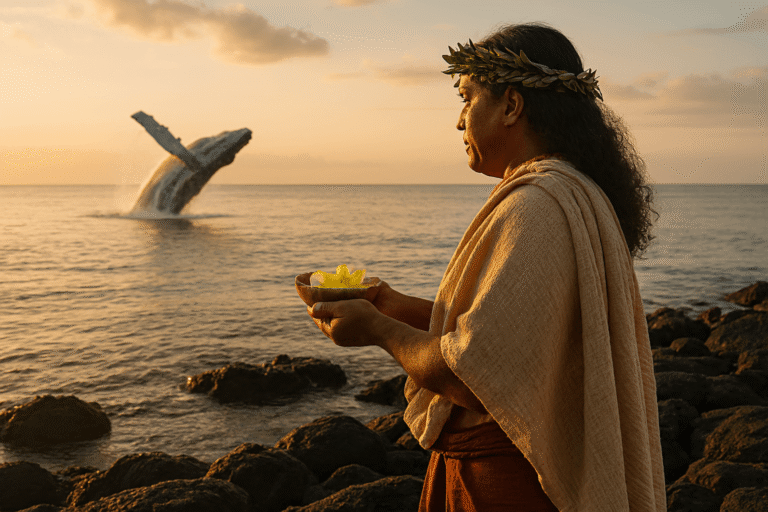
Humpback whales, which migrate to Hawaiian waters each winter for breeding, may find their timing disrupted by changing ocean conditions. Changes in prey availability in their North Pacific feeding grounds could affect the energy reserves they depend on during the breeding season, when they feed little.
Seabirds that rely on marine food sources are also under a lot of stress. Changes in plankton communities, which are the base of the marine food web, have an effect on fish populations that seabirds need to live.
Variations by region: How climate change affects different islands in Hawaii
Big Island: Volcanoes and Marine Life Interactions
The Big Island’s active volcanoes make climate change effects work in ways that are different from other places. Volcanic runoff can change the chemistry of nearby water, which could make the effects of ocean acidification worse in shallow waters.
The famous manta rays in Kona gather where nutrient-rich deep water rises to the surface. Changes in how the ocean moves could mess up these upwelling systems, which would hurt the plankton communities that manta rays need to survive.
The Four Islands Region and Maui
The shallow waters between Maui, Molokai, Lanai, and Kahoolawe make for a one-of-a-kind marine environment. During marine heatwave events, these areas often see very hot and very cold temperatures, which makes them especially vulnerable to coral bleaching.
Land runoff puts even more stress on the region’s large coral reefs, and climate change can make this worse by changing the way rain falls.
Oahu: Effects on cities and stress on the ocean
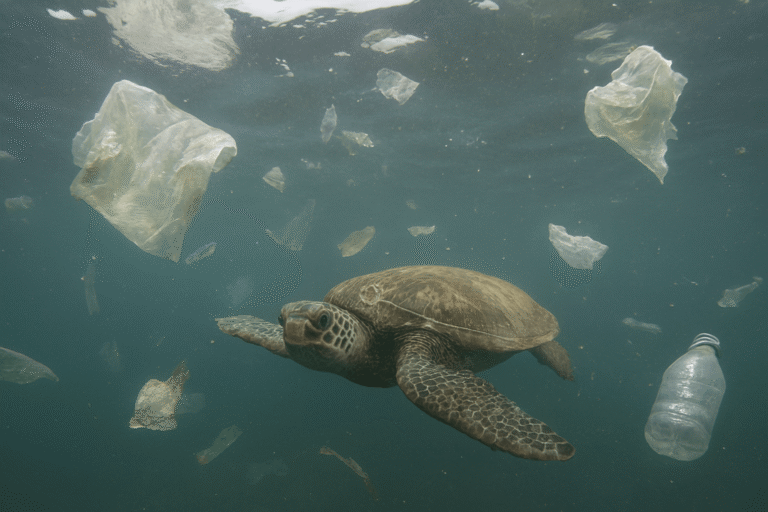
As Hawaii’s most populated island, Oahu’s marine ecosystems face the dual challenge of climate change and human development pressure. Urban runoff carries pollutants that can harm marine life that is already having trouble with changing ocean conditions.
Coral bleaching has happened in Hanauma Bay, one of Oahu’s most popular snorkeling spots. This shows how sensitive nearshore reefs are to changes in temperature.
Kauai and Niihau: Remote but Not Protected
Climate change affects all parts of Hawaii, even the most remote ones. The marine environments around Kauai and Niihau are still pretty clean, but they are still having problems because of rising temperatures and changing ocean chemistry.
The Northwestern Hawaiian Islands — along with the relatively undisturbed waters around nearby Niihau — serve as important reference sites for understanding how climate change affects marine ecosystems with little direct human impact.
Innovative Solutions for Protecting Hawaii’s Marine Environment
Restoration of coral and building resilience
Scientists and conservationists are coming up with new ways to help Hawaiian corals deal with changing conditions. Coral restoration projects focus on identifying and propagating heat-resistant coral varieties that might better survive future warming events.
Assisted gene flow programs bring in genetic diversity from coral populations that can handle heat better, which could make local reefs stronger. It is important to keep a close eye on these efforts to make sure they don’t mess up the relationships that are already there.
Some restoration projects use coral nurseries to grow young corals in the best possible conditions before moving them to areas of the reef that need help. This method makes it possible to selectively breed traits that could help corals deal with climate change.
Marine Protected Areas and Adaptive Management
Hawaii has established many marine protected areas (MPAs) to give ecosystems room to heal and adapt. These refuges can serve as sources of larvae and genetic diversity that help repopulate damaged areas.
Adaptive management approaches allow conservation strategies to evolve as scientists learn more about climate change impacts. Regular monitoring and the ability to change management plans help make sure that conservation efforts stay effective as conditions change.
Community-based management programs get people in the area involved in marine conservation by using both traditional Hawaiian knowledge and modern scientific methods.
Solutions for Technology and Monitoring
Scientists can use advanced monitoring systems to keep an eye on changes in marine ecosystems as they happen. Underwater sensors can detect temperature fluctuations, pH changes, and other environmental variables that affect marine life.
Researchers can use satellite technology to keep an eye on ocean conditions on a large scale. This helps them guess when and where marine heatwaves or other extreme events might happen.
Artificial intelligence and machine learning are being used to analyze vast amounts of marine data, identifying patterns and trends that might not be apparent through traditional analysis methods.
Individual Responsibility and Community Action
Lessening Local Stressors
While climate change is a global problem, local actions can help marine ecosystems become more resilient. Marine communities are better able to deal with changing conditions when pollution is reduced, coastal development is managed, and invasive species are kept in check.
It’s also important to choose the right sunscreen. Sunscreens that don’t have oxybenzone and octinoxate are safe for reefs and help coral reefs deal with changes in temperature and acidity.
Supporting Sustainable Marine Tourism
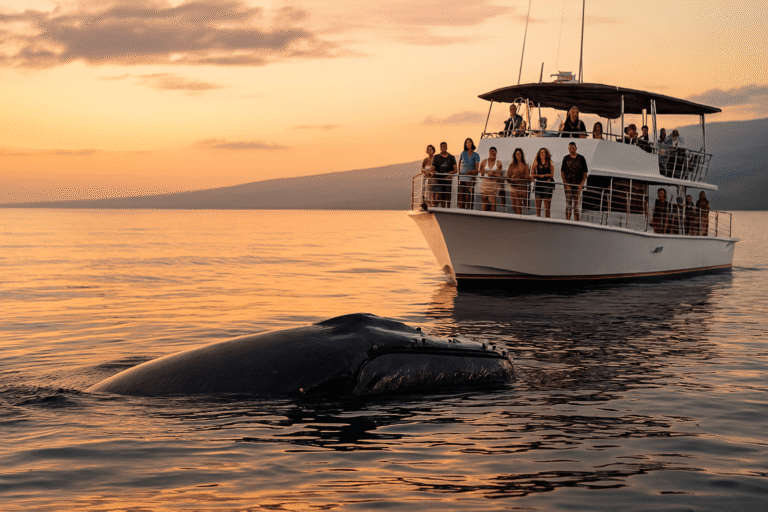
Responsible marine tourism can help protect the environment by giving people money to do so and teaching them about the value of healthy marine ecosystems. Following best practices helps operators reduce the effects of humans on marine environments that are already under a lot of stress.
Educational programs that help visitors understand how their actions affect the health of marine ecosystems make ocean conservation ambassadors who can spread these messages to their own communities.
Monitoring and Citizen Science
Citizen science programs that help keep an eye on reef health, fish populations, and water quality are a way for people in the community to help protect the ocean. These programs collect useful information while raising awareness and interest in marine conservation in the area.
Hawaiian Traditions and Modern Conservation
The ahupua’a system and other ancient Hawaiian ways of managing resources can teach us a lot about how to protect the environment today. These old ways of managing land and sea recognized the links between them and still work today.
Combining traditional ecological knowledge with modern science makes conservation plans that work better and are more culturally appropriate, and they get more support from the community.
Hope and Action: Looking Ahead
New Technologies and Research
New technologies give us new hope for protecting the ocean. Gene therapy could help corals become less sensitive to bleaching, and bioengineering could make living seawalls that protect the coast and provide habitat for marine life.
Scientists study marine ecosystem tipping points to learn about important limits that need to be protected to stop changes that can’t be undone.
Global Climate Action and Benefits at Home
The most important long-term way to protect Hawaiian marine ecosystems is to work together with other countries to cut down on greenhouse gas emissions. Corals, fish, and other marine life will have a better chance of surviving if the temperature doesn’t rise by even a fraction of a degree.
Hawaii’s dedication to renewable energy and environmentally friendly practices is an example for other island communities that are dealing with the same problems.
Building Stronger Marine Communities
To protect Hawaiian marine life in the future, we need to make it more resilient at all levels, from single organisms to whole ecosystems. This calls for ongoing research, flexible management, community involvement, and action on climate change around the world.
Success stories from all over the world show that marine ecosystems can bounce back when they get the right help and protection. Coral reefs that have survived bleaching events may be better equipped to handle future stress, though researchers are still studying how durable that resilience is.
Keeping Paradise Safe for Future Generations
Hawaii’s marine life is facing problems that have never happened before, but they can be solved. There is hope for saving these ecosystems that can’t be replaced through a mix of modern science, traditional knowledge, community action, and cooperation around the world.
Every action counts, from the global effort to cut carbon emissions to the choices we make about how we treat marine environments. The effects on marine life are real and urgent, but so is our ability to make a difference.
The first step toward being part of the solution is to understand these problems. Your knowledge and actions, whether you live in Hawaii or are just visiting, are part of a bigger effort to protect the state’s marine heritage.
Protecting Hawaii’s marine life from climate change will take action at every level: cutting global emissions to slow ocean warming and acidification, restoring and safeguarding reefs so they can recover between heatwaves, reducing local pressures like pollution and runoff, and supporting community-led stewardship rooted in Hawaiian tradition. Hawaii’s reefs have shown they can rebound when given the chance — what happens next depends on the choices made now, both in the islands and around the world.