Things to Do in Maui, Hawaii: The Essential Guide

Maui earns its nickname, the Valley Isle, and its reputation as Hawaii’s most beloved island for honeymoons and family trips alike. A 10,000-foot volcano, the most famous scenic drive in America, world-class snorkeling, winter whales, and beaches that regularly top “best in the world” lists: Maui packs an extraordinary range into one island. This guide covers the essential experiences, how to plan them, and what to know before you go.
This is the single complete guide to things to do in Maui, Hawaii. It covers Haleakalā, the Road to Hana, Molokini snorkeling, the best beaches, whale watching, ʻĪao Valley, Upcountry Maui, Lahaina and West Maui, luaus, and practical planning tips. If you have been searching for anything about what to do on Maui, the answers are all here on this one page.
Things to Do in Maui at a Glance
| Signature experience | Sunrise at Haleakalā summit, 10,023 feet above the clouds |
| Famous drive | Road to Hana: 64 miles, 600+ curves, waterfalls and black sand beaches |
| Best snorkeling | Molokini Crater and Turtle Town |
| Best beaches | Kāʻanapali, Wailea, Napili Bay, Makena |
| Whale season | December through April, peaking January to March |
| Cultural must | A traditional luau; ʻĪao Valley State Monument |
| Upcountry | Makawao, Kula, lavender farm, surf town Pāʻia |
| Getting around | Rental car essential; the island rewards drivers |
| Reservations needed | Haleakalā sunrise (vehicle reservation); popular luaus and tours book out |
| Lahaina note | Town devastated by the August 2023 wildfire; rebuilding ongoing, West Maui reopened to visitors |
Haleakalā: Sunrise Above the Clouds
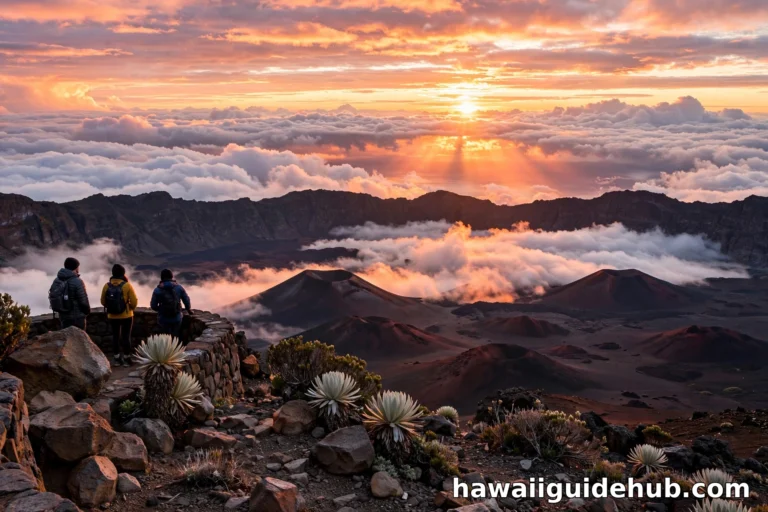
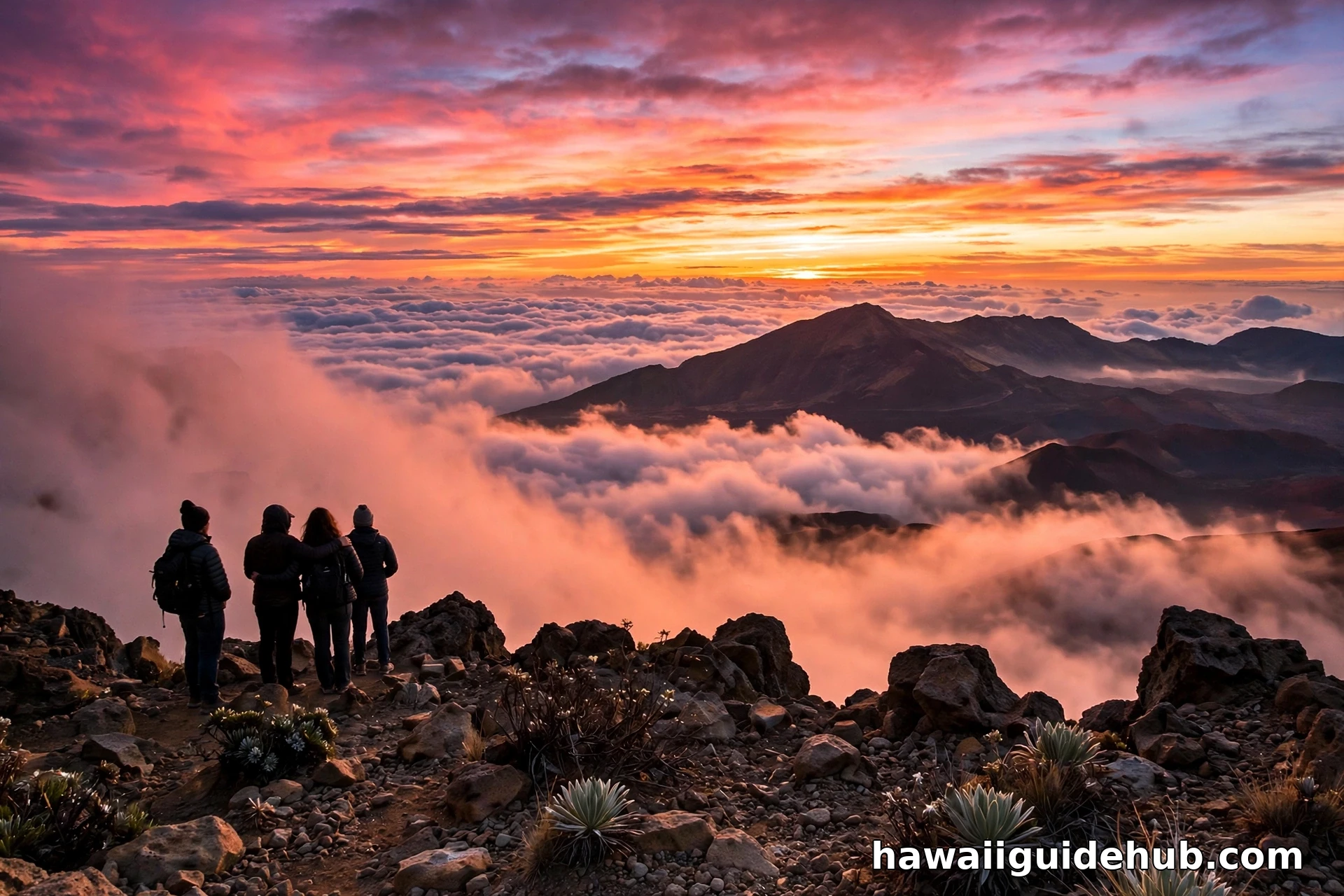
Haleakalā National Park’s summit, at 10,023 feet, is Maui’s single most famous experience. Watching sunrise break over a sea of clouds from the top of a dormant volcano is genuinely unforgettable, and it draws crowds for good reason. You need a vehicle reservation for sunrise entry (book well ahead on Recreation.gov), warm layers for temperatures that drop into the 30s Fahrenheit, and an early alarm: the drive from the resort areas takes 1.5 to 2 hours in the dark.
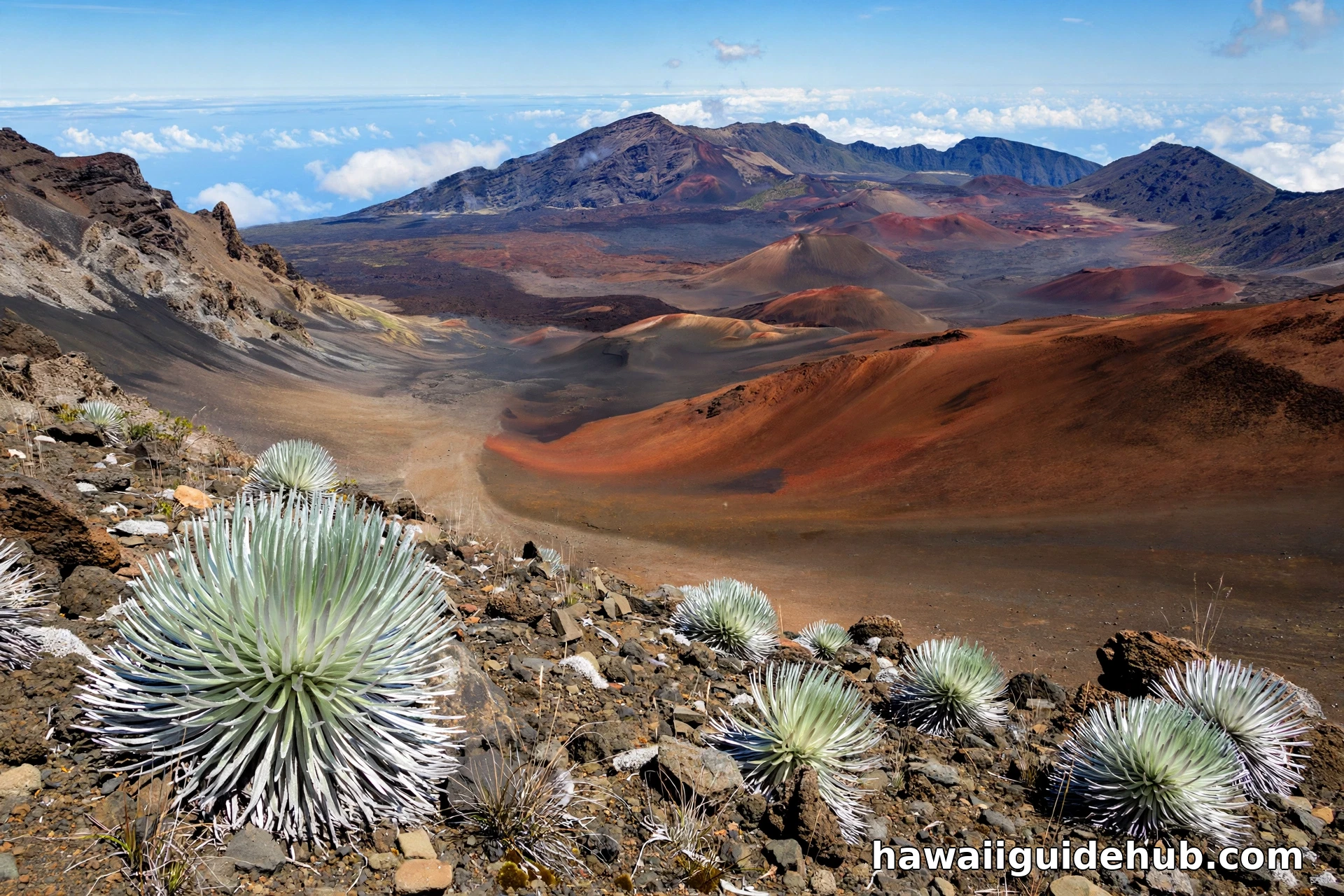
Not a morning person? Sunset is nearly as spectacular and requires no reservation. By day, the summit district offers otherworldly hiking: the Sliding Sands trail descends into the crater past cinder cones and rare silversword plants. The park has two districts, summit and coastal Kīpahulu, which are not connected by road; plan them as separate visits. Our guide to the Haleakalā sunset covers the evening experience in detail.
The Road to Hana: America’s Most Famous Drive
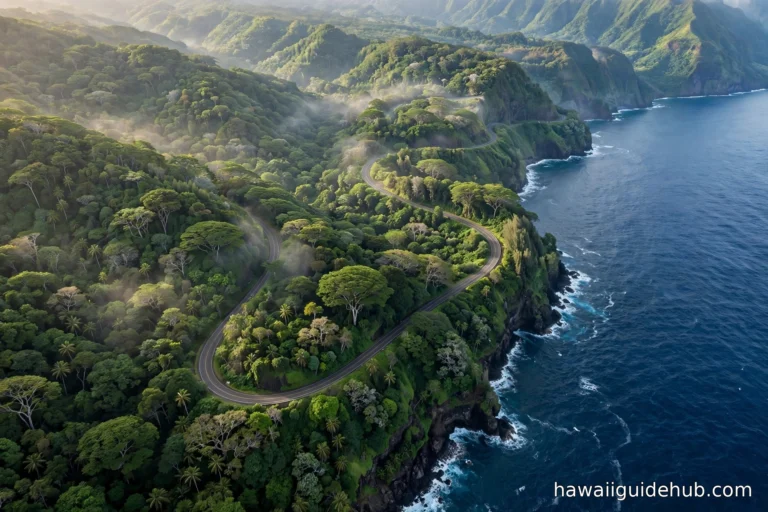
The Road to Hana is 64 miles of winding coastal highway with over 600 curves and 50-plus one-lane bridges, passing through rainforest, waterfalls, and ocean overlooks. The drive is the destination: Twin Falls, the Keʻanae Peninsula, Waiʻanapanapa State Park’s black sand beach, the red sand beach at Kaihalulu, and the Pools of ʻOheʻo. Most visitors make it a full day, leaving early and returning by evening.
Drive it yourself for flexibility, or take a guided tour if the curves intimidate you. Either way, download an audio guide, pack snacks and water, respect private property and no-parking zones, and never trespass for a photo. The road demands patience and rewards it. Fill the tank before you leave; there are no gas stations past Paʻia. Key stops to plan for: the black sand beach at Waiʻanapanapa (reservations required for non-residents), the bamboo forest and 400-foot Waimoku Falls on the Pīpīwai Trail past Hana town, and the roadside banana bread stands that have become a tradition of their own.
Molokini and Turtle Town: Maui’s Best Snorkeling
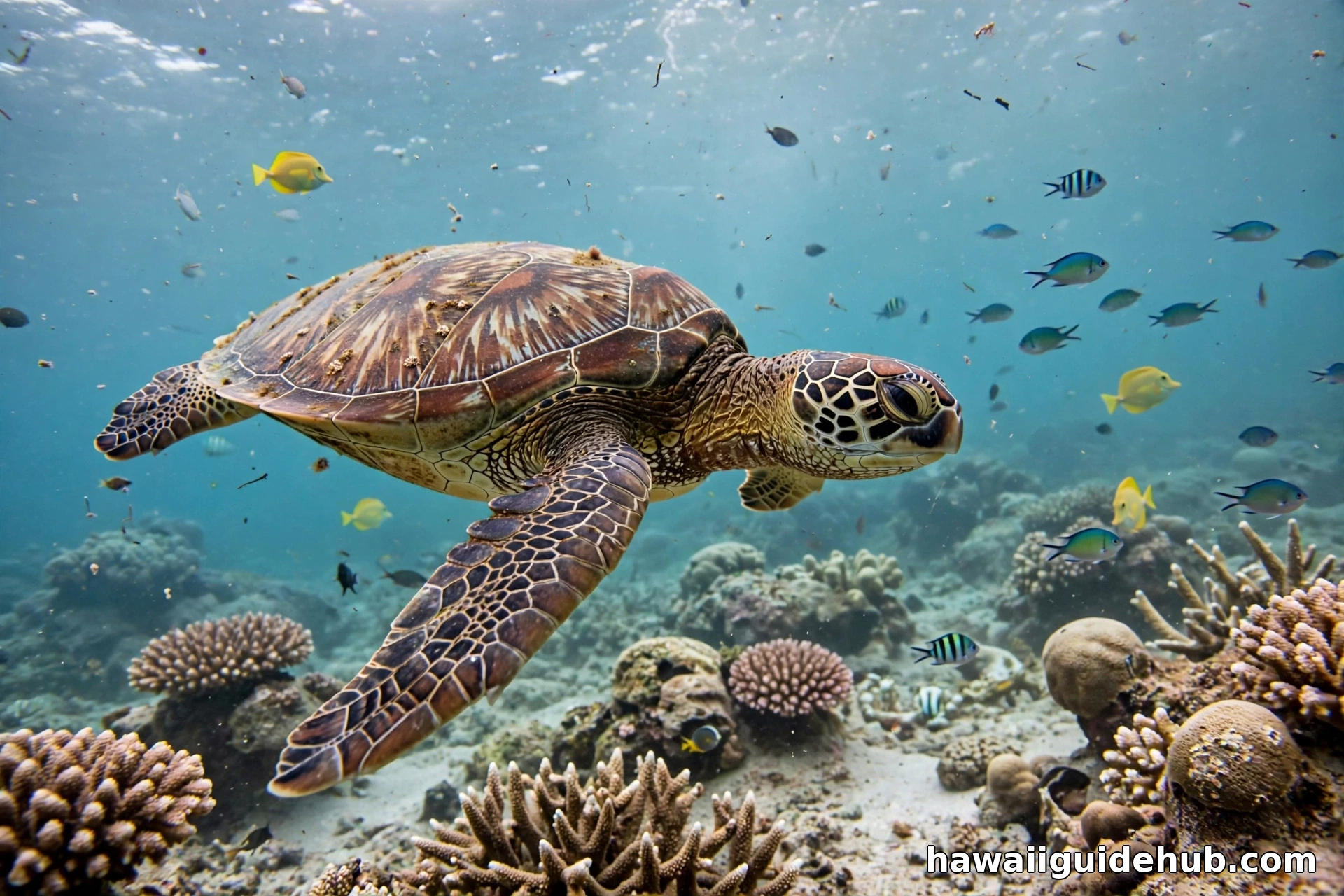
Molokini is a crescent-shaped volcanic crater rising from the ocean off Maui’s southwest coast, and its sheltered waters offer some of Hawaii’s clearest snorkeling, with visibility often exceeding 100 feet. Boat tours from Maʻalaea Harbor reach it in under an hour. Turtle Town, closer to shore, pairs snorkeling with near-guaranteed Hawaiian green sea turtle sightings.
Book morning tours for the calmest water. Bring reef-safe sunscreen, required by Hawaii law, and never touch turtles or coral. Snorkel beginners do fine here; the boats provide gear and guidance, and the sheltered crater keeps conditions gentle. In winter, the same boats often spot whales on the crossing, a two-for-one bonus. If boats aren’t your thing, Black Rock at Kāʻanapali offers excellent shore snorkeling with frequent turtle sightings.
Maui’s Best Beaches
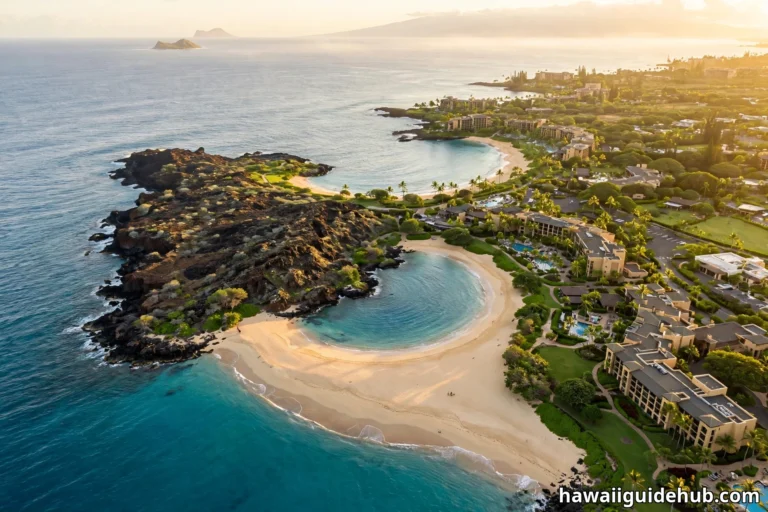
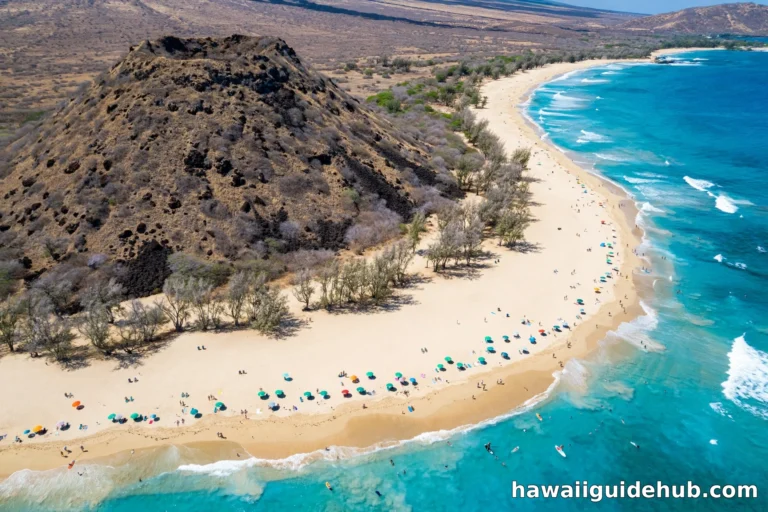
Maui’s beaches are the island’s other great claim to fame. Here is how the standouts compare.
| Beach | Known for | Best for |
| Kāʻanapali | Three miles of golden sand; Black Rock snorkeling and cliff diving | Classic resort beach days |
| Wailea | Upscale, manicured, calm waters | Families and luxury travelers |
| Napili Bay | Gentle crescent bay, great snorkeling | Swimming and relaxing |
| Makena (Big Beach) | Huge, wild, dramatic surf | Experienced swimmers; shorebreak caution |
| Hoʻokipa | Windsurfing capital; turtles bask on the sand | Watching windsurfers and turtles |
| Waiʻanapanapa | Black sand beach on the Road to Hana | Photography and exploring |
Respect the ocean everywhere in Hawaii. Check conditions, heed lifeguard warnings, and remember that shorebreak at beaches like Makena can injure even strong swimmers. Calm-looking water is not always calm.
Whale Watching: Winter’s Giants
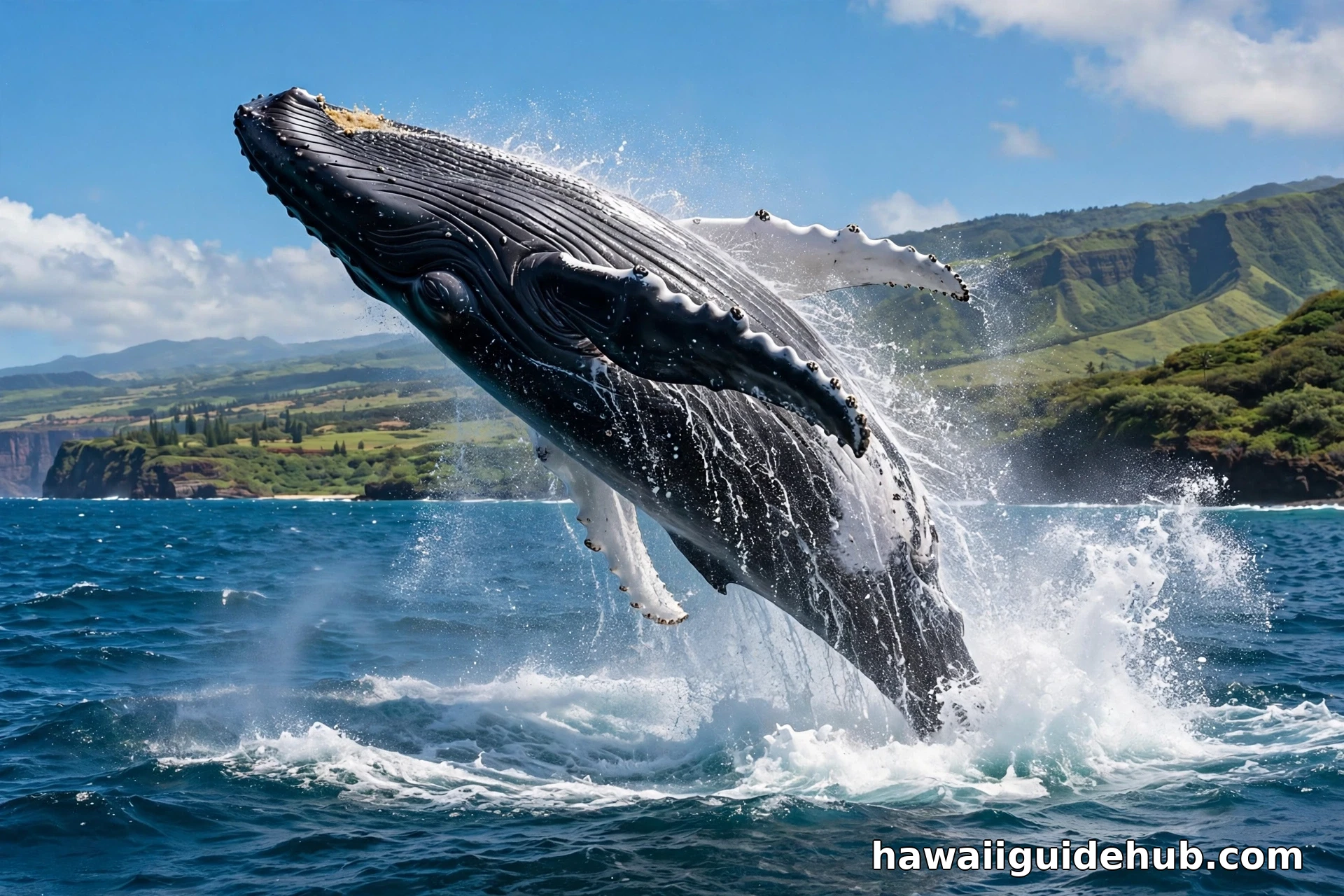
From December through April, thousands of humpback whales migrate to Maui’s warm waters to breed and calve, and the island offers the best whale watching in Hawaii. Peak season is January through March. Dedicated whale watch cruises from Lahaina and Maʻalaea Harbors get you close, with naturalist guides and hydrophones to hear the whales sing. You can also spot spouts and breaches from shore at overlooks along the west coast.
Book early in peak season; the best boats fill up. Morning trips usually have the calmest seas. Federal law requires boats to keep distance, but the whales often approach on their own terms, which is the real magic.
ʻĪao Valley and Upcountry Maui
ʻĪao Valley State Monument, in the West Maui Mountains, centers on the 1,200-foot ʻĪao Needle, a vegetated lava remnant rising from the valley floor. It is a place of deep history: the valley was the site of the 1790 Battle of Kepaniwai. Paved paths make it an easy, moving stop, and reservations are required for non-residents.
Upcountry Maui, on Haleakalā’s slopes, is the island’s other side: ranch country, cool air, and small towns. Makawao is a paniolo (cowboy) town with galleries and boutiques. Kula grows the island’s produce and flowers, and the lavender farm draws visitors in bloom season. Pāʻia, the North Shore surf town at the start of the Road to Hana, is worth a wander for its shops and food. For winter-specific planning, see the best places to visit in Maui this winter.
Lahaina and West Maui: Visiting With Respect
Lahaina was one of Hawaii’s most historic towns: the former capital of the Hawaiian Kingdom, a whaling port, and home to the famous banyan tree. In August 2023, a wildfire devastated the town, destroying much of historic Front Street and taking many lives. Rebuilding is ongoing and will take years. West Maui has reopened to visitors, and tourism supports the recovery, but the town deserves reverence, not sightseeing-as-usual.
Check current conditions before planning around Lahaina specifically. Support local businesses, respect any restricted areas, and understand that for residents, this is still an open wound. The banyan tree, remarkably, survived and has shown signs of recovery, a small symbol of hope for the town.
Luaus and Hawaiian Culture
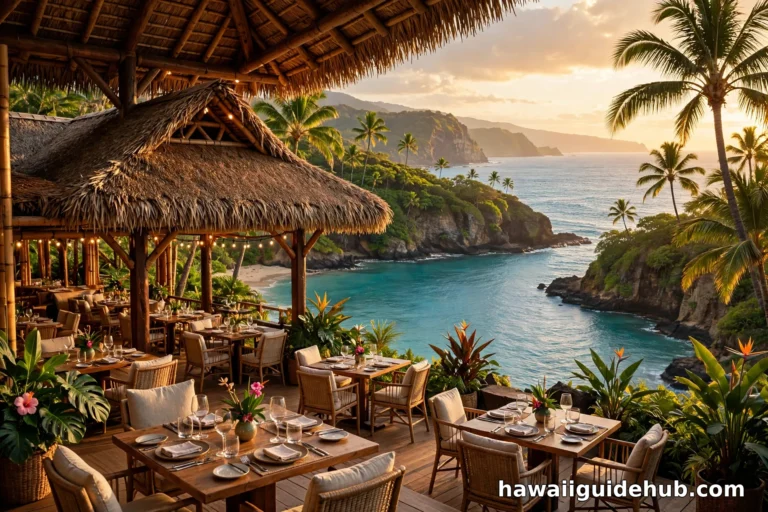
A luau is Maui’s essential cultural evening: traditional food including kalua pig, hula and music, and often the dramatic imu ceremony where the pig is unearthed from the underground oven. Maui’s luaus are among Hawaii’s best-regarded. Book well ahead; the top luaus sell out weeks in advance in high season. For what to expect and how to choose, see what to wear to a luau.
Planning Tips for Maui
Rent a car. Maui’s sights are spread out, and tours can’t cover everything. Book the big three early: Haleakalā sunrise reservations, luaus, and Molokini tours. Stay in one base (West Maui or South Maui) rather than hopping; the island is bigger than it looks. Budget for prices higher than the mainland. And build in beach time: the temptation is to schedule every day, but Maui’s greatest luxury is an unscheduled afternoon on the sand. For why the island captivates, see 10 reasons to visit Maui.
A Sample 5-Day Maui Itinerary
Here is how to fit it all together without exhausting yourself. This assumes a West or South Maui base.
| Day | Plan | Why this order |
| Day 1 | Arrive, settle in, sunset at Kāʻanapali or Wailea beach | Recover from travel; ease into island time |
| Day 2 | Haleakalā sunrise, then Upcountry towns and Pāʻia | Sunrise is closest to Upcountry; one early day |
| Day 3 | Road to Hana, full day | Dedicate the whole day; you’ll be tired after |
| Day 4 | Molokini snorkel in the morning, beach afternoon, luau evening | The big activity day, rewarded with the luau |
| Day 5 | ʻĪao Valley, whale watching (in season), unscheduled beach time | Flex day for what you missed or loved most |
Beyond the Highlights: Maui’s Hidden Corners
Once you’ve seen the headliners, Maui rewards explorers. The Dragon’s Teeth at Makaluapuna Point are jagged lava formations that look carved by fantasy. The Nakalele Blowhole on the northwest coast shoots seawater skyward through a lava tube. The Kapalua Coastal Trail strings together coves and tide pools on an easy walk. And the small towns, Wailuku’s historic streets, Haiku’s country charm, hold the local Maui most visitors miss.
Golfers have their own paradise here; our guide to golfing on Maui covers the island’s celebrated courses. Whatever your pace, leave at least one day unplanned. Maui’s best moments are often the unscripted ones: a turtle surfacing beside your snorkel, a rainbow over the valley, a beach you had all to yourself.
Video: The Best of Maui
Waterfalls, wildlife, and pure wonder: a visual tour of Maui’s greatest hits.
Frequently Asked Questions
How many days do you need in Maui?
Five to seven days covers the highlights without rushing: Haleakalā, the Road to Hana, a snorkel trip, beach time, and a luau. Three days can hit the top sights but feels hurried.
Do you need a reservation for Haleakalā sunrise?
Yes. Driving into the summit district between 3am and 7am requires a vehicle reservation booked in advance. Sunset requires no reservation.
Is the Road to Hana worth it?
Yes, for most visitors. It is a full day of waterfalls, rainforest, and coastal views. If winding roads bother you, consider a guided tour instead of driving.
When is whale season in Maui?
December through April, peaking January to March. Book whale watch cruises early in peak season.
Is Lahaina open to visitors?
West Maui has reopened to visitors and tourism supports the recovery, but much of historic Lahaina town was destroyed in the August 2023 wildfire and rebuilding continues. Check current conditions and visit with respect.
Do you need a rental car on Maui?
Yes, essentially. Maui’s attractions are spread across the island, and a rental car gives you the freedom to explore at your own pace.
What is the best time of year to visit Maui?
April through May and September through November offer the best balance of good weather, smaller crowds, and lower prices. Winter (December to April) brings whales and the biggest crowds; summer brings heat and families. For a seasonal breakdown, see the best places to visit in Maui this winter.
Is Maui expensive?
Yes, Maui is one of Hawaii’s pricier islands. Lodging, dining, and activities all run above mainland prices. You can manage costs with vacation rentals that have kitchens, farmers markets, free beach days, and choosing a few splurge activities rather than booking everything.
Maui is called the Valley Isle, but it could be called the island of superlatives: the most famous sunrise, the most famous drive, the best whale watching, beaches without peer. Come with a plan, leave room for spontaneity, and let the island do the rest. Maui has a way of exceeding every expectation, and calling you back again.