Ono Fish Hawaii: What It Tastes Like, How to Cook It & Where to Eat It

Ono is the Hawaiian word for delicious: and it is also the name of the fish that earned it. Ono (wahoo, Acanthocybium solandri) is a fast, torpedo-shaped predator whose lean, mild, sweet white flesh makes it one of Hawaii’s finest eating fish. This guide covers what ono tastes like, how Hawaiians cook it, where to find it, and how it compares to the islands’ other famous fish.
What Is Ono Fish?
Ono is wahoo, a close relative of the king mackerel and one of the fastest fish in the ocean: bursts over 60 mph. It is a pelagic predator caught by trolling offshore, typically 20-100 pounds. The flesh cooks up snow-white, firm, and flaky, with a mild sweetness and none of the oiliness of mackerel. Hawaiians named it well: “ono” literally means delicious, good to eat. It is not the same as mahi-mahi (dolphinfish) or opah (moonfish), though all three share menus.

Ono vs. Hawaii’s Other White Fish: How They Compare
| Fish | Flavor and texture | Best preparation | Note |
| Ono (wahoo) | Mild, sweet, firm, lean | Grilled, smoked, sashimi | Dries out if overcooked |
| Mahi-mahi | Mild, slightly sweet, moist | Grilled, blackened, tacos | More forgiving on the grill |
| Opah (moonfish) | Rich, firm, almost beefy | Seared, grilled | Rarest on menus; priciest |
| Ahi (yellowfin) | Meaty, rich | Seared rare, poke, sashimi | Best raw of the four |
Ono sits between mahi-mahi and ahi: firmer and leaner than mahi, milder than ahi. Its leanness is both its virtue and its risk: cooked right, it is sublime; overcooked by a minute, it goes chalky.
How Hawaiians Cook Ono
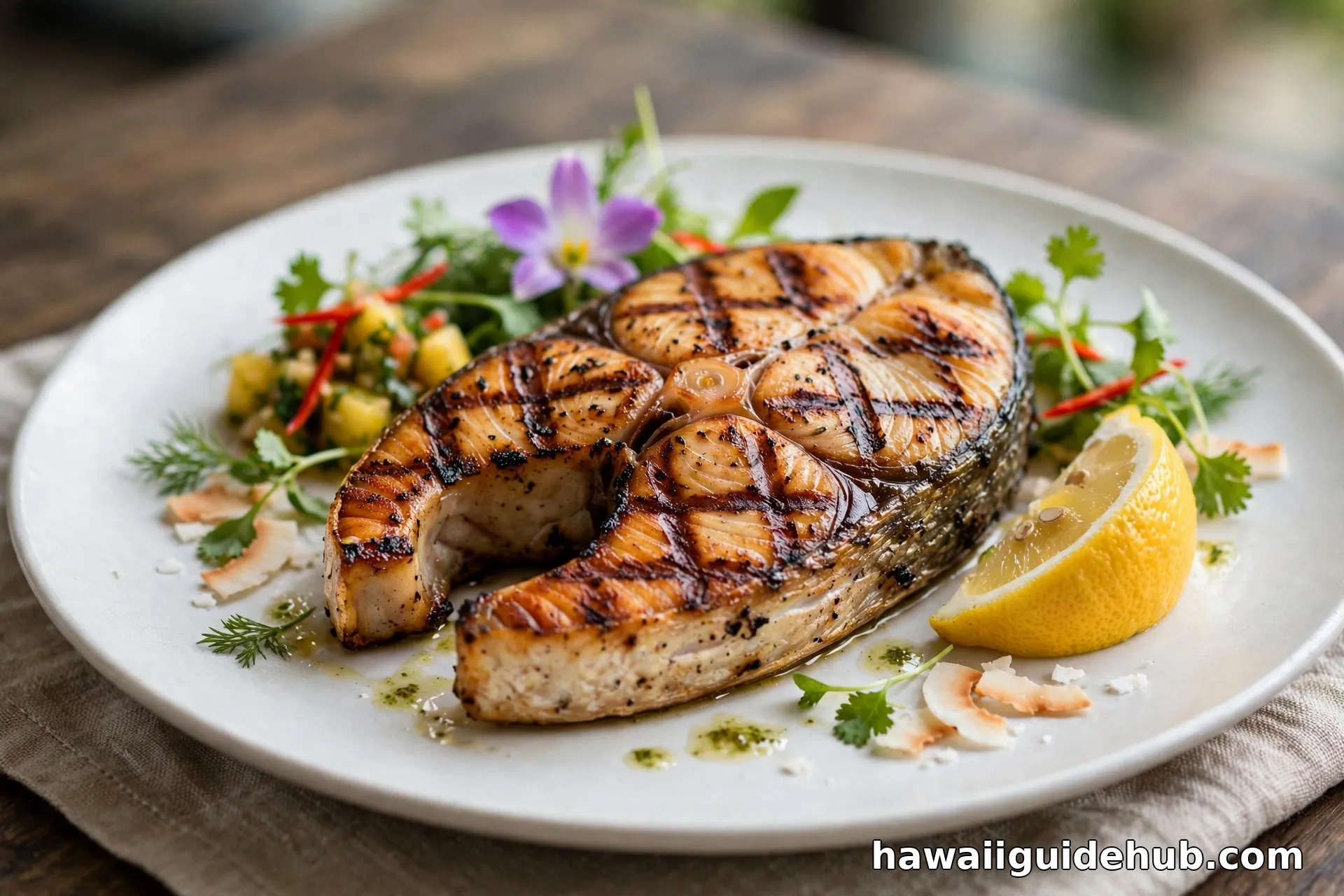
Grilling is the classic: inch-thick steaks, 2-3 minutes per side over high heat, pulled when the center is just turning opaque (125-130°F internal), then rested. Smoking ono over kiawe or guava wood is a local tradition: the lean flesh takes smoke beautifully. Ono also shines as sashimi and poke when truly fresh: sweet, buttery, clean. Fish tacos, tempura ono sandwiches, and ono with mango salsa round out the island repertoire. The through-line: restraint. Salt, heat, acid, something bright.
Where to Eat Ono in Hawaii
Ono appears on menus statewide as the fresh catch: look for “catch of the day” boards at seafood restaurants, fish markets, and poke shops. The Honolulu fish auction (one of the world’s largest) supplies restaurants across the islands: freshness is rarely an issue. Poke shops sell ono poke when available. Fish markets in Kona, Hilo, Honolulu, and Līhuʻe sell whole ono and fillets to cook yourself. Prices run $25-40 per plate at restaurants, $15-25 per pound at markets: ono is a premium fish, but cheaper than opah.
The Fastest Fish on the Menu
Ono’s torpedo body, deeply forked tail, and smooth skin make it one of the ocean’s fastest fish: bursts above 60 mph, sustained cruising at speeds that embarrass most boats. It hunts alone or in small groups, ambushing flying fish, squid, and smaller tuna near the surface. That athletic life shapes the flesh: dense, muscular, lean, built for bursts rather than cruising. You taste the animal’s life in the fillet: this is why ono has the texture of an athlete, not a lounger.
Fishing for Ono in Hawaii
Ono is a prized sportfish: trolling with lures or live bait offshore, especially around floating debris, current lines, and the edges of fish aggregating devices (FADs). Winter through spring is prime season in Hawaiian waters, though ono are caught year-round. Charter boats out of Kona, Honolulu, and Kauaʻi target them regularly: a 40-60 pound ono is a trophy; 100+ pounders exist. If you catch one, the boat will often clean it: and many restaurants will cook your catch.
Ono in Hawaiian Culture
The word “ono” does double duty: the fish and the adjective “delicious.” Hawaiians have eaten pelagic fish for centuries, trading and sharing catches through community networks that persist today: a big ono still gets divided among family and neighbors. At lūʻau and celebrations, ono appears grilled or in poke. The name is a promise the fish keeps: ask any local fisherman their favorite eating fish, and ono is on the short list.
Ono Around the World
Wahoo is global: ono in Hawaii, wahoo everywhere else, “kingfish” in parts of the Pacific, peto in Latin America. It is prized from Bermuda to Australia to the Gulf of Mexico. The Bahamas run wahoo tournaments; Gulf Coast anglers smoke it; Caribbean cooks grill it with lime. Hawaii’s preparation style: minimal, fresh, often raw: reflects the islands’ Japanese and local influences. Wherever you find it, the rule is the same: fresh, fast, and not overcooked.
The Honolulu Fish Auction: Where Your Ono Starts
Most restaurant ono in Hawaii passes through the Honolulu fish auction at Pier 38: one of the largest fresh tuna auctions in the world, running in the pre-dawn hours. Boats unload, buyers inspect and bid, and fish ships inter-island the same day. The auction sets the day’s prices and grades. Visitors can watch the auction on certain mornings: a fascinating, working slice of Hawaii’s food economy. When a menu says “fresh catch,” this is usually where it came from.
What to Drink with Ono
Ono’s lean mildness pairs with crisp, acidic drinks: a cold lager, a citrusy IPA, dry riesling, sauvignon blanc, or sparkling wine. For raw preparations, sake or a light pilsner. Smoked ono loves a smoky mezcal cocktail or a brown ale. Avoid heavy reds: they bulldoze the fish’s delicacy. In Hawaii, the default pairing is an ice-cold local lager after a day in the sun: hard to beat.
Video: Smoked Ono (Wahoo)
Smoking ono low and slow: the technique that converts skeptics.
Mercury, Sustainability, and Health
Ono carries moderate mercury: as a large predator, it accumulates more than small reef fish. Pregnant women and young children should limit consumption, following FDA guidance for predatory fish. On sustainability: wahoo grows fast and reproduces quickly, and Hawaii’s longline fishery is monitored: look for responsibly sourced fish. Nutritionally, ono is extra-lean protein rich in niacin, B6, B12, phosphorus, and selenium, with good omega-3s: a genuinely healthy fish when eaten in moderation.
Frequently Asked Questions About Ono Fish
What does ono fish taste like?
Mild, slightly sweet, firm and flaky: like a leaner, cleaner mahi-mahi. Raw, it is buttery and smooth.
Is ono the same as wahoo?
Yes: ono is the Hawaiian name for wahoo (Acanthocybium solandri). “Ono” also means delicious in Hawaiian.
Is ono the same as mahi-mahi?
No: mahi-mahi is dolphinfish, a different species. Ono is leaner and firmer; mahi is moister and more forgiving.
Can you eat ono raw?
Yes, when sushi-grade fresh: ono makes excellent sashimi, poke, and ceviche. Buy from reputable fish markets.
What is a good substitute for ono?
Mahi-mahi or opah: similar mild white flesh. For raw preparations, ahi works but tastes richer.
Three Ways to Cook Ono at Home
Grilled ono steaks: 1-inch steaks, salt and pepper, screaming-hot grill, 2-3 minutes per side. Finish with lemon and good olive oil. Pull at 125°F internal: carryover heat does the rest.
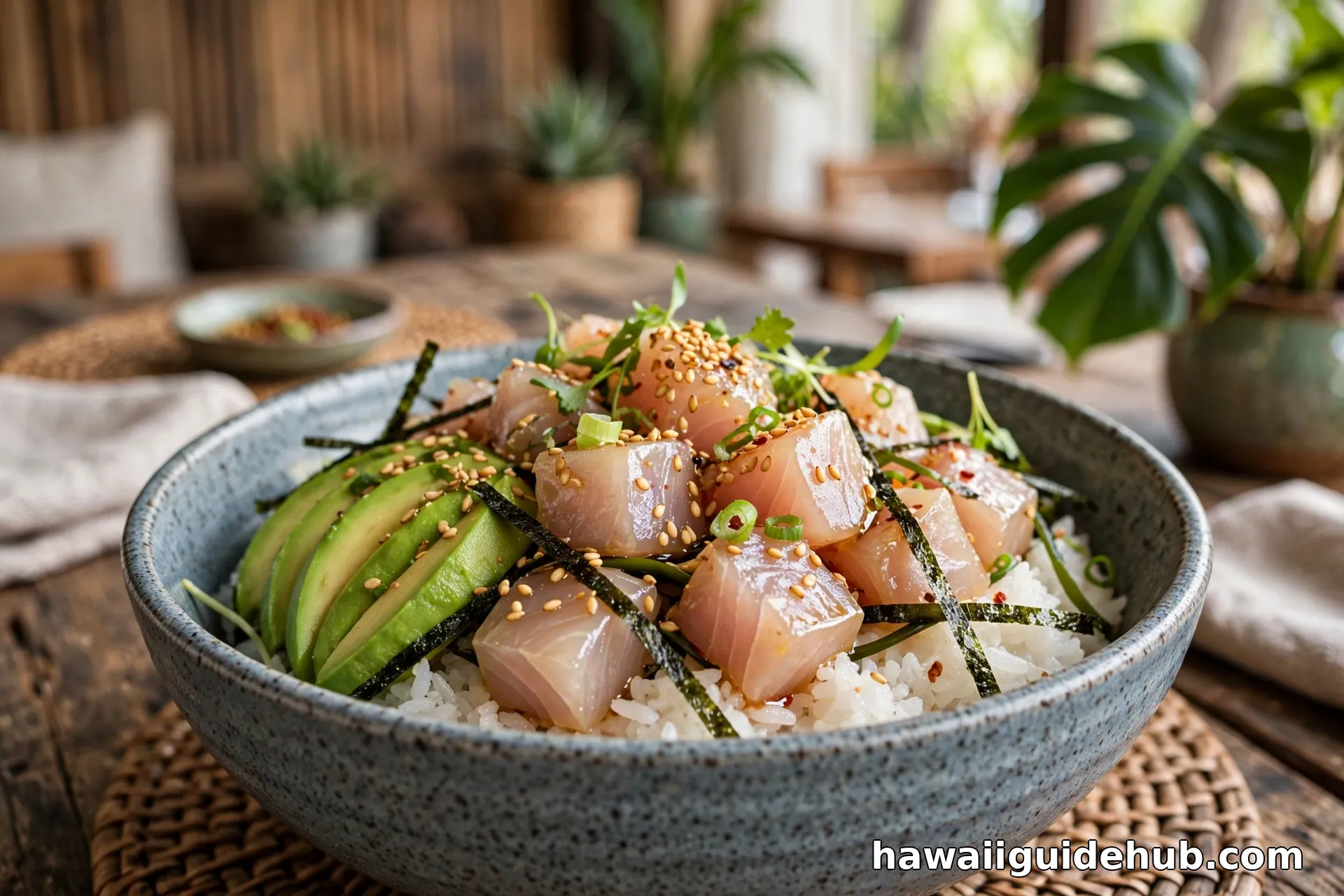
Ono poke: 1 pound sushi-grade ono cubed, 2 tablespoons shoyu, 1 teaspoon sesame oil, sliced green onion, a pinch of chili flakes, sesame seeds. Toss, chill 15 minutes, serve over rice. The fish’s sweetness needs almost nothing else.
Smoked ono: brine fillets overnight (1 quart water, 1/4 cup salt, 1/4 cup brown sugar), rinse, air-dry until tacky, smoke at 180°F until 145°F internal. The result converts people who claim not to like fish.
Buying Ono: What to Look For
Fresh ono flesh is translucent white-pink, firm to the touch, and smells of clean ocean: never fishy. At markets, ask when it was caught: day-boat fish is best for raw preparations. Frozen-at-sea ono is excellent for cooking: modern flash-freezing preserves quality well. Avoid fillets that look dried at the edges or smell sour. Whole ono: clear eyes, red gills, firm body. In Hawaii, the fish auction grades every fish: ask your fishmonger about the grade.
Is ono high in mercury?
Moderate: as a large predator, ono accumulates more mercury than small fish. Enjoy regularly but not daily; pregnant women and children should limit intake per FDA guidance.
Is ono sustainable?
Generally yes: wahoo grows fast and reproduces quickly, and Hawaii’s fishery is monitored. Choose responsibly sourced fish and ask your market about origin.
Storing and Freezing Ono
Fresh ono keeps 1-2 days refrigerated on ice: use it fast. For longer storage, vacuum-seal and freeze: properly frozen ono keeps 3-6 months with minimal quality loss. Thaw slowly in the refrigerator, never at room temperature. Previously frozen ono is fine for grilling and smoking: reserve never-frozen fish for raw preparations. If you buy a whole fish at the market, have it filleted there: and ask for the frame for stock.
Ono for Special Diets
Ono is naturally gluten-free, dairy-free, keto-friendly, and paleo: pure lean protein. A 6-ounce serving delivers roughly 35 grams of protein for about 200 calories. It fits pescatarian and Mediterranean diets beautifully. The only watch-outs: mercury (moderation for pregnant women and kids) and added sauces for strict diets. As clean eating goes, a simply grilled ono steak is hard to improve on.
Why is ono called ono?
“Ono” means “delicious” or “good to eat” in Hawaiian. The fish earned the name honestly.
How big do ono get?
Commonly 20-60 pounds; 100+ pound fish are caught. The IGFA all-tackle record is 184 pounds.
Ono vs. King Mackerel: Family Resemblance
Ono’s closest relative is the king mackerel: same family (Scombridae), similar torpedo build, similar razor teeth. Kings run oilier and stronger-flavored; ono is the refined cousin: leaner, milder, sweeter. Both demand the same kitchen respect: do not overcook lean fish. If a recipe calls for king mackerel and you have ono, you are upgrading. If it calls for ono and you have king, add acid and watch the time: the king forgives less.
Cooking Mistakes That Ruin Ono
The cardinal sin: overcooking. Ono goes from perfect to chalky in about 60 seconds: use a thermometer and trust carryover heat. Mistake two: cooking it like salmon. Ono has a fraction of salmon’s fat: techniques that work for fatty fish dry out lean ones. Mistake three: drowning it in heavy sauce. Ono’s flavor is delicate: let it lead. Mistake four: using old fish for raw preparations. Poke and sashimi demand day-boat freshness: when in doubt, cook it.
Ono at Lūʻau and Celebrations
At Hawaiian celebrations, ono shows up grilled in quantity: whole fillets over kiawe coals, served with rice and mac salad. It is celebration food: the fish you serve when you want to impress without fuss. If you are invited to a local gathering and someone grills ono, you are being honored: the fisherman is sharing the best of the catch. Bring a side dish, bring your appetite, and do not ask for tartar sauce: shoyu and lemon is the way.
Ono and Poke Culture
Poke is Hawaii’s gift to the world’s lunch menus, and ono is one of its finest expressions. While ahi dominates poke shops, ono poke is the connoisseur’s order: sweeter, cleaner, less common. Traditional poke is simple: cubed raw fish, sea salt, seaweed (limu), roasted kukui nut. Modern shops add shoyu, sesame, avocado, and spice. The best ono poke comes from fish markets and dedicated poke shops, not supermarket delis: freshness is everything. Eat it the local way: over warm rice, with a cold drink, as soon as possible after buying.
From Boat to Plate: A Day in the Life of Your Ono
4 AM: the longliner hauls lines 20 miles offshore. 6 AM: the ono is iced within minutes of landing. 8 AM: offloaded at the dock. Pre-dawn next day: auctioned at Pier 38. Morning: trucked to markets and restaurants across Oʻahu, flown inter-island. Evening: on your plate as the catch of the day. That 36-hour journey from ocean to table is why Hawaii ono tastes different from frozen imports: and why “fresh catch” here means something specific. When you taste the difference, you are tasting logistics done right.
Order the ono when you see it on the catch board: it is the fish Hawaiians named delicious, and it earned the name. For more island flavors, explore Hawaii’s best late-night eats, malasadas, and Oʻahu’s best restaurants.