The Ultimate Guide to Hiking in Waimea Canyon State Park

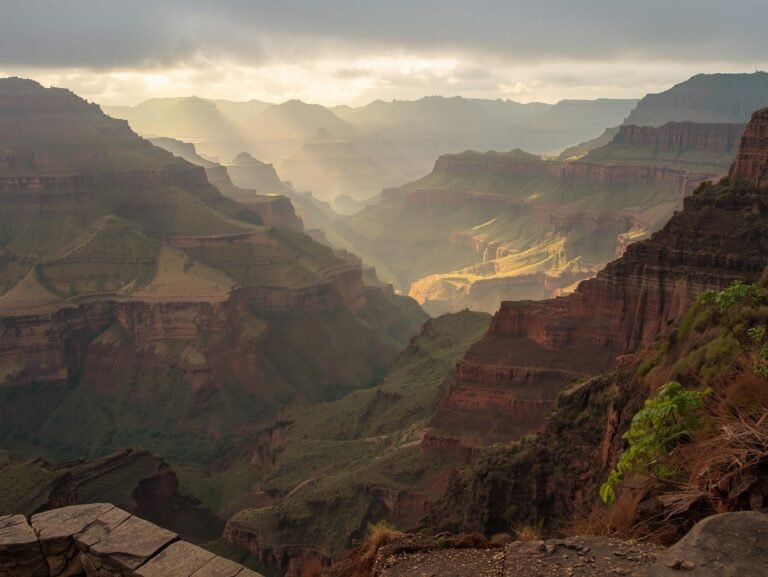
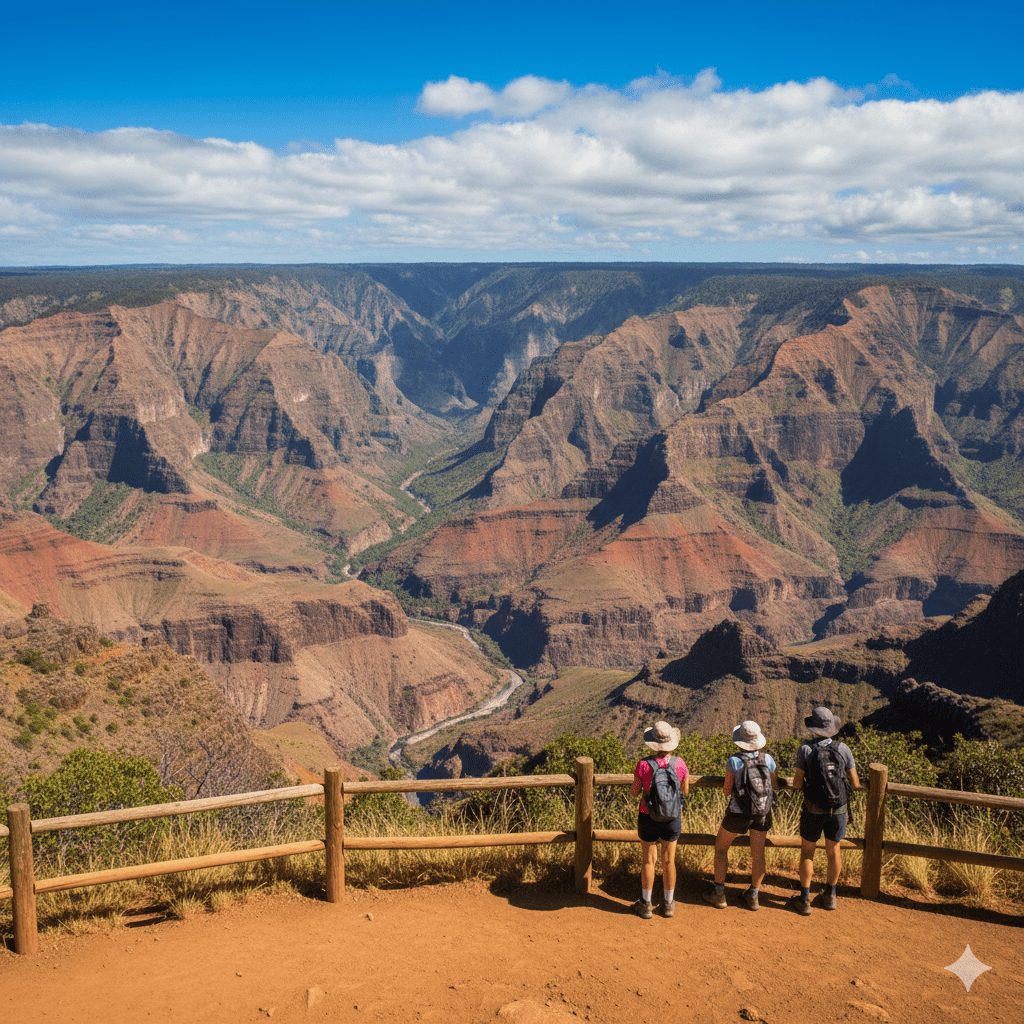
Waimea Canyon State Park, also called the “Grand Canyon of the Pacific,” is one of Kauai’s most beautiful natural wonders. This geological wonder is 14 miles long, up to 1 mile wide, and more than 3,600 feet deep. It creates a stunning landscape that has drawn visitors for generations.
The bright red and orange rocks in the canyon tell a story that goes back millions of years. The Waimea River’s erosion, volcanic activity, and many seasonal changes have carved this beautiful gorge into the middle of Kauai’s western highlands. For hundreds of years, ancient Hawaiians lived in this sacred place, leaving behind cultural sites and stories that can still be heard in the canyon walls today.
Waimea Canyon has something for everyone, whether you’re an experienced hiker looking for tough trails or a casual explorer looking for beautiful views. This complete guide will give you everything you need to have a fun and safe trip.
Getting Ready for Your Waimea Canyon Trip
When to Go
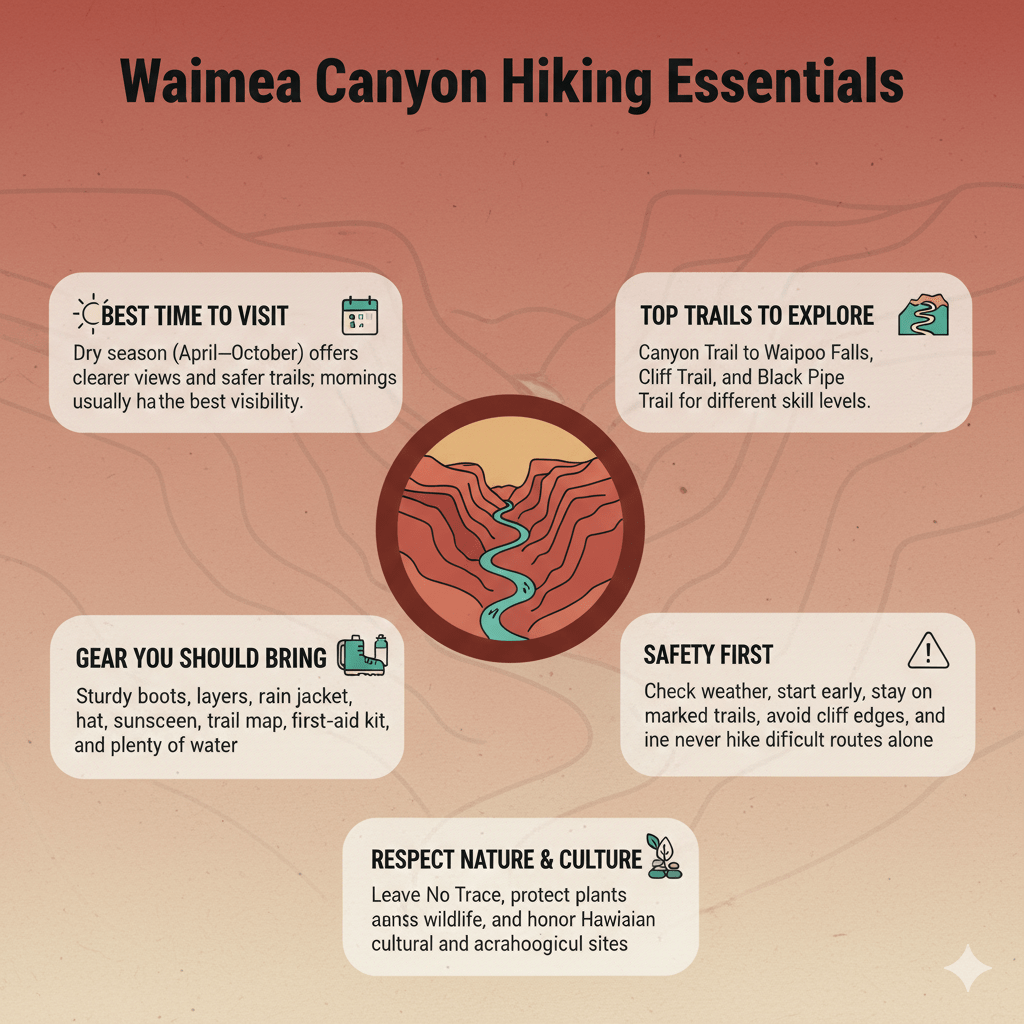
The best time to hike Waimea Canyon depends on what you want to do and what kind of weather you like. The dry season, which runs from April to October, has the most reliable weather. Clear skies make it easier to see the canyon and make the trails safer. The best visibility is usually in the morning, between 8 and 11 AM, before the clouds come in the afternoon.
During the wet season (November to March), the weather is very unpredictable, but the plants and waterfalls are very lush. When it rains, trails can become slippery and dangerous, and clouds can block views of the canyon. But there aren’t as many people visiting during these months.
For photography enthusiasts, golden hour lighting occurs roughly 30 minutes after sunrise and before sunset, casting warm tones across the canyon’s colorful rock formations.
Permits and Getting into the Park
You don’t need any special permits to hike in Waimea Canyon State Park during the day, but you do have to pay to park at most trailheads. The park is open all year, but some parts of the trails may be closed for a short time because of the weather or maintenance work.
You can get to the park by taking Highway 550 (Waimea Canyon Drive) from either Waimea town or Kekaha. Both routes eventually come together and wind up through 19 miles of beautiful mountain roads.
List of Important Gear and Things to Pack
Getting ready properly can make the difference between a fun hike and a hard one. Bring these important things:
Clothes and shoes:
- Strong hiking boots that grip well
- Layers that wick away moisture
- Rain jacket (the weather changes quickly)
- Hat with a wide brim and sunglasses
- More socks
Navigation and Safety: There is a trail map, but cell service isn’t always good.
- A compass or GPS device
- Kit for first aid
- Whistle for help
- Flashlight or headlamp
- Food and water: At least 2 liters of water for each person
Supplements for electrolytes
- Snacks with a lot of energy
- Lunch for longer hikes
- Taking Pictures and Comfort:
- Camera with spare batteries
Charger for your phone that you can take with you
- Repellent for bugs
- Sunscreen with an SPF of 30 or higher
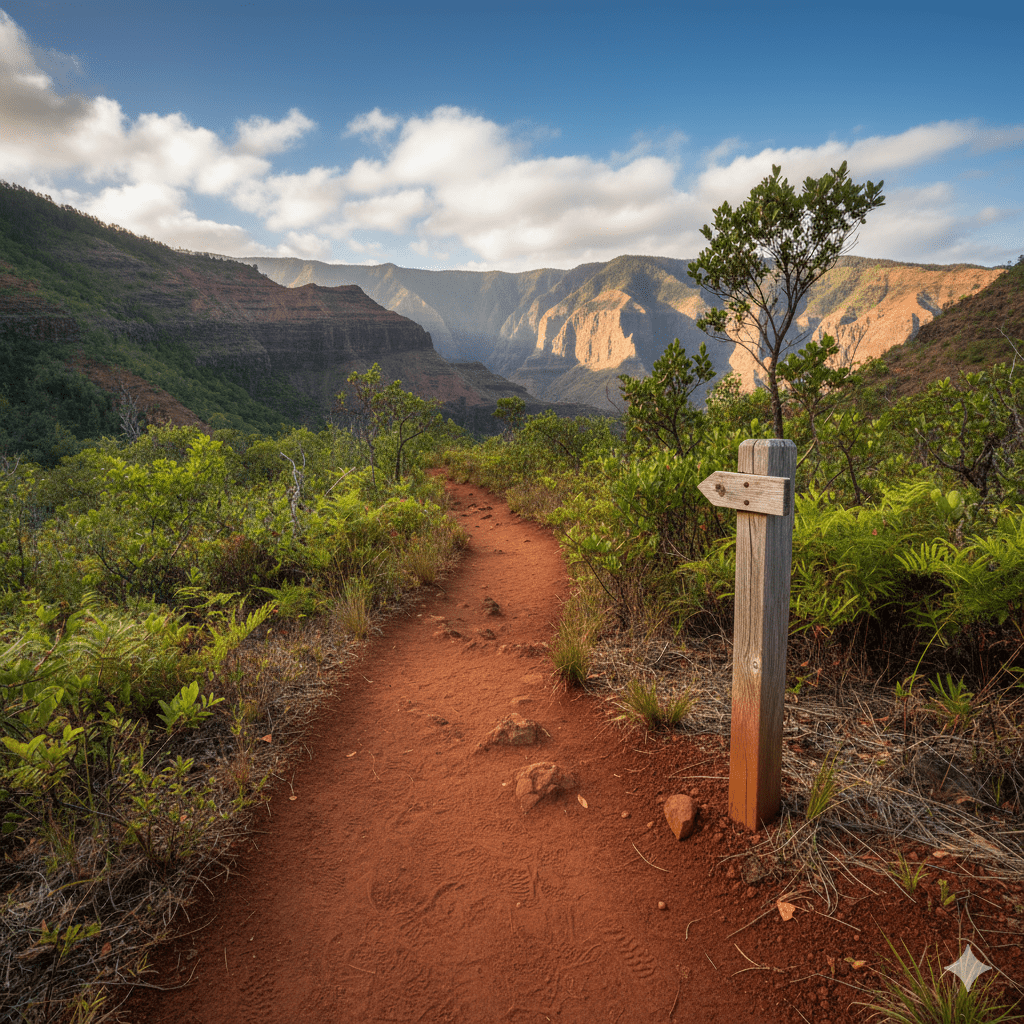
The best hikes in Waimea Canyon are: A breakdown of each trail
Canyon Trail leads to Waipoo Falls.
Round trip distance: 3.2 miles
Moderate level of difficulty
Time Estimate: 2 to 3 hours
400 feet of elevation gain
The Waimea Canyon Trail to Waipoo Falls is one of the park’s most popular trails. It has amazing views of the canyon and ends with a beautiful waterfall. The trail starts at the parking lot for the Pu’u Hinahina Lookout and goes through native forest on well-kept paths.
Things to See on the Trail:
- Multiple viewpoints offer panoramic views of the canyon.
- 800-foot Waipoo Falls cascading into an emerald pool
- Plants that are native to Hawaii, such as koa trees and ohia lehua trees
- Chance to see native birds like the Hawaiian hoary bat
Things to think about for safety: The last part of the trip down to Waipoo Falls is steep and sometimes muddy. Be very careful when you’re near the edges of cliffs and waterfalls.
The Cliff Trail Adventure
Distance: 2.0 miles round trip
Level of difficulty: Easy to Moderate
Time estimate: 1 to 2 hours
Gained: 200 feet in height
The Cliff Trail Waimea Canyon route has amazing views of the canyon and is easier on the body than longer hikes. This path runs along the western edge of the canyon and connects the Pu’u Hinahina and Pu’u O Kila lookouts.
What the trail has:
- Consistent elevation with gentle rolling terrain
- Many chances to take pictures at beautiful overlooks
- Ways to learn about native plants
- Link to longer trail systems for longer trips
Helpful Tips: Start early in the morning for the best lighting. By the middle of the afternoon, clouds often block the view.
Challenge on the Black Pipe Trail
Distance: 4.8 miles both ways
Level of difficulty: hard
4–5 hours of work time
Elevation Gain: 1,200 feet
The Black Pipe Trail is a tough hike that experienced hikers looking for adventure should try. This hard path goes down into the canyon itself, giving you a close-up look at Waimea Canyon’s geological features.
What the trail is like:
- Steep descents that need the right shoes
- Crossing streams (the water levels change with the seasons)
- Experience the wild in a remote area
- It is best to have advanced navigation skills.
Important Safety Notes: You need to be in great shape and have experience hiking to use this trail. Always tell someone about your plans to hike and when you plan to come back.
Must-See Scenic Lookouts
Lookout Point at Waimea Canyon
Most people who visit Waimea Canyon Lookout for the first time see it from the main lookout point. This viewpoint, which is easy to get to, is at mile marker 10 on Highway 550 and has:
- Wide views of canyons
- Displays that give information about geological history
- Water fountains and bathrooms
- Paved paths that everyone can use, no matter how mobile they are
Tips for Taking Pictures: For the best morning light, stand on the eastern edge of the lookout. To make colors stand out more and cut down on haze, use polarizing filters.
Lookout at Pu’u Hinahina
Pu’u Hinahina is at mile marker 13. Lookout gives you a higher view of both Waimea Canyon and the Na Pali Coast. This viewpoint serves two purposes:
- Several viewing platforms at different heights
- Tables for picnics and covered pavilions
- Access to the start of several hiking trails
- Weather permitting, there will be chances to see the sunset.
When the lower areas are cloudy, the lookout’s higher elevation often gives clearer views.
Pu’u O Kila Lookout
The end of the road at Pu’u O Kila Lookout offers the best views of the canyon. This viewpoint is about 4,200 feet high and has:
- Views into Kalalau Valley that aren’t blocked
- On clear days, you can see the Na Pali Coast.
- Native forest around places to look at
- Links to more difficult hiking trails
Native Plants and Animals Discovering Plant Life
The different ecosystems in Waimea Canyon support amazing plant communities. Different elevations are good for native Hawaiian species:
Canyon Floor (2,000–2,500 feet): Kukui trees (candlenut trees)
- Grasses and sedges that are native
- Wildflowers that bloom in different seasons
- Mid-Elevation Zones (2,500–3,500 feet): Ohia lehua with bright red flowers
Koa trees are prized for making traditional canoes.
- Ferns and mosses that are native
- Upper Elevations (3,500+ feet): Uncommon native mints and sedges
- Shrubs of the Dubautia species
- Grasses that can grow at high altitudes
Meeting Wildlife
While hiking in Waimea Canyon, you might see a variety of native and non-native species:
Birds:
- Hawaiian hoary bat (an endangered species that only lives in Hawaii)
- Hawaiian goose (nēnē) is the state bird.
- Different types of songbirds that were brought in
- Native seabirds that come and go
Native freshwater shrimp (opae) are marine life that live in streams.
- Fish species that were brought in
- Aquatic insects that are only found in one place
- Responsible Hiking and Conservation
Visitors must work together to protect the delicate ecosystems of Waimea Canyon:
- To keep the trails from eroding, stay on them.
- Take all of your trash with you (Leave No Trace principles)
- Do not touch or take plants, rocks, or cultural artifacts.
- Respect wildlife by staying at a safe distance.
When you go camping, use fire rings and campsites that are already there.
Cultural and Historical Importance
Hawaiian Heritage from Long Ago
Native Hawaiians have a lot of cultural meaning for Waimea Canyon. Archaeological evidence shows that people have lived there for more than 1,000 years. Hawaiian communities from long ago set up:
- Terraces for farming on the sides of canyons
- Systems for collecting fresh water
- Stone tool manufacturing sites
- Places of worship and ceremony
Traditional Hawaiian place names all over the canyon show how people have lived on this land for generations. “Waimea” means “reddish water,” which is what the iron-rich soil does to streams after it rains.
History After Contact
European contact in the late 1700s changed Waimea Canyon in big ways. The first Western influence in Hawaii began when Captain James Cook landed in Waimea in 1778.
19th-century developments included:
- Setting up sugar plantations in the lowlands around them
- Ranching cattle on the edges of canyons
- Early geological surveys that showed how canyons formed
- Tourism development recognizing scenic value
Protecting Cultural Sites
There are sensitive cultural and archaeological resources in a number of places in Waimea Canyon. People who come should:
- Respect all cultural sites that are marked
- Never touch or move stone structures or artifacts.
- Follow the signs that say where you can’t go.
- Find out about the values and customs of Hawaiian culture.
Important Safety Rules
Safety Tips for Hiking
Because Waimea Canyon is so far away and the terrain is so rough, you need to take safety very seriously:
Before You Go Hiking:
- Look at the weather right now and the forecasts for the next few days.
- Tell other people about your exact hiking plans and when you plan to be back.
- Check that your level of physical fitness matches the difficulty of the trail you chose.
- When you can, bring emergency communication devices with you.
While You’re Hiking:
- Start early to avoid changes in the weather in the afternoon.
- If the weather gets worse, turn back.
- Drink plenty of water and take breaks often.
- Don’t ever hike alone on hard trails.
Getting Ready for Emergencies
If you get lost:
- Stop right away and calmly think about your situation.
- Find out where you are by using a map and compass.
- Go back to the last place you saw a landmark.
- Use a whistle or bright clothes to get help.
- If things get worse or it gets dark, stay where you are.
Medical Emergencies: Give first aid to the best of your ability
- Send someone to get help while you stay with the hurt person.
- Mark your place so rescue teams can find you.
- Make sure the hurt person is warm and comfortable.
- People to call in case of an emergency:
Call 911 for the Kauai Fire Department.
- Call the Ocean Safety Bureau at (808) 241-4984.
- Rangers in the Park: Call the county dispatch to get in touch.
Dangers Related to the Weather
The weather in Waimea Canyon changes quickly, which makes it dangerous in different ways:
- Even when it’s dry, stream beds can have flash floods.
- During and after heavy rains, rockfall happens more often.
- There is a risk of hypothermia at higher elevations.
- Unprepared hikers can get heat exhaustion when it’s sunny.
How to Get to Waimea Canyon State Park: Options for Getting There
From the airport in Lihue:
- Distance: About 45 minutes
- Take Highway 50 west to Highway 550 north.
- Another way to go is Highway 552, which is steeper and more winding.
From the Poipu Resort Area:
- About 30 minutes away
- Most direct way to get to the park entrance
- Visitors can easily find their way with clear highway signs.
From Princeville/North Shore: About 90 minutes away
- Highway 56 and 50 take you along a beautiful coastal route.
- Give yourself more time for winding roads in the mountains.
Advice on getting around
- Things to think about when it comes to fuel: Fill up before going up; there are no gas stations in the park.
- Parking: Get there early during busy times; spaces fill up quickly at popular trailheads.
- Road Conditions: Highway 550 is in good shape, but it has steep hills and sharp turns.
Suggestions for places to stay
Places to Stay Nearby
Waimea Town (15 minutes from the park entrance): historic plantation-era places to stay
- Bed and breakfast options
- Vacation homes for rent
- Restaurants and services in the area
Kekaha Area (20 minutes from the park entrance): vacation rentals right on the beach
- Budget-friendly accommodations
- Stores that sell groceries and supplies
- Access to the beach for relaxing after a hike
- Camping in the Waimea Canyon
Camping is possible at Kokee State Park, which is next to Waimea Canyon:
Kokee State Park (adjacent to Waimea Canyon) offers camping opportunities:
- Tent camping spots with basic amenities
- Renting cabins (you have to book ahead of time)
- Camping spots for groups
- There are fire pits and picnic tables.
Camping Reservations: Make your reservations well in advance through the Hawaii State Parks reservation system, especially during busy times.
Get expert help to see Waimea Canyon.
Waimea Canyon’s stunning scenery and intricate trail system make for unforgettable experiences for visitors who are ready. This amazing place has something for every outdoor lover, from easy-to-reach scenic lookouts to tough backcountry trails.
To explore Waimea Canyon successfully, you need to plan ahead, bring the right gear, and show respect for both natural and cultural resources. Hiking in Hawaii is one of the best places in the world because of its beautiful scenery, native ecosystems, and rich culture.
Are you ready to see the “Grand Canyon of the Pacific” and all its magic? Hawaii Guide Hub makes personalized Waimea Canyon trips that are just right for you based on what you like and how good you are at things. Because we know the area well, you’ll find hidden gems while staying safe and respecting this beautiful natural treasure. Book a guided trip to Waimea Canyon with us and learn about Kauai’s most famous landmark.