Nā Pali Coast from the Water: Access, Conditions and Responsible Viewing

Access update — checked October 5, 2026: The State Parks notice lists continuing Kauai closures, including Nāpali Coast State Wilderness Park, Hāʻena and Kōkeʻe, apart from limited Wailua River access. Do not interpret an offshore sightseeing departure as permission to land or enter closed park areas. Confirm current park, harbor and route restrictions before planning a visit.
Kauai’s Nā Pali Coast is known for steep cliffs, narrow valleys and a shoreline with limited access. Seeing the coast from the water, hiking part of the Kalalau Trail and looking into Kalalau Valley from Kōkeʻe are different experiences with different requirements. None provides unrestricted access to the entire coast.
This guide explains those differences, the limits of boat access and the environmental responsibilities involved. Conditions can change an outing or make it inappropriate, so plan around access and ability rather than a promise of caves, snorkeling or wildlife encounters.
Understand the Coast Before Planning a Visit
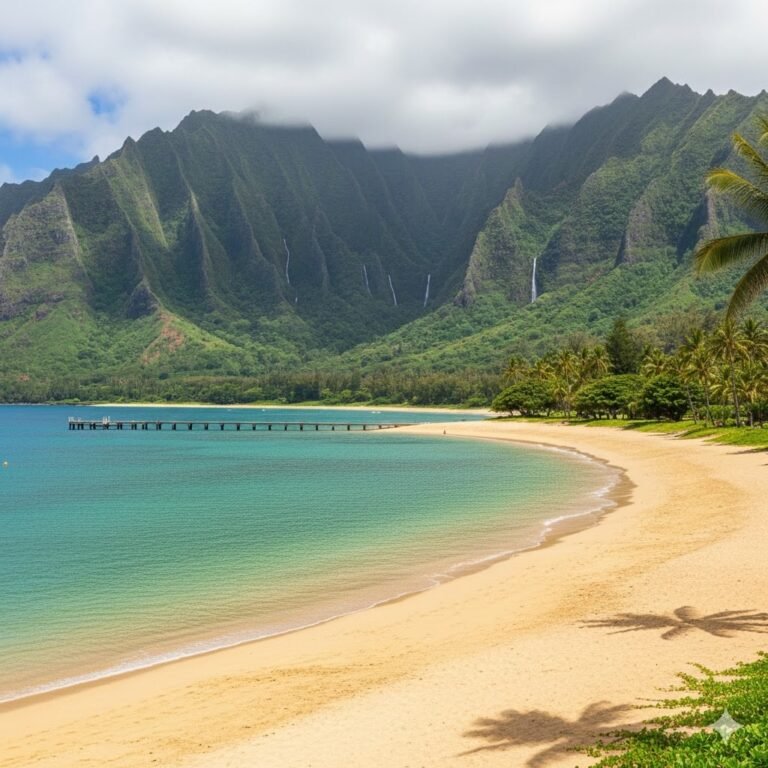
The official Nāpali Coast park description explains how streams and the sea shape the narrow valleys and cliffs. Stone terraces remain from Hawaiian communities that cultivated taro in the valleys. This is a cultural landscape, not an untouched place without human history.
A distant view of a valley does not reveal the meaning of every site within it. Treat place names and cultural accounts carefully, use reliable local sources and avoid entering archaeological areas without authorization.
Three Different Ways of Seeing the Landscape
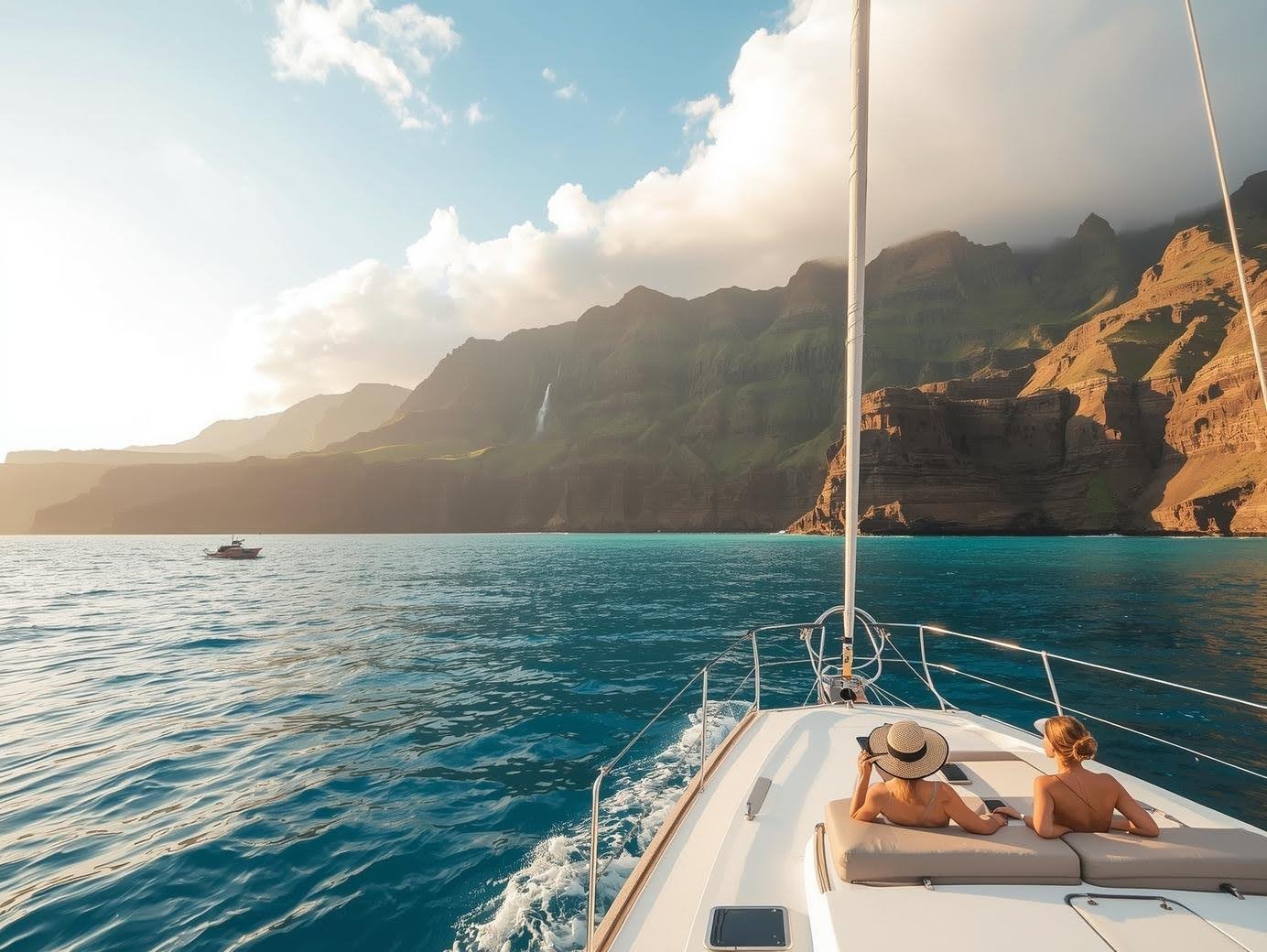
From the ocean: A vessel can provide a broad view of the coastline, but the route depends on sea conditions, the vessel and applicable restrictions. Passing offshore does not provide permission to land, enter a cave or swim to a beach.
From the Kalalau Trail: This is a rugged coastal hike accessed through Hāʻena. Under ordinary operating rules, proceeding beyond Hanakāpīʻai Valley requires a Nāpali camping permit even for a day hike. Review official Hāʻena and Nāpali access information after checking that the parks have reopened.
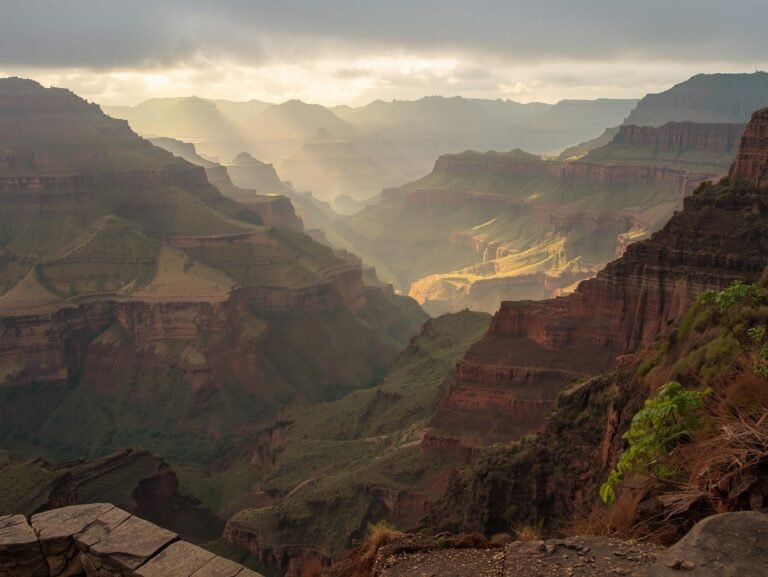
From Kōkeʻe: Kalalau-area lookouts offer a view from above when open and visible. They do not provide an easy walking shortcut into Kalalau Valley or to the coast. Our Waimea Canyon and Kōkeʻe hiking guide distinguishes the nearby routes and lookouts.
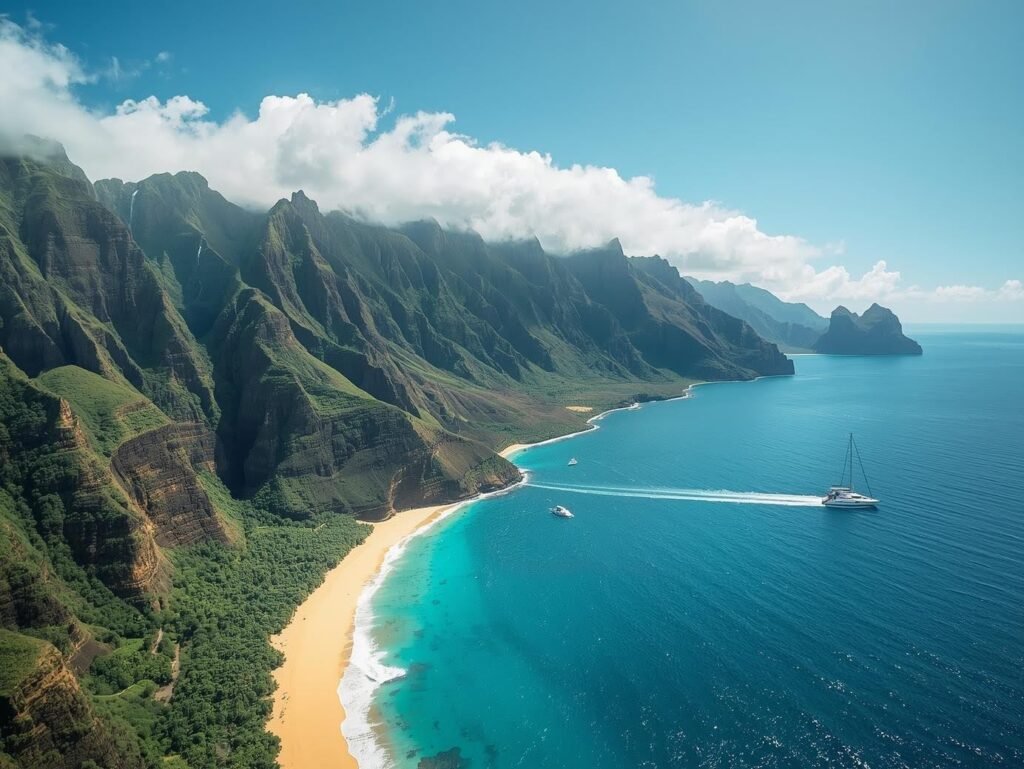
Boat Landings Are Restricted
DLNR’s Nāpali boating guidance explains the limited landing areas and permitted concession activities. It expressly prohibits commercial boat transport that drops passengers at the Kalalau or Miloliʻi camping areas. Do not arrange an informal drop-off as a substitute for a legal hiking or camping plan.
Kayak landings have specific locations, dates and permit conditions. They are not allowed at every beach; the state guidance prohibits kayak landings at Hanakāpīʻai, Honopū and Nuʻalolo Kai. Authorized concession landings at Nuʻalolo Kai operate under separate permission. Always check current restrictions in addition to the ordinary rules.
Do not infer that a beach is accessible simply because it can be seen from the water. A permit, a seasonal landing window and an open park are separate requirements. Closures override ordinary visitor information.
Vessel Type Does Not Guarantee Comfort or Access
A larger catamaran may offer seats, shade or a restroom, while a smaller rigid inflatable vessel may expose passengers to more spray and movement. Actual facilities vary. Ask about boarding steps, seating, handholds, toilet access and the physical demands of the specific vessel.
No hull design eliminates rough water or motion sickness. Smaller group size does not guarantee closer wildlife encounters, and a small boat should not be selected on the assumption that it will enter caves or approach cliffs closely.
Age, mobility and health restrictions differ. A boat outing is not automatically suitable for every child, older adult or traveler with a medical condition. Discuss relevant limitations with the operator and, where appropriate, a clinician. A land-based day may be the more suitable choice.
Weather and Seasonal Conditions
North and west shores can receive powerful winter swell. For seasonal context, see our Kauai winter guide. Summer can offer calmer periods, but wind, swell and local conditions remain variable. No month, morning departure or sunny forecast guarantees calm water.
Check the National Weather Service Honolulu marine forecast, current access notices and the operator’s actual departure information. A scheduled departure does not guarantee the advertised route, a snorkeling stop or reaching a particular landmark.
Do not pressure a crew to approach a cave, waterfall or landing because it appeared in a photograph or itinerary. Respect a decision to shorten, reroute or cancel an outing. Maintain a flexible plan for the rest of the day.
Wildlife Observation Has Limits
Dolphins, turtles, seals and seasonal humpbacks may be seen, but sightings are never guaranteed. Do not describe all waters along the coast as a marine sanctuary simply because protected species occur there; species protections and designated-area rules are different.
Hawaii’s humpback viewing rules prohibit approaching within 100 yards. Spinner dolphins have a 50-yard approach and swimming prohibition in the waters covered by the federal rule. Follow NOAA’s Hawaii wildlife guidance and avoid pursuing or disturbing animals.
For background on what you might observe, see our Hawaii whale-season guide and dolphin behavior guide. A dolphin’s leap is natural behavior, not a performance arranged for visitors.
Snorkeling Is Conditional
Clear water and calm snorkeling are not assured. A site that is appropriate on one day may be unsuitable on another. Do not plan around a fixed visibility figure or assume an offshore stop is beginner-friendly because equipment is provided.
Hawaii Ocean Safety advises that snorkelers should be experienced ocean swimmers familiar with ocean hazards. Review its snorkeling safety guidance, use the buddy system and stay within your abilities. You may remain aboard if conditions or readiness are uncertain.
Never touch or stand on coral, feed fish or chase turtles. Keep hands and equipment clear of the reef. A photograph or wildlife sighting is not a reason to separate from the group or swim farther than planned.
Photography and Practical Preparation
Secure your camera or phone and protect it from spray. Photograph only from a stable, permitted position and follow crew instructions about moving around the vessel. Keep one eye on your footing and surroundings rather than remaining absorbed in the viewfinder.
Bring drinking water, suitable sun protection and a layer for wind or spray, according to the trip’s actual requirements. Secure loose belongings and keep walkways clear. Ask about storage and permitted equipment before bringing a large camera bag.
If motion sickness is a concern, seek advice appropriate to your health and medications before traveling. Do not rely on a universal medication dose or timing from a sightseeing article. No remedy guarantees that a rough-water outing will be comfortable.
A Responsible Nā Pali Plan
Check access first, select an activity suited to the group and accept the limits imposed by the sea and the land manager. Keep cultural sites undisturbed, take rubbish away and respect residents and working harbor areas.
Use the Kauai destination guide to build alternatives. The coast can be appreciated without entering a restricted area or turning an uncertain sea condition into a commitment.