
The Cultural Significance of Whales in Hawaiian Tradition

The gentle giants of the Pacific have always held a sacred place in the hearts of Native Hawaiians. Far beyond being mere marine animals, whales represent a profound spiritual connection that weaves through every aspect of Hawaiian culture, from ancient creation myths to modern conservation efforts.
When humpback whales arrive in Hawaiian waters each winter, they bring more than just their massive presence—they carry the weight of centuries-old traditions, cultural values, and spiritual beliefs that continue to guide Native Hawaiian communities today. Understanding the cultural significance of whales in Hawaiian tradition offers a window into a rich tapestry of beliefs that view these magnificent creatures as family, protectors, and spiritual guides.
This deep reverence extends far beyond casual admiration. For Native Hawaiians, whales embody the concept of ‘ohana (family), represent ancestral spirits, and serve as living symbols of the interconnectedness between all life forms. Their annual migration to Hawaiian waters marks not just a natural phenomenon, but a spiritual homecoming that has shaped Hawaiian identity for over a thousand years.
Ancient Foundations: Whales in Hawaiian Mythology
The Creation Story Connection
Native Hawaiian creation stories place whales at the very foundation of island life. According to traditional mo’olelo (stories), whales were among the first kinolau (physical manifestations) of Hawaiian gods, particularly connected to Kanaloa, the god of the ocean and healing waters. These creation narratives establish whales not as separate entities, but as integral family members within the larger Hawaiian cosmology.
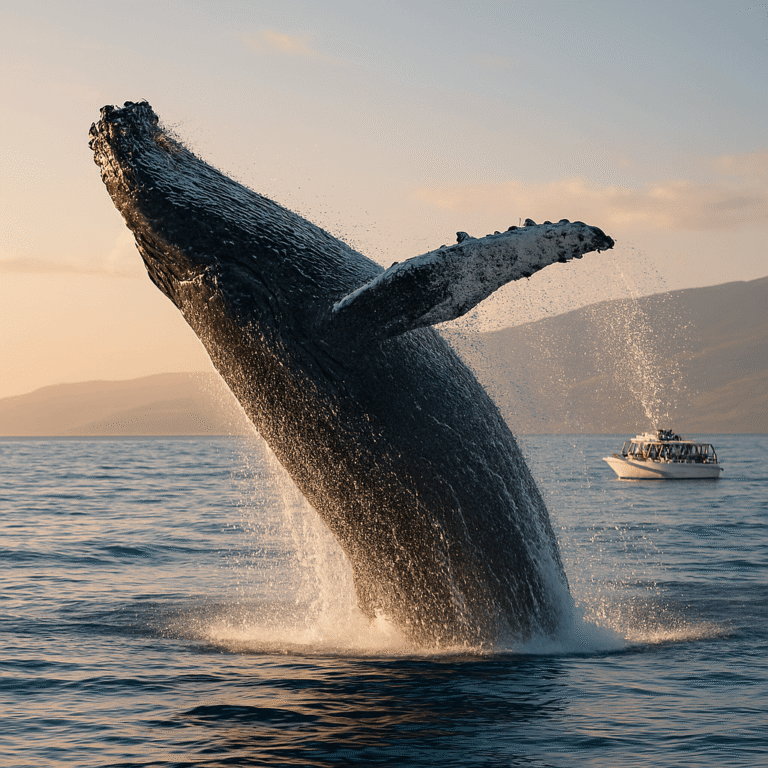
The humpback whale, known in Hawaiian as koholā, holds special significance in these ancient tales. Traditional stories describe how these creatures were once human beings who chose to transform into whales to serve as ocean guardians, maintaining the delicate balance between land and sea that Hawaiian culture so deeply values.
Spiritual Messengers and Protectors
Hawaiian culture and traditions recognize whales as spiritual messengers who bridge the gap between the physical and spiritual worlds. Native Hawaiian traditions speak of whales carrying the souls of departed ancestors, making their annual return to Hawaiian waters a homecoming of both living creatures and ancestral spirits.
This spiritual dimension of whale culture meaning extends to their role as protectors. Traditional Hawaiian stories tell of whales guiding lost fishermen back to shore, warning of approaching storms, and even defending Hawaiian waters from threatening forces. These accounts aren’t merely folklore—they represent a fundamental worldview that sees whales as active participants in the well-being of the Hawaiian people.
Cultural Values Embodied in Whale Reverence
‘Ohana: The Family Connection
The concept of ‘ohana extends far beyond human relationships in Hawaiian culture. Whales are considered family members, worthy of the same respect, protection, and love given to blood relatives. This perspective fundamentally shapes how Native Hawaiians interact with whales, viewing encounters not as wildlife watching, but as family reunions.
Hawaiian culture values emphasize that harming a whale is equivalent to harming a family member. This belief system created one of the world’s earliest conservation ethics, protecting whales centuries before modern environmental movements emerged. The cultural practice of treating whales as ‘ohana demonstrates how indigenous wisdom often anticipates scientific understanding about the importance of marine conservation.
Mālama ‘Āina: Caring for the Land and Sea
The Hawaiian principle of mālama ‘āina (caring for the land) extends naturally to caring for the ocean and its inhabitants. Whales represent the embodiment of this value, as their health reflects the ocean’s overall well-being. Native Hawaiian traditions teach that humans serve as stewards, responsible for maintaining the balance that allows whales to thrive in Hawaiian waters.
This stewardship responsibility manifests in traditional practices like seasonal fishing restrictions during whale breeding season, specific protocols for ocean activities when whales are present, and ceremonial practices that honor the whales’ presence in Hawaiian waters.
The Humpback Whale’s Special Place in Hawaiian Culture
Seasonal Significance
The humpback whale in Hawaiian culture holds particular importance due to their predictable seasonal presence. Their arrival each winter coincides with traditional Hawaiian makahiki season—a time of peace, celebration, and spiritual renewal. This timing isn’t coincidental in Hawaiian cultural understanding; it represents the cosmic harmony that connects celestial cycles, natural rhythms, and spiritual practices.
During makahiki season, traditional Hawaiian culture emphasizes community gathering, storytelling, and cultural education. The presence of humpback whales during this sacred time reinforces their role as spiritual teachers and community connectors, bringing people together to share knowledge and maintain cultural traditions.
Communication and Song
Hawaiian culture recognizes the profound significance of humpback whale songs, understanding them as prayers, genealogical chants, or spiritual communications long before scientists documented their acoustic complexity. Traditional Hawaiian chanting (oli) and whale songs share similar patterns, leading cultural practitioners to believe that whales and humans share common spiritual languages.
This connection between whale songs and Hawaiian chanting practices influences traditional healing ceremonies, where the rhythms and tones of whale songs are incorporated into therapeutic practices. Native Hawaiian healers often describe feeling energetic connections with whales during healing sessions, particularly when working with ocean-related ailments or spiritual imbalances.

Modern Expression of Ancient Values
Contemporary Cultural Practices
Hawaiian culture and history continue to evolve while maintaining core values regarding whale reverence. Modern Native Hawaiian practitioners incorporate traditional whale-honoring ceremonies into contemporary conservation efforts, blending ancient wisdom with current scientific understanding.
Cultural protocols for whale encounters remain active in Hawaiian communities. These include specific prayers before ocean activities during whale season, traditional offerings made when whales are sighted, and community ceremonies celebrating the whales’ annual return. These practices demonstrate how Native Hawaiian traditions adapt to modern circumstances while preserving essential cultural meanings.
Educational and Cultural Programs
Native Hawaiian organizations actively share whale culture knowledge through educational programs that teach both traditional stories and modern conservation science. These initiatives help preserve Hawaiian culture facts while demonstrating how traditional ecological knowledge complements scientific research.
Schools throughout Hawaiʻi incorporate traditional whale stories into curricula, helping young people understand their cultural heritage while developing environmental consciousness. These programs show how whales serve as bridges between traditional knowledge and contemporary learning, making cultural education relevant and engaging for new generations.
The Intersection of Culture and Conservation
Traditional Ecological Knowledge
Native Hawaiian history demonstrates sophisticated understanding of whale behavior, migration patterns, and ecological needs developed over centuries of careful observation. This traditional ecological knowledge often anticipates scientific discoveries, providing valuable insights for modern conservation efforts.
Hawaiian cultural practices naturally support whale conservation through traditional concepts like kapu (sacred restrictions) that limit human activities during sensitive periods. These culturally-based conservation practices often prove more effective than purely regulatory approaches because they’re rooted in deeply held spiritual beliefs rather than external mandates.
Community-Based Conservation
Hawaiian communities blend traditional values with modern conservation techniques, creating uniquely effective protection strategies. Local organizations combine cultural education with scientific monitoring, engaging community members as both cultural practitioners and conservation advocates.
This integrated approach demonstrates how respecting indigenous knowledge systems enhances conservation outcomes. When people understand whales through cultural frameworks that emphasize family relationships and spiritual connections, they naturally become more committed to protection efforts.

Experiencing Whale Culture Respectfully
Traditional Protocols and Modern Applications
Understanding whales in Hawaiian culture requires recognizing appropriate protocols for whale encounters. Traditional practices emphasize quiet observation, spiritual preparation, and respectful distance—principles that align perfectly with modern wildlife protection guidelines.
Native Hawaiian traditions teach that whales choose when and how to interact with humans, requiring patience and humility from observers. This cultural perspective transforms whale watching from entertainment into spiritual practice, encouraging deeper appreciation for these magnificent creatures.
Cultural Sensitivity in Whale Tourism
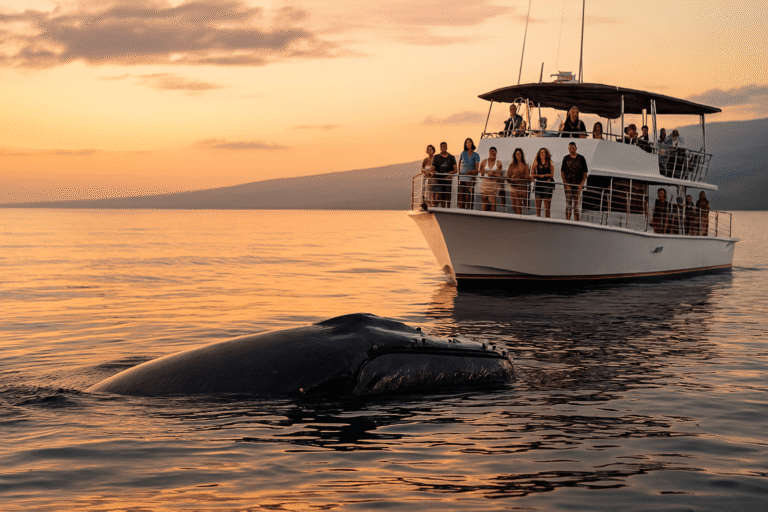
Responsible whale tourism in Hawaiʻi incorporates cultural education alongside natural history information. The best experiences help visitors understand not just whale biology, but the cultural significance these creatures hold for Native Hawaiian communities.
Educational whale tours often include traditional Hawaiian protocols, cultural stories, and explanations of how visitors can show respect for both whales and Hawaiian culture. These approaches create more meaningful experiences while supporting cultural preservation and marine conservation simultaneously.
Strengthening Cultural Connections Through Whale Encounters
The cultural significance of whales in Hawaiian tradition offers profound lessons about living in harmony with the natural world. These ancient teachings remain remarkably relevant, providing frameworks for understanding human relationships with ocean ecosystems that modern science is only beginning to appreciate.
Hawaiian whale culture demonstrates how indigenous knowledge systems offer essential perspectives for contemporary environmental challenges. By understanding whales as family members, spiritual teachers, and ecological indicators, Hawaiian traditions provide models for more respectful and effective conservation approaches.
For visitors and residents alike, learning about whales in Hawaiian culture opens doorways to deeper appreciation of both marine life and indigenous wisdom. These connections enrich whale encounters while supporting the preservation of valuable cultural knowledge for future generations. Whether you’re planning your first whale watching experience or seeking deeper understanding of Hawaiian traditions, Hawaii Guide Hub offers culturally-informed guidance that honors both the magnificent whales and the rich cultural heritage they represent. Our local expertise helps you experience these sacred encounters with the respect and understanding they deserve, creating memories that connect you to the spiritual heart of Hawaii.