Big Island 3 Day Itinerary

Three days on the Big Island covers the island’s greatest hits, but only if you plan it right. The island of Hawaiʻi is bigger than all the other Hawaiian islands combined, and its best sights sit hours apart. The winning formula for a Big Island 3 day itinerary is simple: one day for the Kona coast, one full day for Hawaiʻi Volcanoes National Park, and one day for Hilo, the waterfalls, and the Hāmākua Coast. This guide lays out exactly how to do it, with driving times, costs, and the mistakes to avoid.
This is the single complete guide to spending 3 days on the Big Island. It covers what to do in the Big Island for 3 days, whether 3 days is enough, the best base strategy, a day by day plan, realistic driving times, costs and money saving tips, common mistakes, a packing checklist, safety, and FAQs.
Big Island 3 Day Itinerary at a Glance
| Day | The route | The non-negotiable |
|---|---|---|
| Day 1 | Kona coast: Kailua-Kona town, coffee farm, beach, manta ray night snorkel | The manta ray snorkel is the day’s anchor; book it first |
| Day 2 | South Kona and Kaʻū to Hawaiʻi Volcanoes National Park, overnight in Volcano | The Volcano overnight is what makes the park doable in one day |
| Day 3 | Hilo, Rainbow Falls, ʻAkaka Falls, Hāmākua Coast, Waipiʻo Lookout, return to Kona | The longest driving day; start early and keep moving |
| Base strategy | 2 nights Kona, 1 night Volcano Village | One base cannot cover this island; the split stay is the strategy |
| Wheels | Rental car, essential every day | About 400 miles over 3 days; the Big Island earns its name |
| Key fees | Volcanoes NP $30 per vehicle, ʻAkaka Falls $5 per person plus $10 parking | National Park Service and Hawaiʻi State Parks rates |
Is 3 Days Enough for the Big Island?
Three days is the minimum for a satisfying Big Island trip if you accept the island’s scale. You will not see everything, but you will see the three essential experiences: the sunny Kona coast, the live volcano, and the lush windward waterfalls. Cramming the Big Island into one or two days means spending the whole trip in the car. With three full days and early starts, you get real time at each highlight instead of drive-by views. Weighing a longer trip? Our Big Island things to do guide covers what extra days add.
The key decision is where to sleep. The Big Island rewards a split stay: two nights on the Kona side and one night in Volcano Village near the national park. This puts you at the volcano for sunset and the evening glow without a two hour night drive back to Kona. If you prefer one hotel the whole trip, base in Kona and accept long days. Do not base in Hilo for this itinerary, because you would backtrack across the island twice.
Day 1: Kailua-Kona and the Kona Coast
Fly into Kona International Airport (KOA), pick up your rental car, and settle into the sunny side. Day 1 is about easing in: the historic waterfront of Kailua-Kona town, a Kona coffee farm tour on the slopes of Hualālai, an afternoon swim, and optionally the famous manta ray night snorkel after dark.
Morning: Kailua-Kona Town
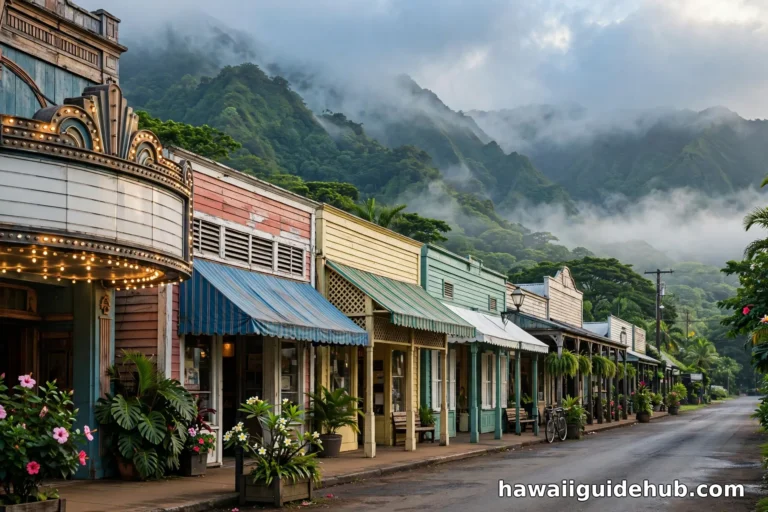
Start on Aliʻi Drive in Kailua-Kona, the island’s main visitor town. Walk the waterfront past Huliheʻe Palace, the former royal vacation residence, and Mokuaikaua Church, the oldest Christian church in Hawaiʻi. Browse the shops, grab a poke bowl or loco moco for lunch, and get your bearings. Kona town is compact, walkable, and the liveliest spot on the west side.
Afternoon: Kona Coffee Farm and Beach
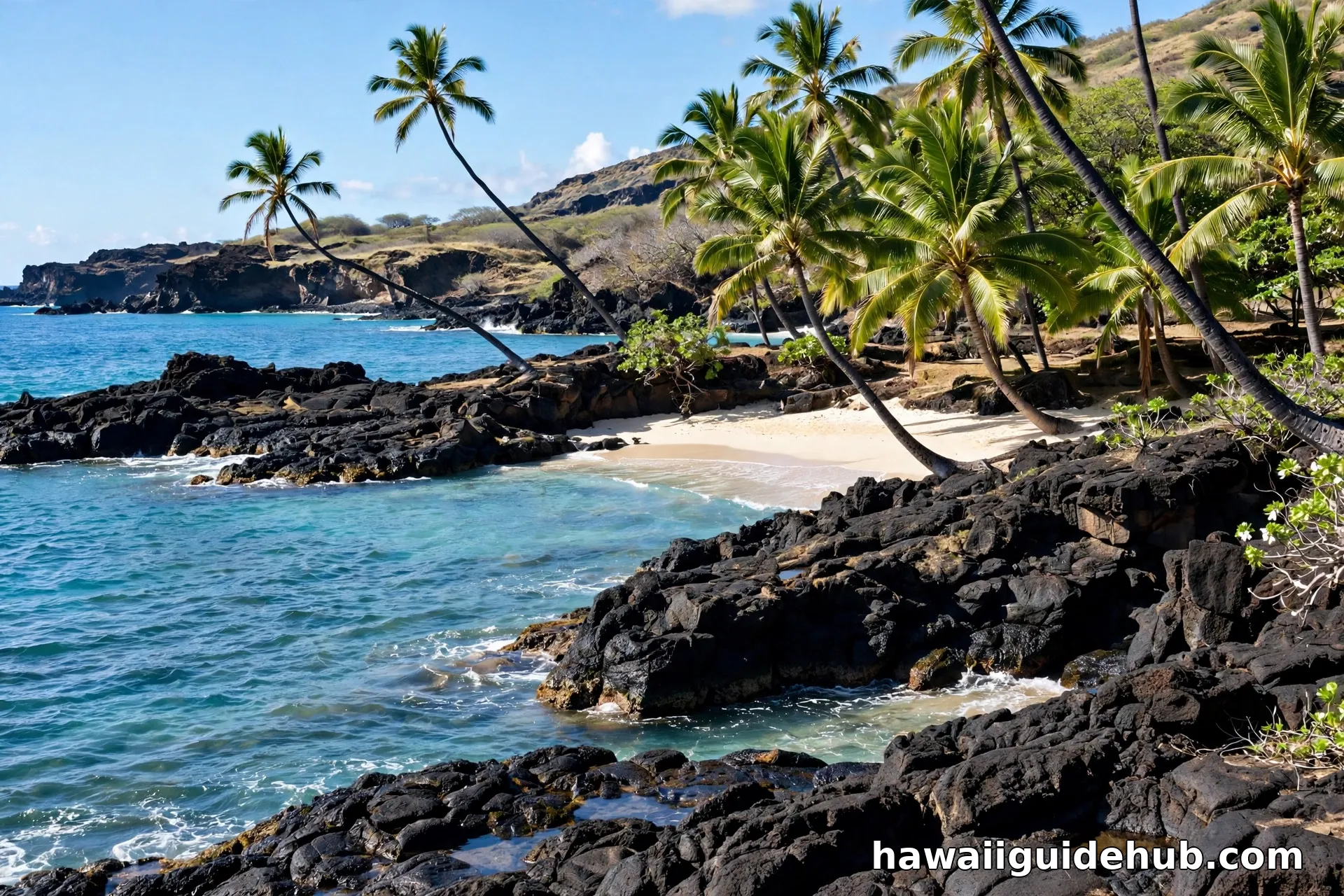
Drive up into the hills above Kona to one of the many coffee farms along the Kona Coffee Belt. Most offer free or low cost guided tours with tastings, and you will learn why 100 percent Kona coffee commands its price: it is hand picked on small family farms on volcanic slopes. After the tour, cool off with a swim. Kahaluʻu Beach Park just south of town is a reliable snorkeling spot with lifeguards, while Magic Sands (White Sands Beach) in Kona is a classic swimming beach when the surf is calm.
Evening: Manta Ray Night Snorkel (Optional)
The manta ray night snorkel off Kona is one of the most celebrated wildlife experiences in Hawaiʻi. Boats take you out after dark, lights attract plankton, and giant manta rays barrel roll inches below you as they feed. You do not need to be an experienced swimmer; you float holding a surfboard with pool noodle support. Book this in advance, because the popular boats sell out. See our manta ray night snorkel guide for what to expect.
Day 2: South Kona, Kaʻū, and Hawaiʻi Volcanoes National Park
Day 2 is the big driving day, south from Kona down the coast and up to the volcano. Check out of your Kona hotel in the morning, because you will sleep in Volcano Village tonight. The route down Highway 11 strings together the island’s best south side stops before the park.
Morning: Puʻuhonua o Hōnaunau and Punaluʻu
Your first stop is Puʻuhonua o Hōnaunau National Historical Park, the Place of Refuge, about 45 minutes south of Kona. This sacred coastal site, with its massive rock wall and carved kiʻi images, is one of the most culturally significant places in Hawaiʻi. Entry is around $20 per vehicle for seven days; check nps.gov for current fees. Allow one to two hours.
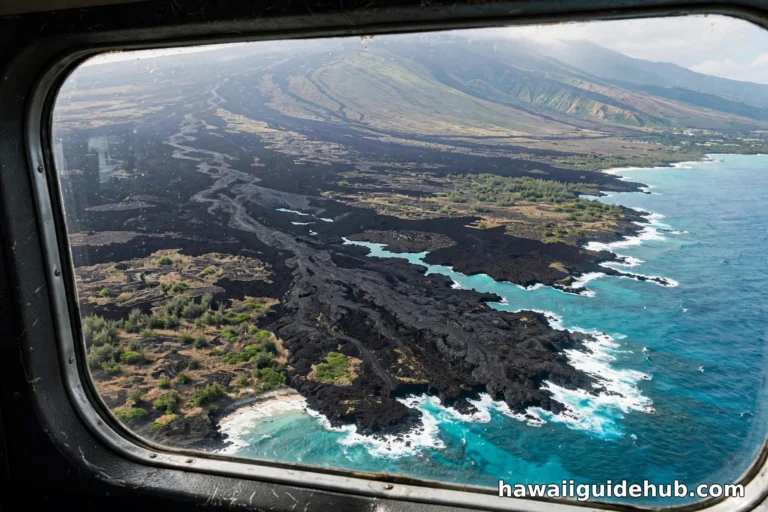
Continue east into Kaʻū to Punaluʻu Black Sand Beach, the island’s most famous black sand beach. Hawaiian green sea turtles (honu) haul out here to rest, and the sight of them on jet black sand is unforgettable. Stay back at least 10 feet from the turtles; it is the law. The beach is free, and there is a small food stand and restrooms. Swimming is possible but the water is often rough.
Afternoon and Evening: Hawaiʻi Volcanoes National Park
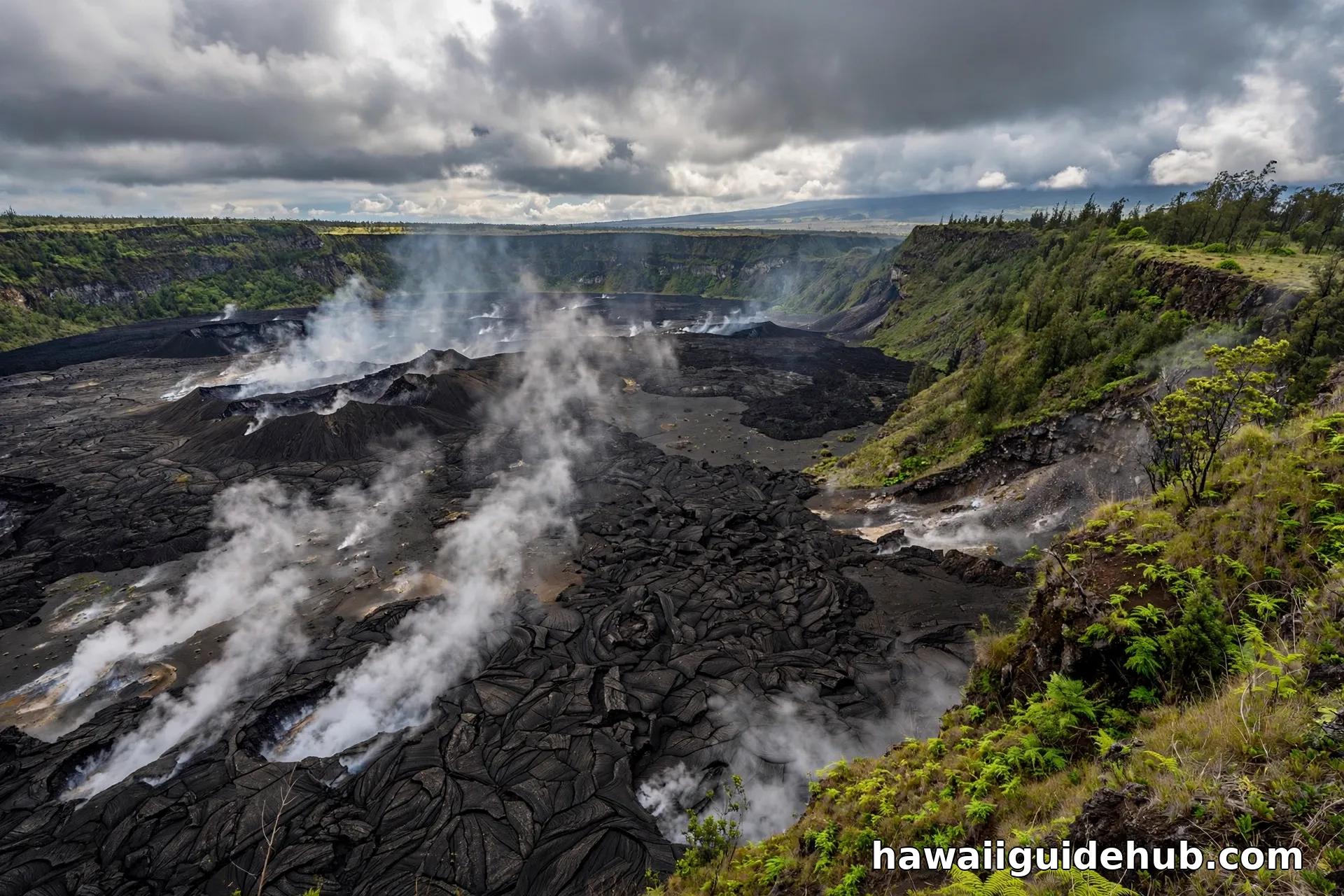
Arrive at Hawaiʻi Volcanoes National Park by early afternoon. The entrance fee is $30 per private vehicle, good for seven days, and the park is open 24 hours. Start at the Kīlauea Visitor Center for the current eruption status, and check nps.gov/havo before you go. The essential stops: the steam vents and Sulphur Banks, the Kīlauea Iki Overlook, the walk through Nāhuku (Thurston Lava Tube), and the drive down Chain of Craters Road to the coast. Our Hawaiʻi Volcanoes National Park guide breaks down the top stops.
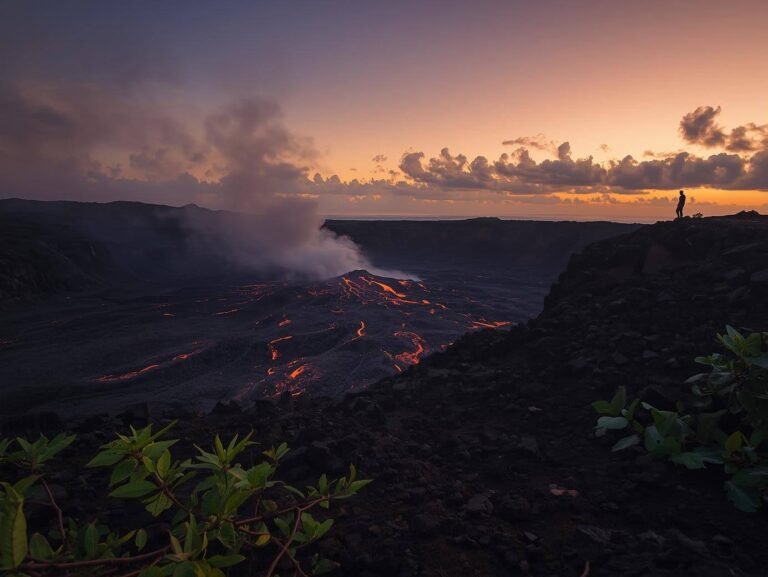
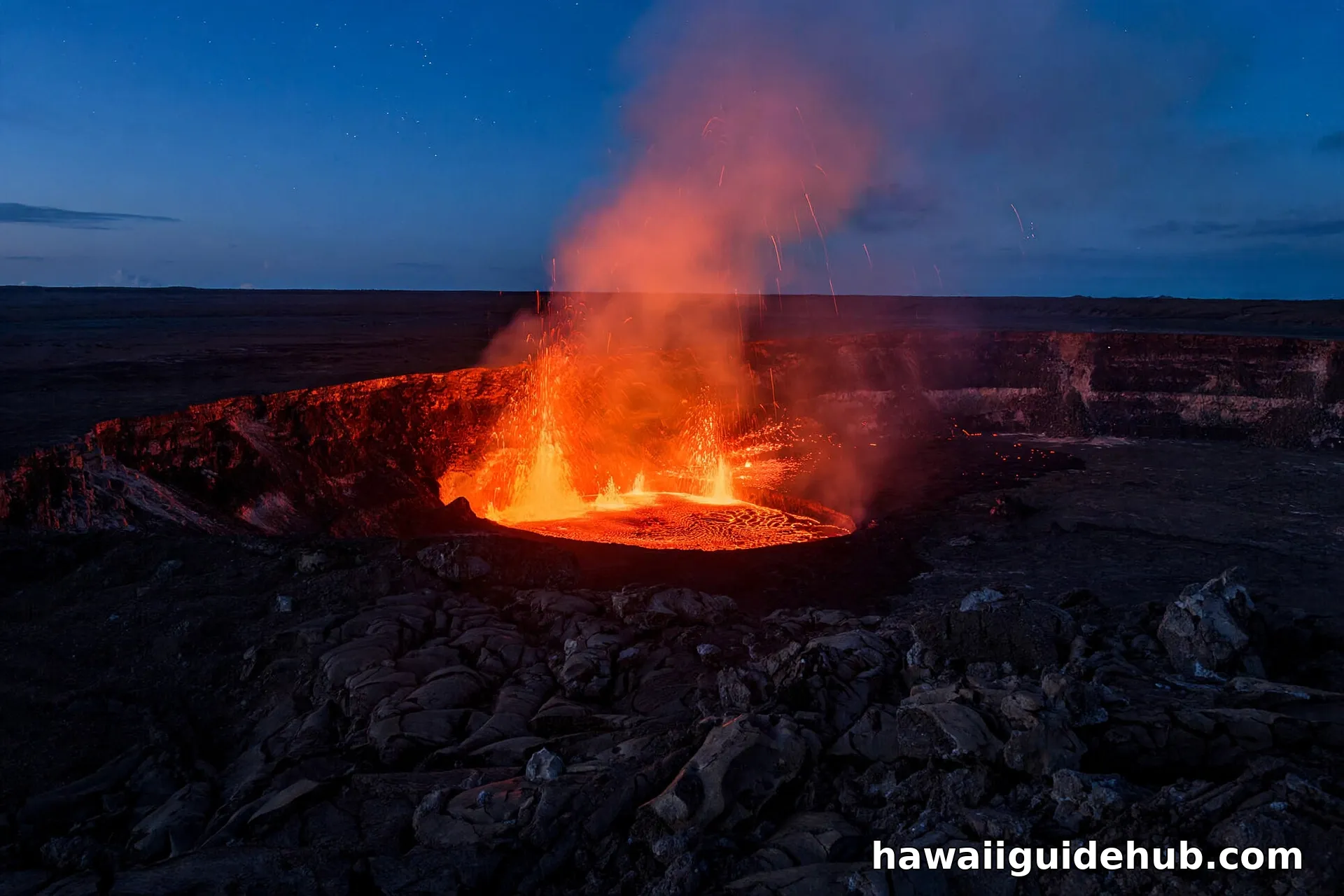
Stay for the evening. If Kīlauea is erupting, the glow over Halemaʻumaʻu crater after dark is the single most spectacular sight on the island, and you are already here because you slept in Volcano Village. Bring a jacket: at 4,000 feet elevation the park is 20 degrees cooler than Kona, and nighttime temperatures can dip into the 50s Fahrenheit. Stargazing from the park is superb on clear nights.
Day 3: Hilo, Waterfalls, and the Hāmākua Coast
Day 3 runs from Volcano to Hilo and up the lush Hāmākua Coast, then back to Kona across the island. It is another full driving day, so start early. The east side is the wet, green Hawaiʻi of waterfalls and rainforest, a complete contrast to the lava fields you woke up in.
Morning: Hilo and Rainbow Falls
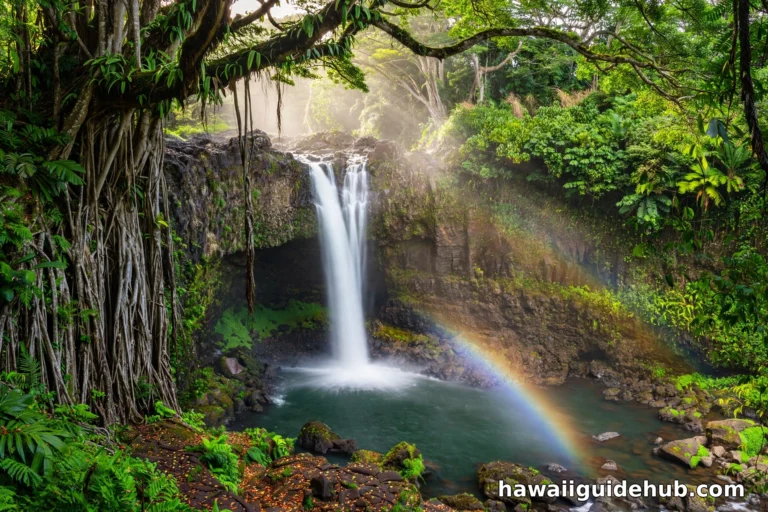
Drive 45 minutes from Volcano to Hilo, the island’s biggest town. Your first stop is Rainbow Falls in Wailuku River State Park, an 80 foot waterfall minutes from downtown Hilo. Go in the morning, when the sun angle puts rainbows in the mist. Then wander Hilo town: the Liliʻuokalani Gardens, the farmers market, and a famously local lunch.
Midday: ʻAkaka Falls State Park
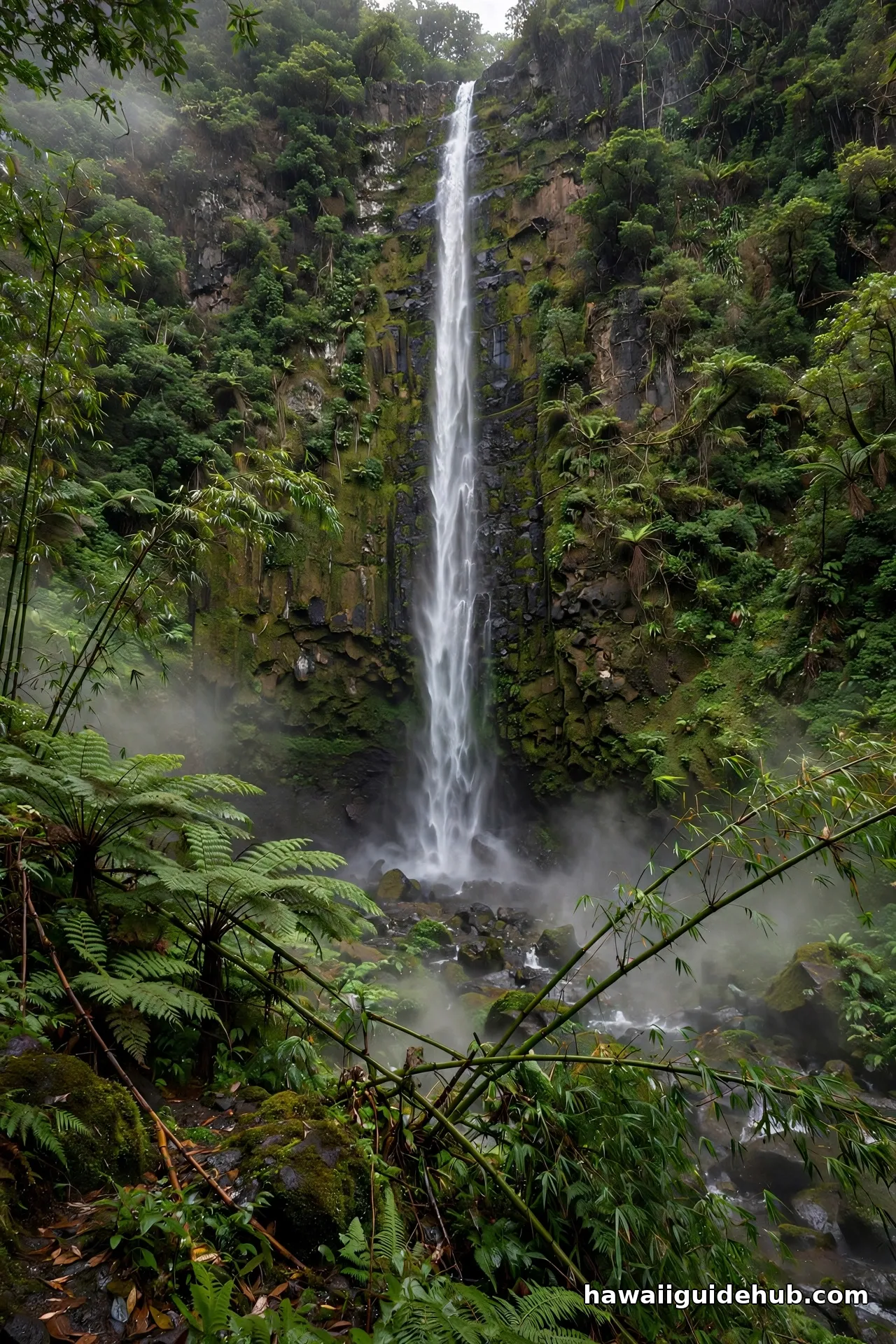
Drive 25 minutes north to ʻAkaka Falls State Park, home to the 442 foot ʻAkaka Falls, one of the tallest waterfalls in Hawaiʻi. The 0.4 mile paved loop through rainforest, bamboo, and ferns takes under an hour and is one of the best short walks in the state. Nonresidents pay $5 per person entry plus $10 parking, credit card only, and the park is open 8:30 AM to 5:00 PM. Check the DLNR notices page the morning you go, since storm damage occasionally closes sections of trail.
Afternoon: Waipiʻo Valley Lookout and the Return
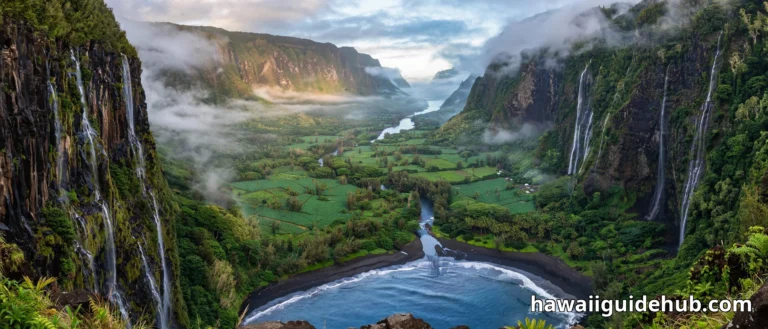
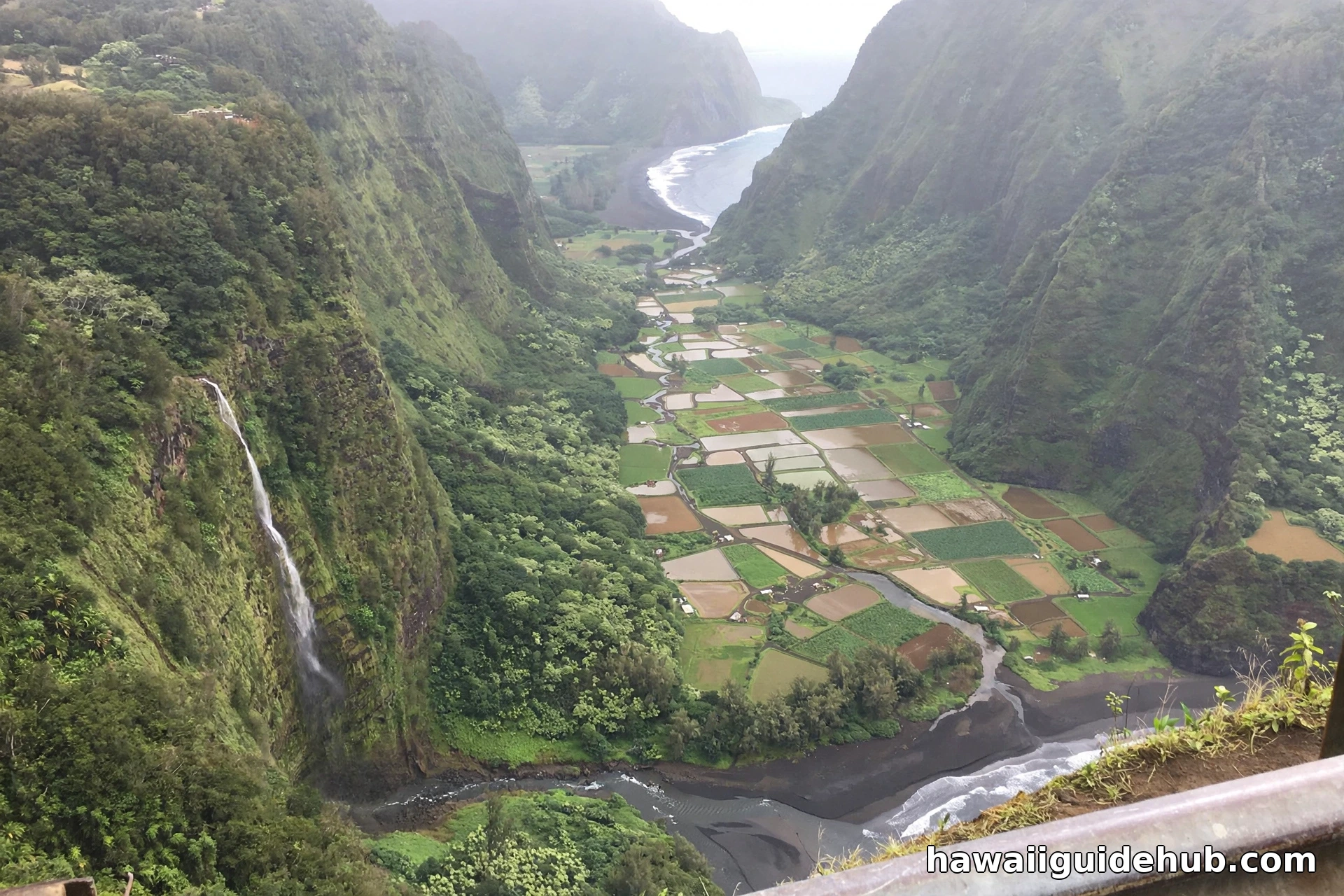
Continue north to the Waipiʻo Valley Lookout at the end of Highway 240, about 45 minutes past ʻAkaka Falls. The view into the Valley of the Kings, with its black sand beach and thousand foot waterfalls, is one of the great vistas in Hawaiʻi. The lookout is free. Do not attempt the valley road: it has been closed to visitors since 2022, and only residents and permitted tours may descend.
From Honokaʻa, head south through Waimea and take the Saddle Road (Highway 200) back to Kona, about two hours. Stop in Waimea, the paniolo ranching town, for an early dinner if you have time. Return your rental car or settle in for your last night. Our guide to the best things to do in Kona has ideas if you have extra time on the west side.
Driving Times You Must Respect
The Big Island punishes optimistic driving plans. These are the realistic times that shape the itinerary above. Kona airport to Kailua-Kona: 20 minutes. Kailua-Kona to Puʻuhonua o Hōnaunau: 45 minutes. Hōnaunau to Punaluʻu: about 1 hour 15 minutes. Punaluʻu to Hawaiʻi Volcanoes National Park: about 1 hour. Volcano to Hilo: 45 minutes. Hilo to ʻAkaka Falls: 25 minutes. ʻAkaka Falls to Waipiʻo Lookout: 45 minutes. Waipiʻo area to Kona via Saddle Road: about 2 hours. Add buffer for photo stops, because you will make them.
The Saddle Road between Kona and Hilo is a modern highway now, and most rental companies allow it, but check your rental agreement. Fill up gas in Kona, Waimea, or Hilo; there are long stretches with no services, especially around the volcano and Kaʻū. Download offline maps, because cell service drops out across the lava fields and the Hāmākua Coast.
Costs and Money Saving Tips
The Big Island can be done on a moderate budget if you plan the paid parts. Budget roughly: Hawaiʻi Volcanoes National Park $30 per vehicle, ʻAkaka Falls $5 per person plus $10 parking, Puʻuhonua o Hōnaunau around $20 per vehicle, manta ray snorkel $100 to $150 per person if you go, coffee farm tours often free. Everything else in this itinerary, Punaluʻu, Rainbow Falls, Waipiʻo Lookout, Hilo town, the beaches, is free.
Save money by packing lunches from grocery stores in Kona or Hilo, since restaurant meals near the volcano and on the Hāmākua Coast are limited and pricey. The $30 volcano pass covers seven days, so there is no reason to rush the park. The night in Volcano Village is the cheapest upgrade on this trip: it turns the park from a rushed day trip into the highlight of your visit.
Common Mistakes on a 3 Day Big Island Trip
The classic mistake is day tripping the volcano from Kona and driving back at night: four to five hours of driving for a park that deserves a full day, and you miss the evening glow. The second is underestimating the Hāmākua Coast on day 3 and running out of daylight before Waipiʻo, so start day 3 by 8 AM. The third is skipping the eruption check at nps.gov/havo. The fourth is attempting the Waipiʻo Valley road, closed to visitors. The fifth is packing only beach clothes: the volcano is cold at night, and Hilo rains daily.
What to Pack for 3 Days
Pack for three climates. Beach gear for Kona: reef safe sunscreen, swimwear, snorkel gear if you have it. Warm layers for the volcano: a fleece or jacket, long pants, closed shoes. Rain gear for Hilo and the Hāmākua Coast: a light rain jacket and quick dry clothes. Add sturdy walking shoes, a flashlight for the volcano after dark, and a reusable water bottle.
Staying Safe
The Big Island’s hazards are specific. At the volcano, stay on marked trails and overlooks; volcanic gases can irritate lungs, and the eruption area is fenced for a reason. Never approach ocean cliffs in high surf. Give sea turtles 10 feet of space; harassing them is a federal offense. On the Saddle Road, watch for fog at elevation. If you add a Mauna Kea sunset, respect the altitude: the summit is 13,803 feet, so stop at the Visitor Information Station at 9,200 feet to acclimate.
Video: 3 Days on the Big Island
Watch a 3 day Big Island trip in action, from the Kona coast to the volcano to the Hāmākua waterfalls.
Frequently Asked Questions
What to do in Big Island for 3 days?
Split your time three ways: day 1 on the Kona coast (town, coffee farm, beach, manta rays), day 2 driving south to Hawaiʻi Volcanoes National Park with a night in Volcano, and day 3 in Hilo and the Hāmākua Coast (Rainbow Falls, ʻAkaka Falls, Waipiʻo Lookout) before returning to Kona.
Is 3 days enough for the Big Island?
Yes, 3 days covers the essential highlights: Kona, the volcano, and the Hilo waterfalls. You will not see everything, but you will see the island’s three defining experiences. Four or five days lets you slow down and add beaches or Mauna Kea.
Should I stay in Kona or Hilo for 3 days?
Split your stay: two nights in Kona and one night in Volcano Village. This puts you at the national park for the evening without a long night drive. Basing only in Hilo means backtracking across the island.
Can you do the Big Island in 3 days without a car?
Not realistically. The island’s sights are hours apart and public transit does not reach them. A rental car is essential for this itinerary. Book it early, because Big Island fleets sell out in busy seasons.
How much does a 3 day Big Island trip cost?
Beyond flights, hotel, and rental car, budget about $100 to $150 for park and attraction fees for two, plus food and gas. The manta ray snorkel is the big optional splurge at $100 to $150 per person.
What is the best 3 day Big Island tour option?
If you prefer not to drive, look for small group tours that bundle the volcano with Punaluʻu and Hilo highlights. But a rental car gives you far more flexibility over 3 days, and the driving is straightforward.
Three days works because the island’s geography hands you a natural plan: sun in the west, fire in the south, and water in the east. Follow the days in order, sleep near the volcano on night two, start early on day three, and you will leave feeling like you actually saw the island instead of just driving across it.