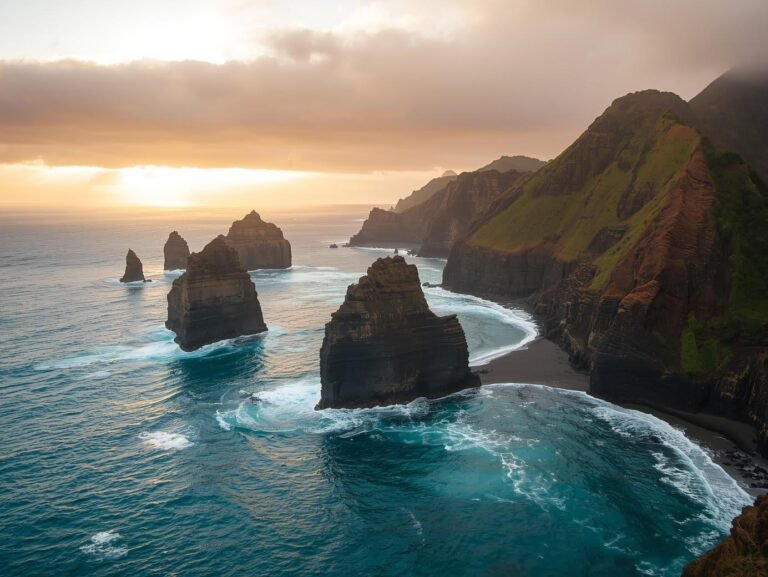

An Unforgettable Maui Show: Haleakalā Sunset

You can’t go to Maui without seeing the island’s natural beauty from a truly amazing point of view. Many people go to see the sunrise, but the Haleakalā sunset is just as magical and different. The sun sets and paints the sky with amazing shades of orange, pink, and purple. It also casts long shadows across the crater floor and lights up the clouds from below. It looks like something from another world, and it’s very peaceful.
Seeing the day end from 10,023 feet above sea level is more than just seeing a pretty sky; it’s a time to connect with the raw power and beauty of nature. The air gets crisp, the top gets quiet, and the stars start to come out in a way that is rare in other places. This guide will help you plan the best Haleakalā sunset viewing so that you can make the most of this once-in-a-lifetime experience. We’ll talk about everything, like when to go, what to bring, the best places to see the sights, and how to get that perfect picture.
Making plans for your Haleakalā sunset trip
A little planning can make your visit at sunset go more smoothly and be more fun. The sunset is more laid-back than the sunrise, which needs a wake-up call before dawn and a competitive reservation process. But there are still important things to think about.
Do you need to make a reservation for Haleakalā Sunset?
A lot of people ask this question, and the answer is a simple no. Starting in 2024, you won’t need to make a reservation to see the sunset at Haleakalā National Park. You can only make reservations for sunrise viewings between 3:00 AM and 7:00 AM. When you get to the park for a sunset visit, all you have to do is pay the entrance fee. You can come back to see more of the park for three days after you pay this fee.
Best Time of Year to Visit
Haleakalā has beautiful sunsets all year long, but the experience can be a little different depending on the season.
- Summer (June to August): The weather is usually warmer and clearer, which means you have a better chance of seeing the view without any clouds. The sun goes down later, usually between 6:45 and 7:15 PM, so you have more time to explore the park before it gets dark.
- In the winter (December to February), the sun sets earlier, usually between 5:45 and 6:15 PM. There is a higher chance of clouds and cooler weather, but a cloudy sky can make the sunset even more beautiful and colorful by reflecting light off the clouds in amazing ways.
What time should you get there for the sunset?
Plan to get to the top at least 90 minutes to two hours before the official sunset time to get the most out of your visit. This has a number of benefits:
- Get a Good Parking Spot: The summit parking lot can fill up fast, especially during busy times. Getting there early guarantees a spot.
- Find the Best Place to Watch: You’ll have time to walk around, see the different views, and find your spot without feeling rushed.
- Get used to the height: The top of the mountain is more than 10,000 feet high. Getting there early gives your body time to get used to the thinner air.
- Keep an eye on the light change: The real magic isn’t just when the sun goes down for the last time. The hour before it, which is often called the “golden hour,” is the best time to take pictures and see how the colors change.
To plan when to leave, look up the time of the sunset at the top of Haleakalā on the day you visit using a trusted weather app. It can take 2 to 2.5 hours to drive from most resort areas, like Ka’anapali or Wailea.
What to Bring to the Summit
At the top, the temperature is very different from the beaches below. It can be 30°F (17°C) or more colder than at sea level, and the wind can be very strong. It is very important to wear layers.
- Pack long pants, a warm base layer, a fleece or sweater, and a jacket that won’t let wind or water in.
- Accessories: A beanie, gloves, and a scarf will make you feel a lot better.
- Footwear: Wear sneakers or hiking boots that are strong and have closed toes.
- Snacks and water: There are no food or drink services at the top. At high altitudes, you need to drink a lot of water and eat some snacks to stay hydrated.
- Headlamp or flashlight: You need one to safely find your way back to your car after dark.
- Camera and tripod: To take pictures of the beautiful colors and the stars that come after.
- Blankets: A lot of people bring blankets from their hotel or condo to wrap up in while they wait.

Finding the Right Place: The Best Places to Watch the Sunset
Finding the Right Place: The Best Places to Watch the Sunset
Visitor Center at Haleakalā (9,740 feet)
This is the most popular and accessible viewing area. There are big windows in the visitor center, but the best views are from the paths and railings around it. You can see a lot of the crater from here. This is a great place to be close to facilities (there are restrooms here), but it can also get very crowded.
The top of Red Hill (Puʻu ʻUlaʻula) is 10,023 feet high.
You can get to the real top of Haleakalā by driving a short distance past the main visitor center. The small building here, which is often called the “bunker,” protects you from the wind. There is no other place with views like these. You can see the sun set behind the West Maui Mountains and, on a clear day, the islands of Lanaʻi and Molokaʻi next door. This is probably the best place to get a clear, wide view.
Kalahaku Overlook, which is 9,324 feet high
This overlook is a little lower than the top, so it’s less crowded and gives you a different view. It looks straight into the two biggest valleys in the crater. You can also get a close-up look at these rare beauties because they are protected areas for the native ʻāhinahina (silversword) plant.
The Experience: Seeing the Sun Set Behind the Horizon
As the sun starts to set, the crowd becomes very calm. The landscape changes every minute. Shadows cover the crater and bring out the shapes of the volcanic cones inside. The clouds below, which are called the “sea of clouds,” start to glow with fiery colors.
One of the most amazing things to see is the Earth’s shadow rising in the east, right across from the sun setting. It is a beautiful sight to see the “Belt of Venus.”. It is a band of dark blue with a pinkish glow on top.
Don’t hurry back to your car after the sun goes down. It’s not over yet. After the sun goes down, the sky often bursts with its brightest colors for 10 to 20 minutes. The stars start to show up in huge numbers as the last light fades. Haleakalā is one of the best places on Earth to see stars because it is high up and the skies are clear and dark.
More Than Just a Sunset: Things to Do in the Park
Since you’re getting there early, you should take the time to see more of what Haleakalā National Park has to offer.
At the top, hiking
There are a few short trails near the top that are great for exploring before sunset.
- Pā Ka‘oao (White Hill Trail): A short, 0.4-mile round-trip hike next to the visitor center that has great views of the crater.
- The Leleiwi Overlook Trail: A short, easy walk of 0.3 miles that sometimes lets you see the “Brocken spectre,” which is when your shadow is cast onto the clouds below and surrounded by a rainbow-like halo.
Check out Hosmer Grove
Hosmer Grove is a forest of non-native trees that were planted in the early 1900s. It is about 7,000 feet inside the park entrance. This unique landscape is a popular place for birdwatching, and there is a short 0.5-mile loop trail that goes through it. It’s a great place to stop and stretch your legs and get used to the weather.
How to Take Pictures of the Magic
Taking pictures of the Haleakalā sunset can be both fun and hard.
- Take a Tripod: A tripod is very important for getting sharp, long-exposure shots in low light and windy conditions.
- Use a Wide-Angle Lens: To capture the vastness of the landscape and the sky.
- Shoot in RAW: This format captures more data, giving you greater flexibility when editing your photos later.
- Don’t Just Focus on the Sun: Turn around! The light on the crater, the clouds, and the rising Earth shadow can be just as compelling.
- Stay for the Blue Hour and Stars: After the sun sets, the “blue hour” provides a soft, cool light. It’s also the perfect time to try some astrophotography as the stars begin to shine.
Haleakalā Sunset vs. Sunrise
For many visitors, the big question is whether to see the sunrise or the sunset.
- Sunrise: A powerful, spiritual experience watching a new day begin. It requires a reservation (made up to 60 days in advance), a very early wake-up call (2-3 AM), and dealing with larger crowds.
- Sunset: A more relaxed, peaceful, and romantic experience. No reservation is needed, and you can enjoy a full day before heading up the mountain. It’s followed by incredible stargazing.
Ultimately, both are spectacular. If you dislike early mornings or can’t get a sunrise reservation, the sunset is an equally breathtaking alternative that won’t disappoint.

A Perfect End to a Maui Day
The Haleakalā sunset is a truly humbling experience. It’s a moment to pause, breathe in the cold, clean air, and witness one of nature’s greatest daily performances. The vibrant colors, the vast crater, and the brilliant stars combine to create a memory that will stay with you long after you’ve returned to sea level.
Ready to witness this natural wonder for yourself? Planning a trip to Maui can be complex, but it doesn’t have to be. Let Hawaii Guide Hub handle the details. We specialize in creating custom itineraries and booking unforgettable tours that showcase the very best of the islands. Contact us to start planning your perfect Haleakalā sunset adventure.