A Comprehensive Guide to Swimming with Dolphins in Oahu: What to Expect and How to Prepare

One of the most magical things to do in Hawaii is swim with dolphins in Oahu. The clear waters around this Pacific paradise are the perfect place to see these smart sea creatures in their natural habitat. If you’re going to see dolphins for the first time or want to make the most of this once-in-a-lifetime experience, knowing what to expect and how to get ready will help you have a safe, fun, and respectful time.
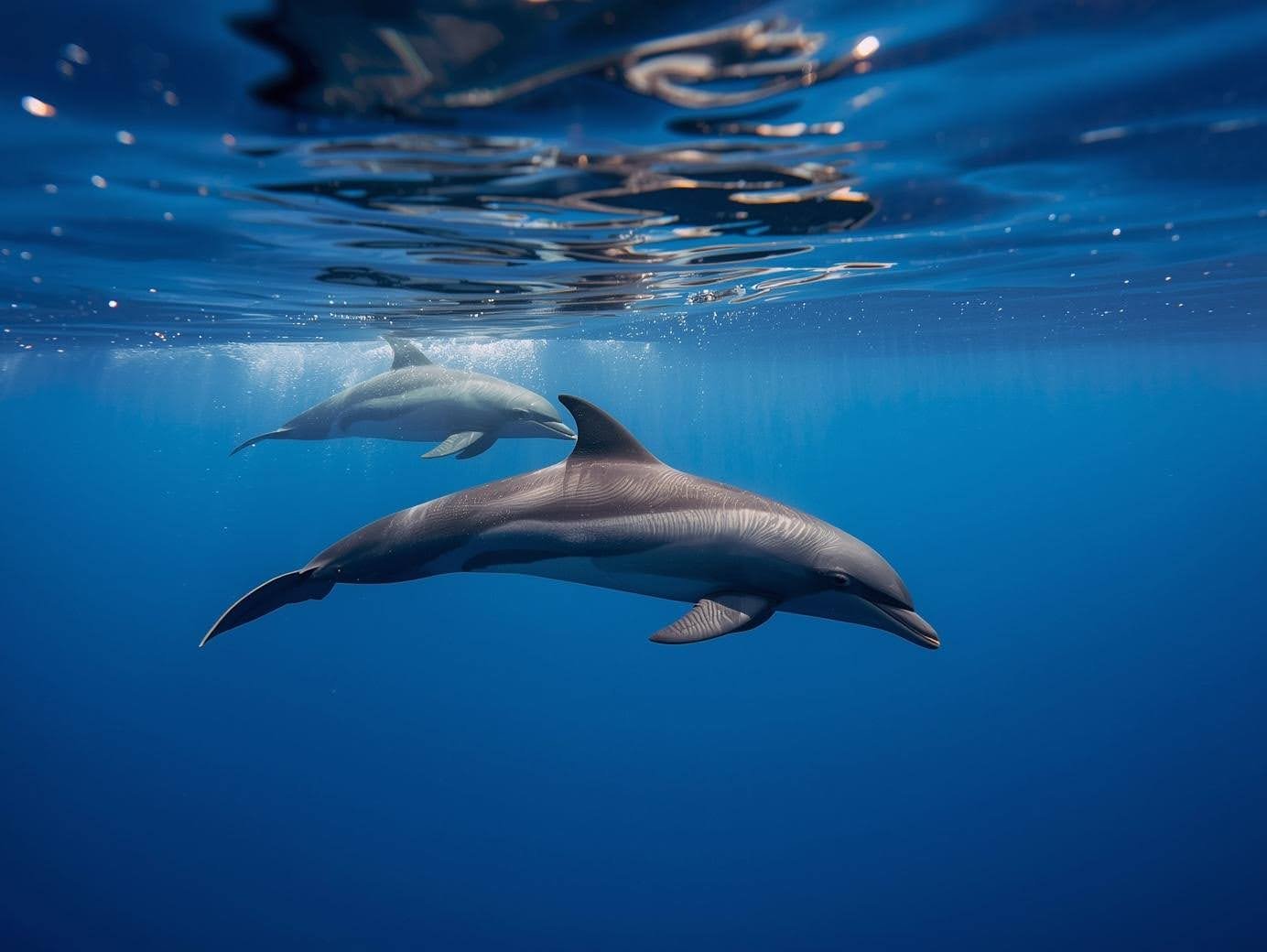
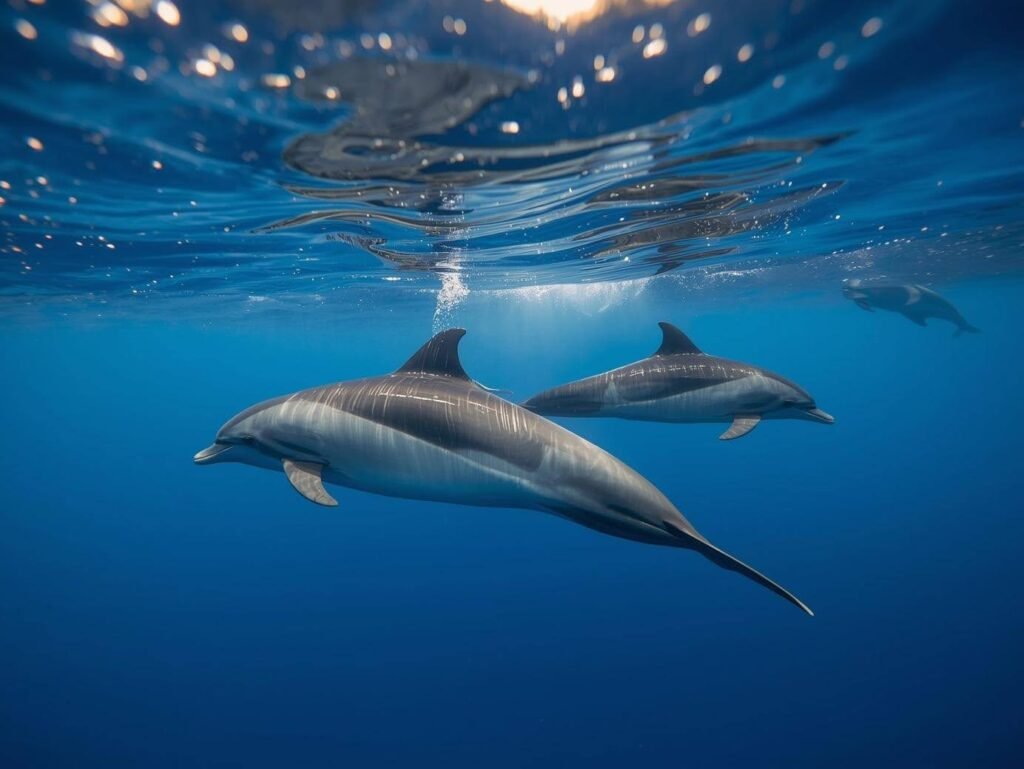
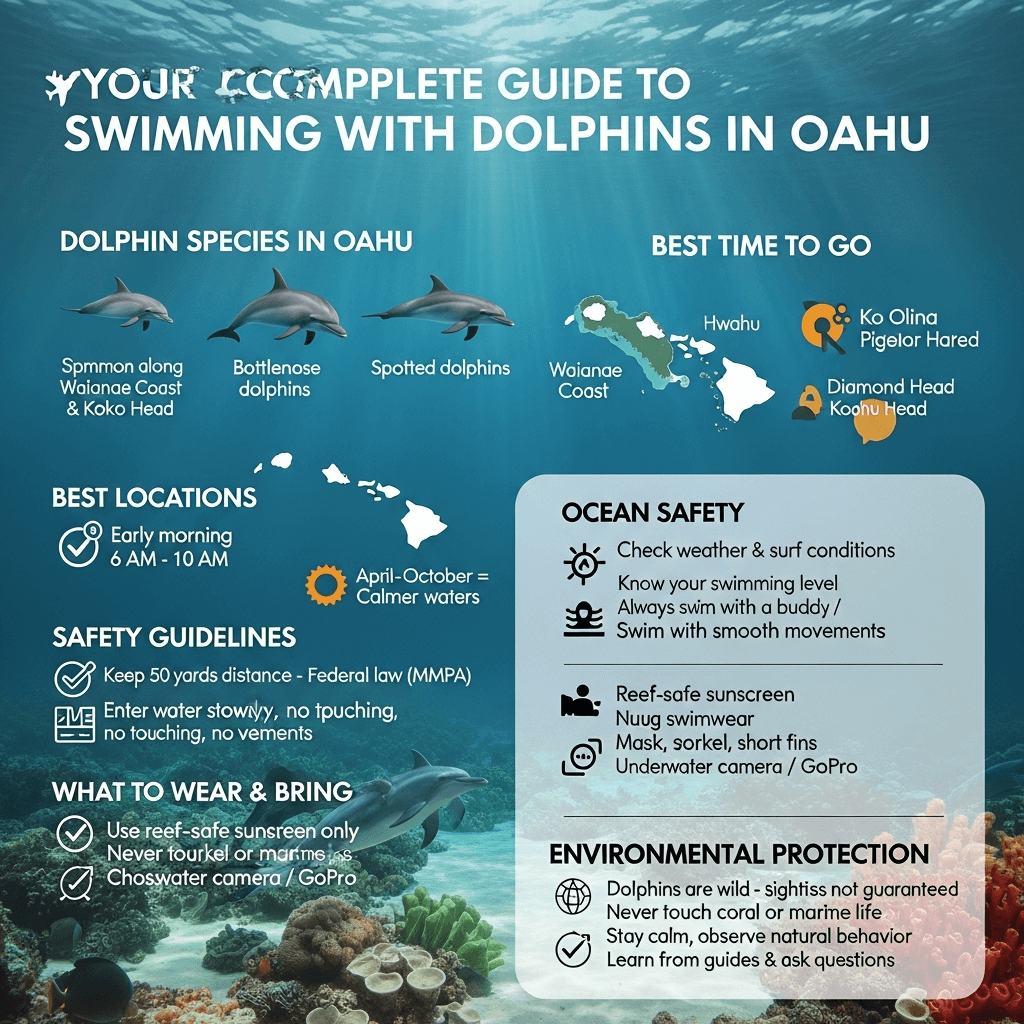
There are a lot of different kinds of dolphins in the waters around Oahu. Some of these are spinner dolphins, bottlenose dolphins, and spotted dolphins. People often see these beautiful animals along the island’s coasts, especially on the Waianae Coast and around Koko Head. Thousands of people come to see and swim with these beautiful animals every year. It’s important to know what to expect and how to prepare for this experience.
This complete guide tells you everything you need to know about swimming with dolphins in Oahu, including safety tips, the best ways to do it, what gear to bring, and how to make your encounter as successful as possible. If you know these things, you can make memories that will last while also respecting the marine environment and the creatures that live there.
Learning about how dolphins act and where they live in Oahu waters
Dolphins are very smart and live in complex family groups called pods. Around Oahu, spinner dolphins are very common. They are known for their acrobatic displays, like their famous spinning jumps. During the day, these dolphins usually sleep in shallow bays, but at night they go into deeper waters to eat.
The leeward (west and south) shores of Oahu are the best places to see dolphins because the waters are calmer and there are lots of fish there. Areas off the Waianae Coast, near Ko Olina, and around Diamond Head are all popular. These places have better visibility and dolphin activity patterns that are easier to predict.
To have a good time swimming, you need to know how dolphins act. Dolphins are curious creatures but can be easily startled by sudden movements or loud noises. They talk to each other with clicks, whistles, and body language. Watching these behaviors can help you enjoy the experience more. If you see dolphins swimming away quickly or acting aggressively, you can tell they’re stressed or upset. This will help keep you and the dolphins safe.
Important Safety Tips for Swimming with Dolphins
When swimming with dolphins in Oahu’s waters, your safety should always come first. These are wild animals living in their natural habitat. Dolphin attacks on people are very rare, but it’s important to give them space and follow the rules.
Keeping a Safe Distance
Always maintain a respectful distance of at least 50 yards from dolphins, as required by federal law under the Marine Mammal Protection Act. This rule is in place to keep you and the dolphins safe. Getting too close can stress the animals and put you in danger. Stay calm and don’t make any sudden movements if dolphins swim up to you.
How to Swim and How to Approach
When dolphins are around, go into the water slowly and quietly. Don’t splash or make loud noises that could scare them. Try to swim like dolphins do, with smooth, gentle movements. Never try to touch, feed, or chase dolphins. This can change how they act naturally and may be against the law.
Things to think about for ocean safety
Oahu’s waters can present various challenges, including strong currents, waves, and changing weather conditions. Always check local surf and weather reports before heading out. Know how well you can swim and don’t go beyond what you feel safe doing. If you’re not a good swimmer, you might want to use a flotation device. Also, always swim with a friend.
What do I need to know before swimming with dolphins?
To have a good time swimming with dolphins, you need to be ready. Knowing the laws, the environment, and the practical things you need to do will help you get the most out of your trip.
Things to Think About Legally and Morally
Federal and state laws control swimming with dolphins in Hawaii. The Marine Mammal Protection Act says that you can’t bother marine mammals by getting too close, touching them, or feeding them. If you break these rules, you could face big fines and legal trouble.
From an ethical point of view, responsible dolphin watching and swimming helps protect these fragile marine ecosystems while having the least effect on them. Choose operators who prioritize dolphin welfare and follow sustainable tourism practices.
Best Times and Seasons
The time of day you go swimming with dolphins can have a big effect on how many you see. Most of the time, the best times to see dolphins are in the early morning, between 6:00 AM and 10:00 AM. The water is usually calmer during these hours, and dolphins are more active after they eat at night.
You can see dolphins in Oahu’s waters all year long, but some times of the year may be better for seeing them and having more encounters. The summer months (April through October) generally provide calmer ocean conditions, making swimming more comfortable and increasing your chances of clear underwater visibility.
How Much Does It Cost to Swim with Dolphins in Honolulu?
The price of swimming with dolphins in Honolulu can change a lot based on things like the type of experience, how long it lasts, how many people are in the group, and what extras are included. Understanding these cost factors helps you budget appropriately and choose the experience that best fits your needs and preferences.
Things that Affect Prices
The price of dolphin swimming experiences in Honolulu is affected by a number of things. Most tours last from half a day to a full day, and longer tours usually cost more. The size of the group also matters. Smaller, more private groups usually cost more than larger group tours.
The price also depends on the kind of boat used for the trip. Larger boats can hold more people and may charge less per person, while smaller boats offer more personalized experiences at higher prices. The total cost can also be affected by extra services like professional photography, renting equipment, lunch, and transportation.
Booking Considerations
When looking at different choices, think about what the price includes. Some operators give you snorkeling gear, while others charge extra to rent it. You may be able to get rides to and from your hotel for free or for an extra fee. Professional photographers can help you remember your experience, but they usually cost more.
What should you wear when you swim with dolphins?
To be safe, comfortable, and protect the environment while swimming with dolphins, you need to wear the right clothes. What you wear can have a big effect on your experience and help keep you and the ocean safe.
Swimwear and Sun Protection
Pick swimwear that fits well and is comfortable so you can move freely in the water. Avoid loose clothing or accessories that could get tangled or lost in the ocean. Dolphins and your tour guides may be able to see bright colors better, but stay away from neon colors that might look strange to marine life.
When you’re on the water for a long time, you need to protect yourself from the sun. To protect your skin without harming coral reefs and marine life, use a sunscreen with a high SPF that is safe for reefs. If you’re going to be outside for a long time, you might want to wear a rash guard or swim shirt to protect yourself from the sun even more.
Essential Gear and Equipment
To see dolphins underwater, you need a mask and snorkel that fit well. A lot of tour companies give you this gear, but bringing your own makes sure it fits perfectly and you know how to use it. Fins can help you swim faster and keep up with dolphins, but make sure to get shorter fins so you don’t accidentally kick other swimmers or marine life.
Think about bringing an underwater camera or GoPro to record your trip, but make sure it is securely attached to your wrist so you don’t lose it. Waterproof pouches for phones and valuables are also recommended.
What Not to Wear
Don’t wear jewelry, especially shiny things that might catch dolphins attention or get lost in the water. Take off any loose jewelry or other things that could fall off while you swim. Don’t use regular sunscreen or personal care products that have chemicals like oxybenzone in them that can hurt coral reefs and marine ecosystems.
Should people who are on vacation be able to swim with dolphins?
It’s hard to say whether tourists should be able to swim with dolphins in Hawaii because you have to weigh the benefits of conservation, education, and the economy. Knowing how different people feel about this issue will help you make smart choices about whether or not to take part in dolphin encounters.
Conservation Perspectives
Marine biologists and conservationists have varying opinions on dolphin tourism. Some people say that regulated, educational encounters can help people appreciate marine life and support conservation efforts by raising money and awareness. Others express concerns about the cumulative impact of human interactions on dolphin behavior and stress levels.
Studies have demonstrated that repeated human interactions can modify dolphin behavior patterns, potentially influencing their natural activities such as resting, feeding, and socializing. However, well-managed encounters that follow strict guidelines and maintain appropriate distances may minimize these impacts while providing valuable educational opportunities.
Advantages of Responsible Encounters
Swimming with dolphins can create strong bonds between people and marine life when done safely. These experiences often make people want to speak out for protecting the ocean and marine life. Dolphin tourism can also help local communities and pay for marine research and conservation programs.
The educational parts of dolphin encounters help people learn about marine ecosystems, dolphin behavior, and the problems that come with protecting them. This information can help people act in ways that are better for the environment and support efforts to protect the ocean.
Getting Ready for Your Dolphin Swimming Trip
Getting ready properly increases your chances of having a fun and safe dolphin encounter while also protecting the marine environment.
Physical Preparation
Assess your swimming abilities honestly before booking a dolphin swimming experience. You don’t have to be an Olympic swimmer, but you should be able to swim for long periods of time and be comfortable in open water. If you aren’t a good swimmer, you might want to take swimming lessons before your trip or choose activities that help you float.
Exercising regularly can help you build up your cardiovascular endurance, which will let you spend more time in the water without getting tired. If you don’t know how to use a mask and snorkel, practice in a pool or calm water.
Mental Preparation and Expectations
Have realistic expectations for your dolphin encounter. Tour operators try their best to find dolphins, but they are wild animals, so they can’t guarantee that you’ll see them. The chances of having a successful encounter depend on the weather, the state of the sea, and the dolphins’ behavior.
Prepare mentally for the possibility that dolphins may not appear or may only be observed from a distance. Think about the whole ocean experience, including the other sea creatures you might see, like sea turtles, tropical fish, and seabirds.
Researching and making a reservation
Look into different tour companies and read what other people have said about them recently. Look for operators who put safety first, follow rules for protecting marine life, and teach people about dolphins and marine conservation. Find out how often they succeed, what their cancellation policy is, and what happens if you don’t see any dolphins on your tour.
Book your dolphin swimming trip early in your Oahu trip so you can change it if the weather doesn’t cooperate. Many operators have flexible booking policies that let you change your plans based on how the ocean is doing.
Taking care of the environment and protecting it
If you want to swim with dolphins, you have to promise to do your best to protect the environment and help conservation efforts.
Safe for Reefs
Use only reef-safe sunscreens that don’t contain harmful chemicals like oxybenzone and octinoxate. Coral bleaching and damage to marine life can happen because of these chemicals. Mineral-based sunscreens containing zinc oxide or titanium dioxide are recommended.
Don’t touch or stand on coral reefs, and don’t take any coral or marine life out of the ocean. Even small things can have big effects over time on fragile marine ecosystems.
Supporting Conservation Efforts
Pick tour companies that help protect the ocean by working with researchers, teaching people about it, or giving money to groups that work to protect it. Some companies take part in citizen science programs, which means they gather information about dolphin populations and behavior while on tours.
Think about giving more money to marine conservation groups that are trying to protect Hawaiian waters and marine life. Your participation in responsible dolphin tourism can help fund important research and conservation initiatives.
Getting the Most Out of Your Experience
Getting in the water is only one part of making the most of your dolphin swimming experience. A memorable encounter depends on being ready, having the right mindset, and caring about the ocean.
Taking pictures and writing things down
Take pictures and videos of your experience, but keep in mind that the best times might be the ones when you don’t have a camera in front of you. Don’t forget to be present in the moment while you document.
If you’re going to use underwater cameras, make sure you practice with them first so you don’t miss any chances while you’re trying to figure out how to use them. For better pictures, think about hiring professional photographers that some tour companies offer.
Chances to Learn
Use the educational parts that knowledgeable guides offer to your advantage. Learn about dolphin species, behavior patterns, and conservation challenges facing marine mammals in Hawaiian waters. Knowing this makes you appreciate the encounter more and helps you become a better ocean advocate.
You can ask questions about the ocean, marine life, and efforts to protect it. Most guides love marine life and are happy to share what they know with people who are interested
Planning Your Adventure with Hawaii Guide Hub
We know that swimming with dolphins is a once-in-a-lifetime experience for many people who come to Oahu. We only work with partners who care about both guest safety and marine conservation. This way, your dolphin encounter will be both fun and responsible.
We know a lot about the area, so we can help you find the best dolphin swimming experience for you based on your interests, comfort level, and schedule. We only work with operators who follow strict rules about the environment and have a great safety record. This lets you relax and enjoy this amazing adventure.
When you’re ready to book your dolphin swimming experience in Oahu, trust Hawaii Guide Hub to connect you with reputable operators who share our commitment to sustainable tourism and marine conservation. We can help you make memories that will last a lifetime while also protecting and respecting the amazing marine life that lives in Hawaiian waters.