How Much Does It Cost to Go to Hawaii? The Honest Budget Breakdown

So how much does it cost to go to Hawaii? For a one-week trip for two adults, most travelers spend between $5,000 and $6,500 all in, covering flights, a midrange hotel or condo, a rental car, food, and a few paid activities. A careful budget trip can come in around $3,300 for two, while a luxury week easily passes $10,000. This page is the single complete answer to every version of the cost question: realistic ranges, what drives the price, how the islands differ, when to go for less, and the mistakes that blow up budgets.
Prices below are drawn from recent travel cost data and the state tourism agency’s visitor spending reports, framed as ranges rather than promises. Hawaii prices move with season, island, and travel style, but the structure of a Hawaii budget barely changes. Understand the structure and you can price any trip.
Hawaii Trip Cost at a Glance
| Trip style | 7 days, 2 adults | Per person, per day |
| Budget | About $3,300 | About $150 |
| Midrange | About $5,000 to $6,500 | About $290 to $390 |
| Comfortable | About $9,000 to $10,500 | About $640 to $750 |
| Luxury | $11,000 and up | $800 and up |
Hawaiʻi’s Department of Business, Economic Development and Tourism reported average visitor spending of about $296 per person per day in mid 2026. That figure blends every traveler type, from hostel backpackers to suite guests, so treat it as context, not a target. Your own number depends on five buckets: flights, lodging, food, transport, and activities.
Flights: What Airfare to Hawaii Really Costs
Round-trip airfare from the US mainland to Hawaii typically runs $350 to $1,100 per person, with the wide range explained by three things: where you fly from, when you book, and when you travel. West Coast departures are cheapest, often $400 to $700 round trip in shoulder season. East Coast and Midwest departures commonly run $700 to $1,100. Booking two to four months ahead usually beats both last-minute fares and ultra-early ones.
Timing matters as much as origin. Peak season, mid December through mid April plus June through August, brings the highest fares. Shoulder season, April through May and September through November, is consistently the cheapest time to fly. Flying midweek instead of weekends can shave $50 to $150 per ticket. And remember that interisland flights add $80 to $150 per person per hop, so island hopping multiplies the airfare line fast.
Lodging: The Biggest Line in Most Budgets
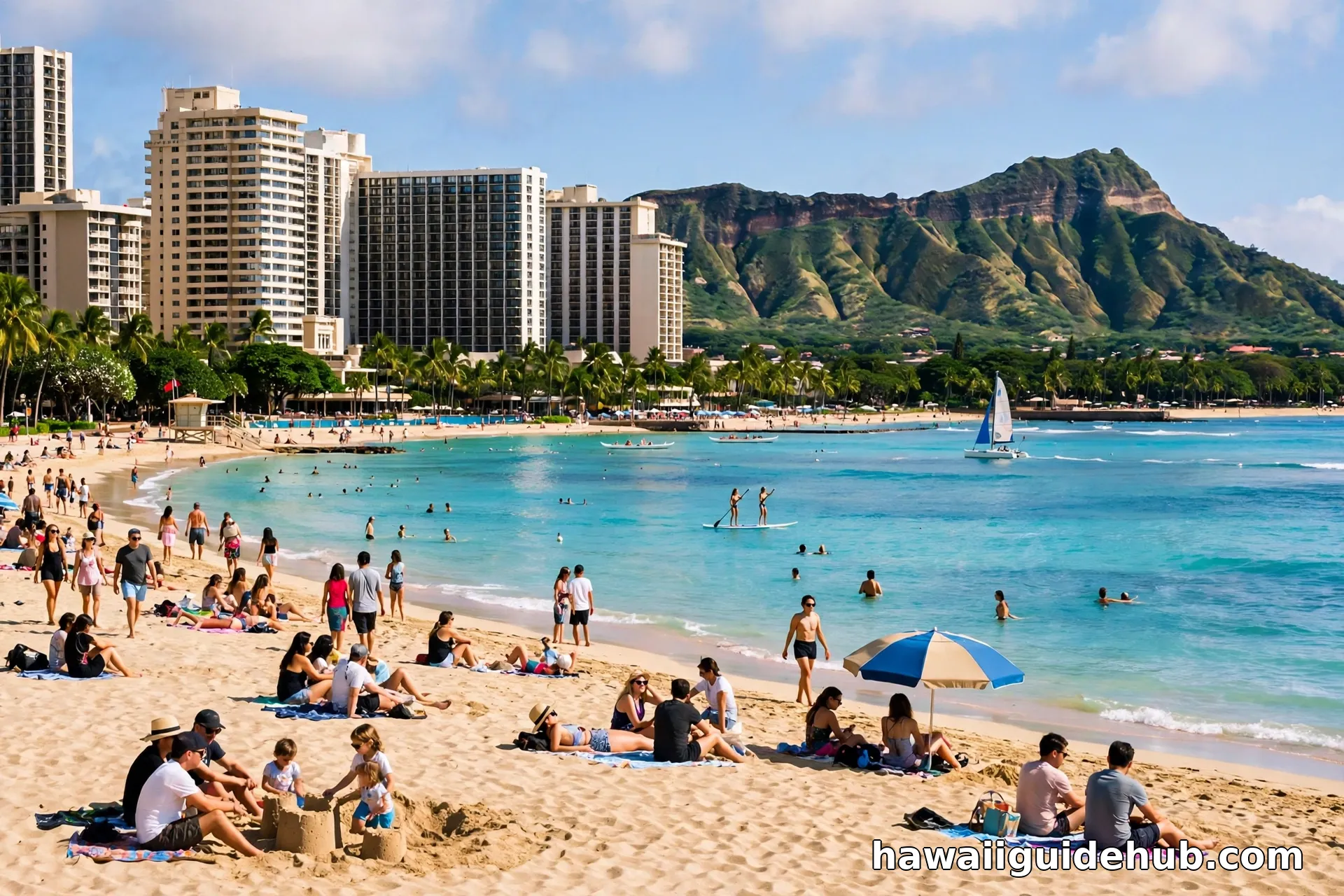
Lodging is where Hawaii trips are won or lost financially. A midrange hotel room averages around $260 a night before taxes, with Waikīkī on the value end and resort areas on Maui and Kauaʻi on the expensive end. Budget hotels and hostels run $120 to $180. Vacation rentals and condos, often $200 to $350 a night for a one bedroom, are usually the best value for stays of five nights or more because the kitchen cuts food costs dramatically. Luxury resorts start around $500 and climb past $1,000 in peak season.
The number most travelers miss is the tax. Hawaii layers a transient accommodations tax, county surcharges, and general excise tax on lodging, totaling up to about 18.7 percent on top of the quoted room rate. A $250 room really costs about $297 a night. Always price lodging with tax included, and watch for daily resort fees of $35 to $55 plus parking fees of $45 to $70 a night at Waikīkī resorts, which can add hundreds to a week-long stay.
Food: From Poke Bowls to Resort Dinners
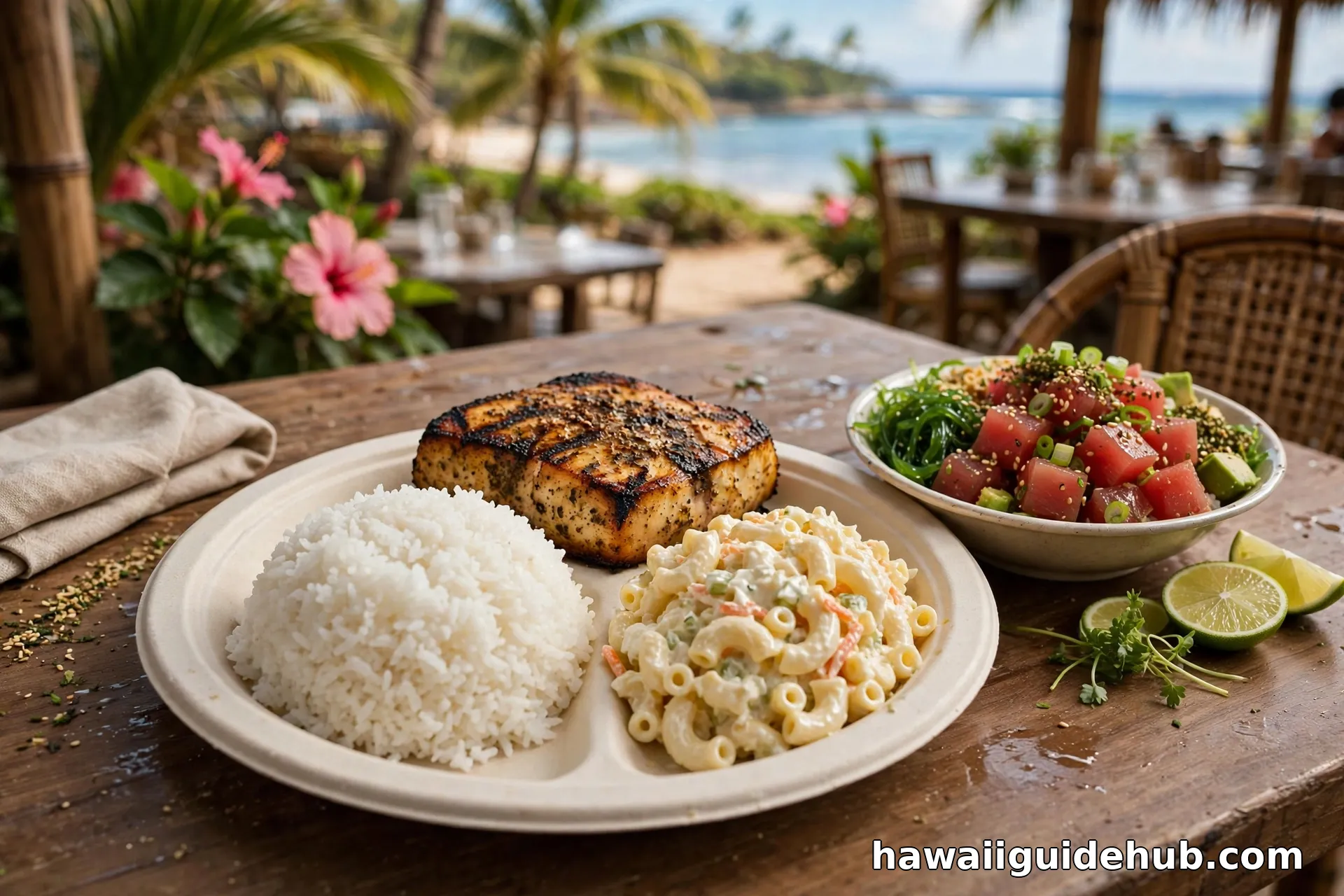
Food costs about $40 to $120 per person per day depending on how you eat. A realistic midrange budget is $60 to $80 per person per day: grocery breakfasts, plate lunches or poke bowls for lunch at $12 to $18, and casual restaurant dinners at $25 to $45 per entree. Groceries cost roughly 30 to 50 percent more than on the mainland, but a condo kitchen still slashes the food bill because restaurant prices carry the same island markup.
The cheapest good food in Hawaii is local food. Farmers markets, food trucks, and neighborhood plate lunch spots serve generous meals for $12 to $18 that beat $30 hotel breakfasts on both price and quality. Shave ice, malasadas, and poke from a grocery deli are the affordable treats that define eating in Hawaii. Save the splurge dinners for one or two nights rather than every night.
Transportation: Rental Cars, Parking, and Getting Around
Outside of Waikīkī, a rental car is effectively required and costs $40 to $120 per day including fuel, with economy cars on the low end and SUVs and convertibles on the high end. Book early, because walk-up rates at airport counters are the most expensive way to rent. Gas runs about a dollar more per gallon than the mainland average, and you will drive more miles than you expect.
The hidden cost is parking. Resort and Waikīkī hotel parking runs $45 to $70 per night, which can exceed the cost of a cheap rental car over a week. If you are staying in Waikīkī and mostly beaching, consider renting only for excursion days from neighborhood counters. On the neighbor islands, free parking at condos and vacation rentals is one more reason rentals beat hotels on value.
Activities: Free Hawaii vs Paid Hawaii
Budget $20 to $150 per person per day for activities, and know that Hawaii’s best experiences are free. Beaches, coastal hikes, waterfalls, scenic drives, and snorkeling from shore cost nothing. Paid experiences, the ones worth budgeting for, include luaus ($130 to $200 per person), snorkel boat tours ($100 to $180), helicopter tours ($250 to $400), and surf lessons ($80 to $120).
The smart strategy is one paid splurge per two to three days, filled in with free activities. A luau on night two, a snorkel cruise midweek, and a helicopter tour on the Big Island or Kauaʻi gives you the marquee memories without the $1,500 activity bill. Book popular tours before you fly, since the best time slots sell out and walk-up prices are highest.
How Costs Differ by Island
Oʻahu is the cheapest island overall: the most flight competition, the most hotel rooms, the best bus system, and the most affordable food. Maui is the most expensive, with the highest hotel rates and restaurant prices in the state. Kauaʻi sits in the middle, cheaper than Maui but pricier than Oʻahu, with vacation rentals offering the best value. The Big Island is the most variable: affordable in Hilo and the Kona coast’s condo zones, expensive at the Kohala resorts.
Island hopping looks cheap until you add it up. Each interisland flight costs $80 to $150 per person, plus a second round of airport time, rental car logistics, and usually a higher per-night lodging cost on the second island. For a first trip on a budget, one island done well beats two islands done rushed. If you are torn, our guide to the best island for first-time visitors can help you choose.
When Hawaii Is Cheapest
The cheapest times to visit Hawaii are the shoulder seasons: mid April through May and September through mid November. Flights and hotels both drop, with savings of 20 to 40 percent versus peak season. September and October are the sweet spot, combining low prices with warm water and thin crowds. The most expensive windows are Christmas through New Year, spring break, and mid June through August. For the full seasonal breakdown, see the cheapest time of year to visit Hawaii.
Sample Budgets: Three Realistic Trips
Budget: Two Adults, 7 Days on Oʻahu, About $3,300
Flights $700 for two on a shoulder-season sale. Budget hotel or hostel private room $1,050 for six nights. Food $700 with grocery breakfasts and plate lunch dinners. Bus and limited rental car days $150. Activities $300, mostly free beaches and hikes plus one snorkel trip. This trip skips the luau and the helicopter, and it is still a great Hawaii vacation.
Midrange: Two Adults, 7 Days, About $6,000
Flights $1,100. Condo or well-located hotel $1,800 plus about $650 in taxes and fees. Food $1,260 mixing groceries and restaurants. Rental car $500. Activities $700 for a luau, a boat tour, and a surf lesson. This is the trip most couples actually take, comfortable without constant price checking.
Family of Four, 7 Days, About $8,000 to $10,500
Flights $1,800 to $2,400. Two-bedroom vacation rental $2,500 to $3,500, where the kitchen is the single biggest money saver for families. Food $1,200 to $1,500. Rental car $600 to $800. Activities $500 to $1,000. Kids under five often go free on tours, and condo pools replace paid entertainment on rest days. Traveling with kids? Our Hawaii bucket list has family-friendly ideas that cost nothing.
Money-Saving Tips That Actually Work
Travel in shoulder season for the single biggest saving. Stay in a condo or vacation rental with a kitchen and eat breakfast and half your lunches from groceries. Fly midweek and set fare alerts two to four months out. Limit island hopping to trips of ten days or more. Rent the car only for the days you need it in Waikīkī. Build days around free activities, beaches, hikes, scenic drives, and treat paid tours as a few chosen splurges. And check whether you need a passport before you overthink documents: US citizens do not need one for Hawaii, so that is one cost you can skip entirely.
Common Budget Mistakes
The most expensive mistake is pricing the hotel without taxes and fees, which adds nearly a fifth to the room rate. Next is ignoring parking, which can cost more than the rental car in Waikīkī. Third is island hopping on a short trip, where the flights, logistics, and duplicated costs eat the budget. Fourth is eating every meal at restaurants, which doubles the food line versus mixing in groceries. Fifth is booking nothing in advance, since the best-priced tours and rental cars sell out and leave only the expensive options.
Video: The True Cost of Traveling to Hawaii
A full walkthrough of real Hawaii travel costs, from flights and hotels to the expenses that surprise first-timers.
Frequently Asked Questions About Hawaii Trip Costs
How much does a week in Hawaii cost for two?
A midrange week for two costs about $5,000 to $6,500 all in. A careful budget trip can reach $3,300, and a luxury trip exceeds $10,000. Flights and lodging make up roughly two thirds of the total.
What is the cheapest month to go to Hawaii?
September and October are usually cheapest, with April, May, and early November close behind. These shoulder months bring lower airfare and hotel rates with good weather. Avoid Christmas, spring break, and summer for the lowest prices.
How much money should I budget per day in Hawaii?
Plan on $150 per person per day for a budget trip, $250 to $400 for midrange, and $600 or more for luxury, excluding flights. These are on-island costs covering lodging, food, transport, and activities.
Is Hawaii more expensive than other tropical destinations?
Yes, Hawaii costs more than most Caribbean and Southeast Asian destinations, mainly because of US labor costs, import prices, and high lodging taxes. The tradeoff is no passport needed for US citizens, excellent infrastructure, and unique landscapes.
Can you do Hawaii on a tight budget?
Yes, with tradeoffs. Oʻahu in shoulder season, a budget hotel or hostel, grocery meals, the bus system, and free beaches and hikes can bring a week to about $1,700 per person. You will skip luaus, helicopter tours, and resort pools, but you will still get the Hawaii that matters.
How much are Hawaii hotel taxes?
Combined lodging taxes run up to about 18.7 percent on top of the quoted room rate, including the state transient accommodations tax, county surcharges, and general excise tax. Always add roughly a fifth to any room rate when budgeting.
Hawaii is expensive, but it is not mysterious. A week for two costs $5,000 to $6,500 at a comfortable midrange, less with a kitchen and shoulder-season timing, more with resorts and peak dates. Price the five buckets honestly, add the taxes everyone forgets, and the number on the page will be close to the number on your credit card. That is the whole secret to budgeting Hawaii.