5 Days on the Big Island: The Perfect Itinerary

Five days is the perfect first trip to the Big Island: long enough to circle the island’s greatest hits without rushing, short enough that the planning stays simple. This 5 day Big Island itinerary covers the Kona coast, the volcano, the Hilo waterfalls, the Kohala beaches and paniolo country, and a grand finale at Kealakekua Bay and Maunakea. It is the complete Hawaiʻi Island experience in one week-shaped trip, and the one itinerary this truly remarkable island was made for.
This is the single complete guide to spending 5 days on the Big Island. It covers the exact day-by-day plan, where to stay, the bookings that matter, what 5 days on the Big Island costs, money-saving tips, common mistakes, a packing checklist, and answers to the questions every visitor asks. Everything about a 5 day Big Island itinerary, 5 days on the Big Island of Hawaii, and the best 5 day Hawaii Big Island trip plan is gathered on this one page, so you do not need to search anywhere else.
5 Day Big Island Itinerary at a Glance
| Day | Where you go | Why it works here |
|---|---|---|
| Day 1 | Kona coast: coffee farm, Puʻuhonua o Hōnaunau, Kailua-Kona, manta ray night snorkel | Start easy; the manta snorkel is the trip’s anchor |
| Day 2 | Hawaiʻi Volcanoes National Park: Kīlauea Iki hike, Chain of Craters, after-dark glow | The big drive day, done while energy is high |
| Day 3 | Hilo waterfalls and Punaluʻu black sand beach via the south route | The loop keeps you moving east; no backtracking |
| Day 4 | Kohala coast: Hapuna Beach, Puʻukoholā Heiau, Waimea paniolo town | The beach day, saved for mid-trip |
| Day 5 | Kealakekua Bay snorkel, then Maunakea sunset and stargazing (or depart) | The grand finale; or a graceful exit |
| Key bookings | Manta ray snorkel, Maunakea tour, rental car, hotel | Book the experiences first; they have the tightest capacity |
| Transport | Rental car is essential; book it with your flights | Every loop starts and ends in Kona |
| Best base | Kailua-Kona all five nights; the loops all start there | One base for the whole island |
Before You Go: Planning Tips for 5 Days on the Big Island
The Big Island is bigger than all the other Hawaiian Islands combined, and this itinerary treats it like the road trip it is: five day-loops from one base, no hotel changes, no backtracking. Fly into Kona International Airport (KOA) and book a rental car with your flights. If you are still choosing your island, our guide to the best island in Hawaii for first time visitors explains where the Big Island fits.
Three bookings matter. The manta ray night snorkel on Day 1: reserve days ahead. The Maunakea sunset and stargazing tour on Day 5: book weeks ahead, since the summit needs a 4WD vehicle past the visitor station and most visitors go with a tour. And the usual hotel plus rental car. Hawaiʻi Volcanoes National Park charges 30 dollars per vehicle for a 7-day pass (cashless); check Kīlauea’s current activity before Day 2. Our Volcanoes National Park guide is the deeper reference.
Where to Stay: Kailua-Kona, All Five Nights
One base for all five nights: Kailua-Kona. Every day-loop in this itinerary starts and ends there, the town has the most restaurants, and the airport is 15 minutes away. Splitting nights between Kona and Hilo sounds efficient but costs you packing hours for no gain. Book along Aliʻi Drive for walkable dinners or a condo in Keauhou for quieter nights.
Day 1: The Kona Coast (Coffee, Culture, Mantas)
Start at a Kona coffee farm above Kealakekua Bay; the morning tours with tastings are often free. You will walk the rows of red cherries, see the roaster in action, and taste the difference between peaberry and extra fancy roasts. Buy the 100 percent Kona bags at the farm: most mainland “Kona blend” is only 10 percent Kona, and the real thing stays fresh for weeks. Drive south to Puʻuhonua o Hōnaunau National Historical Park, the Place of Refuge, and snorkel at Hōnaunau Bay (Two Step) if the ocean is calm. Return to Kailua-Kona for a late afternoon on Aliʻi Drive and an early dinner, then the manta ray night snorkel from Honokōhau Harbor: floating over reef mantas feeding in the lights is Hawaii’s best night activity. Our manta ray snorkel guide has the details, and our Kona things to do guide covers the coast.
Day 2: Hawaiʻi Volcanoes National Park (Full Day)
Leave Kona by 7:30 AM for the two-hour drive. Hike the Kīlauea Iki Trail (3.3 miles round trip) across the solidified lava lake: you descend through rainforest, cross the crater floor past steaming vents where the ground is still warm, and climb out the far side. It takes two to three hours and is the single best hike in the park. Then walk the Nāhuku lava tube, drive Crater Rim Drive’s overlooks and steam vents, and descend the 19-mile Chain of Craters Road to the Hōlei Sea Arch. Stay for the after-dark crater glow if Kīlauea is active. Bring a jacket, a flashlight, and snacks; food inside the park is limited.
Day 3: Hilo Waterfalls and Punaluʻu Black Sand Beach
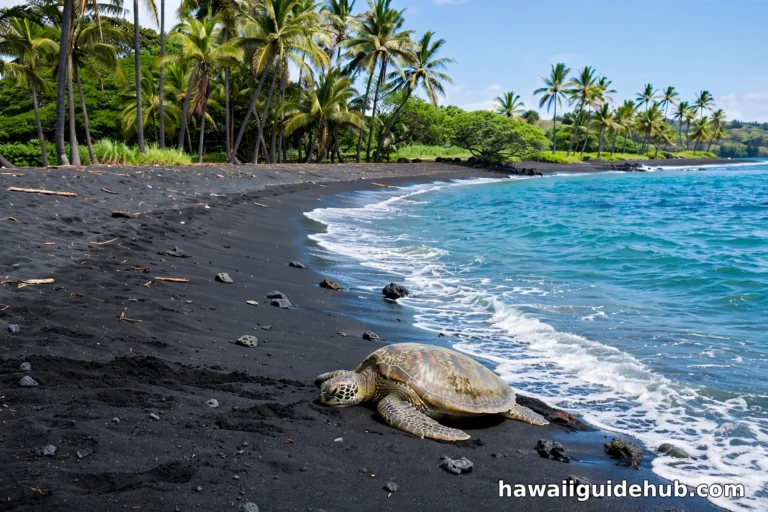
Take the Saddle Road to Hilo (90 minutes). Rainbow Falls in the morning light, then the 442-foot ʻAkaka Falls on its rainforest loop 11 miles north of town. Lunch at the Hilo farmers market, then the south route (Highway 11) back toward Kona with a stop at Punaluʻu Black Sand Beach: jet-black sand, coconut palms, and green sea turtles hauled out on the shore. Treat it as a sight, not a swim; the shore break is rough.
Day 4: Kohala Coast and Waimea
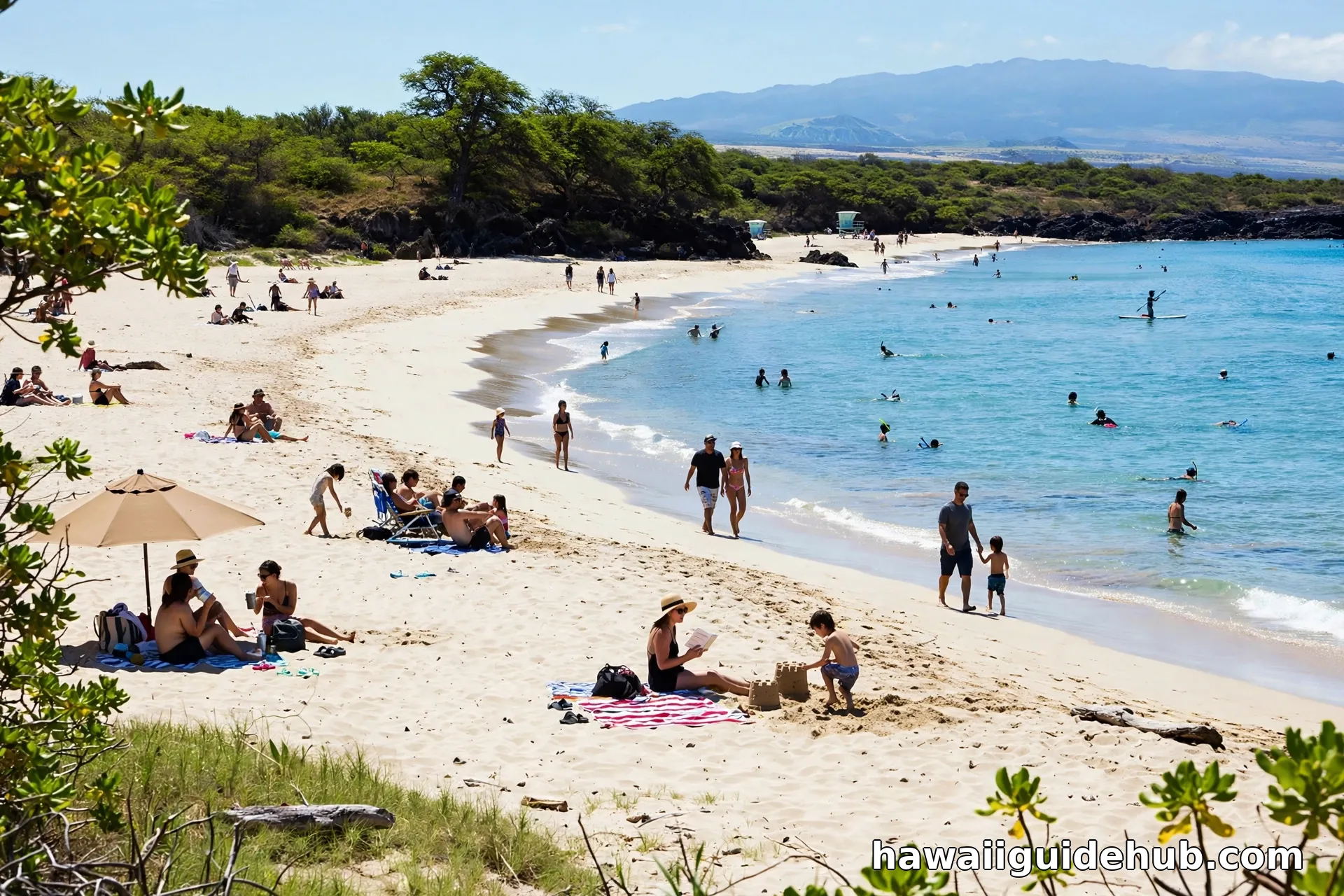
Head north to the Kohala coast, the island’s beach capital. Hapuna Beach State Recreation Area is the Big Island’s best white-sand beach: a half-mile crescent with lifeguards, calm summer water, and excellent bodyboarding. Arrive before 10 AM for parking and shade; it fills by midday. Our Waikoloa Village guide covers the resort area just south, with its shopping, dining, and the queens’ marketplace hula shows.
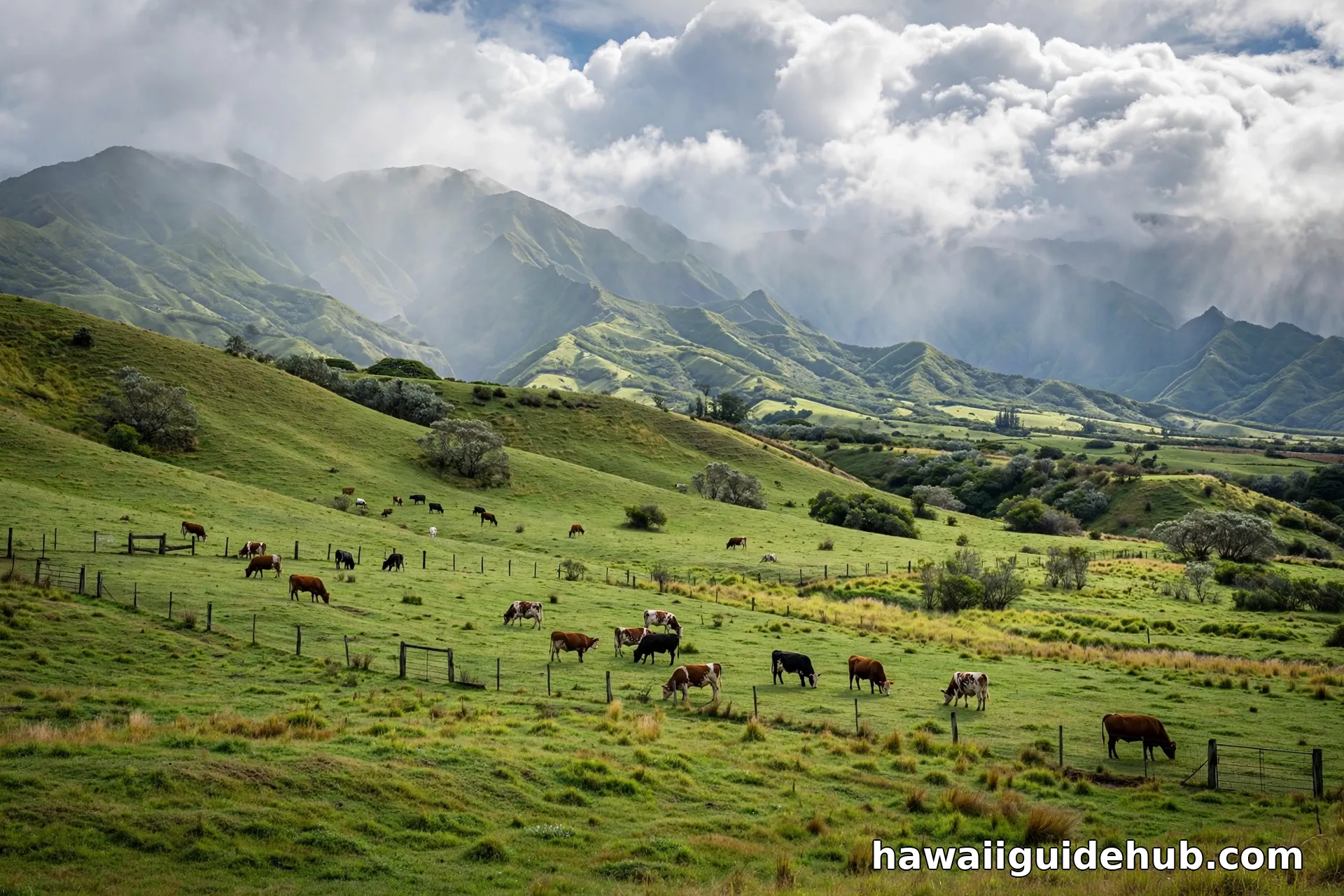
In the afternoon, drive up to Waimea (Kamuela), the paniolo cowboy town at 2,700 feet. The rolling green pastures, the misty Kohala mountains, and the ranch supply stores feel like a different state, let alone a different island. Cattle ranching arrived here in the 1830s, and the paniolo tradition predates the mainland cowboy culture most visitors know. Visit Puʻukoholā Heiau National Historic Site on the way, the massive temple Kamehameha the Great built to unite the islands. Eat dinner in Waimea; the town’s farm-to-table restaurants, supplied by the surrounding ranches and farms, are among the island’s best.
Waipiʻo Valley: The Day 6 Temptation
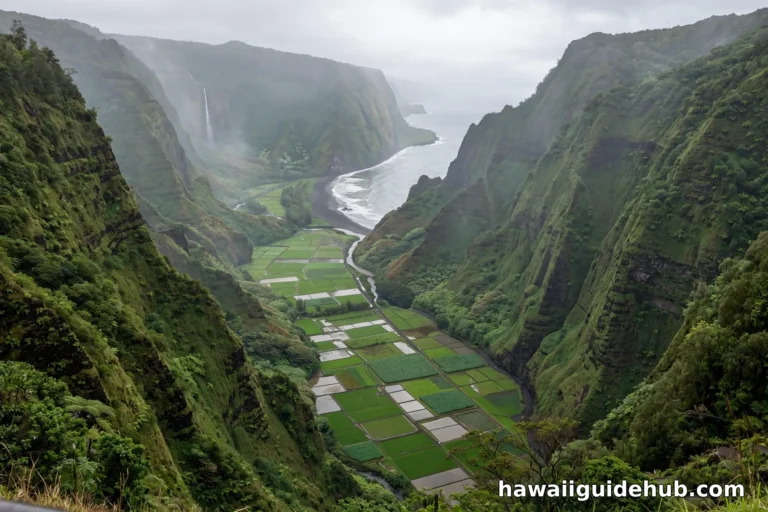
If you add a sixth day, spend it at Waipiʻo Valley on the Hamakua coast. The valley, sacred in Hawaiian history and once home to thousands, drops 2,000 feet to a black sand beach backed by 2,000-foot waterfalls. The road down is one of the steepest in the United States and requires 4WD plus permission; most visitors take the valley overlook, which alone is worth the drive, or join a guided tour. Pair it with Tex Drive-In’s malasadas in Honokaʻa on the way back. It is the island’s most dramatic landscape after the volcano, and the natural extension of this five-day plan.
Day 5: Kealakekua Bay and Maunakea Sunset
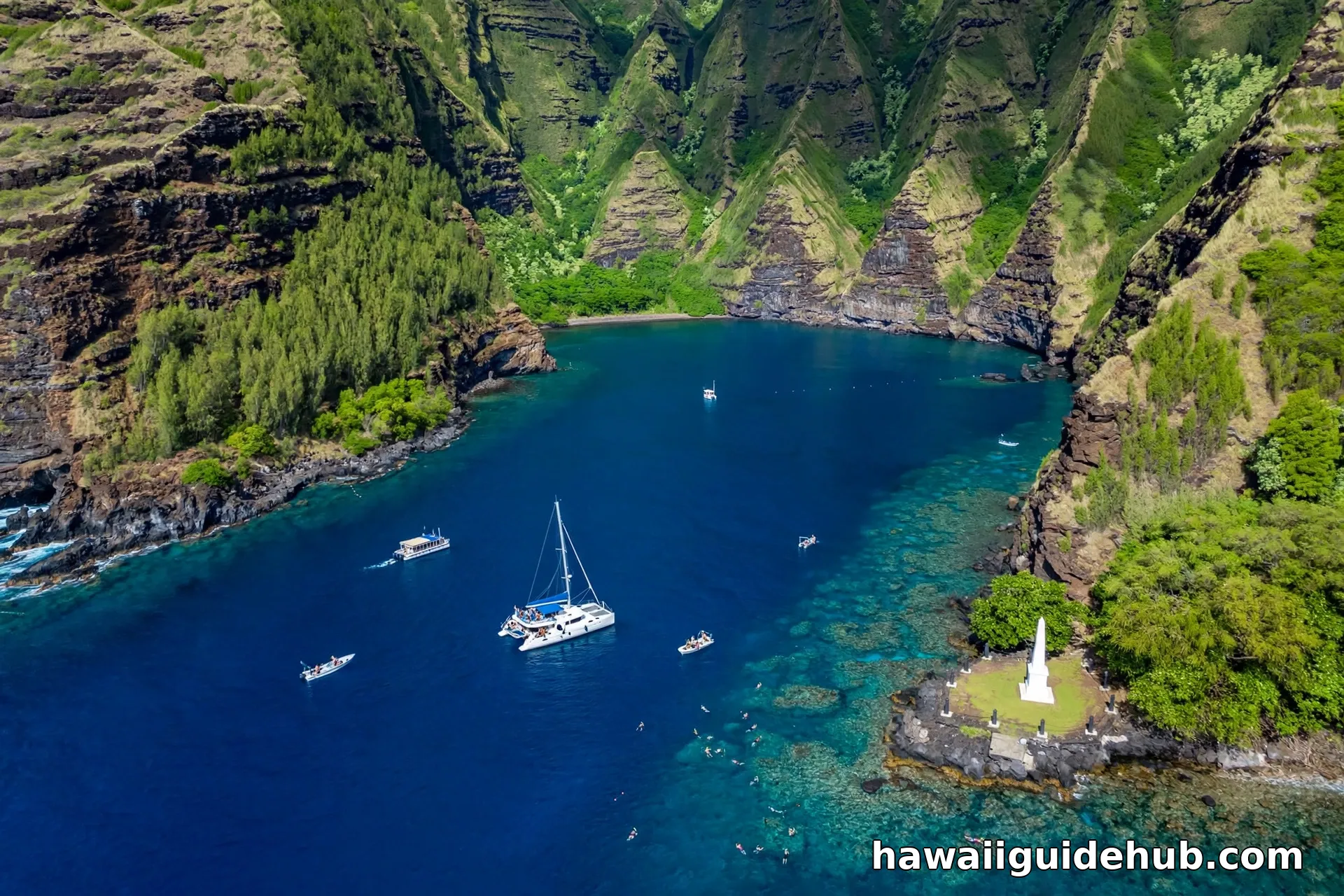
Sleep in, then spend the morning at Kealakekua Bay, the marine sanctuary south of Kona with the clearest snorkeling water on the island. The Captain Cook Monument side of the bay holds the best coral; reach it by kayak tour, boat tour, or the steep monument trail (a hot, unshaded 2-mile round trip, so most people boat in). Spinner dolphins rest in the bay most mornings, and the coral gardens host turtles and clouds of reef fish. It is the perfect gentle finale to five active days.
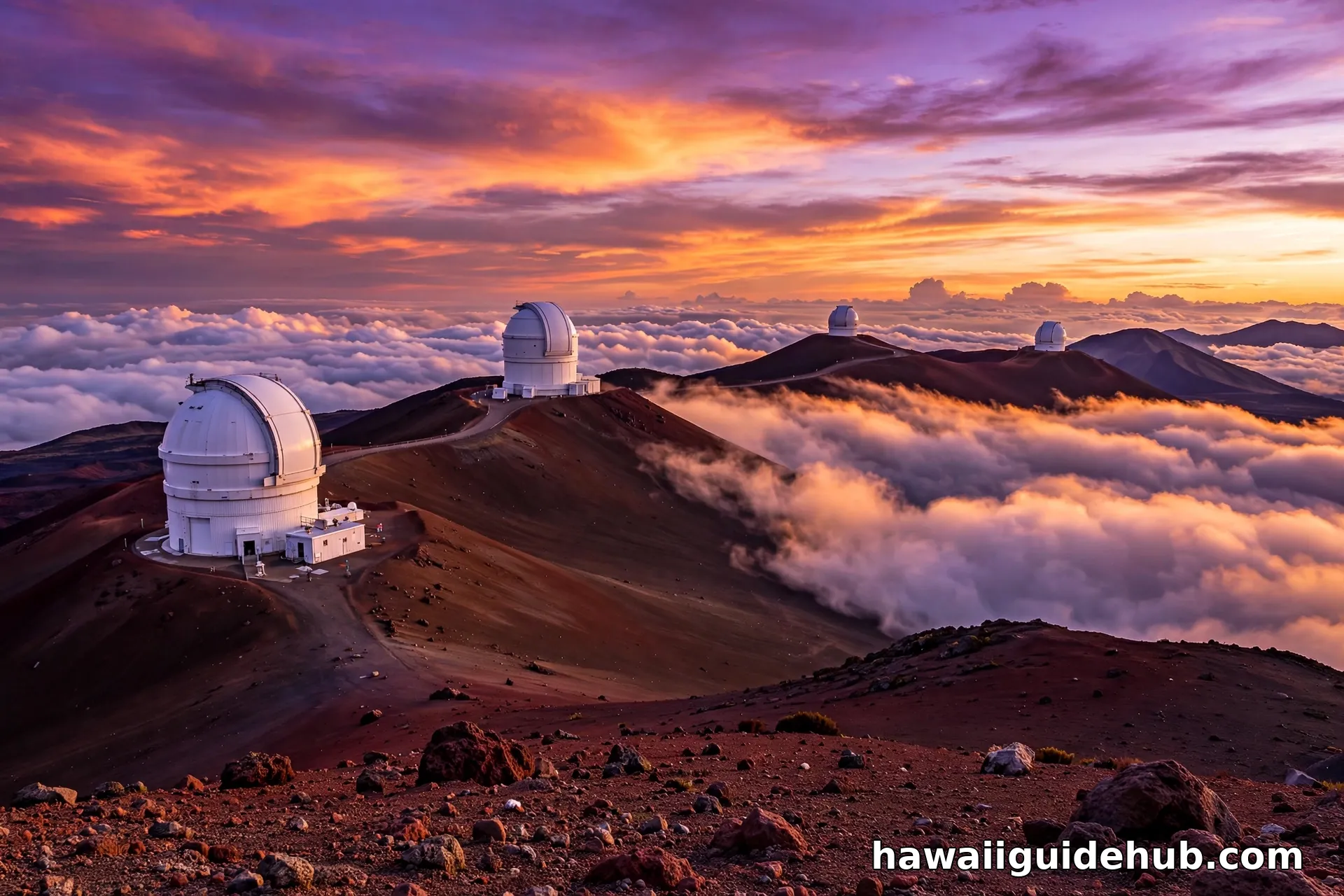
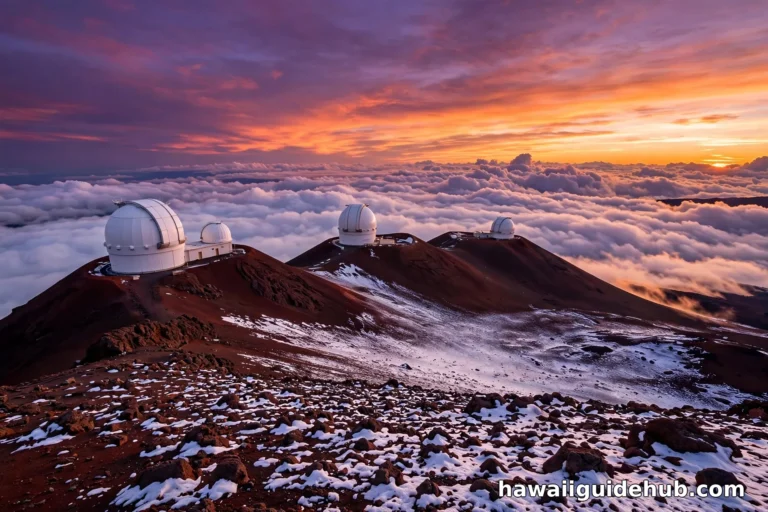
For the grand finale, take a Maunakea sunset and stargazing tour. The summit sits at 13,803 feet above the clouds, with the world’s great observatories and a sunset that drops through every color. Tours handle the 4WD requirement, the altitude acclimatization stop at the 9,200-foot visitor station, and the telescopes after dark. It is a long evening, ending near midnight, which is why it sits on the last full day. If you fly home on Day 6, book a late flight or one more Kona night.
How Much Does 5 Days on the Big Island Cost
For two adults sharing, a realistic 5 day Big Island trip runs about 2,500 to 5,000 dollars excluding flights. The rental car, the gas for the island’s distances, and the two big tours are the cost drivers.
| Category | Budget | Mid-range | The budget lever |
|---|---|---|---|
| Lodging (5 nights, Kona) | $1,000 | $1,750 | Condo vs hotel |
| Rental car (5 days) plus gas | $450 | $700 | Compact vs SUV |
| Food and drink | $625 | $1,125 | Groceries and food trucks vs restaurants |
| Park fees (Volcanoes NP, Akaka Falls) | $45 | $45 | Fixed for everyone |
| Manta ray snorkel (2 people) | $300 | $300 | Non-negotiable; worth every dollar |
| Maunakea sunset tour (2 people) | $0 (self-drive to VIS) | $400 | The biggest lever: drive yourself or pay for the tour |
| Trip total | ~$2,420 | ~$4,320 | About $484 vs $864 per day |
The two tours are the splurges worth keeping: the mantas and the Maunakea summit are the two experiences no other island can match. Everything else is park fees, gas, and food. A condo kitchen and a Costco run keep five days of eating under 650 dollars.
Common Mistakes to Avoid
The biggest mistake is trying to self-drive the Maunakea summit in a standard rental: the road past the visitor station requires 4WD, most rental contracts forbid it, and altitude sickness at 13,803 feet is real. Take the tour. The second is underestimating Day 3’s driving: Hilo plus Punaluʻu is five hours behind the wheel, so start early. The third is skipping the Kīlauea activity check before Day 2. The fourth is swimming at Punaluʻu or the green sand beach without respecting the shore break; both are sights first, swims second.
Packing Checklist
Pack for every climate Hawaii has. Swimwear, reef-safe sunscreen, and a rash guard for the beaches; hiking shoes with grip for lava rock, which is sharp and uneven; a rain jacket for Hilo and the volcano, where showers arrive without warning; a genuinely warm layer, hat, and gloves for Maunakea, where summit temperatures run near freezing after sunset; and a flashlight for the crater glow and stargazing. Bring a dry bag for the boats, motion-sickness remedies, and twice the water you think you need for the park day. Download offline maps for the park, the Saddle Road, and the Kohala coast.
FAQs About a 5 Day Big Island Itinerary
Is 5 days enough for the Big Island?
Yes, it is the ideal first trip. Five days covers Kona, the volcano, Hilo, Kohala, Kealakekua Bay, and Maunakea without rushing. A sixth or seventh day would add Waipiʻo Valley, the green sand beach, and a second beach day.
Should I stay in Kona or split with Hilo?
Stay in Kona all five nights. Every day-loop starts and ends there, and moving hotels wastes packing hours for no gain.
Can I drive to the Maunakea summit myself?
Only with a 4WD vehicle, and most rental contracts forbid it. The visitor station at 9,200 feet is reachable by any car and runs free stargazing programs; the summit needs the tour or your own 4WD plus altitude caution.
Will I see lava?
It depends on Kīlauea’s activity. Check the park’s current conditions before Day 2. Even between eruptions, the steaming crater, lava tube, and Kīlauea Iki lava lake are spectacular.
Is the green sand beach worth adding?
Papakōlea green sand beach is a genuine wonder, but it needs half a day: the hike is 5 miles round trip in full sun, and the road requires 4WD or a local shuttle. On a five-day trip, skip it unless you drop something else. It is a better fit for a sixth or seventh day.
What is the best month for 5 days on the Big Island?
The Kona and Kohala coasts are sunny year-round. Winter brings whale season and the lushest waterfalls; summer brings the calmest ocean. There is no bad month.
Five days on the Big Island is the complete Hawaiʻi Island story: coffee and mantas on the Kona coast, a walk across a lava lake, waterfalls in the rainforest, white sand in Kohala, and a sunset above the clouds at 13,803 feet. One base, five loops, and an island that contains nearly every climate on Earth. The Big Island does the rest, and five days here will recalibrate what you think one island can hold.