Road to Hana Lodging: Where to Stay Overnight on Maui’s East Side

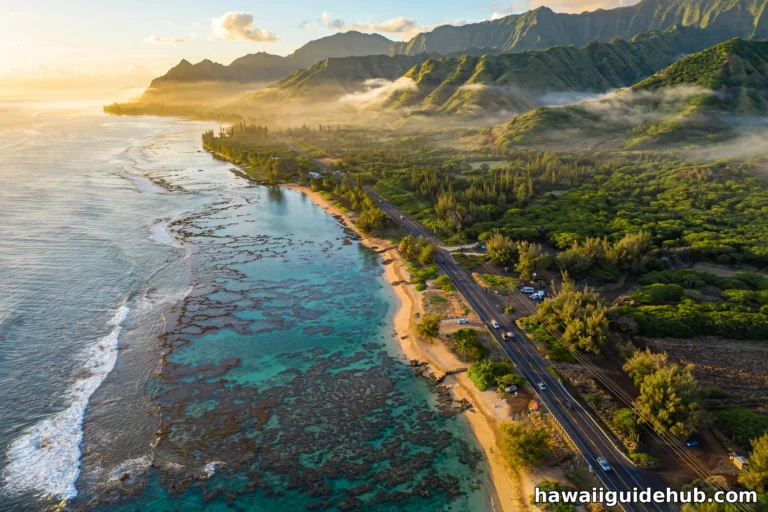
The Road to Hana is about 64 miles of winding highway from Kahului to Hana, with roughly 600 curves and more than 50 one-lane bridges. Most visitors try to conquer it in a single exhausting day. The smarter move is to spend the night. Sleeping in Hana turns the drive from a race into a ramble: you can start early, beat the crowds to the black sand beach, and watch the stars come out over a town with almost no light pollution.
This guide covers where to stay along the Road to Hana, from Hana’s one resort to vacation rentals, B&Bs, cabins, and camping, plus how to choose the right base for your trip.
Road to Hana Lodging at a Glance
| The case for staying | The catch |
|---|---|
| Beat the crowds, see Kīpahulu, and skip the drive back in the dark | The drive alone is about 64 miles with some 600 curves and 50+ one-lane bridges, Kahului to Hana |
| Real choices: resort, vacation rentals, B&Bs, cabins, state park camping | Rooms are limited, so reserve weeks to months out; bring groceries and gas before you leave Paia or Kahului |
Why Spend the Night in Hana?
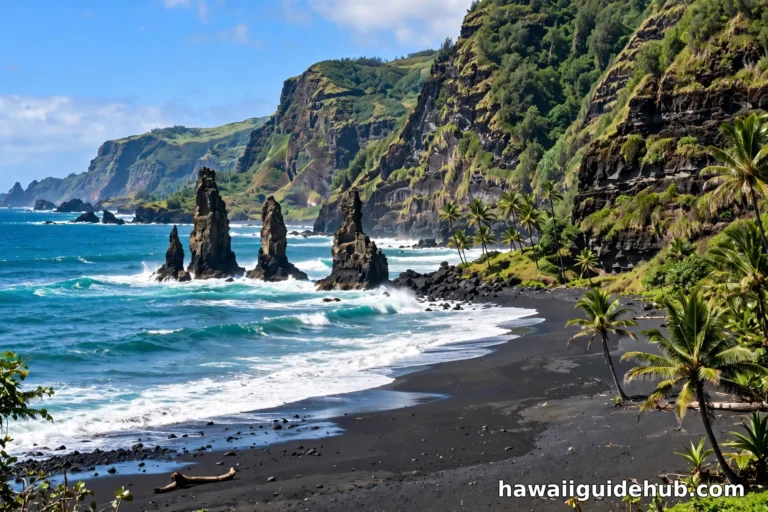
A day trip to Hana means 10 to 12 hours of driving with stops squeezed between. You arrive at the famous sights when everyone else does, and you drive the winding road back as the light fades. Staying overnight flips the script. You can leave Paia after breakfast instead of before dawn, stop wherever catches your eye, and arrive in Hana with the afternoon free. The next morning, you wake up near Waiʻanapanapa’s black sand beach and Hamoa Beach before the day-trippers arrive, then continue past Hana to the Kipahulu District of Haleakalā National Park for the Pipiwai Trail and Waimoku Falls.
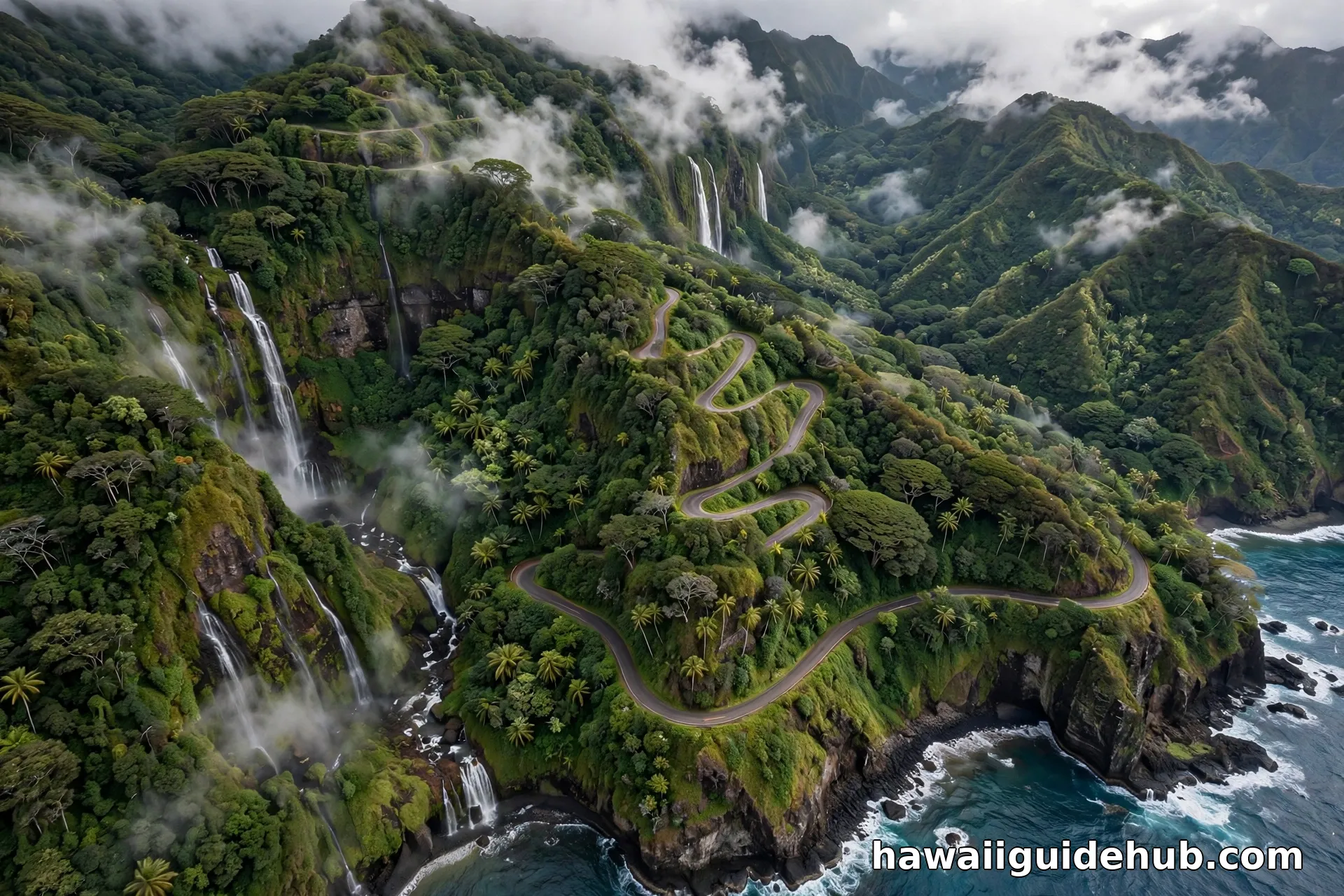
Night is Hana’s secret season. With almost no light pollution, the stars over Hana Bay are extraordinary, and the only sounds are surf and rain on leaves. Morning brings mist on the pastures and empty beaches. Travelers who only day-trip never see any of this. One night is enough to change the whole character of the journey; two nights lets you truly unwind into Hana time, where the clock matters less and the rain decides the schedule.
Hana’s Resort: Hana-Maui Resort
The town’s landmark stay is Hana-Maui Resort, formerly Travaasa Hana and before that the Hotel Hana Maui, now managed by Hyatt under its Destination Hotels brand. Set on a 72-acre property above Hana Bay, it has about 75 rooms, suites, and cottages, two dining options, pools, a spa, and a yoga pavilion. It is the closest thing Hana has to a full-service resort, and its peaceful, screen-free atmosphere (rooms famously skip TVs) matches the town’s slow rhythm. It is also the priciest option in Hana, so book early and expect rates well above west Maui norms. For more Maui planning, see 10 reasons to visit Maui and the best places to visit in Maui this winter.
Vacation Rentals and B&Bs: The Most Common Choice
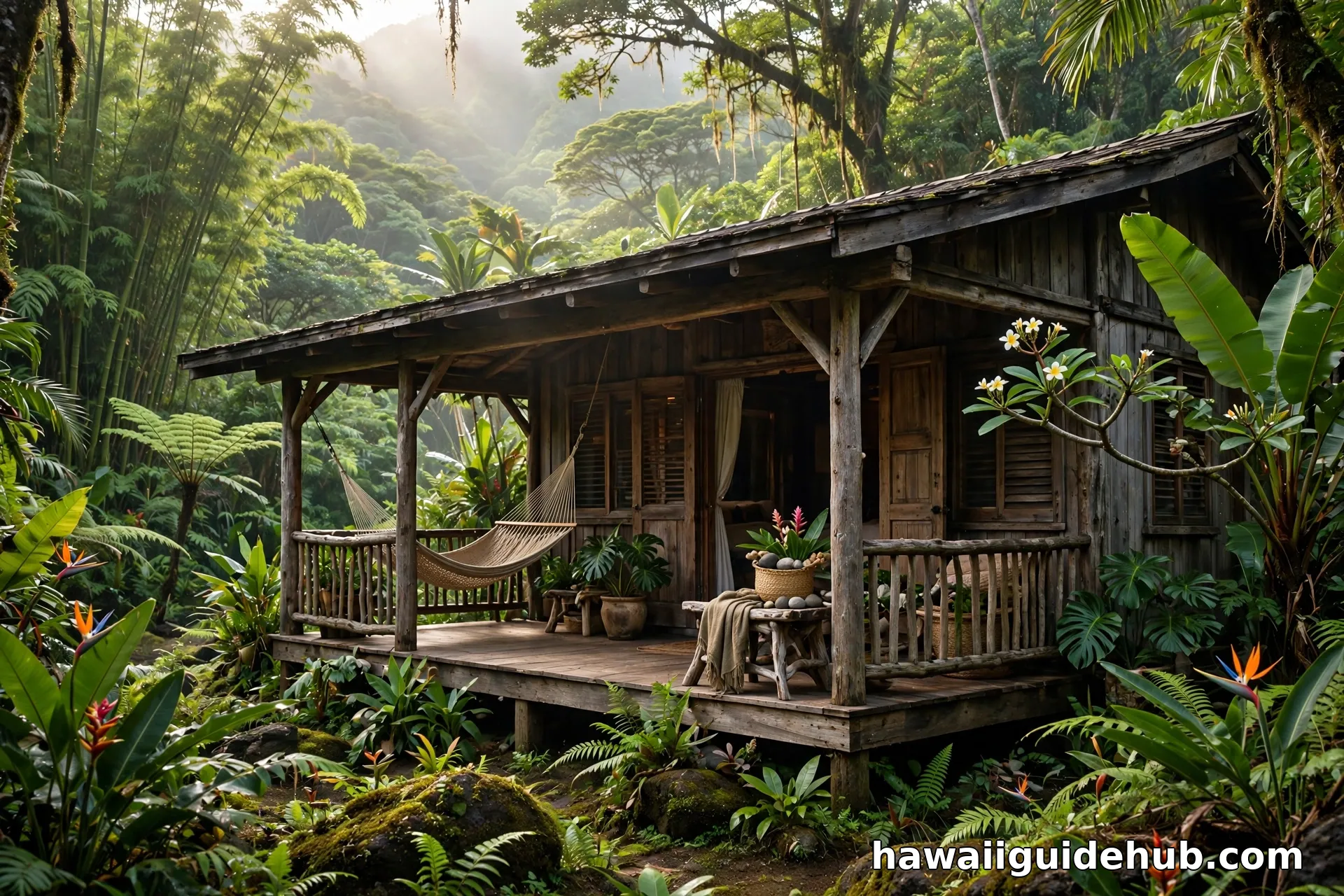
Most overnight visitors stay in vacation rentals, cottages, and bed and breakfasts. Hana Kai Maui offers oceanfront vacation condos right on Hana Bay. Scattered along the highway and around town are privately owned cottages and B&Bs like Heavenly Hana Paradise, ranging from simple studios to luxury oceanfront cottages. These fill up fast in peak season, so reserve as early as you can. Many Hana rentals have two or three night minimums, which is another good reason to plan the overnight as a real stay rather than a quick stop. Always confirm the rental holds a valid Maui County permit, and read recent reviews: Hana’s remoteness means maintenance and communication vary more than at big resorts.
Camping: Waiʻanapanapa State Park
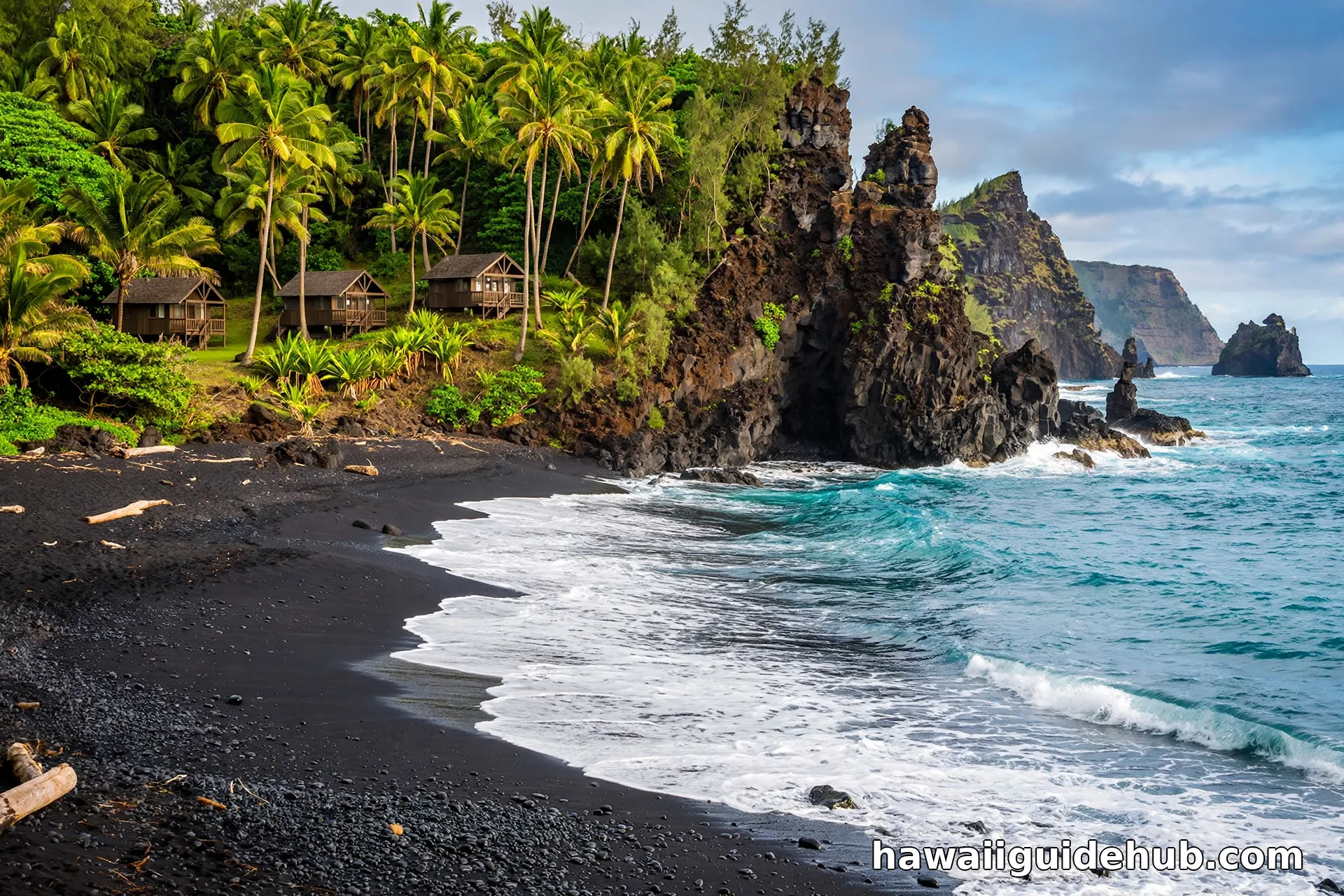
The most adventurous lodging on the Road to Hana is also one of the cheapest. Waiʻanapanapa State Park, at mile marker 32 near Hana, offers 12 rustic cabins that sleep up to 6 guests each, plus tent camping. Cabins have beds, a refrigerator, and basic kitchen gear but no linens or towels, and cost roughly $100 a night for non-residents. Reservations are required and must be made in advance at gostateparks.hawaii.gov; cabins book up quickly. Note that day-use entry to the park also requires a reservation with a timed entry slot, so plan that separately if you visit without camping.
A Sample 2-Day Road to Hana Itinerary
Day one: leave Paia by 8 or 9 in the morning and take your time. Stop at Twin Falls, the Keʻanae Peninsula for banana bread, and the rainbow eucalyptus trees. Reach Waiʻanapanapa by mid-afternoon for the black sand beach, then check into your Hana lodging before dinner. Day two: wake early and walk Hana Bay or Hamoa Beach while the day-trippers are still hours away. Then drive past Hana to the Kipahulu District of Haleakalā National Park for the Pipiwai Trail through the bamboo forest to 400-foot Waimoku Falls. Head back west in the afternoon, stopping at anything you skipped on day one. Two full days turn the long winding road from a rushed marathon into a true vacation.
Staying Outside Hana: Paia, Haiku, and Kipahulu
You do not have to sleep in Hana town itself. Paia and Haiku, on the road’s western end, make good bases for starting the drive early, with more restaurants and shops than Hana. Past Hana, the Kipahulu area near Haleakalā National Park has a few rentals and puts you first in line for the Pipiwai Trail at sunrise. Continuing the full loop around the back side of Haleakala to Upcountry is possible but the road is rough, narrow, and often discouraged by rental car agreements, so most visitors return the way they came.
Where to Eat in Hana
Hana’s dining scene is small but characterful. The Hana Farms roadside stand sells pizza and banana bread. Food trucks near town serve Thai food, tacos, and BBQ. At Koki Beach, the famous Huli Huli chicken stand grills over kiawe wood on weekends. Hana’s small markets stock groceries and plate lunches, but everything costs more than in Kahului and hours are limited. If your rental has a kitchen, plan at least one home-cooked dinner: eating on a lanai in Hana with the coqui frogs starting up is one of the island’s great simple pleasures.
What to Know Before You Book
Hana is remote, and that shapes every stay. Stock up on groceries, snacks, and gas in Paia or Kahului before you go; Hana has a couple of small markets but limited hours and higher prices. Cell service is spotty along the road, so download offline maps. Most rentals have kitchens, which matters because Hana’s restaurant options are few and close early. Pack rain gear and bug spray no matter the season: this is one of the wettest parts of Hawaii. And fill your tank. There are no gas stations between Paia and Hana.
Timing matters too. Winter brings bigger surf and more rain to the east side, while summer is drier. Either way, the road can close temporarily for landslides or construction, so check conditions before you drive. For seasonal advice, see when it rains in Hawaii.
What to Pack for an Overnight in Hana
Pack like Hana is the countryside it is. Bring groceries and drinking water, a cooler for the road, reef-safe sunscreen, and bug spray. Rain gear is essential year-round. If you are camping or staying in a cabin, add linens, towels, cooking basics, and a flashlight. Download offline maps and entertainment before you lose signal past Paia. And bring cash: some roadside stands and smaller vendors do not take cards.
Hana for Honeymoons and Quiet Getaways
Hana has long been a honeymoon hideaway, and it is easy to see why: no crowds, no nightlife noise, just rainforest, ocean, and each other. The resort and the nicer oceanfront cottages cater to couples with private lanais, outdoor showers, and sunrise views. If you want a few days of your Maui trip to feel like a true escape, spend them here rather than adding another resort day in Wailea.
How Much Does It Cost to Stay in Hana?
Hana is not a budget destination, but it is not outrageous either. Waiʻanapanapa cabins run roughly $100 a night for non-residents, making them the cheapest roofed option. Vacation rentals and B&Bs typically range from a couple hundred dollars a night for simple studios to much more for oceanfront cottages. Hana-Maui Resort is the splurge, with rates several times higher. Whatever you choose, book early: Hana has a tiny inventory, and the best places sell out months ahead in winter and summer.
Driving Tips for the Road
The road rewards patience and punishes hurry. Pull over to let locals pass; they drive this road daily and will stack up behind you. Honk gently before blind curves. Yield on one-lane bridges: the car already on the bridge has the right of way. Never stop or park on bridges, and only park in designated pullouts. Respect private property and no-trespassing signs: many waterfalls sit on private land, and the road passes through real neighborhoods, not a theme park. Start your return drive with plenty of daylight left, and never attempt the drive in heavy rain, when flash flooding and falling rocks become real dangers.
Video: Road to Hana With an Overnight Stay
Waterfalls, the black sand beach, and what an overnight stay in Hana actually looks like.
Frequently Asked Questions
Should you stay overnight on the Road to Hana?
If you can, yes. An overnight stay lets you beat the day-trip crowds, see Kipahulu and the Pipiwai Trail without rushing, and avoid driving the winding road back in the dark.
What is the main hotel in Hana?
Hana-Maui Resort, formerly Travaasa Hana, managed by Hyatt. It sits on 72 acres above Hana Bay with about 75 rooms, suites, and cottages.
Can you camp on the Road to Hana?
Yes. Waiʻanapanapa State Park offers 12 rustic cabins sleeping up to 6 and tent camping, with reservations required at gostateparks.hawaii.gov. Book well ahead.
How long is the Road to Hana?
About 64 miles from Kahului to Hana, with roughly 600 curves and more than 50 one-lane bridges. Allow 2 to 4 hours of driving each way, plus stops.
Is there gas on the Road to Hana?
No. Fill up in Paia or Kahului before you go. There are no gas stations between Paia and Hana.
Is the Road to Hana worth doing in one day?
It can be done, but it means 10 to 12 hours with rushed stops and a tiring drive back. An overnight stay is strongly recommended if your schedule allows it.
Are there restaurants in Hana?
A few: food trucks, the Hana Farms stand, small markets, and the resort restaurants. Options are limited and close early, so stock up on groceries before you arrive.
Can you do the Road to Hana as a loop?
The road continues past Kipahulu around the back side of Haleakala, but that section is rough, narrow, and often excluded by rental car agreements. Most visitors drive back the way they came.
When is the best time to drive the Road to Hana?
Start early in the morning to beat crowds and afternoon clouds. Summer is generally drier on the east side. Avoid driving in heavy rain due to flash flood and rockfall risk.
Sleeping in Hana is the difference between surviving the Road to Hana and savoring it. Wake up to mist on the bay, walk a black sand beach with no one else on it, and take the back half of the journey at the pace it deserves. The road will still be winding on the way home, but you will not mind nearly as much. That is the real secret of Hana: the slower you go, the more of it you get to keep.