Is It Safe to Fly to Hawaii Right Now?

Yes, it is safe to fly to Hawaii right now. Commercial flights to the islands are operating normally, there are no federal travel restrictions on Hawaii, and the islands are welcoming visitors. That is the short answer most travelers are looking for. But “right now” is doing a lot of work in that question, because Hawaii’s safety picture changes with the seasons, the weather, and volcanic activity. A smart traveler checks the current conditions rather than assuming every week is the same.
This is the single complete guide to whether it is safe to fly to Hawaii right now. It covers the current state of flights, the official sources to check before you book, hurricane season and what it means for your trip, vog and volcanic activity, ocean and weather hazards, when Hawaii’s off season falls, essential advice for first-time visitors, family considerations, and what to do if conditions change. Everything about flying to Hawaii safely is answered on this one page.
The Short Answer: Flights Are Operating Normally
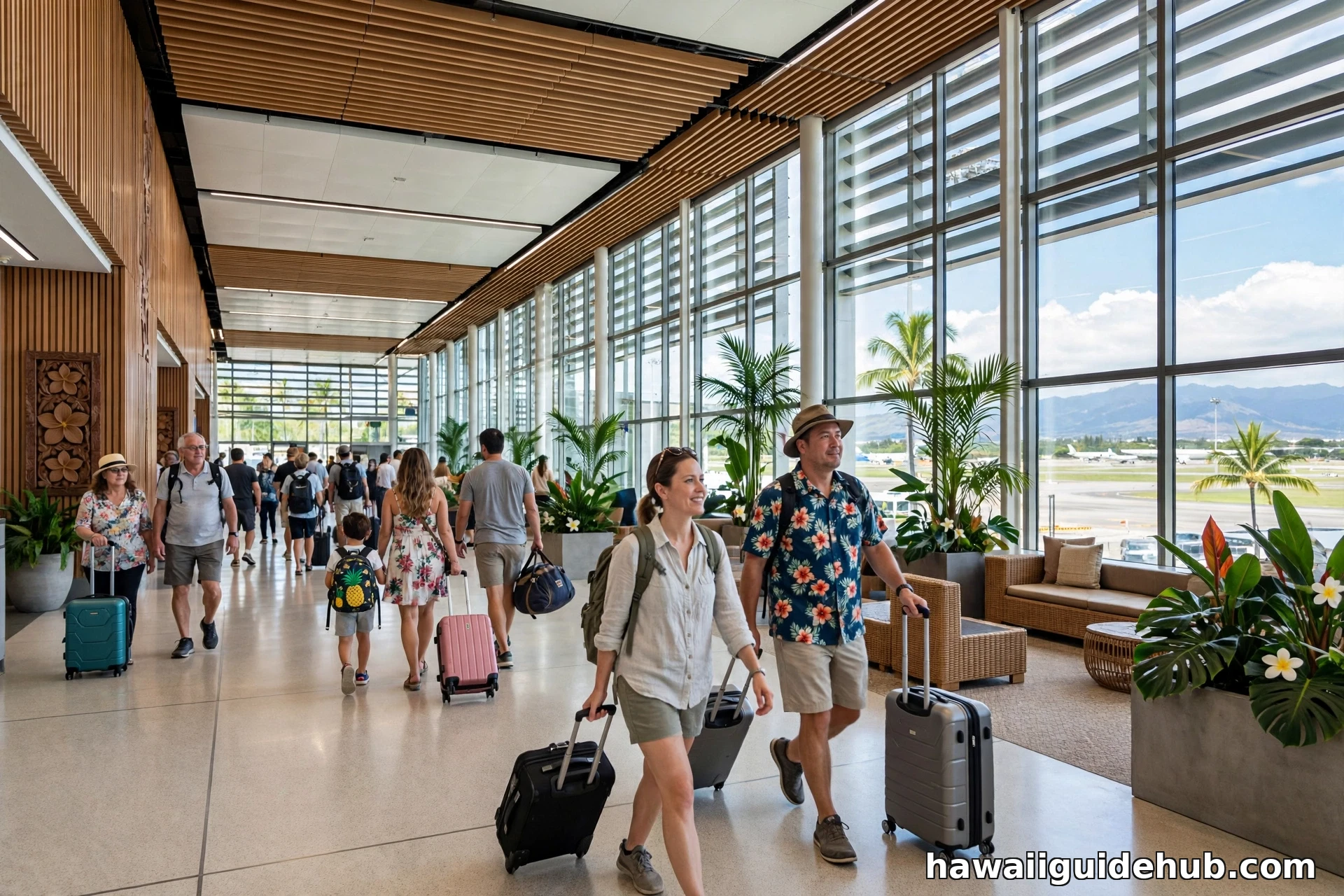
There are no FAA ground stops, no federal no-fly advisories, and no entry requirements standing between you and a Hawaiian vacation. Airlines fly to Honolulu, Kahului, Kona, and Lihue every day of the year, and Hawaii’s airports are among the most routine operations in the American aviation system. If you are asking whether the act of flying to Hawaii is safe, the answer is the same as it is for any domestic US flight: commercial aviation remains the safest way to travel.
The real question behind the question is usually about conditions on the ground. Will a hurricane disrupt my trip? Is the volcano a problem? Is the ocean dangerous this week? Those answers change, which is why this guide focuses on how to check current conditions and what the recurring seasonal risks look like.
Official Sources to Check Before You Fly
Before booking and again in the week before departure, check these official sources. They are the authorities, not travel blogs or social media rumors.
- FAA (faa.gov): for any airspace or airport advisories affecting Hawaiian airports.
- NOAA Central Pacific Hurricane Center: for tropical storm and hurricane watches in Hawaiian waters. Hurricane season runs June 1 through November 30.
- National Weather Service Honolulu: for island-by-island forecasts, high surf advisories, and flash flood watches.
- Hawaii Emergency Management Agency (HI-EMA): for emergency alerts and disaster preparedness information.
- USGS Hawaiian Volcano Observatory: for the current status of Kilauea and Mauna Loa on the Big Island.
- Hawaii Tourism Authority: for visitor alerts and island-by-island travel updates.
A two-minute check of the hurricane center and the weather service before you leave home tells you more than a hundred forum threads. Make it a habit, especially if you are traveling between June and November.
Hurricane Season: The Main Seasonal Risk
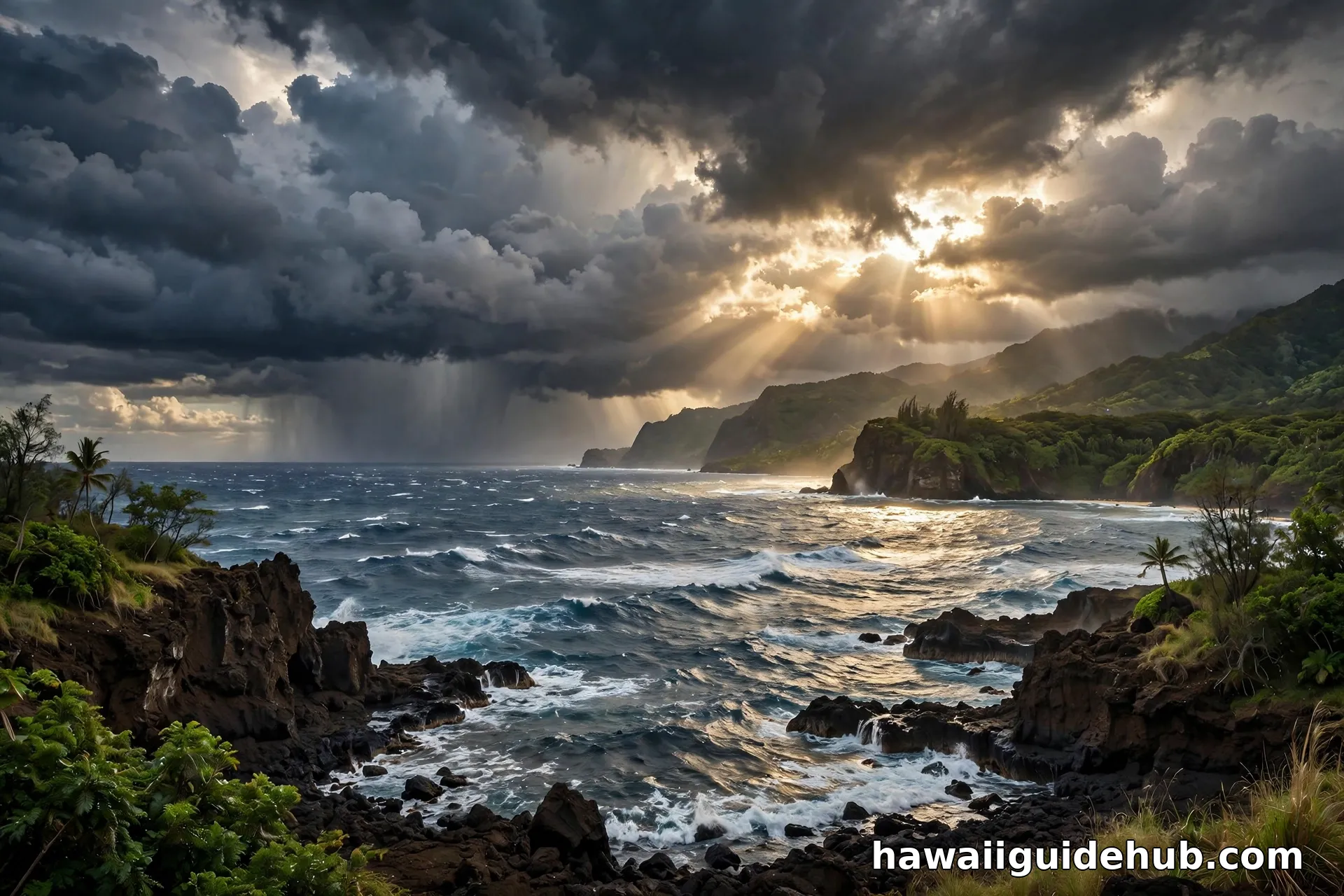
The Central Pacific hurricane season runs from June 1 to November 30 each year, according to NOAA. Most tropical systems pass south or west of the islands without effect, but every few years one comes close enough to matter. In August 2026, for example, Tropical Storm Lala prompted the FAA to warn travelers of possible flight delays and cancellations to Hawaii, and in September 2026 Hurricane Lowell sent damaging surf into Kauai’s Poipu coast. Neither event stopped travel to Hawaii broadly, but both disrupted individual trips.
What this means for you: if you travel during hurricane season, buy travel insurance that covers weather disruptions, keep your airline’s app on your phone with notifications enabled, and build a flexible first and last day into your itinerary. If a storm threatens while you are there, follow the instructions of the Hawaii Emergency Management Agency and your hotel. Evacuation orders in Hawaii are rare, but flash flood watches and high surf advisories are common, and they deserve respect.
Vog and Volcanic Activity
Hawaii’s volcanoes are active, monitored, and localized. Kilauea on the Big Island erupts periodically, and its activity is tracked around the clock by the USGS Hawaiian Volcano Observatory. Eruptions are confined to Hawaii Volcanoes National Park, far from the resort areas of the Big Island’s west coast and thousands of miles from the other islands’ tourism centers.
The one volcano-related factor that can reach visitors is vog, the volcanic smog created when sulfur dioxide reacts with sunlight and moisture. Vog can irritate eyes and lungs, and it bothers people with asthma or other respiratory conditions most. The Hawaii Department of Health issues vog advisories when concentrations rise. If you have a respiratory condition, check the vog forecast before visiting the Big Island, and consider spending more of your trip upwind on the Kohala coast. For most healthy visitors, vog is a minor haze, not a health emergency.
Ocean Safety: Hawaii’s Biggest Real Hazard
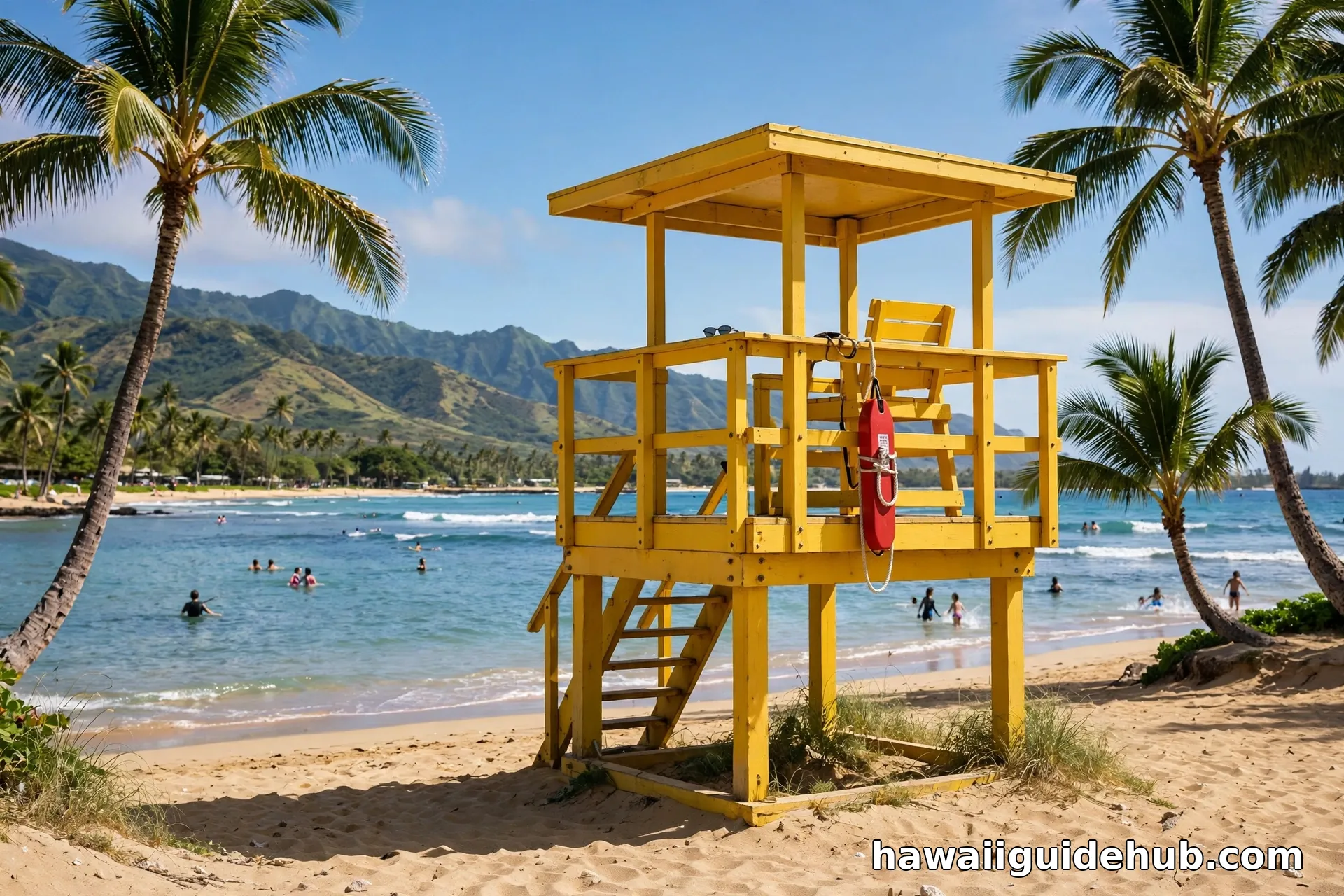
Statistically, the ocean is the greatest safety risk to Hawaii visitors, not flights or volcanoes. Drowning, often involving visitors unfamiliar with local conditions, is the leading cause of tourist fatalities in Hawaii. The ocean demands more respect than most first-timers expect.
The rules that keep you alive: swim only at lifeguarded beaches, and ask the lifeguard about conditions before entering the water. Never turn your back on the ocean. Do not swim alone. Respect warning signs and flag systems; a beach closed for high surf is closed for a reason. Winter brings powerful surf to north-facing shores, while summer is calmer there and rougher on south shores. If in doubt, stay out. Snorkeling with a buddy, wearing reef-safe sunscreen, and staying hydrated round out the basics.
When Is the Off Season for Hawaii?
Hawaii has two shoulder seasons when crowds thin and prices drop: mid-April through early June, and September through mid-December. The absolute quietest stretch is usually September through early November, after summer travelers leave and before the winter holiday rush. These months often bring the cheapest airfares and hotel rates of the year, which is why budget travelers target them. For a deeper breakdown of costs by month, see our guide on the cheapest time of year to visit Hawaii.
The tradeoff is weather. The fall shoulder overlaps with hurricane season, which runs through November 30, and winter swells start building on north shores. Spring shoulder season, from mid-April to early June, is the sweet spot for many travelers: pleasant weather, manageable crowds, lower prices, and hurricane season not yet started. Whale season winds down in April and May, so late spring visitors may still catch the tail end of it.
Peak season runs from mid-December through March, when winter weather on the mainland drives visitors to the islands, and again in summer from June through August, when families travel. Expect higher prices, fuller beaches, and earlier sellouts for tours and restaurants during these windows.
First Time Visit to Hawaii: Essential Advice
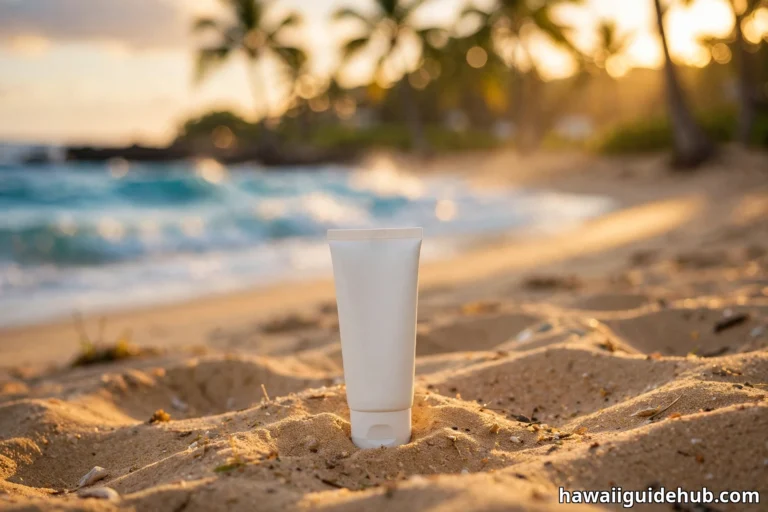
If this is your first trip to Hawaii, a few local rules and customs will keep you safe and welcome. First, the sunscreen law: Hawaii prohibits the sale of sunscreens containing oxybenzone and octinoxate, chemicals linked to coral reef damage. Buy reef-safe sunscreen before you go or after you arrive; your skin and the reefs both benefit.
Second, wildlife is protected by serious law. Hawaiian green sea turtles and Hawaiian monk seals are protected under federal law, and touching, chasing, or harassing them can bring heavy fines. Give turtles at least ten feet of space and seals at least fifty. If a seal is resting on the beach, it is doing exactly what it is supposed to do. Leave it alone.
Third, respect closures. Trails, beaches, and parks close for real reasons: flash floods, falling rocks, dangerous surf, or cultural protection. Entering a closed state park in Hawaii can carry fines and even jail time. Fourth, drive with aloha. The islands’ roads are narrow, parking is tight, and rushing helps no one. Finally, learn a little before you go. Our guide to the best island in Hawaii for first-time visitors will help you pick the right home base for your trip.
Family and Accessibility Considerations
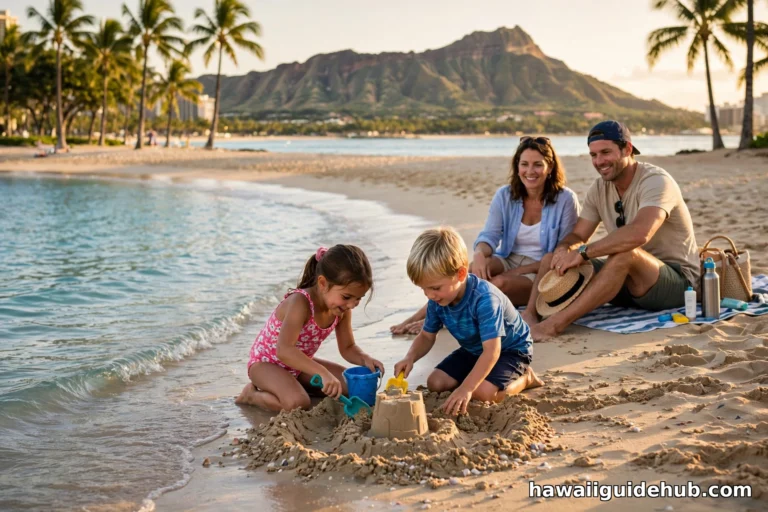
Hawaii is an easy family destination, but a few preparations matter. Sun protection for kids needs to be relentless: the tropical sun burns faster than most mainland visitors expect, and shade is not always available. Bring more water than you think you need for hikes, even short ones. Choose beaches with lifeguards and gentle entries for young swimmers, and keep children within arm’s reach near any water, including resort pools.
For travelers with accessibility needs, Hawaii’s major resorts, airports, and many state parks offer accessible facilities, but older coastal sites and trails can be uneven. Check specific accessibility details with the venue before visiting. Travelers with medical conditions should note that inter-island travel is by air, and specialized medical care is concentrated in Honolulu. Carry medications in your carry-on, not checked luggage. For activity ideas that work across ages, browse our family-friendly activities in Hawaii.
Rental Cars, Roads, and Belongings
Road safety in Hawaii comes down to narrow roads, sudden rain, and unfamiliar terrain. Slow down on wet pavement, never stop in the road for photos, and use designated pullouts. Flash flooding can close roads with little warning during heavy rain, so check conditions before driving remote routes like the Road to Hana or Waimea Canyon. As for belongings, never leave valuables visible in a rental car, especially at trailheads and beaches. Break-ins are the most common crime affecting visitors, and an empty-looking car is rarely targeted.
What to Do If Conditions Change During Your Trip
Have a backup plan before you need one. Keep one flexible day in your itinerary with no prepaid tours, so a storm day costs you nothing. Know where your hotel’s emergency information is posted. Sign up for local emergency alerts on arrival; the HI-EMA system can push warnings to your phone. If your flight is canceled, rebook through the airline’s app rather than standing in the airport line, and contact your travel insurance provider the same day.
Most disruptions are inconveniences, not emergencies. A high surf advisory means you move your beach day to a sheltered cove. A voggy day means you tour the dry side of the island instead. Hawaii rewards flexible travelers, and the islands have enough to do that a shifted plan rarely ruins a trip.
Watch: Should You Visit Hawaii Right Now?
Frequently Asked Questions
Are there any travel restrictions for flying to Hawaii?
No. There are no federal travel restrictions, testing requirements, or quarantine rules for domestic travelers flying to Hawaii. International travelers follow standard US federal entry requirements.
Is hurricane season a reason to cancel a Hawaii trip?
Usually not. Most tropical systems miss the islands entirely, and even near misses typically mean a day or two of rough weather rather than a ruined trip. Buy travel insurance, watch the NOAA Central Pacific Hurricane Center forecasts, and keep your plans flexible.
Is the volcano dangerous for visitors?
For the vast majority of visitors, no. Eruptions are confined to Hawaii Volcanoes National Park and monitored constantly by the USGS. Vog can irritate sensitive lungs, so travelers with respiratory conditions should check the Hawaii Department of Health advisories.
What is the safest island to visit in Hawaii?
All four major islands are safe for visitors. Safety differences come down to activities and conditions, not islands. Choose your island based on what you want to do, and follow ocean and weather guidance wherever you are.
Do I need travel insurance for Hawaii?
It is strongly recommended, especially for hurricane-season travel from June through November. A good policy covers trip cancellation, interruption for weather, and medical evacuation, which matters on islands where specialized care may require air transport.
Flying to Hawaii right now is safe, and the islands are open and welcoming visitors. The risks worth your attention are the recurring, manageable ones: hurricane season timing, ocean conditions, vog if you are sensitive, and the everyday discipline of sun protection and respectful behavior. Check the official sources before you book and before you board, buy the insurance, pack the reef-safe sunscreen, and you will be set for a safe trip. Hawaii has been welcoming travelers for generations; with a little preparation, your visit will be memorable for the right reasons.