The Best Time to Visit Maui

Maui rarely has a bad month. The island sits in the tropics, the ocean stays swimmable all year, and even the rainiest weeks on the windward side come with sunshine on the leeward beaches. Still, the difference between visiting in February and visiting in September is real. Whales arrive and leave, prices swing by hundreds of dollars a night, and the surf that makes a south shore beach perfect in August can make a north shore beach dangerous in January. Picking the best time to visit Maui comes down to what you want from the trip.
This guide breaks down Maui by season and by month, using long-term climate data from the National Weather Service station at Kahului, so you can match your travel dates to your priorities: calm snorkeling water, whale sightings, lower prices, or the driest possible weather for the Road to Hāna.
Maui Weather at a Glance
Maui has two seasons rather than four. Summer, roughly May through October, runs warmer and drier. Winter, roughly November through April, runs slightly cooler and wetter. The swings are gentle by mainland standards. At Kahului, on the central valley side of the island, average highs move between about 81°F in the winter months and 88°F in late summer, while average lows range from the low 60s in winter to the low 70s in summer, according to National Weather Service 1991 to 2020 normals.
Rainfall follows a clearer pattern. The wettest months at Kahului are December through March, averaging roughly two to three and a half inches per month. The driest stretch runs from May through September, when some months see less than half an inch. But Kahului sits in the island’s central valley, and Maui’s weather changes dramatically across short distances. The resort coasts of West Maui and South Maui, around Kāʻanapali, Lahaina, Wailea, and Kīhei, sit in the rain shadow and stay sunny most days of the year. Hāna and the windward east side can receive many times more rain than the leeward beaches on the same day.
That split matters more than the calendar for daily planning. A rainy forecast for “Maui” often means rain in Hāna and sunshine in Wailea. Check microclimate forecasts for the specific side of the island where you plan to spend the day, not just the island-wide outlook. Elevation adds another layer: the summit of Haleakalā can be 30 degrees cooler than the beach towns below it, so a single day can span beach weather and jacket weather if your itinerary climbs the volcano.
The Best Months to Visit Maui Overall
If you want the easiest answer, aim for the shoulder seasons: mid-April through May, and September through mid-October. These windows combine the best of both worlds. Temperatures sit in the comfortable mid-80s, rainfall is low, the ocean is warm and generally calm, and the peak-season crowds have thinned. Hotel rates drop noticeably compared to winter, and you will have an easier time booking restaurants, activities, and rental cars.
April and May are especially pleasant. Winter swells have faded on the north-facing shores, the trade winds settle into a pleasant rhythm, and island vegetation is still green from the winter rains. September and October bring the warmest ocean water of the year, often touching 80°F, and some of the calmest snorkeling conditions on the south and west coasts.
The trade-off is that you will miss whale season, which winds down in April. If seeing humpbacks is a priority, the shoulder months are not the right call. For everything else, they are hard to beat.
Whale Season: December Through April
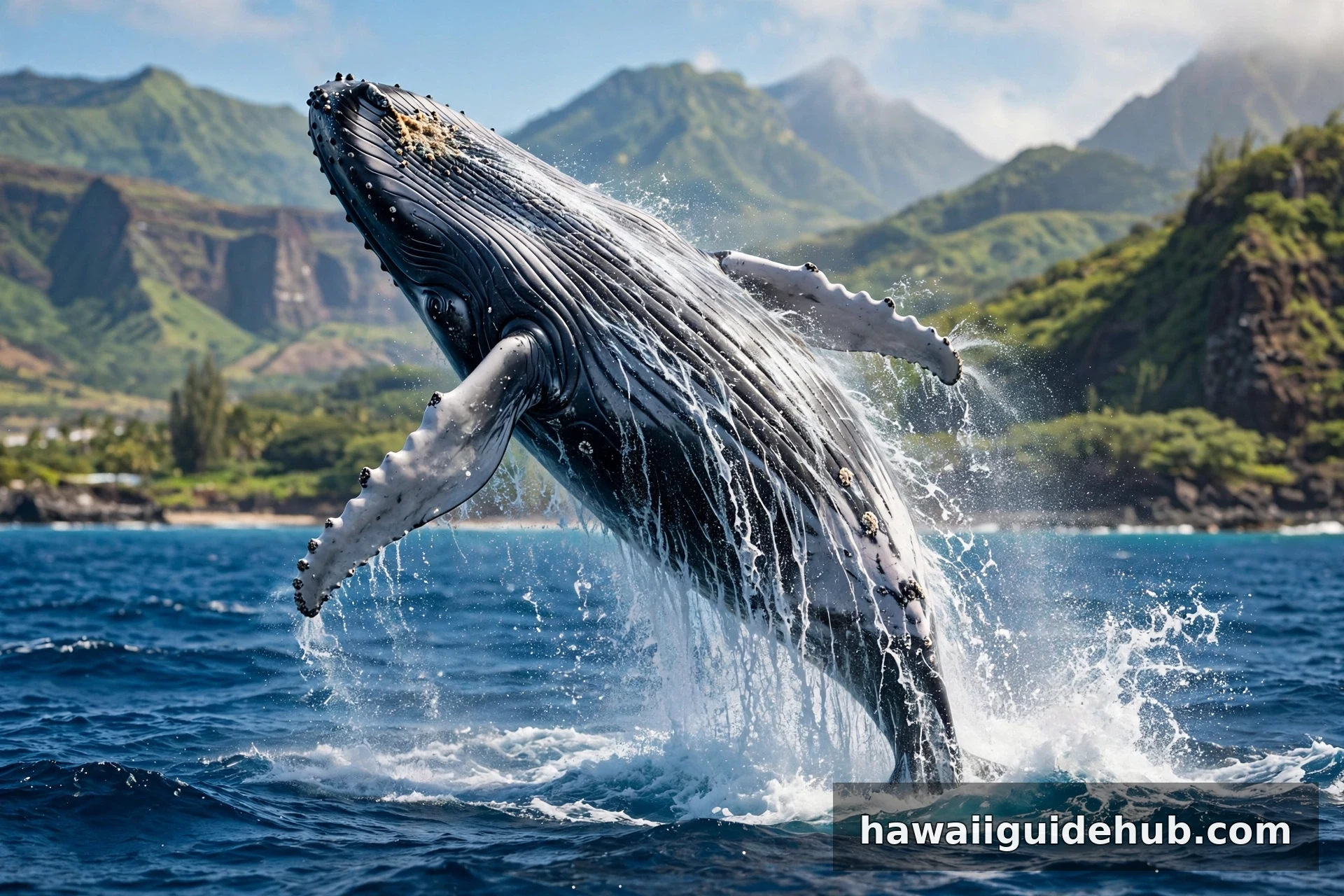
Maui is the best island in Hawaiʻi for whale watching, and winter is the reason. Every year, thousands of North Pacific humpback whales migrate from Alaska to the warm, shallow waters around the islands to breed and calve. NOAA considers Hawaiʻi’s humpback season to run roughly November through May, with peak numbers from January through March. On Maui, tour operators typically run whale watch trips from mid-December to mid-April, when sightings are most reliable.
The ʻAuʻau Channel between Maui, Lānaʻi, and Molokaʻi is one of the most important humpback breeding areas on earth. The water there is shallow and sheltered, which suits newborn calves, and the whales are famously active: breaching, tail slapping, and escorting newborns close to shore. You can often spot blows and breaches from west and south Maui beaches without getting on a boat at all, though a morning boat trip from Lahaina or Māʻalaea gives you the closest views. Learn more about humpback whale migration to Hawaii before you go.
Whale season overlaps with Maui’s busiest and priciest months. If whales are the main event, book the trip anyway and plan around the crowds. Late March into early April can be a sweet spot: plenty of whales remain, and the holiday crowds have gone home. If you are choosing between islands for winter whale watching, our guide to the best places to visit in Maui this winter covers where to base yourself.
Best Time for Beaches and Snorkeling
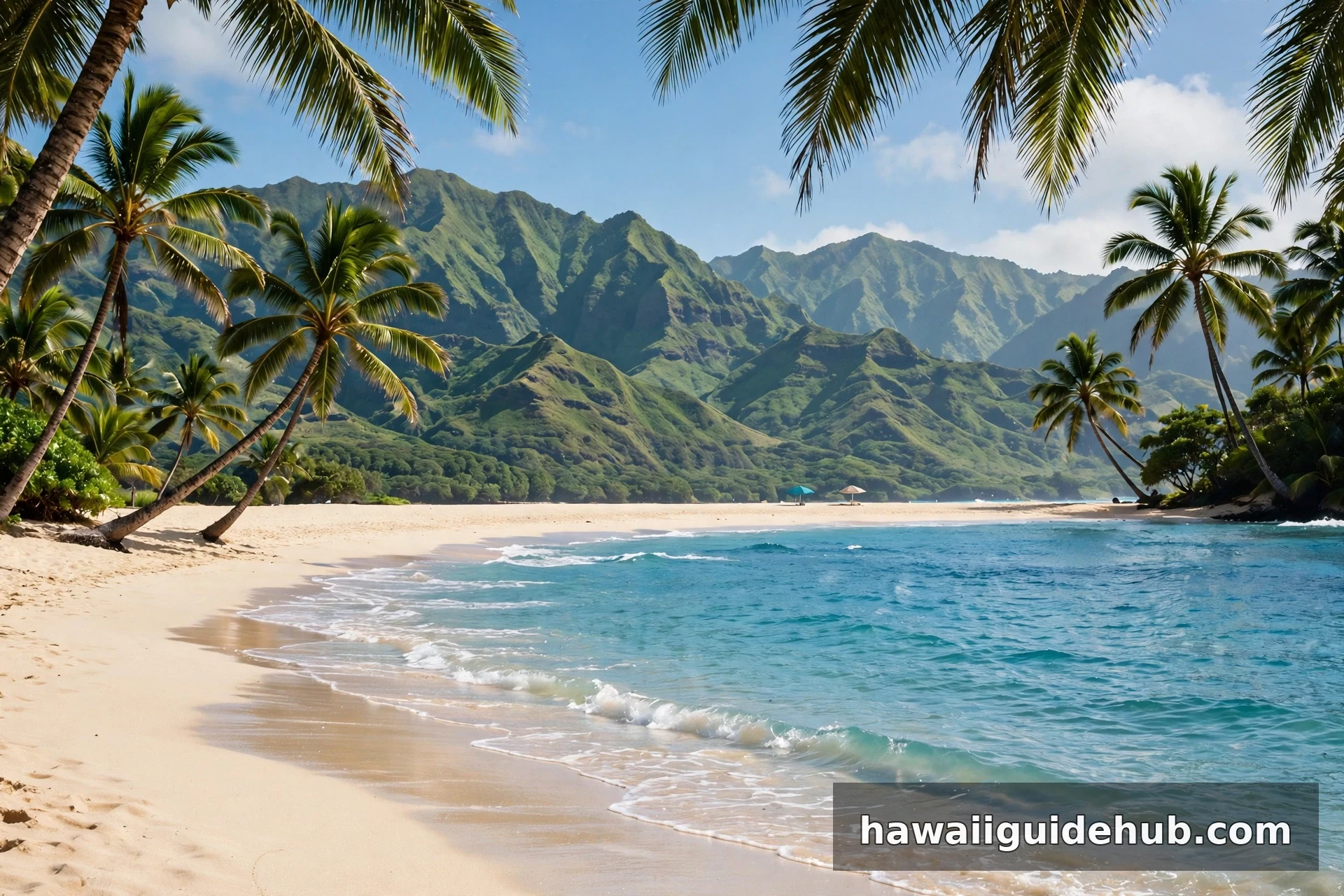
For calm, clear snorkeling water, summer wins. From May through September, the south and west shores of Maui see their gentlest surf. Spots like Kapalua Bay, Honolua Bay, and the reefs off Wailea and Kīhei offer the clearest visibility when the winter swells are gone. Ocean temperatures peak around 80°F in September, so you can stay in the water for hours without a wetsuit.
Winter flips the pattern. North-facing shores like Hoʻokipa and Honolua Bay can see large, powerful surf from October through March, which is spectacular to watch but unsafe for casual swimming. The south and west shores stay swimmable through winter, though the water runs a few degrees cooler and afternoon winds can chop up the surface. If your trip falls in winter, base beach days on the leeward side: Charley Young Beach in Kīhei is a good example of a sheltered south shore spot that stays calm most of the year.
One constant: Maui’s leeward beaches get sunshine on the vast majority of days regardless of month. Rain rarely ruins a beach day on the west or south coast. It might cloud over for an hour, then clear by lunch.
Best Time for Haleakalā Sunrise
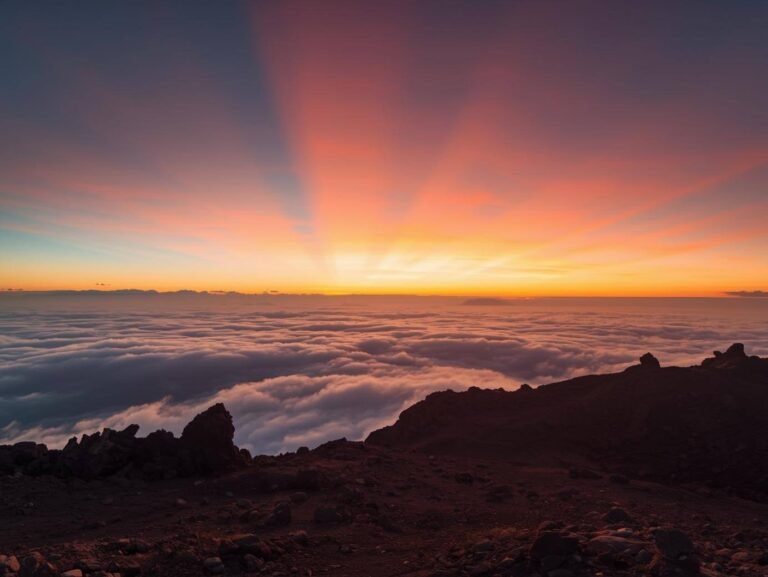
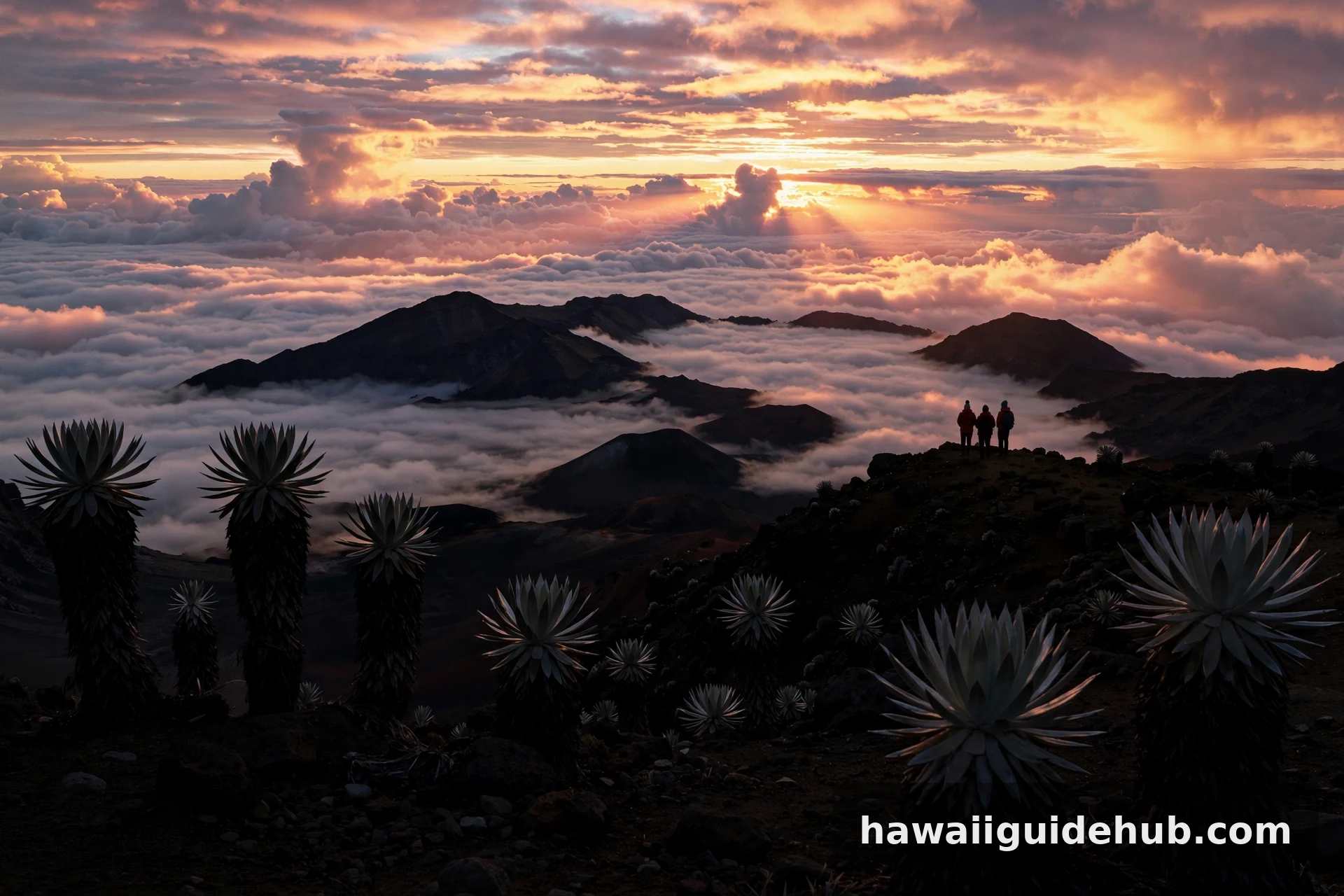
Haleakalā sunrise works year-round, but the experience changes with the seasons. In summer, sunrise comes earlier, around 5:45 to 6:00 a.m., which means a very early wake-up but milder summit temperatures. In winter, sunrise shifts to around 6:45 to 7:00 a.m., a kinder hour, but the 10,023-foot summit gets genuinely cold. Temperatures at the summit can drop into the 30s and low 40s Fahrenheit before dawn in winter, and the wind makes it feel colder. Bring a warm jacket no matter the month; this is the one place on Maui where you will need it.
The practical constraint matters more than the weather. The National Park Service requires an advance reservation for any vehicle entering Haleakalā National Park between 3:00 a.m. and 7:00 a.m. Reservations open on recreation.gov 60 days ahead at 7:00 a.m. HST, with a smaller batch released 48 hours before, and they cost $1 per vehicle on top of the park entrance fee. Summer dates sell out within minutes of release. Winter dates are slightly easier but still require planning. Read our full breakdown of Haleakalā at sunset, which needs no reservation, if the sunrise slots are gone.
Best Time for the Road to Hāna
The Road to Hāna is a rainforest drive, and rain is part of the deal in every month. That said, the drier months from April through September give you the best odds of clear skies at the waterfalls and pools along the route. Winter storms can make the road’s 600-plus curves and one-lane bridges slower and slicker, and heavy rain occasionally closes sections or makes stream crossings unsafe.
Start early regardless of season. The road is far more enjoyable before the midday wave of rental cars, and morning light is better for the coastal viewpoints. If you are visiting in winter, build a backup day into your schedule so a stormy day does not cost you the drive entirely.
Crowds and Prices by Season
Maui’s high season runs from mid-December through March, with a second bump in June and July. Christmas through New Year’s is the single busiest and most expensive stretch of the year. Hotel rates peak, rental cars sell out, and restaurant reservations become essential. Spring break in March adds another surge. If you are traveling in these windows, book flights, lodging, and activities as early as you can.
The quietest and most affordable times are late April through early June and September through mid-November, excluding Thanksgiving week. These shoulder periods can save you hundreds of dollars per night on comparable rooms, and the island simply feels more relaxed. Beaches are less crowded, trailhead parking is easier, and you will spend less time waiting. Rental car prices, which spiked painfully in recent years, also settle back to normal levels outside the peaks.
Thanksgiving week and the Christmas holidays deserve special mention. They are wonderful times to be on Maui, with festive events and perfect beach weather, but they are also the hardest weeks to book and the priciest. If your dates are flexible, the first two weeks of December offer a similar feel with far fewer people and lower prices, and the whales are just arriving.
Hurricane Season: What to Know
The central Pacific hurricane season runs June through November. Direct hurricane strikes on Maui are rare, but tropical systems can bring heavy rain, high surf, and flight disruptions even when they pass well offshore. The practical move is simple: buy travel insurance for any summer or fall trip, and keep an eye on the National Hurricane Center outlooks in the week before you fly. Do not let the season scare you off; the vast majority of summer and fall visitors never see anything worse than a breezy afternoon. If a storm does threaten during your stay, follow the guidance of the National Weather Service Honolulu office and your hotel staff, and never drive through flooded roadways, which is the most common danger tropical systems bring to the islands.
Maui Month by Month
January: Peak whale season begins. Highs near 81°F, wetter than average, biggest crowds and prices of the year alongside February. Book everything early.
February: Best whale watching of the year. Similar weather to January. Valentine’s and Presidents’ Day weekends spike demand.
March: Whales still abundant, crowds ease after spring break. Highs around 81°F, rainfall tapering.
April: Shoulder season starts. Whale numbers thin out by mid-month. Highs near 82°F, drier days, lower prices.
May: One of the best all-around months. Highs near 84°F, very little rain, calm seas, moderate crowds. See why travelers love visiting Maui in spring.
June: Summer season begins. Highs near 86°F, minimal rain, warm ocean. Families arrive as schools let out.
July: Warmest and driest stretch. Highs near 87°F, excellent snorkeling, busy but manageable.
August: Peak summer heat with highs near 88°F. Warmest-feeling water, calmest south shore. Hurricane season is active but direct hits are rare.
September: Shoulder season returns. Highs near 88°F, warmest ocean water of the year around 80°F, thinning crowds.
October: Lovely and quiet. Highs near 87°F, first winter swells arrive on north shores. Good value month.
November: Transition month. Highs near 84°F, rainfall increasing, first whales arriving late in the month. Thanksgiving week is busy and pricey.
December: Whale season proper begins mid-month. Highs near 82°F, wettest stretch with the winter months, holiday crowds and peak prices.
The Bottom Line
There is no single best time to visit Maui, only the best time for your trip. Come in winter for the whales and accept the crowds. Come in April, May, September, or October for the best balance of weather, prices, and elbow room. Come in summer for the calmest snorkeling and the warmest water. Whatever month you choose, aim your beach days at the leeward coasts, book Haleakalā sunrise the moment your reservation window opens, and give the Road to Hāna a dry-season day if you can. Maui rewards visitors in every month; it just rewards them differently.