Why is salinity important to marine life

Do you ever wonder why the ocean has salt in it? Salinity, the saltiness of seawater, is not just a characteristic of the ocean; it is a key factor in marine life that shapes the very fabric of life in the sea. Even relatively small shifts in salinity can stress sensitive organisms and ecosystems, including coral reefs.
This post explores why salinity matters in the ocean: what salinity is, how it is measured, and how it affects everything from the smallest plankton to the biggest whales. Understanding this balance matters, especially as climate change and human activities alter ocean chemistry. By the end, you’ll have a better understanding of this important indicator of ocean health and why these complex marine ecosystems need protection.
What Does Salinity Mean?
The amount of dissolved salts in a body of water is called salinity. Ocean water is a complex mixture of minerals and salts washed from rocks on land and carried to the sea by rivers over millions of years. Sodium chloride (table salt) is the most common salt in the ocean, but magnesium, sulfate, and calcium ions are also present.
Salinity is typically expressed in parts per thousand (ppt); oceanographers also use practical salinity units (psu), which are numerically equivalent for most purposes. The average salinity of the open ocean is about 35 ppt, meaning about 35 grams of dissolved salts in every 1,000 grams of seawater. Though this may seem like a small amount, it strongly affects the ocean’s physical and biological properties.
How Do You Measure Salinity?
Scientists measure salinity in several ways, each with a different level of accuracy:
- Refractometers: small, portable tools that measure how much light bends as it passes through a water sample. Because refraction changes with salt content, a refractometer can quickly estimate salinity.
- Hydrometers: instruments that measure water density. A hydrometer floats higher in saltier water because salty water is denser than fresh water.
- Conductivity Meters: among the most accurate tools. These electronic devices measure how well water conducts electricity, which rises with the amount of dissolved salts, and convert that reading into salinity.
- Satellites: missions such as NASA’s Aquarius have measured surface ocean salinity from space by detecting the microwave radiation emitted from the ocean’s surface.
Things That Affect Salinity
Ocean salinity is not uniform across the globe. Several factors change it:
- Evaporation and Rainfall: in warm, dry subtropical regions, high evaporation removes freshwater and leaves salts behind, making the water saltier. In regions with heavy rainfall, the added freshwater dilutes seawater, lowering salinity.
- River Inflow: where large rivers empty into the ocean, they introduce large volumes of freshwater, creating estuaries with significantly lower salinity. The Amazon River, for instance, produces a plume of fresher water that extends hundreds of miles into the Atlantic Ocean.
- Freezing and Melting of Ice: when seawater freezes into sea ice, most of the salt is excluded from the ice, making the surrounding water saltier. When the ice melts, freshwater flows back into the ocean, lowering salinity.
Why Salinity Is Important for Marine Life
Salinity directly affects the biology of marine organisms and the physical dynamics of the entire ocean.
Osmoregulation: The Most Important Balancing Act
One of the greatest challenges for marine life is keeping their internal chemistry stable in salty surroundings. Osmoregulation, the physiological process that maintains the right balance of water and salts in an organism’s body, is how they do it.
- For Fish: marine fish live in water saltier than their body fluids, so they constantly lose water through their skin and gills by osmosis. To compensate, they drink large amounts of seawater, and specialized cells in their gills actively excrete the excess salt. This takes considerable energy, and even small changes in salinity can stress fish.
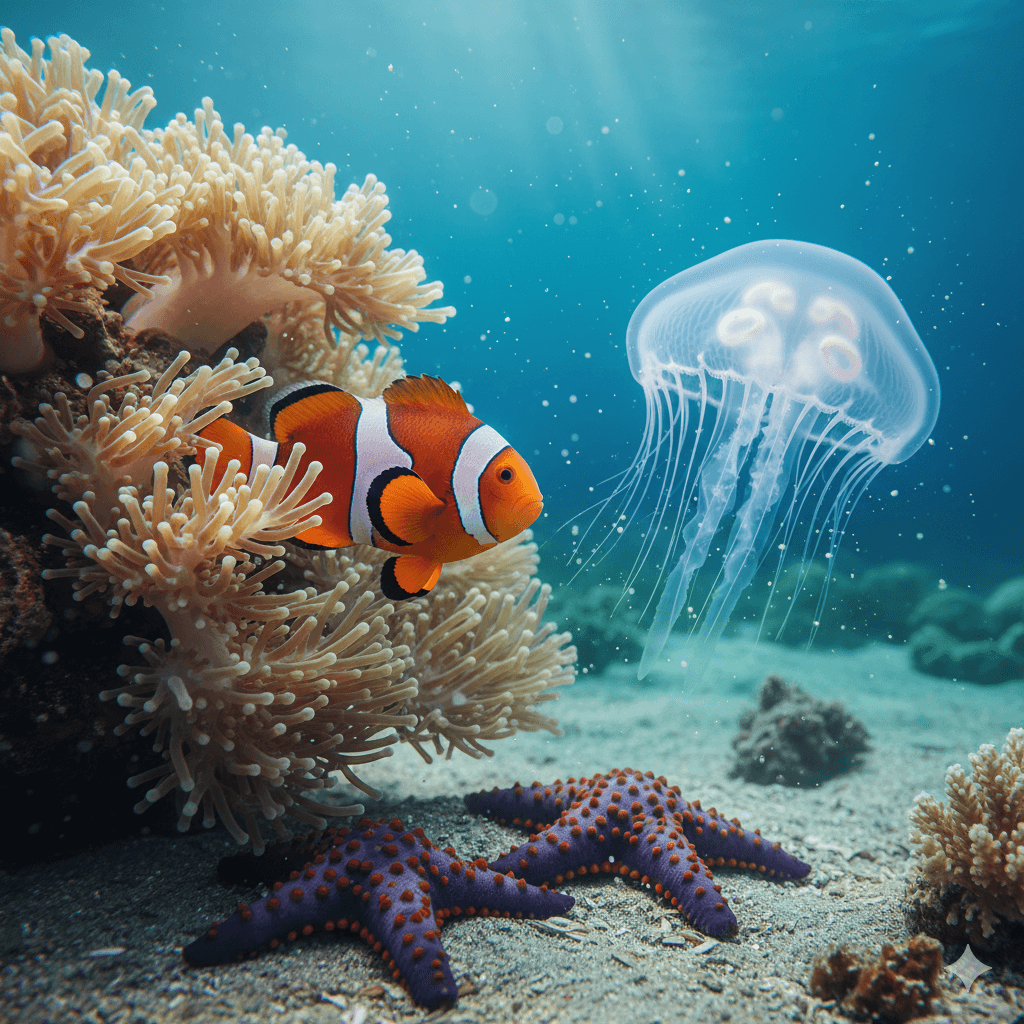
- For Invertebrates: many marine invertebrates, such as jellyfish and sea stars, are osmoconformers: their internal salt concentration matches the surrounding seawater, so they spend little energy on osmoregulation. But this also makes them sensitive to salinity changes. In less salty water, water moves into their cells, which can swell and become damaged.
- For Algae and Marine Plants: kelp and phytoplankton have adaptations that help them cope with salinity. Their cell walls provide structural support, and internal mechanisms help them manage salt levels.
The Fragile Balance of Ocean Ecosystems
Changes in salinity can ripple through entire ecosystems:
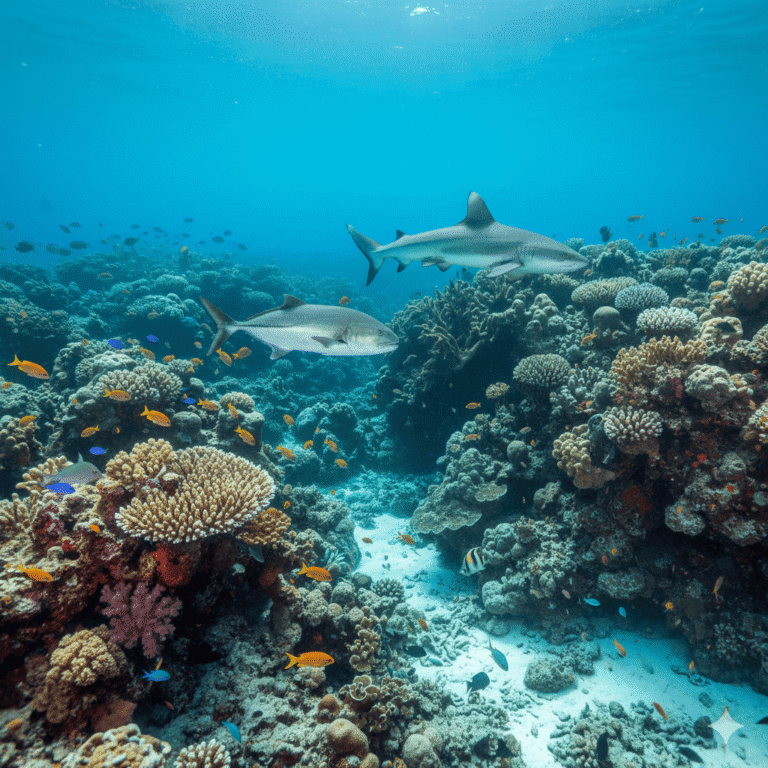
- Coral Reefs: corals are sensitive to changes in their environment, including salinity. A sudden drop in salinity, from heavy rainfall or flood runoff for example, can contribute to coral bleaching, in which corals expel the algae living in their tissues, turn white, and become more vulnerable to disease and death. The stability of coral reefs and their inhabitants depends on this delicate balance.
- Estuaries: these ecosystems where rivers meet the sea experience constantly shifting salinity. Oysters, crabs, and some fish have evolved to tolerate these swings, but prolonged drought or excessive freshwater diversion can shift the salinity balance, harming these species and the fisheries and livelihoods that depend on them.
- Ocean Currents: salinity and temperature are the main drivers of global ocean circulation. The “thermohaline circulation” works like a vast conveyor belt, moving heat around the planet and stabilizing climate. In polar regions, cold, salty water is dense and sinks, driving deep-ocean currents. Large changes in salinity could disrupt this circulation, with far-reaching effects on weather worldwide.
The Future of Marine Life and How Humans Affect It
Human activities are altering ocean salinity, adding stress to marine ecosystems that are already vulnerable.
How Humans Influence Salinity
- Climate Change: warming is accelerating the melting of glaciers and ice sheets, sending large amounts of freshwater into the oceans, especially in the Arctic and Antarctic. This lowers the salinity of surface waters in these regions and can disrupt ocean circulation.
- Coastal Development: building cities, farming, and industry along coastlines can change how freshwater flows. Deforestation and land clearing worsen erosion, sending more sediment and pollutants into the sea, while water-diversion projects can reduce freshwater reaching estuaries.
- Desalination Plants: as freshwater grows scarcer, more coastal communities use desalination. These plants remove salt from seawater to produce freshwater, but they discharge highly concentrated brine back into the ocean, creating localized zones of very high salinity that can harm marine life.
- Ocean Acidification: as the ocean absorbs excess carbon dioxide (CO₂) from the atmosphere, it becomes more acidic. This does not directly change salinity, but it compounds other stressors: corals and shellfish have a harder time building their skeletons and shells in more acidic water, and combined with salinity stress, the effects can be severe.
Why We Need to Protect Marine Life
Protecting marine ecosystems from these threats is not only an environmental issue but a human one. Healthy oceans provide food, help stabilize the climate, and support many economies through fishing and tourism. The web of marine life, from the tiniest plankton that produce oxygen to the biggest whales that store carbon, underpins the health of our planet, and disrupting the delicate balance of salinity puts all of it at risk.
Conservation efforts must focus on reducing our carbon footprint to combat climate change, implementing sustainable land-use practices to protect coastal water quality, and developing stricter regulations for industrial discharges.
Protecting the Ocean’s Delicate Balance
Salinity’s importance to marine life shows how connected Earth’s systems are. The ocean’s saltiness is more than a curiosity; it is an indicator of ocean health and a foundation of marine biodiversity, from the cellular processes of individual organisms to the global climate system.
As research continues to reveal the complexity of our oceans, one thing is clear: protecting them matters. Learning how factors like salinity shape marine ecosystems is a first step. Supporting science-based conservation, reducing pollution and carbon emissions, and making ocean-friendly choices all help keep the seas, and the life within them, resilient.