
How does plastic pollution affect marine life

These days, ocean waves carry more than just salt and seaweed. Every minute, the equivalent of a garbage truck’s worth of plastic enters the ocean — an analogy popularized by a widely cited 2016 analysis of the ocean-plastics crisis. This is one of the most serious environmental problems of our time. Plastic pollution has turned marine ecosystems into underwater graveyards, threatening everything from tiny plankton to huge whales.
This in-depth guide looks at how plastic pollution harms marine life and ecosystems, focusing on the terrible effects it has on ocean plants and animals and offering practical solutions. This analysis will give you the information you need to fully understand this environmental emergency, whether you’re doing research for school or trying to figure out how you can help protect the ocean.
The statistics paint a sobering picture: an estimated 8 million metric tons of plastic waste enter our oceans each year — a widely cited 2015 figure, though more recent research suggests the actual amount may be considerably higher. Marine animals mistake colorful plastic fragments for food or become trapped in discarded fishing nets. It’s not just for school to know about these effects; it’s also important for protecting the ocean ecosystems that support all life on Earth.
Comprehending Plastic Pollution in Marine Ecosystems
Plastic pollution is when plastic objects and particles build up in oceans and other bodies of water, harming wildlife, their habitats, and even people. Plastics can last for hundreds of years in the ocean, breaking down into smaller pieces called microplastics over time. This is not the case with organic materials.
Plastic pollution is now at an all-time high. Research indicates that plastic debris can be found in every corner of our oceans, from the deepest ocean trenches to remote Arctic ice. This pollutant doesn’t just go away; it builds up, making huge garbage patches and contaminating the whole marine food web.
Marine plastic pollution comes in many forms, such as “ghost nets,” which are old fishing gear that has been left behind, and nurdles, which are small plastic pellets used in factories. Each kind of threat is different for marine life, making a complicated web of dangers that scientists are still trying to figure out.
Big Contributors to Plastic Pollution in the Ocean
Pollution Sources on Land
An estimated 80% of plastic pollution in the ocean comes from land-based sources. Rivers are like conveyor belts that move plastic trash straight from cities, farms, and factories to the ocean. Poor waste management systems in coastal areas make this problem much worse. For example, bad recycling systems let plastic waste get into waterways.
When it rains, plastic trash from streets, parking lots, and landfills flows into storm drains that eventually lead to the ocean. A lot of this pollution comes from single-use plastics like shopping bags, food containers, and drink bottles.
Sources of Pollution in the Ocean
Marine industries are responsible for an estimated 20% of the plastic pollution in the ocean through a variety of activities. Lost or thrown away fishing gear, like nets, lines, and traps, creates a lot of plastic waste in the fishing industry. These “ghost nets” keep catching marine life even after they are thrown away, which hurts the environment over and over again.
Shipping activities cause problems like losing cargo by accident, throwing away trash in the wrong way, and spilling plastic pellets during transport. Offshore platforms and ships also make plastic waste as part of their normal operations, which adds to the stress on marine ecosystems.
Industrial Discharge and Manufacturing
Sometimes, factories near the coast dump plastic pellets and pieces directly into the ocean. These industrial sources make small areas of plastic pollution that can destroy marine habitats nearby.
During the production of textiles, synthetic fibers are released, which add microplastics to the environment. Once these tiny particles are released into the ocean, they are very hard to get rid of.
Horrible Effects on Sea Creatures
Marine animals often mistake plastic trash for food, which can cause serious injuries and death. Sea turtles confuse plastic bags with jellyfish, while seabirds mistake colorful plastic fragments for fish or other prey. This case of mistaken identity has terrible effects on marine life.
When animals ingest plastic, it can block their digestive systems, preventing proper nutrient absorption and leading to malnutrition or starvation. Sharp pieces of plastic can cut into internal organs, which can cause bleeding and infection. Studies have found plastic debris in the stomachs of numerous species, from tiny zooplankton to massive whales.
Chemicals added to plastics, like stabilizers and colorants, can seep into the tissues of animals and mess with their hormones and immune systems. These harmful effects can make it harder to have children and make them more susceptible to disease.
Entanglement and Physical Harm
Marine animals can get stuck in old fishing nets, plastic straps, and other trash that is left behind. Plastic waste often gets stuck in seals, dolphins, whales, and sea turtles, which can drown them, hurt them badly, or make it hard for them to eat.
Entanglement often results in deep cuts that become infected, the loss of flippers or limbs, or slow starvation as animals become unable to hunt or move freely. Young animals are especially at risk because they might get stuck while exploring their surroundings or following their parents who are stuck.
Ghost nets keep fishing without care, catching many different kinds of fish and causing problems in the local ecosystem. These nets that have been left behind can last for decades, harming marine life all the time as they break down.
Effects on Different Species
Different marine species face unique challenges from plastic pollution. Baleen whales, which are filter feeders, can ingest large amounts of microplastics along with their food. Seabirds eat plastic pieces that look like fish, which fills their stomachs with stuff they can’t digest and doesn’t give them any nutrition.
Fishing gear and plastic strapping can get caught up in dolphins and seals, which are marine mammals. They are very likely to investigate and get stuck in plastic trash because they are curious and have complicated behaviors.
Filter-feeding species like mussels, oysters, and baleen whales concentrate microplastics from the water column, leading to high plastic loads in their tissues. These levels can hurt their health and how well they filter.
How plastic pollution messes up the food chain in the ocean
Microplastics and Bioaccumulation
As plastic debris breaks down in marine environments, it creates microplastics—particles smaller than 5 millimeters. Small marine animals, like plankton, which are the building blocks of marine food webs, can easily eat these tiny pieces.
Bioaccumulation is the process by which microplastics build up in the tissues of marine organisms and become more concentrated as they move up the food chain. Sharks, tuna, and marine mammals are apex predators that have the most plastic particles and chemicals in their bodies.
This bioaccumulation harms not only the health of individual animals but also the health of entire marine ecosystems. When plastic pollution harms important species, it can have a chain reaction that affects the entire food web.
Effect on Primary Producers
Microplastic pollution is having a bigger and bigger effect on phytoplankton, tiny marine plants that make a lot of the oxygen we breathe. These tiny creatures can eat plastic pieces, which can change how well they can photosynthesize and how quickly they reproduce.
Plastic pollution can make phytoplankton populations smaller or less healthy. This affects the whole marine food web. Less primary productivity means less food for higher trophic levels. This could cause ecosystems to collapse in areas that are very badly affected.
How it affects mid-level predators
Microplastics are becoming more and more common in fish species that are important links in marine food webs. Researchers have found plastic particles in the digestive systems, gills, and tissues of many fish species that are important for business.
These mid-level predators face multiple threats from plastic pollution, including direct ingestion, contamination of their prey, and habitat degradation. Their bad health affects both the animals that hunt them and the animals that they eat, which has a ripple effect throughout marine ecosystems.
Plastic waste destroys marine habitats
Coral Reef Degradation
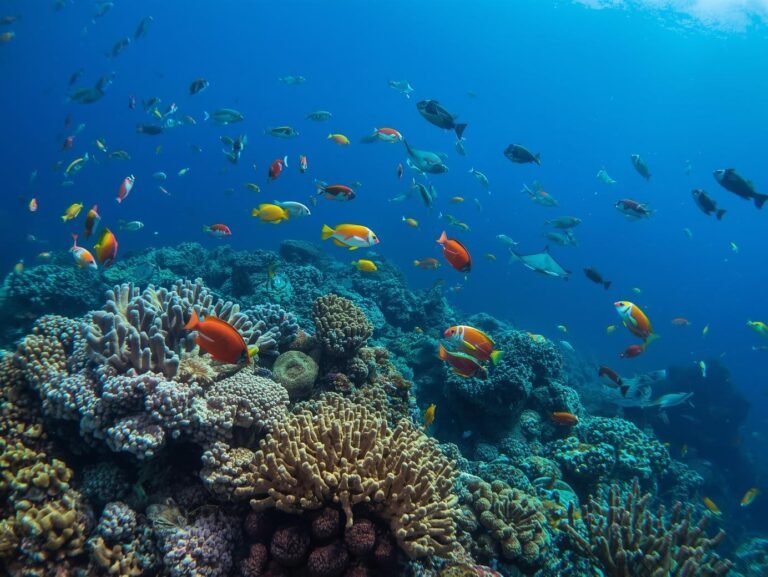
Plastic trash is a big problem for coral reef ecosystems, which are home to an estimated 25% of all marine species. Sharp pieces of plastic can cut and scratch coral tissues, which lets diseases and germs in.
When storms or strong currents hit coral structures, large plastic items can break them. This mechanical damage messes up the complicated three-dimensional structure that corals provide, making habitats less complex and species less diverse.
Microplastics can interfere with coral feeding and reproduction by clogging their filtering systems and affecting their ability to capture plankton. Some corals think microplastics are food, which makes them eat less and hurts their health.
Disruption of Seagrass Beds
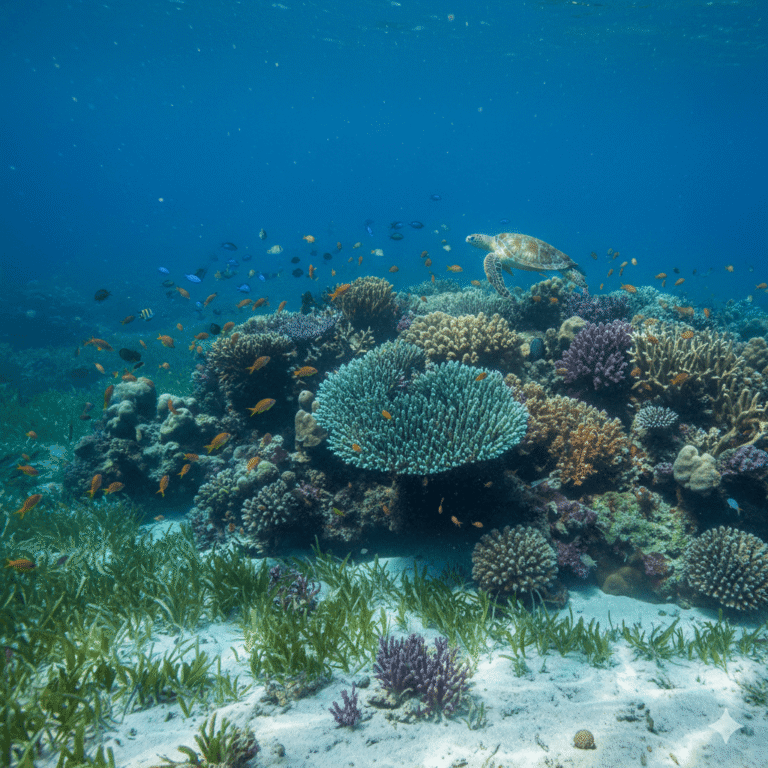
Plastic pollution is a big problem for seagrass meadows, which are important places for many marine species to raise their young. Plastic trash can cover seagrass beds, blocking sunlight that plants need to grow and making it hard for them to grow.
Plastic waste building up in seagrass beds changes the way water flows and sediment settles, which changes the physical properties of these important habitats. This can make it harder for the habitat to support young fish and other marine life.
Effects on the Deep-Sea Environment
Even the deepest parts of our oceans aren’t safe from plastic pollution. Plastic trash has been found in ocean trenches that are more than 10,000 meters deep. This is bad for deep-sea creatures that have never come into contact with such materials before in their evolutionary history.
Deep-sea animals that are used to living in places with little food may think that plastic particles are rare food sources. Plastic pollution lasts longer in deep, cold waters because it breaks down slowly. This causes long-term contamination problems.
Effects on Marine Industries’ Economies
The seafood and fishing industry
Plastic pollution hurts commercial fishing directly by breaking gear, making catches dirty, and lowering fish populations. Fishing boats often need to be repaired at great cost after running into plastic trash, and fish that are contaminated may not be able to be sold.
The presence of microplastics in seafood raises consumer concerns about food safety, potentially reducing demand and market prices. Fishing communities dependent on healthy marine ecosystems face economic hardship as plastic pollution degrades their resource base.
Processing costs increase when facilities must screen for plastic contamination in seafood products. These additional expenses are often passed on to consumers or absorbed by fishing operations, reducing profitability.
Tourism and Fun
Plastic pollution hurts marine tourism, which is worth billions of dollars around the world. Tourists don’t want to go to beaches that are full of plastic trash, and polluted waters make snorkeling, diving, and other marine activities less fun.
Plastic pollution harms the natural beauty that draws visitors to coastal communities that depend on marine tourism, which hurts their economies. Beach cleanups and marine restoration projects cost a lot of money, which makes it even harder for local governments to stay within their budgets.
Plastic pollution hurts the animals that tourists come to see, which hurts marine wildlife viewing, a big part of eco-tourism. Fewer animals and worse habitats make marine tourism less enjoyable.
Ways to solve problems and stop them from happening
Cutting down on plastic use at the source
The best way to deal with plastic pollution in the ocean is to stop plastic waste from getting there in the first place. This necessitates extensive strategies aimed at both production and consumption trends.
Policies that cut down on plastic, like bans on single-use plastics and programs that hold producers responsible for their products, can greatly cut down on the amount of plastic waste that is made. Supporting businesses that use alternative packaging materials helps drive market demand for sustainable solutions.
Changes in how people shop, like choosing reusable products and backing businesses that use eco-friendly methods, put pressure on the market to make less plastic. People learn about their part in stopping plastic pollution in the ocean through education campaigns.
Making Waste Management Systems Better
Developing robust waste management infrastructure, particularly in coastal regions, is crucial for preventing plastic waste from reaching marine environments. This means making recycling centers, trash collection systems, and landfills better.
Investing in technologies that turn waste into energy can help deal with plastic waste while also making useful energy. But these solutions need to be used along with efforts to cut down on the amount of plastic being made in order to deal with the main causes of plastic pollution.
When countries work together on waste management standards and technologies, it makes sure that improvements in one area don’t just move the problem to another area. Supporting developing nations in building effective waste management systems benefits global ocean health.
Techniques for cleaning up the ocean
While prevention remains the priority, cleanup technologies play an important role in addressing existing plastic pollution. Various organizations are developing innovative methods to remove plastic debris from marine environments.
Surface cleanup systems, like the ones used in garbage patches, can get rid of a lot of plastic trash in the open ocean. Coastal cleanup efforts, which use both machines and people to pick up trash, help keep plastic waste from spreading further into marine ecosystems.
Technologies for removing microplastics are still being worked on, but they look promising for dealing with the hardest parts of marine plastic pollution. These new technologies could help fix damaged marine environments while efforts to stop new pollution from getting in.
Policy and Regulatory Approaches
Regulations on plastic production, use, and disposal are an important part of government policies that help fight marine plastic pollution. International treaties and agreements help countries work together to solve this problem that crosses borders.
Extended producer responsibility programs hold manufacturers responsible for the entire life cycle of their plastic products. This encourages them to design and manage their products in a way that is better for the environment.
Marine protected areas and shipping rules can help cut down on plastic pollution in the ocean and give affected marine species a place to recover.
What You Can Do to Help
Even though each person’s actions may seem small, they all add up to have a big effect on marine plastic pollution. Everyone can help find solutions by making smart choices and speaking out for them.
Personal Lifestyle Changes
Reducing personal plastic consumption through reusable alternatives makes a measurable difference. Choosing products with minimal packaging, carrying reusable bags and water bottles, and avoiding single-use plastics reduces individual contributions to marine pollution.
When you support businesses that put sustainability first, you send signals to the market that encourage changes across the board. Consumer demand for plastic-free alternatives drives innovation and investment in sustainable solutions.
Cleaning up beaches and doing citizen science projects directly removes plastic waste from the ocean and adds useful information to research.
Advocacy and getting people involved in the community
Getting involved with local groups and communities makes individual efforts stronger and brings about bigger changes. Joining or supporting environmental groups that work to protect marine life gives more resources to the people who are trying to do so.
To effectively deal with marine plastic pollution, we need to make systemic changes. One way to do this is to push for changes to policies at the local, national, and international levels. Reaching out to elected officials and taking part in public consultations can affect how decisions are made.
Educational outreach helps people learn about marine plastic pollution and how to fix it. Sharing knowledge with friends, family, and communities multiplies the impact of conservation efforts.
Making a plan for your marine conservation trip
The first step to making a difference is to learn how plastic pollution affects marine life. If you want to help protect the ocean from home or plan to visit marine environments, the first step is to learn about the issues and make a commitment.
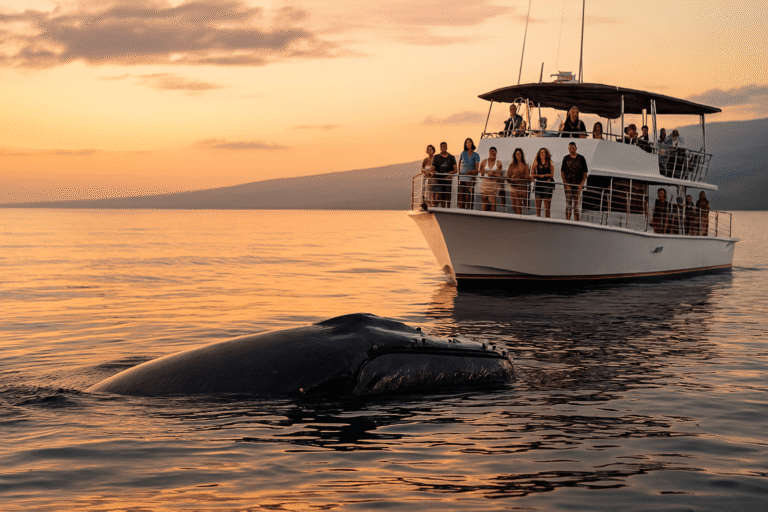
If you want to see marine ecosystems up close, choose low-impact travel options that protect the ocean rather than adding to the problem. Look for tour operators with recognized eco-certifications, avoid single-use plastics while traveling, keep a respectful distance from wildlife, and join local beach cleanups. Thoughtful travel choices shrink your footprint while supporting conservation-minded coastal communities.
Keeping Our Oceans Safe for Future Generations
One of the most important environmental problems of our time is the effect of plastic pollution on marine life. Plastic pollution harms every part of marine ecosystems, from tiny plankton to huge whales. It messes up food chains, destroys habitats, and threatens the economies that rely on healthy oceans.
The evidence is clear: marine animals face unprecedented threats from plastic ingestion, entanglement, and habitat degradation. Microplastics build up in marine food webs, which harms not only ocean animals but also people in the long run. The economy has effects on fishing, tourism, and coastal communities all over the world.
But there is hope in the form of complete solutions that deal with both the causes and effects of plastic pollution in the ocean. Every action, from changes in our own lives to changes in international policy, helps protect marine life and ecosystems. We have the tools and plans to fix this problem; now we just need the will of everyone to use them quickly and on a large scale to save our oceans.
What we do today will affect the future of marine life. We can work toward oceans where marine life thrives free from plastic pollution by learning how it affects marine ecosystems and taking both personal and systemic steps to fix the problem. The time for action is now—our oceans and the countless species that call them home are counting on it.