The Best Guide to Charley Young Beach, Kihei

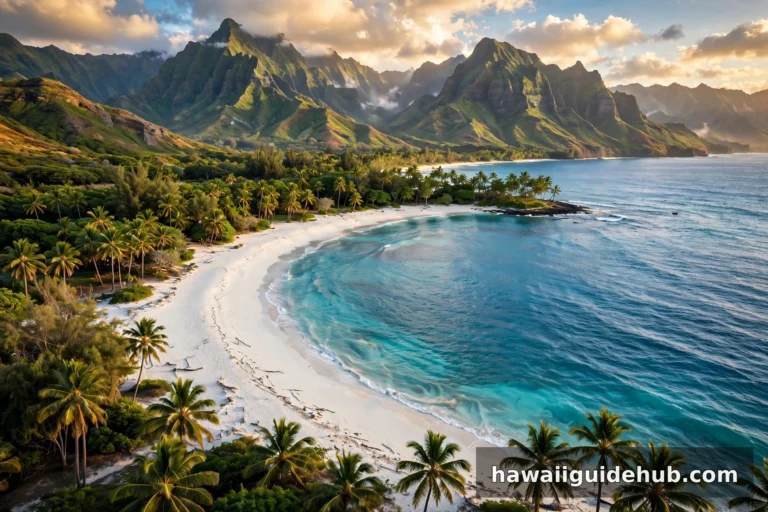
Charley Young Beach is one of Kihei’s most popular and peaceful places to visit. It is located on the southern shores of Maui. This beautiful stretch of golden sand gives visitors a real Hawaiian beach experience without the huge crowds that can be found at more touristy places.
Charley Young Beach pairs natural beauty with easy access. Its clear water suits swimming and snorkelling when conditions are calm, and its central Kihei location makes it easy to reach from anywhere on the island’s south-west coast.
Charley Young Beach is a great place to relax and watch Maui’s famous sunsets, go for a quiet morning swim, or snorkel with tropical fish in the afternoon. This guide covers how to get there, what to expect, and how to make the most of your visit.
Where to Find It and How to Get There
Charley Young Beach is in the middle of South Kihei, which makes it one of the easiest beaches to get to on Maui’s south-west shore. The beach runs along South Kihei Road just north of Kamaole Beach Park I. It’s a quieter option than the busier beaches nearby.
How to Get to Charley Young Beach
No matter where you are on Maui, it’s easy to get to Charley Young Beach:
- From Kahului Airport, drive south on Highway 380 (Kuihelani Highway) for about 8 miles.
- Take Highway 311 (Mokulele Highway) towards Kihei and merge onto it.
- Continue for 6 miles until you reach South Kihei Road
- Go right on South Kihei Road and drive for about two miles.
- You can either park near Kaleo Place or keep going to the beach access points.
From Wailea or Makena:
- From Wailea or Makena, go north on South Kihei Road for about 3 to 5 miles.
- On your left side, you will see the beach access points.
From Lahaina or West Maui:
- From Lahaina or West Maui, go south on Highway 30 until you reach Highway 380.
- Take Highway 380 to Highway 311, which will take you to Kihei.
- Continue as directed above
Parking Information
If you want to park at Charley Young Beach, you need to plan ahead, especially during busy times. There are a few choices:
Street parking: There isn’t much parallel parking on South Kihei Road, but it fills up quickly in the morning and afternoon.
How to Get to Kaleo Place: One convenient option for the northern part of the beach is the small lot near Kaleo Place.
Parking at Nearby Resorts: Some visitors park at nearby resorts, but they should always follow the signs and time limits for private property.
Best Way to Park: For the best chance of finding a good parking spot, arrive before 9 AM or after 3 PM.
Things to Do at the Beach and What to Expect
Conditions for Swimming
Charley Young Beach is known for generally calm swimming conditions on Maui’s south shore. The beach faces west, so the strong trade winds that can roughen other spots often have less effect here, though conditions vary from day to day.
The sandy bottom slopes down slowly into deeper water, which is great for swimmers of all levels. The water temperature is always comfortable, usually between 75 and 80 degrees Fahrenheit (24 and 27 degrees Celsius).
Best Times to Swim:
- In the early morning (7–10 AM): Often the calmest part of the day, though conditions vary
- The lighting is beautiful in the late afternoon (4–6 PM), and the seas are usually calm.
- Don’t swim in the middle of the day when the trade winds are strongest.
Snorkelling at Charley Young Beach
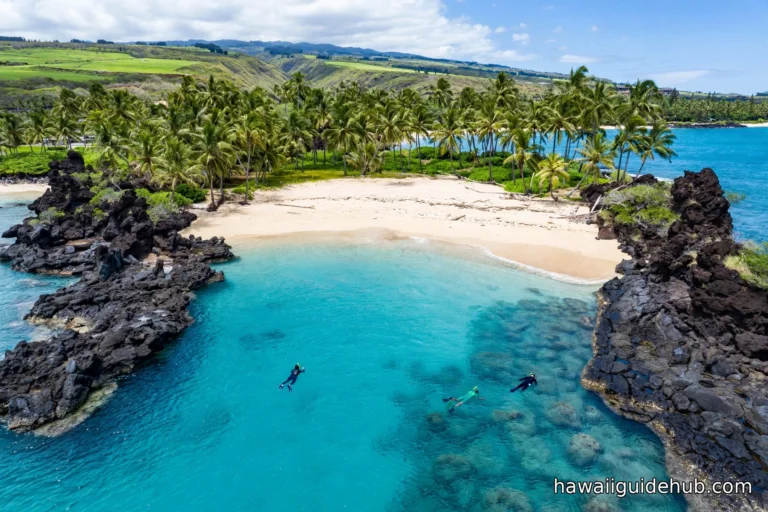
The rocky areas at both ends of Charley Young Beach offer rewarding snorkelling, with tropical fish and other marine life gathering along the reef edges. Go on a calm morning, enter away from the rocks, and stay out of the water when surf is up.
What You’ll See:
- Hawaiian Green Sea Turtles (honu) are often seen near rocky areas.
- Butterflyfish, tangs, and parrotfish are some of the colourful reef fish.
- Hawaiian monk seals sometimes take a break on the beach.
- Coral reefs that are very colourful along the rocky edges
Snorkeling Tips:
- For the best view of marine life, go into the water near the rocks.
- Bring reef-safe sunscreen to keep Hawaii’s fragile ecosystem safe.
- You can rent snorkel gear from stores along South Kihei Road.
- Always go snorkelling with a friend and keep an eye on the ocean.
Kayaking and paddleboarding
Paddleboarding and kayaking require suitable weather, ocean conditions and experience. A calm appearance at launch does not guarantee a safe return. Check the forecast and avoid going out if wind, surf or currents are beyond your ability.
Amenities and Facilities
Available Facilities
Charley Young Beach feels more natural and undeveloped than the nearby Kamaole Beach Parks, but there are a few things that make it more comfortable for visitors:
Restrooms: There are none on Charley Young Beach itself; the nearest restrooms are at Kamaole Beach Park I, a short walk to the north.
Showers: There are outdoor rinse-off showers at nearby beach parks.
Shade: There isn’t much natural shade, so it’s best to bring beach umbrellas or pop-up canopies.
Picnic Areas: There are no real picnic tables on Charley Young Beach, but the soft sand makes it easy to find a place to eat.
What to bring
To get the most out of your time at Charley Young Beach, think about bringing:
- A pop-up shade structure or a beach umbrella
- Sunscreen that is safe for reefs (Hawaii law requires this)
- Bring your own snorkelling gear or rent it locally.
- Lots of clean water to drink and wash with
- Beach chairs to sit in comfort
- Waterproof phone case for photos
- Lunch and light snacks

The Best Times to Visit and Tips from Locals
Best Times to Visit
Morning can be a practical time for a beach visit, but there is no guaranteed calm-water or turtle-sighting window. Check conditions on arrival and let those determine your plans.
Late afternoon (4–7 PM) is another great time to go, especially to see the sunset. From this beach on the west side, you can see the famous Maui sunsets. Also, the winds usually calm down at this time.
Live camera and webcam information for Charley Young Beach:
There are a number of websites that show you what the beach is like in real time. To see what the weather is like right now, type “Charley Young Beach Maui webcam” or “live webcam Charley Young Beach Maui HI” into a search engine.
Things to think about for safety
Safety at Sea:
- Before going into the water, always check the current ocean conditions.
- Be aware that things can change quickly.
- Don’t ever turn your back on the ocean.
- When the surf is high, strong currents can happen near rocky areas.
Sun Protection:
- Protect yourself from the sun: Hawaii has strong UV rays all year long.
- Find shade during the hottest parts of the day (10 AM to 3 PM).
- Put on sunscreen again and again, especially after swimming.
Wildlife Respect:
- Maintain at least 10 feet distance from sea turtles
- Don’t ever touch or bother marine life.
- If you see Hawaiian monk seals, stay at least 50 feet away.
Local Tips and Secrets
Turtle Spotting: Sea turtles are often seen near the northern rocky area by Kaleo Place. Early morning and late afternoon can be good times to look, but sightings are never guaranteed — keep your distance and never touch them.
Photography: The rocky lava formations at sunset make for striking silhouettes. For striking sunset pictures, try the southern end of the beach.
Avoiding crowds: Weekdays are much less crowded than weekends. Arrive before 8 AM or after 4 PM if you are going on a weekend.
Things to do and see nearby
Things to do within walking distance
The Kamaole Beach Parks I, II, and III: These developed beach parks are only a few minutes away on foot and have more amenities and slightly different beach experiences.
South Kihei Road Dining: Numerous restaurants, food trucks, and cafes line the road directly across from beach access points.
Shopping: It’s easy to walk to local surf shops, convenience stores, and souvenir shops.
Places to Go on a Short Drive
Keawakapu Beach: About a 5–10 minute drive south, this long stretch of sand between Kihei and Wailea offers more room to spread out.
The Wailea Beach Resort Area, about 15 minutes south, offers high-end restaurants, shops, and golf courses.
Molokini Crater Snorkel Tours: A lot of tour companies leave from the Kihei Boat Ramp, which is close by, for half-day and full-day snorkelling trips.
Charley Young Beach: Its History and Cultural Importance
The Past of Charley Young Beach
The beach is named for Charles “Charley” Young, a longtime Kihei resident who was active in the community in the mid-20th century. Young is remembered for his commitment to keeping the beach open to the public so that local families could keep enjoying this stretch of coast.
Before development transformed Kihei into a resort destination, this area was primarily used by Native Hawaiian families for fishing, gathering, and recreational activities. The calm waters and lots of fish made it a natural place for people in the area to meet.
Cultural Significance
Like much of Maui’s coastline, this shoreline has long been part of Native Hawaiian life. People used the shoreline for:
- Lawai’a (Fishing): The reef areas were full of fish that local families could catch.
- Gathering: This is where people collected seaweed, shells, and other things from the ocean.
- Spiritual Connection: In Hawaiian culture, the ocean (kai) has a lot of spiritual meaning.
- Community Gathering: Families would get together for celebrations and other traditional events.
Visitors today can pay tribute to this cultural heritage by:
- Practicing Leave No Trace principles
- Respecting animals and plants in the sea
- Being aware of and respectful of local customs and traditions
- Helping businesses and communities in your area
Conservation Efforts Today
Current conservation initiatives at Charley Young Beach focus on:
Marine Life Protection: Ongoing efforts to protect coral reefs and sea turtle habitat through education and responsible tourism.
Checking the Quality of Water: Regular water-quality testing helps keep the beach a safe place to swim and snorkel.
Community Stewardship: Local groups often set up beach cleanups and educational programmes for both residents and visitors.
Weather Patterns and Things to Think About in Each Season
Conditions All Year
Maui’s south shore has fairly stable weather all year, but the seasons can still change your experience:
Summer (April-October):
- Calmer ocean conditions with lighter trade winds
- The water is at its warmest (78–80°F).
- More visitors, especially in July and August
- Best for families and people who are just starting out
Winter (November-March):
- Sometimes there are bigger waves from storms that are far away.
- Water temperatures are a little cooler (75–77°F).
- There are fewer people, especially on weekdays.
- On calm days, snorkelling is very clear.
Monthly Highlights
From December through about April, humpback whales migrate through Hawaiian waters, and you might spot them offshore. For more cold-season ideas, see our guide to the best places to visit in Maui this winter.
March to May: Plan snorkeling around current wind, waves and visibility rather than assuming that a particular month provides suitable conditions.
June to August is the busiest time for visitors, but the weather is also the most stable.
September through November is often thought to be the best time to visit because the water is warm, there are fewer people, and the weather is stable.
Planning Your Visit to Charley Young Beach
Charley Young Beach makes an easygoing base for a South Maui beach day: a central Kihei location, generally calm swimming conditions, and simple shore-entry snorkelling along the rocky edges.
Come prepared for limited facilities — bring shade, drinking water, reef-safe sunscreen, and your own gear, and plan parking ahead during busy periods. Check ocean conditions before swimming, give turtles and monk seals plenty of space, and pack out everything you bring in.
With its easy access, beautiful scenery, and rich marine life, Charley Young Beach suits everyone from solo travellers to families with young kids. Take time to enjoy the natural beauty and cultural significance of this special stretch of Maui’s coast.
For nearby destinations beyond this beach, explore our Wailea guide. If you are still deciding whether Maui fits your plans, read why visit Maui.