The Role of ‘Aloha’ in Hawaiian Culture: More Than Just a Greeting

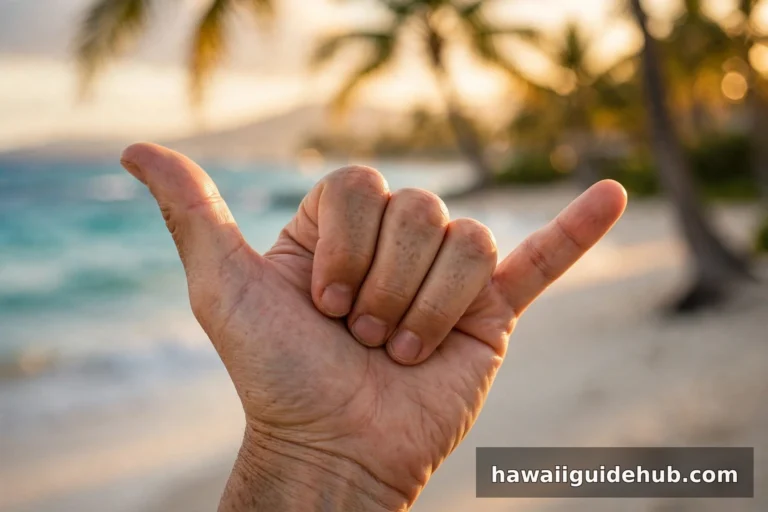
When most people hear the word “aloha,” they think of a simple Hawaiian greeting that you might use when you get to or leave the islands. But this understanding only touches on one of the most important ideas in Hawaiian culture. Aloha is a way of life, a philosophy that Native Hawaiians have followed for hundreds of years, and a spiritual practice that goes far beyond just saying hello and goodbye.
Learning what aloha really means gives you a glimpse into the heart of Hawaiian culture, which is still shaped by values of love, respect, compassion, and harmony today. Embracing the aloha spirit can change not only your time in Hawaii, but also the way you connect with other people and live in a community.
This exploration will help you understand the deep cultural meaning of the word “aloha.” It will show you how this one word includes a whole way of thinking that values kindness, respect for others, and the connection between all living things.
What does Aloha really mean?
Translation Beyond the Surface
People usually translate “aloha” as “hello” or “goodbye,” but the word means much more than that. At its heart, aloha means that people share the divine breath and life force, which Hawaiians call “ha.” You can break down the word into parts that make sense: “Alo” means presence or sharing, and “ha” means life.
Many Native Hawaiians say that aloha is the essence of being fully present with someone else, recognizing their divine nature, and treating them with love and respect without conditions. This presence is more than just being close to someone; it also means being emotionally available, caring about them, and recognizing the spiritual bond that connects all people.
The Five Pillars of Aloha
Aloha is often described in traditional Hawaiian teachings by five main values, each of which is represented by a letter in the word itself. These five tenets are also recognized in Hawaiʻi state law (Hawaiʻi Revised Statutes §5-7.5) as the Aloha Spirit.
A – Akahai (Kindness): Expressing tenderness and consideration in all interactions, treating others with gentleness and understanding.
L – Lōkahi (Unity): Working together in a way that is good for everyone, knowing that the health of the community is linked to the health of each person.
O – ʻOluʻolu (Agreeable): Keeping a friendly, helpful attitude that looks for common ground and a peaceful solution.
H – Haʻahaʻa (Humility): Treating others with respect and humility, knowing that everyone has something useful to say.
A – Ahonui (Patience): Being patient and persistent, giving things time to grow and understand on their own.
Aloha as a Way of Life
Daily Practice in Hawaiian Communities
For Native Hawaiians, aloha isn’t just a concept to contemplate—it’s a daily practice that influences every aspect of life. The aloha spirit guides how people act and make decisions in all kinds of situations, from family interactions to business relationships, from community events to meetings with strangers.
Families often say “aloha” to each other at the start and end of each day. They don’t just say the word; they also show what it means by hugging, touching foreheads (honi), and spending time together without any distractions. This daily exchange reminds family members that they are loved and that their presence matters, reinforcing the bonds of “ʻohana,” the Hawaiian word for family.
The Idea Of Hoʻoponopono
Hoʻoponopono is a traditional Hawaiian way of making up and forgiving someone. It is one of the strongest examples of aloha in action because it turns disagreements into chances to grow and understand each other.
This practice shows the aloha spirit by giving everyone a chance to be heard, recognized, and eventually forgiven. But this practice doesn’t just solve the immediate problem; it also helps to rebuild trust and connection that may have been broken, which makes the relationship stronger than before. Hoʻoponopono reminds us that aloha means choosing to heal instead of holding grudges, and understanding instead of judgment.
Aloha in Relationships with Other People
Making connections that are stronger
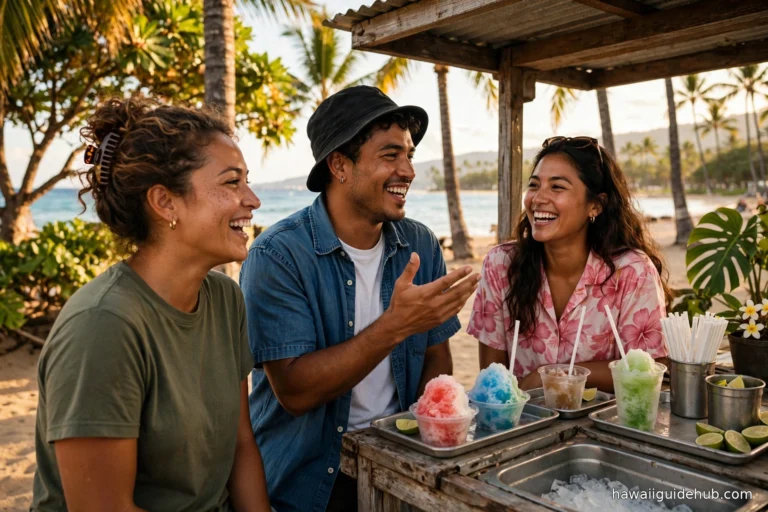
The aloha spirit turns everyday interactions into chances to connect with others in a deep way. When someone really embodies aloha, they are genuinely interested in how others are doing, what they need, and their stories. This makes people feel safe enough to be themselves and open up.
People who come to Hawaii often notice this difference in how people talk to each other. People talk to each other with real warmth and interest instead of the surface-level, tourist-friendly politeness that you might find in other places. This authenticity comes from the understanding that every interaction is an opportunity to practice aloha and to honor the divine in another person.
Mālama As A Practice
Mālama, which means to care for or protect, is very similar to aloha. When applied to relationships, mālama means actively looking out for the well-being of others, offering support without being asked, and creating an environment where everyone feels valued and respected.
The practice of mālama within the aloha framework means recognizing that we are all interconnected, and that caring for others is ultimately caring for ourselves and our community.
Does “Aloha” mean “I love you”?
The Aloha Love Part
Many people wonder whether aloha means “I love you,” and while this isn’t incorrect, it’s also not complete. There is love in aloha, but it’s a different kind of love than romantic love or even love for family. It’s deep and unconditional.
Aloha expresses a more universal and spiritual kind of love. It’s the love that sees the divine spark in everyone and sees past our differences to see our common humanity. This love isn’t based on personal relationships or what people can do for each other; it’s given freely to everyone because they are valuable and deserve it.
Expressing Aloha Love
When Hawaiians say “aloha” to each other, they are showing love, but it’s love that comes with respect, blessing, and recognition. They’re saying, in essence, “I see the divine in you, I honor your presence, I wish you well, and I open my heart to share this moment with you.”
This understanding helps explain why aloha can be used as both a greeting and a farewell—it’s not about arriving or leaving, but about acknowledging the sacred nature of human connection in whatever time you have together.
Hawaiian Culture: Aloha and Hospitality
The Basis of Hawaiian Hospitality
The aloha spirit is what makes Hawaii known for its great hospitality. Real Hawaiian hospitality is not just about being friendly to tourists; it is about creating a sense of belonging and ʻohana (family) for everyone who comes to these islands.
Hoʻokipa is a tradition of hospitality that comes from the idea that visitors are not just customers, but guests to be honored and welcomed with genuine warmth and generosity. This tradition is deeply rooted in the aloha spirit and reflects the understanding that how we treat others reflects our own character and values.
Sharing Information and Resources
The aloha spirit says that people should share their resources, knowledge, and experiences freely. In traditional Hawaiian culture, this meant sharing food, shelter, and skills freely with both community members and visitors. Today, this tradition continues through the many ways locals share their knowledge of the islands, recommend hidden gems, and offer assistance to visitors who may be struggling to navigate unfamiliar territory.
The Spiritual Aspects of Aloha
Link to the Sea and the Land
Aloha extends beyond human relationships to encompass a deep spiritual connection with the natural world. This connection is reflected in the Hawaiian concept of aloha ʻāina (love of the land), which recognizes that the health of the land (ʻāina) and sea (kai) is directly connected to the health of the people.
To show aloha to the natural world, you should only take what you need, give back when you can, and leave places better than you found them. This might mean participating in beach cleanups, supporting conservation efforts, or simply being mindful of your impact on fragile ecosystems. The concept of hoʻokupu (offerings) reflects this reciprocal relationship—giving thanks and giving back to the land and sea that sustain us.
Wisdom and guidance from ancestors
The aloha spirit also means having a lot of respect for the wisdom of ancestors and the fact that they are still with us. Many Native Hawaiians say that they feel the guidance and protection of their ancestors (kupuna) in their daily lives. The practice of aloha includes honoring this spiritual connection.
This connection to our ancestors helps us understand that we are all part of a bigger cycle of life and that we are responsible not only to the people we live with now, but also to the people who lived before us and the people who will live after us.
Living with Aloha in Modern Times
Problems and chances
The aloha spirit is still very important to Hawaiian culture, but modern life makes it both easier and harder to practice. Rapid development, increasing tourism, and economic pressures can sometimes make it difficult to maintain the unhurried, present-focused approach that aloha requires.
But many communities in Hawaii are coming up with new ways to keep and share the aloha spirit. You can live and teach aloha values in today’s world through cultural education programs, community service projects, and sustainable tourism initiatives.
Aloha in Professional Life
More and more businesses and groups in Hawaii are realizing that using aloha principles in their work leads to better results for everyone. This might mean taking time to build genuine relationships with clients, prioritizing employee well-being over pure profit, or making decisions based on long-term community benefit rather than short-term gain.
Passing on Aloha to the Next Generation
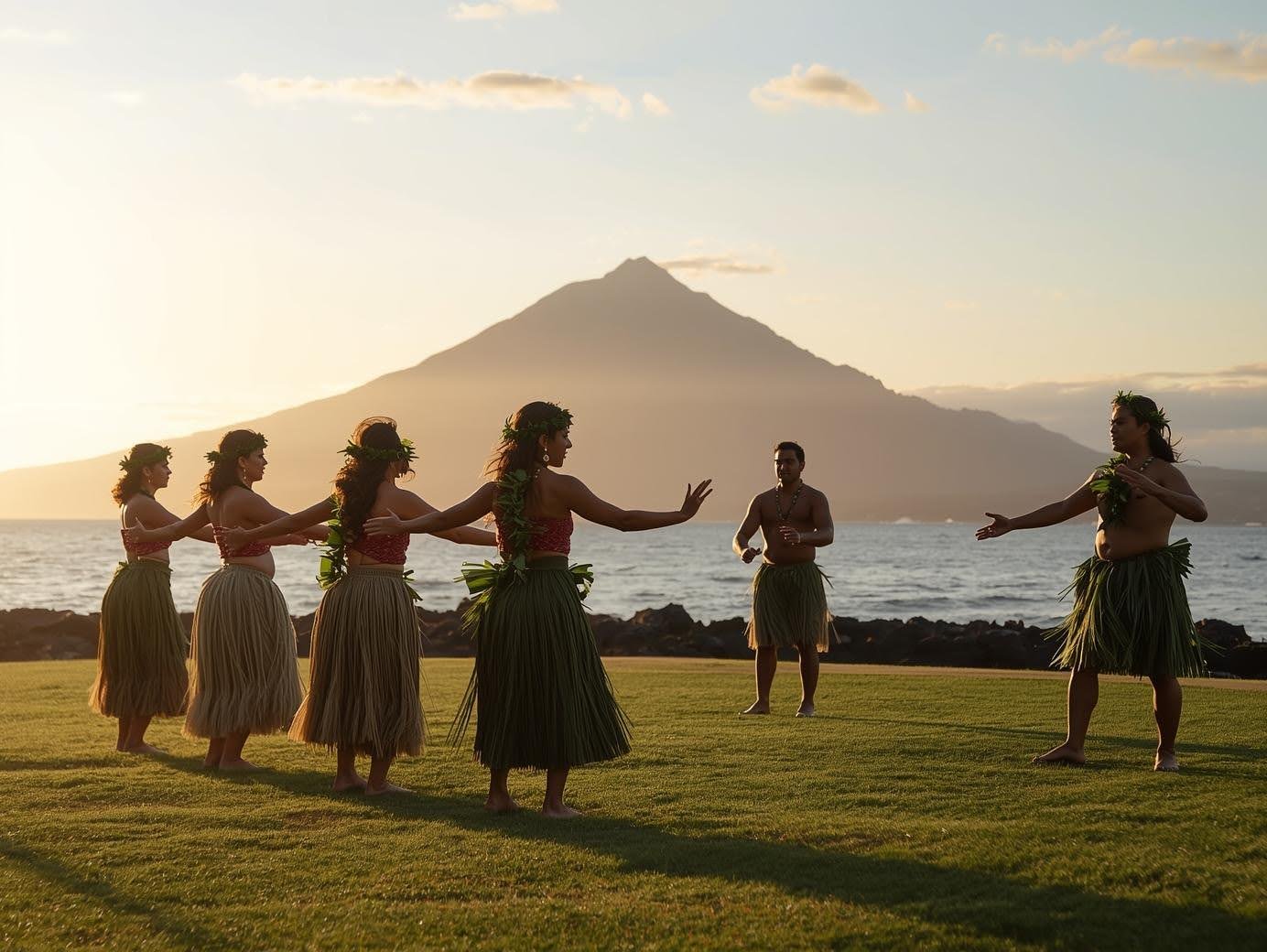
People in Hawaii, like parents, teachers, and community leaders, work all the time to teach young people the values of aloha. This education takes place through telling stories, doing cultural things, helping out in the community, and showing aloha principles every day.
Schools often incorporate aloha values into their curricula, not just as cultural education but as practical life skills that help students build better relationships, resolve conflicts peacefully, and contribute positively to their communities.
The Global Importance of Aloha: How It Can Be Used Everywhere
While aloha is specifically Hawaiian in origin, its principles have universal relevance. The values of presence, kindness, humility, and interconnectedness address fundamental human needs that exist across all cultures and communities.
Many people who visit Hawaii find themselves inspired to incorporate aloha principles into their own lives and communities, adapting these teachings to their own cultural contexts and daily challenges.
Aloha: A Link Between Cultures
The aloha spirit is a strong way to help people from different cultures understand each other and work together. Its emphasis on finding common ground, treating others with respect, and working together for mutual benefit offers a model for navigating an increasingly diverse and interconnected world.
Questions that people often ask about Aloha
What does it mean to say “aloha” and what does it mean to live with aloha?
When you say “aloha,” you’re just saying hello. But when you live with aloha, you live by the values and principles that the word stands for in your daily life, relationships, and choices.
Can people who aren’t Hawaiian really practice aloha?
Yes, if you treat it with respect and really understand it. The key is learning about the cultural context and spiritual significance of aloha rather than treating it as a casual lifestyle trend.
How can I use “aloha” in a way that shows respect?
Take the time to learn what it really means, use it with care instead of casually, and show the values it stands for by how you treat others and what you do.
Is there a bad way to say “aloha”?
It can be disrespectful to use aloha in a commercialized or shallow way that doesn’t take into account its spiritual and cultural meaning. The word should be used with awareness of its sacred nature in Hawaiian culture.
How to Embrace the Aloha Spirit in Your Hawaiian Experience
When you learn what aloha really means, a trip to Hawaii becomes more than just a vacation; it becomes a chance to grow as a person and learn about other cultures. If you really respect the islands’ values and traditions, you can experience the deep beauty of Hawaiian culture beyond just the beautiful scenery and resort amenities.
The aloha spirit invites you to slow down, be present, connect authentically with others, and recognize the sacred in everyday moments. If you’re going to Hawaii for the first time or you’ve lived there for a long time and want to learn more about the culture, following the principles of aloha can make your trip much better.
Ultimately, aloha endures because it is lived, not just spoken. From the five tenets of the Aloha Spirit — akahai, lōkahi, ʻoluʻolu, haʻahaʻa, and ahonui — to everyday practices such as mālama, hoʻokipa, and hoʻoponopono, the concept offers a complete philosophy for how to treat one another and the natural world. Whether heard as a greeting, a farewell, or a call to compassion, aloha reminds us that presence, respect, and kindness are choices to renew each day.