
Why is salinity important to marine life

Do you ever wonder why the ocean has salt in it? Salinity, which is the saltiness of seawater, is not just a trait of seawater; it is a key part of marine life that shapes the very fabric of life in the ocean. In fact, a change in salinity of just a few parts per thousand can be the difference between a thriving coral reef and a barren underwater landscape.
This post talks about how important salinity is in the ocean. We will talk about what salinity is, how it is measured, and how it affects everything from the smallest plankton to the biggest whales in very big ways. It’s important to understand this fragile balance, especially since climate change and human activities are starting to change the ocean’s chemistry. By the end, you’ll have a better understanding of this important sign of our planet’s oceans and why we need to protect these complex marine ecosystems.
What does salinity mean?
The amount of dissolved salts in a body of water is called salinity. Ocean water is a complicated mix of minerals and salts that have been washed off rocks on land and carried to the sea by rivers over millions of years. Sodium chloride (table salt) is the most common salt in the ocean, but magnesium, sulfate, and calcium are also present.
This salt concentration is typically expressed in parts per thousand (ppt). The average salinity of the oceans is about 35 ppt. This means that there are 35 grams of dissolved salts in every 1,000 grams of seawater. Even though this may seem like a small amount, it has a big effect on the ocean’s physical and biological properties.
How do you measure salinity?
There are different ways that scientists can measure salinity, and each one is more or less accurate:
- Refractometers: Are small, portable tools that measure how much light bends when it goes through a sample of water. A refractometer can quickly and accurately measure salinity because the way light bends changes with the amount of salt.
- Hydrometers: A hydrometer tells you how dense the water is. A hydrometer will float higher in a sample with more salt because salty water is denser than fresh water.
- Conductivity Meters: This is one of the most accurate ways to use conductivity meters. These electronic devices test how well water can carry electricity. The meter turns the amount of dissolved salts into a salinity reading. The more dissolved salts there are, the higher the electrical conductivity.
- Satellites: Satellites like NASA’s Aquarius can measure the salinity of the ocean’s surface from space by picking up microwave radiation that comes from the ocean’s surface.
Things that affect salinity
Ocean salinity is not uniform across the globe. There are a number of things that can change it:
- Evaporation and Rainfall: In warm, dry areas near the equator, high evaporation rates take away freshwater and leave the salts behind, which makes the water saltier. In places with a lot of rain, on the other hand, the extra freshwater dilutes the seawater, which lowers the salinity.
- River Inflow: Where large rivers empty into the ocean, they introduce a massive volume of freshwater, creating estuaries with significantly lower salinity. The Amazon River, for instance, makes a huge “lens” of fresh water that goes hundreds of miles into the Atlantic Ocean.
- Freezing and Melting of Ice: When seawater freezes to make sea ice, most of the salt stays in the water, making it much saltier. When the ice melts, it sends fresh water back into the ocean, which makes the water less salty.
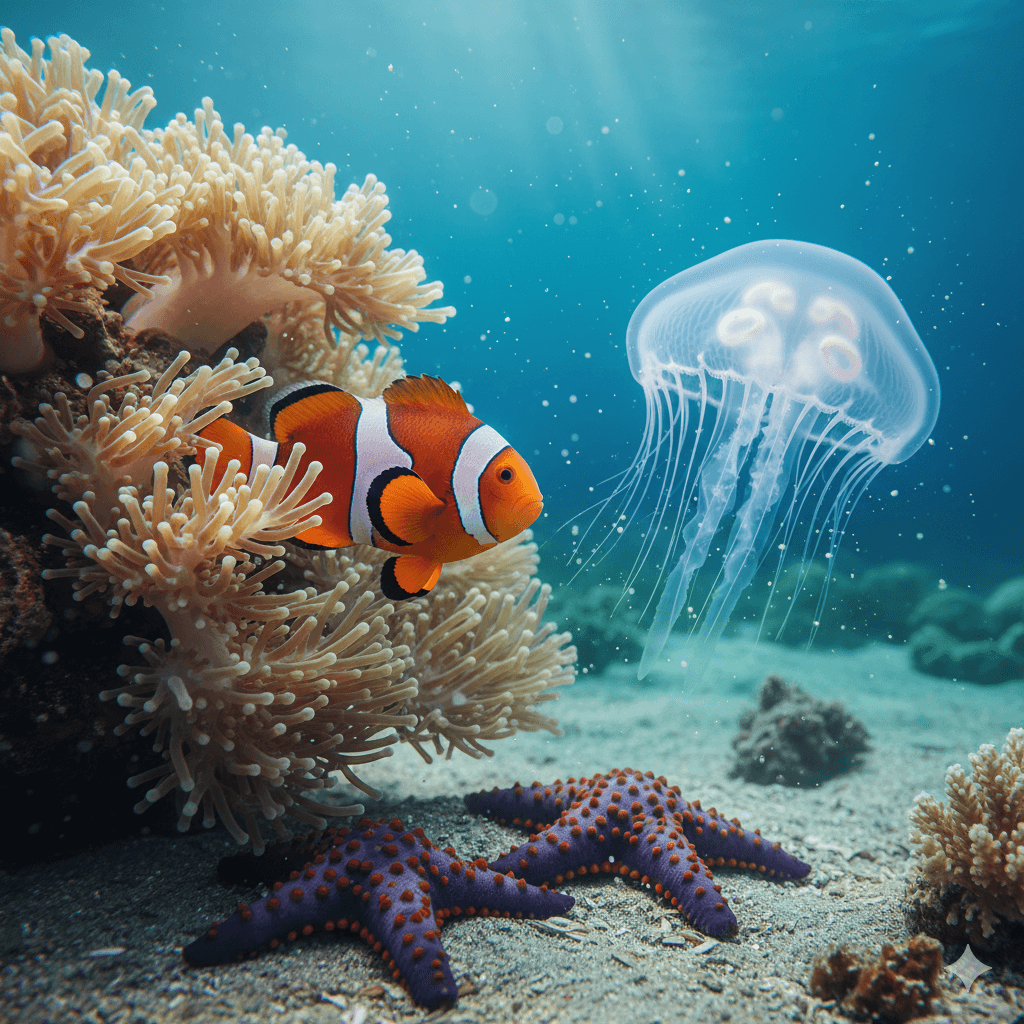
Why salinity is important for marine life
The importance of salinity in ocean water cannot be overstated. It has a direct effect on the biology of marine organisms and the physical dynamics of the whole ocean..
Osmoregulation: The Most Important Balancing Act
One of the hardest things for marine life to do is keep their insides stable while the outside is salty. Osmoregulation is the name of this process. It is the physiological process that keeps the right amount of water and salt in an organism’s body.
- For Fish: Marine fish live in water that has more salt in it than the fluids in their bodies. Because of this, they constantly lose water through their skin and gills by osmosis. To make up for this, they drink a lot of seawater, and their specialized gills actively pump out the extra salt. This process takes a lot of energy, and even small changes in the salinity of the water can be very stressful for fish.
- For Invertebrates: Osmoconformers are a lot of marine invertebrates, like jellyfish and sea stars. They don’t have to use energy to osmoregulate because the salt concentration inside them is the same as the salt concentration in the seawater around them. But this also means that they are very sensitive to changes in salinity. Their cells would swell and maybe even burst if they were put in water with less salt.
- For Algae and Marine Plants: Kelp and phytoplankton are two examples of organisms that have adaptations that help them deal with salinity. Their cell walls provide structural support to prevent them from bursting in less salty conditions, and they have internal mechanisms to manage salt levels.
The Fragile Balance of Ocean Ecosystems
Changes in salinity can have effects that spread throughout whole ecosystems
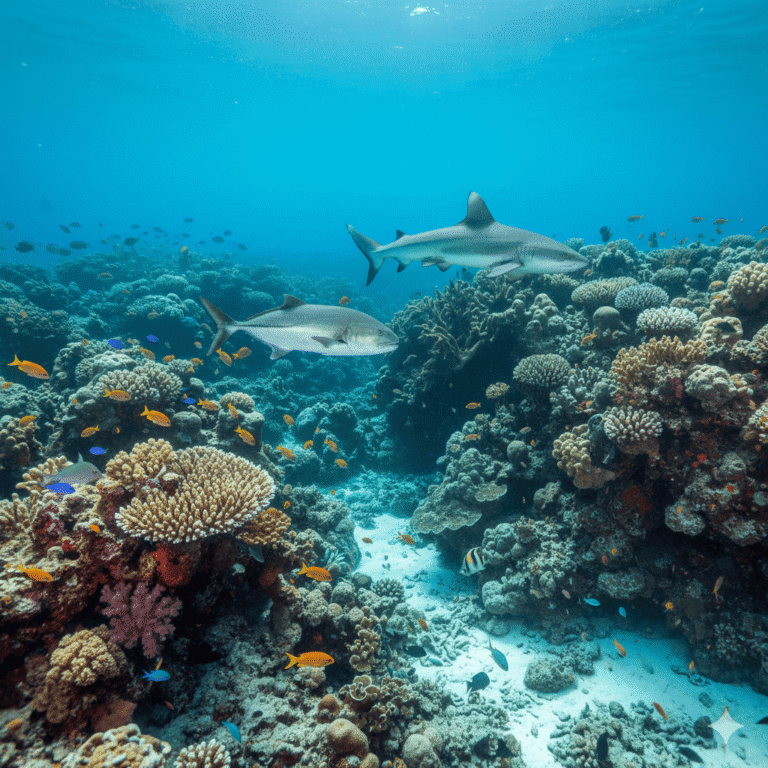
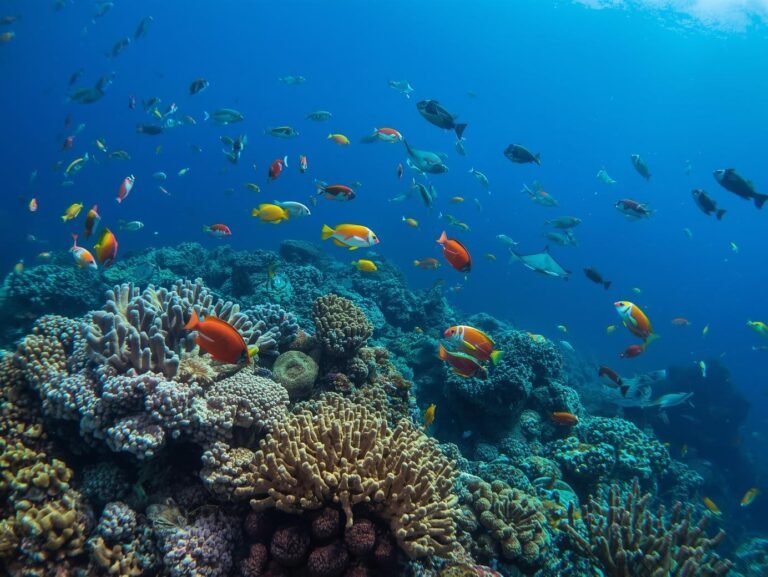
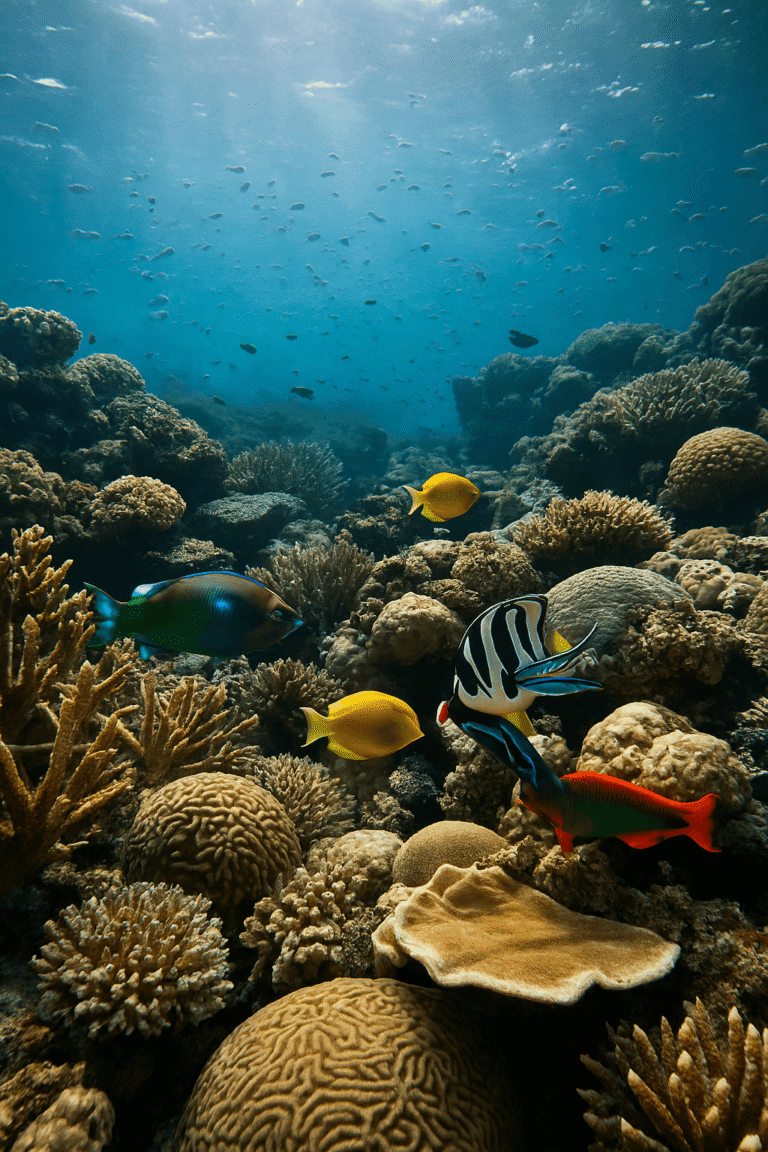
- Coral Reefs: Corals are very sensitive to changes in their environment, such as salinity. Coral bleaching can happen when the salinity drops suddenly, which can happen when it rains heavily or floods. When the coral gets rid of the algae that live in its tissues, it turns white and becomes more likely to get sick and die.
- Estuaries: These are special ecosystems where rivers meet the sea. Their salinity changes all the time. Oysters, crabs, and some kinds of fish are examples of organisms that live here that have evolved to handle these changes. But long periods of drought or too much diversion of freshwater can change the balance of salinity, which could kill these species and hurt the people who depend on them for their jobs.
- Ocean Currents: Salinity and temperature are two of the main things that control global ocean currents. The “thermohaline circulation” is like a huge conveyor belt that moves heat around the world and keeps the climate stable. In the polar regions, salty, cold water is dense and sinks, which makes deep-ocean currents. Any big change in salinity could mess up this circulation, which could have big effects on the weather around the world..

The Future of Marine Life and How Humans Affect It
Sadly, human actions are changing the ocean’s salinity at an alarming rate, which is putting even more stress on marine ecosystems that are already weak.
How Humans Influence Salinity
- Climate Change: Global warming is making glaciers and ice sheets melt faster, which is sending a lot of fresh water into the oceans, especially in the Arctic and Antarctic. This is making the salinity of the surface water in these areas lower, which can mess up ocean circulation.
- Coastal Development: Building cities, farming, and working along coastlines can change how freshwater flows. Deforestation and clearing land can make erosion worse, which sends more sediment and pollutants into the sea. Water diversion projects can also slow down the flow of freshwater into estuaries.
- Desalination Plants: More coastal towns are using desalination as freshwater becomes harder to find. These plants produce freshwater by removing salt from seawater, but they also discharge a highly concentrated brine back into the ocean. This can make “hot spots” of very high salinity that are dangerous to marine life.
- Ocean Acidification: Ocean acidification is happening because the ocean is taking in too much carbon dioxide (CO₂) from the air. It doesn’t directly affect salinity, but it works with other stressors. Corals and shellfish have a harder time building their skeletons and shells in an acidic environment. When this is combined with salinity stress, the effects can be very bad.
Why We Need to Protect Marine Life
It’s not just an environmental issue to protect marine ecosystems from these threats; it’s a human issue as well. Healthy oceans give us food, keep our climate stable, and help many economies through fishing and tourism. The complex network of marine life, from the tiniest plankton that make oxygen to the biggest whales that store carbon, is very important for the health of our planet. We put all of that at risk when we change the delicate balance of salinity.
Conservation efforts must focus on reducing our carbon footprint to combat climate change, implementing sustainable land-use practices to protect coastal water quality, and developing stricter regulations for industrial discharges.
Plan Your Course for Ocean Conservation
The fact that salinity is so important to marine life is a clear sign of how all of the systems on Earth are connected. The ocean’s saltiness is not just a fact; it is an important sign of ocean health and a key part of marine biodiversity. Salinity is very important, from the cellular processes of individual organisms to the global climate system.
As we learn more about how complicated our oceans are, one thing is clear: we need to protect them. Every little thing you do can help make the world a better place. Making a difference is easy when you learn more, make choices that are good for the environment, and give money to conservation groups.If you want to see the beauty of these marine ecosystems for yourself, think about going to Hawaii’s clear waters. Hawaii Guide Hub can help you plan an unforgettable journey to experience the vibrant coral reefs and diverse marine life that depend on the ocean’s delicate balance. Make a reservation for your environmentally friendly adventure with us and see for yourself why this underwater world needs to be protected.