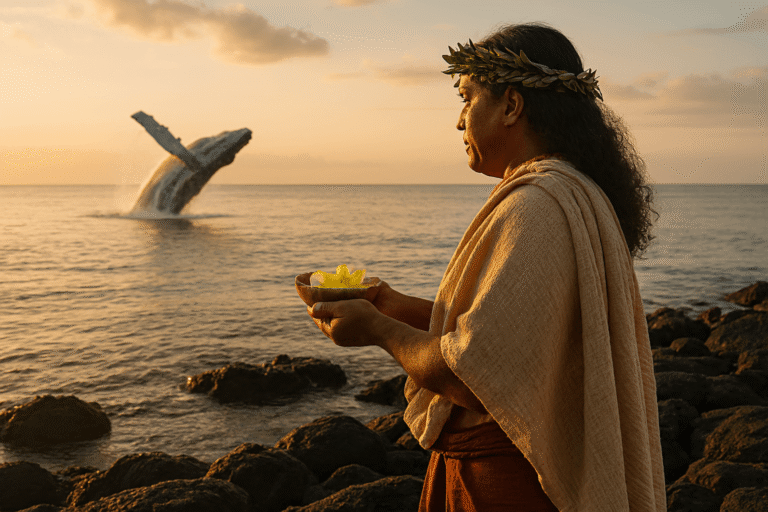

The Best Times and Locations for Whale Watching in Hawaii: A Comprehensive Guide

From December to April, Hawaii becomes nature’s biggest stage as thousands of North Pacific humpback whales come to breed, give birth, and care for their young. These amazing sea mammals swim more than 3,000 miles from their feeding grounds in Alaska to the warm, shallow waters of Hawaii. This is one of the most amazing wildlife displays on Earth.
Timing and location are very important when it comes to whale watching, whether this is your first trip to Hawaii or you’ve been there many times before. When and where you stand along Hawaii’s coastlines can make all the difference between seeing a distant spout and a dramatic breach.
This complete guide shows you the best times of year to see them, the best places on each major island, and insider tips that will help you get as close to these gentle giants as possible. You’ll learn everything you need to know to plan an unforgettable whale watching trip in paradise, from the best times of day to see whales to the best places to do so on Oahu, Maui, and beyond.
Getting to Know Hawaii’s Humpback Whale Season
The busiest time of year is from January to March.
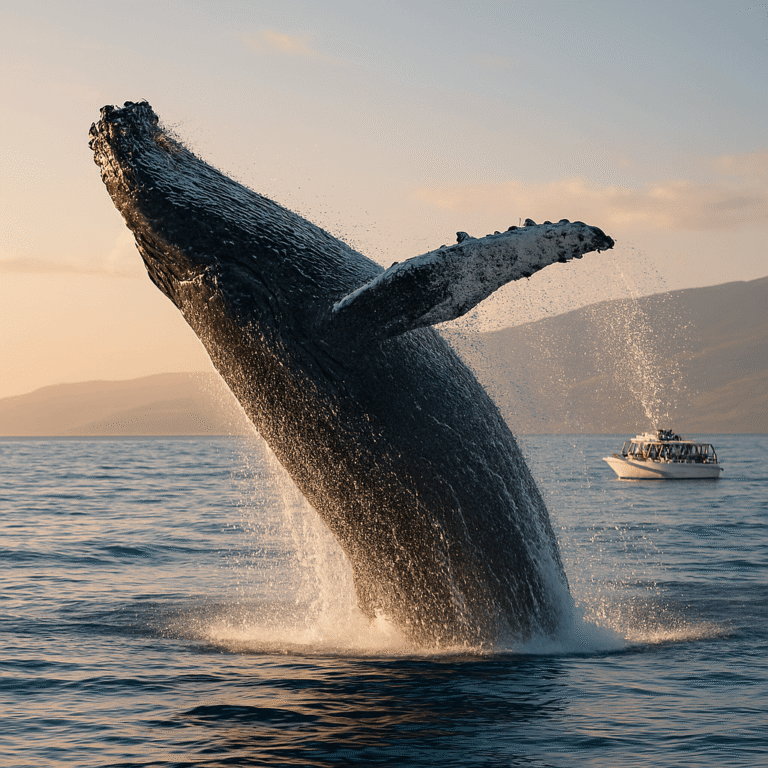
The best time to see whales in Hawaii is from mid-January to mid-March, when humpback whales are most common in Hawaiian waters. During these months, you’ll have the best chance to see amazing behaviors like breaching, tail slapping, and males showing off to each other.
In December, female humpbacks come first, followed by males and young humpbacks. By January, the waters surrounding the Hawaiian Islands teem with whale activity as mating rituals intensify and mothers give birth to calves in the protected shallow areas.
Longer Viewing Window
The best time to see whales is during peak season, but the whale watching season lasts from November to May. Visitors in November and December may see fewer whales, but they usually have more private experiences and less crowded viewing areas.
In April and May, when the season is almost over, you can see mother-calf pairs getting ready to go back to Alaska. These heartwarming scenes of mothers teaching their young important survival skills make for some of the most memorable viewing experiences..
Hawaii’s Best Times of Day to Watch Whales
From 8 AM to 11 AM in the morning
All of the Hawaiian islands have the best conditions for whale watching in the early morning. Serious whale watchers like mornings best because the ocean is calmer, visibility is better, and whales are more active.
The best time of day to see whales in Hawaii is often when they are eating or socializing. Humpbacks are more active in the morning when it’s cooler. They do things like spy hopping, which is when they lift their heads above water to look around.
Late afternoon classes are from 2 to 5 PM.
Late afternoon is another great time to see whales, especially for photographers looking for dramatic lighting. The good visibility and active whale behavior will last all afternoon, but the ocean may get a little rougher as the trade winds pick up.
Things to think about when it comes to the weather
Ocean conditions significantly impact whale watching success. When the seas are calmer, it’s easier to see and more comfortable to watch. The morning hours are usually the calmest, while the afternoons can bring more wind and choppy waters, especially along coastlines that face the wind.
Best Islands for Whale Watching
Oahu: Whale watching in the city is easy
The South Shore is great
The south shore of Oahu has some of the easiest places in Hawaii to see whales. The safe waters between Diamond Head and Koko Head are great places to see humpback whales without leaving Honolulu.
The best time to see whales on Oahu is usually in the morning along the south shore, when the water is calm and clear. Diamond Head Lookout, Makapuu Lighthouse Trail, and a number of beaches along the southeastern coast are all popular places to go on the shore.
Pros of the West Coast
Oahu’s west coast, particularly areas around Ko Olina and the Waianae Mountains, offers spectacular whale watching opportunities with fewer crowds. Humpbacks like to swim in deeper waters farther out to sea, and the mountains in the background make for beautiful pictures.
Honolulu Style Whale Watching
It’s easy to get to whale watching tours from Honolulu’s harbor area, but viewing from the shore from high places like Tantalus Drive and Diamond Head can be just as rewarding. Oahu is a great place for people who don’t have a lot of time but still want to see whales because it’s easy to get to.
Maui: The Humpback Highway
Maui County Marine Life Conservation District
Maui is known as the best place in Hawaii to see whales. The shallow channel between Maui, Molokai, and Lanai is where North Pacific humpbacks breed and give birth. The Hawaiian Islands Humpback Whale National Marine Sanctuary is a protected area where you can see whales like no other place.
The Golden Coast of West Maui
The waters off West Maui, particularly between Lahaina and Kaanapali, provide some of the most reliable whale sightings in the Pacific. The combination of shallow, protected waters and high whale concentrations makes this area a must-visit destination for whale enthusiasts.
Morning tours that leave from Lahaina Harbor always offer amazing views, and you can often see multiple whales within the first hour of leaving. The safe waters also make sure that all passengers are comfortable.
South Maui is great
You can see whales from the shore or from a boat along South Maui’s coast, which runs from Kihei to Wailea. The high points along the coast give you a wide view of the whale sanctuary, and launch points nearby make it easy to get to the best viewing waters.
Is it worth it to go whale watching in Maui?
Yes, for sure. Maui is the best place for serious whale watchers because it is in the middle of the humpback whale sanctuary, has a lot of different ways to see the whales, and is always calm. No matter how you choose to see the island, the infrastructure and experienced tour operators will make sure you have a great time.
Big Island: Many Different Coastal Options
Benefits of the Kona Coast
The Kona coast of the Big Island is a great place to watch whales because it has deep water and a wide range of marine life. Humpback whales often approach closer to shore along this coastline, providing excellent viewing from elevated locations like the Kealakekua Bay overlook.
Hilo Side Experiences
On the eastern side of the Big Island, you can see whales from different angles, including humpbacks with Mauna Kea and Mauna Loa in the background. The scenery is so dramatic that when whales do show up, it’s an experience you’ll never forget, even though it’s not always easy to predict.
Kauai: A Close-Up Look at the Island
The Na Pali Coast is amazing.
The dramatic Na Pali Coast of Kauai makes a beautiful place to watch whales, especially from high points along the coastal trail system. The combination of towering cliffs and deep offshore waters creates unique opportunities for both shore-based and boat-based viewing.
South Shore Consistency
There are a number of great places on Kauai’s south shore where you can reliably see whales from the shore. Families and people who are seeing whales for the first time will find this area to be especially good because the water is calm and the visibility is good.

Advantages of Whale Watching from Shore vs. Boat
There are many benefits to whale watching from the shore, such as being cheaper, being able to go at any time, and being able to spend a lot of time looking for whale activity. Many of Hawaii’s high coastal areas are great places to see things without having to take a boat tour.
Parking lots, restrooms, and sometimes interpretive displays that explain how humpback whales behave and migrate are common at popular shore-based locations. Visitors can see whales at their own pace while taking in the beautiful coastal scenery of Hawaii at these places.
Benefits of Boat Tours
Watching whales from a boat gives you a closer look and more chances to see them. Professional guides offer educational commentary about humpback whale behavior, while boats can position themselves for optimal viewing angles as whale activity unfolds.
Modern whale watching boats have comfortable seats, places to get out of the sun, and sometimes even windows that let you see underwater. The ability to change locations based on whale activity makes it much more likely that you’ll have memorable encounters.
Making the most of your whale watching experience
Necessary Gear and Getting Ready
Optical Equipment
Binoculars dramatically enhance whale watching experiences, allowing detailed observation of distant behaviors and identifying characteristics. Find 8×42 or 10×50 binoculars that give you good magnification and keep the image stable on boats that are moving.
Telephoto lens cameras can take pictures of special moments, but keep in mind that the experience is often better than the picture. Think about getting waterproof cases and extra batteries if you plan to watch for a long time.
Protection from the weather
The tropical sun in Hawaii shines very brightly off the ocean, so it’s important to protect your skin from the sun. High-SPF sunscreen, wide-brimmed hats, and polarized sunglasses protect you from UV rays and cut down on glare that can make it hard to see whales.
Light layers can handle changing weather, since morning tours may start out cool but get warm quickly as the sun rises. Rain jackets provide protection during occasional tropical showers.
What to Look For
How to Spot Whale Signs
If you learn how to spot whale signs, your chances of success go up a lot. Look for spouts, which are vertical columns of mist that rise from the ocean’s surface. Humpback whale spouts are easy to spot and can be seen from several miles away when the weather is clear.
When whales dive, their dorsal fins break the surface. When their tail flukes are high above the water, they are diving deeper. If you see whales splashing and white water, it could mean they are breaching, tail slapping, or fighting with each other.
Behavioral Patterns
Humpback whales usually come to the surface in a set pattern, breathing a few times before diving deeper for longer periods of time. Knowing these patterns can help you guess where whales will come back up, which will make it more likely that you will see amazing behaviors.
Pairs of mother and calf often act differently than adults who are alone or in groups that are competing. Mothers with young calves tend to stay in shallower waters and come to the surface more often, giving people more chances to see them.
Getting ready for your Hawaiian whale watching trip

Things to think about by season
When and where to see whales in Hawaii depends on what you want to do and when you can go. The best time to go is during peak season, when you’re most likely to see animals, but prices are higher and there are more people. Visiting in December or April, which is the shoulder season, is a great way to see whales without spending a lot of money.
Consider spending time on multiple islands if your schedule allows. From Maui’s famous sanctuary waters to Oahu’s easy-to-reach urban areas, each island has its own unique views and whale watching opportunities.
Things to think about when booking
During peak season, book whale watching activities ahead of time because popular tours fill up quickly. Many operators offer guarantee policies, providing future tours if no whales are sighted during your scheduled trip.
Think about how long and what kind of whale watching experience you would like. Half-day tours offer a full experience, while shorter trips are better for families with young children or people with busy schedules.
How to Get the Most Out of Your Whale Watching Trip in Hawaii
Hawaii’s whale watching is magical for more than just seeing these amazing animals. Each encounter provides insights into one of nature’s most remarkable migration patterns and offers connections to Hawaii’s deep cultural relationship with marine life.
Hawaii’s humpback whale season offers unforgettable experiences that will stay with you forever, whether you choose the calm waters off Maui, the easy-to-reach beaches of Oahu, or the dramatic coastlines of Kauai and the Big Island.
Are you ready to see Hawaii’s most amazing natural event? Hawaii Guide Hub specializes in connecting visitors with the islands’ premier whale watching experiences, from intimate shore-based viewing to comprehensive boat tours. Our local knowledge will make sure you’re in the right place at the right time to see whales, so you’ll have memories that will last long after your trip to Hawaii is over.