Malasadas: The Sweet Taste of Hawaii’s Portuguese Roots

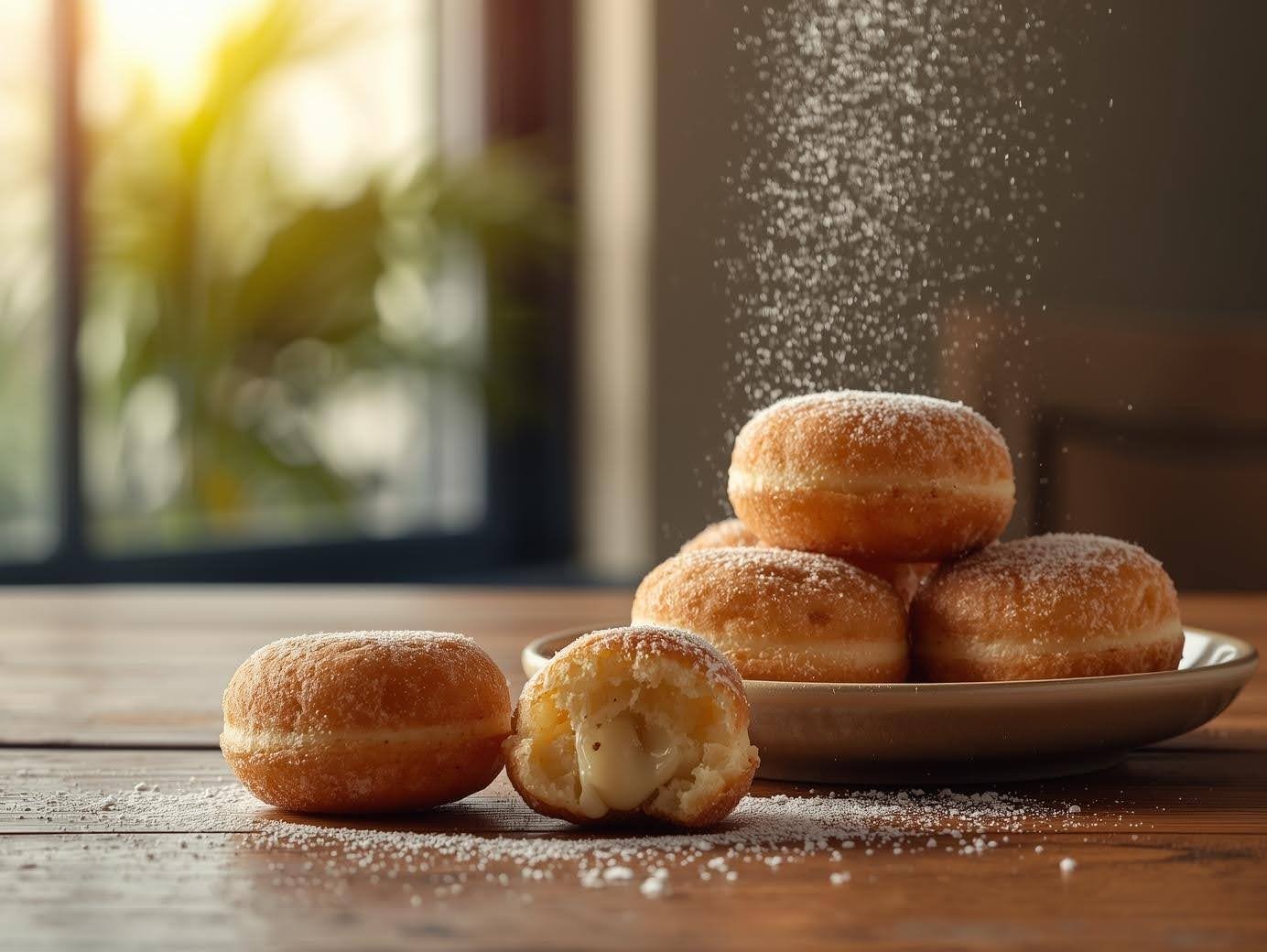
A warm, sugar-dusted malasada fresh from the fryer is one of the best desserts for taking you to a tropical paradise. These soft Portuguese donuts are now a part of Hawaiian culture. They stand for hundreds of years of immigration, adaptation, and the beautiful mix of flavors that makes the islands unique.
If you’ve had malasadas while in Hawaii or seen them on a food show, you know that these golden treats are more than just sweet—they’re a story of cultural exchange and community celebration. Malasadas have gone from being simple pastries in Portugal and Madeira to becoming famous in Hawaiian bakeries. They are now one of the most popular pastries in the Pacific.
This complete guide will teach you everything you need to know about malasadas, including their interesting history and how to make real ones at home. You’ll learn about the cultural significance of Malasada Day, see how it has changed in different parts of the world, and find out where to get the best examples of this popular treat.
The Long History Behind Every Bite
Portuguese Roots and Traditions at Sea
first made as a way to use up rich foods before Lent. Portuguese bakers would mix eggs, flour, sugar, and milk into a dough with yeast, then fry it into golden balls of deliciousness.
The word “malasada” comes from the Portuguese phrase “mal assada,” which means “badly baked” or “undercooked.” This name may not sound good, but it actually describes the dessert’s soft, slightly undercooked inside, which is what makes real malasadas different from regular donuts.
Trip to the Hawaiian Islands
Malasadas came to Hawaii at the same time that Portuguese people started moving there in the late 1800s. From 1878 to 1913, about 20,000 Portuguese workers came to Hawaii to work on sugar plantations. Malasadas were a sweet reminder of home that stood out among their cultural contributions.
Portuguese families would make malasadas for special events and slowly share the recipe with their neighbors from other cultures. As time went on, Hawaiian bakers started to put their own spin on the traditional recipe by using local ingredients and changing how they made it to fit life on the islands.
The Importance of Culture in Hawaiian Society
A Sweet Celebration on Malasada Day
Malasada Day, which falls on Shrove Tuesday (the day before Ash Wednesday), is now one of Hawaii’s most popular food holidays. The Portuguese Catholic tradition of eating rich foods before Lent starts is what this celebration is based on.
On this special day, bakeries all over Hawaii make thousands of malasadas, and they often sell out before noon. Local news stations report on the events, families plan their trips to the bakery weeks in advance, and the day has become a cultural event that brings people of all races together.
Family Traditions and Ties to the Community
Many Hawaiian families have kept the tradition of making malasadas for special events and passing down recipes from one generation to the next. At these get-togethers, family members often work together. Some make the dough, some handle the frying, and everyone helps with the last step, which is to dust the sugar on top.
Making malasadas together is a reflection of Hawaiian values of ‘ohana (family) and community cooperation, turning a simple dessert into a meaningful cultural activity.
Real Malasadas Need These Important Things
Main Parts
To make real malasadas, you need certain ingredients that give them their unique taste and texture:
Active dry yeast: Provides the characteristic light, airy texture
All-purpose flour: This is what makes up the dough’s base.
Granulated sugar: Makes the dough sweeter and gives it a coating.
Big eggs: Make things richer and help hold things together.
Whole milk makes the crumb soft and tender.
Butter: gives food flavor and makes it soft
Salt: Improves the balance of flavors overall
Vanilla extract: Adds depth of scent
Vegetable oil: Necessary for frying at the right temperature
Things to think about when it comes to quality
The quality of the ingredients is very important to the success of malasadas. Fresh yeast makes sure the dough rises correctly, and high-quality vanilla extract improves the taste. Using whole milk rather than low-fat alternatives creates the rich, tender texture that defines authentic malasadas.
One Step at a Time Malasada Recipe: Getting Ready
Start by mixing a tablespoon of sugar into warm milk (about 110°F) to wake up the yeast. This should take 5 to 10 minutes, and the mixture will start to foam, which means the yeast is working.
Put the flour, sugar, and salt in a big bowl and mix them together. Make a well in the middle and add the yeast mixture that has been activated, the beaten eggs, the melted butter, and the vanilla extract.
Making the dough
Combine the ingredients until they make a soft, slightly sticky dough. The dough should be softer than normal bread dough but still strong enough to hold.Until the dough is smooth, knead it for 3 to 4 minutes.
Put the dough in a bowl that has been greased, cover it with a damp towel, and let it rise in a warm place for 1–2 hours, or until it has doubled in size.
Shaping and the Second Rise
After the initial rise, gently punch down the dough and turn it onto a lightly floured surface. Roll out to about 1/2 inch thick and cut into squares or use a round cutter to make traditional shapes.
Put the cut malasadas on baking sheets lined with parchment paper, cover them, and let them rise for another 30 to 45 minutes, or until they are puffy.
How to Fry
In a heavy-bottomed pot or deep fryer, heat vegetable oil to 375°F. This temperature is very important. If it’s too hot, the outside burns before the inside cooks. If it’s too cool, the malasadas soak up too much oil.
Carefully drop malasadas into hot oil, frying only two or three at a time to keep the oil hot. Cook for one to two minutes on each side, or until golden brown.
Last Touch
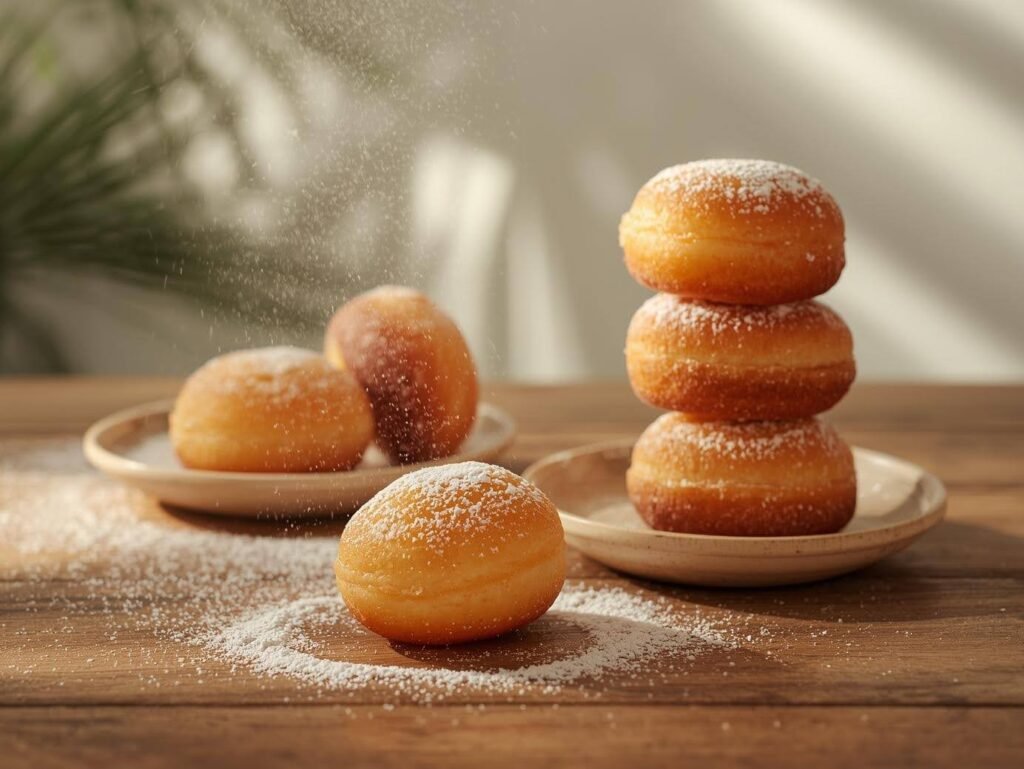
Use a slotted spoon to take out the malasadas, then roll them in granulated sugar while they are still warm. The heat left over helps the sugar stick, making the sweet coating that is so well-known.
New and creative versions and adaptations
Malasadas with filling
Modern Hawaiian bakeries sell malasadas that are filled with different creams and custards. Some common fillings are:
Haupia: A traditional filling for coconut pudding
Chocolate: Creamy chocolate or ganache
Lilikoi (Passion Fruit) is a tart, tropical fruit filling.
Dobash: Sweet custard similar to Boston cream
Malasada de ovo: A traditional filling of egg custard
Different Flavors of Dough
Modern bakers try out flavored malasada dough, which includes:
Taro is a purple root vegetable that is popular in Hawaiian food.
Ube is a purple yam from the Philippines.
Japanese green tea powder is called matcha.
Coconut: Shredded coconut is mixed into the dough.
Cinnamon: A warm spice that is added to the base recipe
Regional Adaptations
Malasadas have changed in different ways on different Hawaiian islands and in Portuguese communities. Some Hawaiian malasadas have macadamia nuts or tropical fruit flavors in the dough, while Madeira-style malasadas often have orange zest in the dough.
Suggestions for serving and pairing well
Traditional Side Dishes
Malasadas pair beautifully with various beverages:
Portuguese coffee: The strong, dark roast coffee balances out the sweetness.
Hawaiian coffee: Kona coffee from the area gives the island a real feel
Hot chocolate: The rich cocoa goes well with the fried pastry.
Milk: a classic combination that cleanses the palate
Ideas for Serving Creatively
Think about these new ways to present:
Sandwiches with ice cream: Cut malasadas in half and fill them with tropical ice cream.
Pudding made with bread: Malasadas that are a day old are great for making bread pudding.
Layers of trifle: Add pieces to desserts with layers
Breakfast side dish: Serve with tropical fruit on the side.
Health Concerns and Mindful Enjoyment
Nutritional Information
Malasadas are undeniably indulgent treats, typically containing 300-400 calories each depending on size and preparation method. They give you energy in the form of carbohydrates, but they are also high in sugar and fat.
Ways to be moderate
To enjoy malasadas as part of a healthy diet, you need to:
Being aware of portions: Limit yourself to one or two pieces per serving.
When to eat: Eat it earlier in the day so you can use the energy.
Balance: Eat with foods that are high in protein or fiber.
For special occasions, save it for celebrations instead of eating it every day.
Healthier Ways to Prepare
While staying true to the original, think about making these changes:
Instead of frying, bake: Cuts down on the amount of oil by a lot
Whole wheat flour blend: adds more fiber
Less sugar coating: Light dusting rather than heavy coating
Smaller portions: Make small malasadas to help you control your portions.
Where to Find Real Malasadas
Hawaiian Bakeries and Businesses
Hawaii is home to many places that are known for their malasadas:
Old-fashioned Portuguese bakeries keep family recipes that have been passed down through the years. Newer bakeries, on the other hand, try out new flavors and methods.
Portuguese communities on the mainland United States, especially in California and New England, sell real malasadas. These bakeries often serve Portuguese-American communities and use traditional methods to make their food.
Making It Yourself vs. Buying It
You can control every part of making malasadas at home, but authentic bakery versions let you experience traditional methods and recipes that have been passed down through the years. Depending on your goals and how much time you have, both methods are good.
Making plans for your malasada trip
When to Visit
If you want to try malasadas in Hawaii, plan your trip around Malasada Day to get the full cultural experience. However, quality malasadas are available year-round at established bakeries.
What to What to Look Forward To
Malasadas that are real should be:
Light and airy: The right amount of yeast makes the inside soft.
Brownish gold: Even frying makes the color even.
Warm: Best when eaten right after frying
Sweet but not too much: The sugar coating shouldn’t be too strong for the dough.
Respect and appreciation for other cultures
When you eat malasadas, think about what they mean to the culture. These pastries are a symbol of the Portuguese influence on Hawaiian culture and the beautiful mix that makes life on the islands so special.
Keeping the old ways while welcoming new ones
Malasadas keep changing while staying true to their cultural roots. Hawaiian bakers today find a balance between tradition and innovation. They make new flavors while still following the basic steps that make malasadas authentic.
Hawaii’s broader cultural approach is to embrace diversity while honoring heritage, and this change shows that. Whether you like traditional plain malasadas or modern filled ones, every bite takes you back in time to centuries of culinary tradition.
The story of malasadas shows how food can be more than just nutrition; it can also be a way to express culture, build community, and keep connections between generations. You’re taking part in this rich tradition as you start your own malasada journey.
Are you ready to see the real magic of Hawaiian culture and food? Hawaii Guide Hub can help you plan the perfect trip to the islands, including tips on the best local bakeries and cultural activities. We know the area well, so we’ll not only show you where to find the best malasadas, but also tell you the stories and traditions that make them special. Get in touch with us today to start planning your real Hawaiian vacation.