
How do coral reefs support marine life?

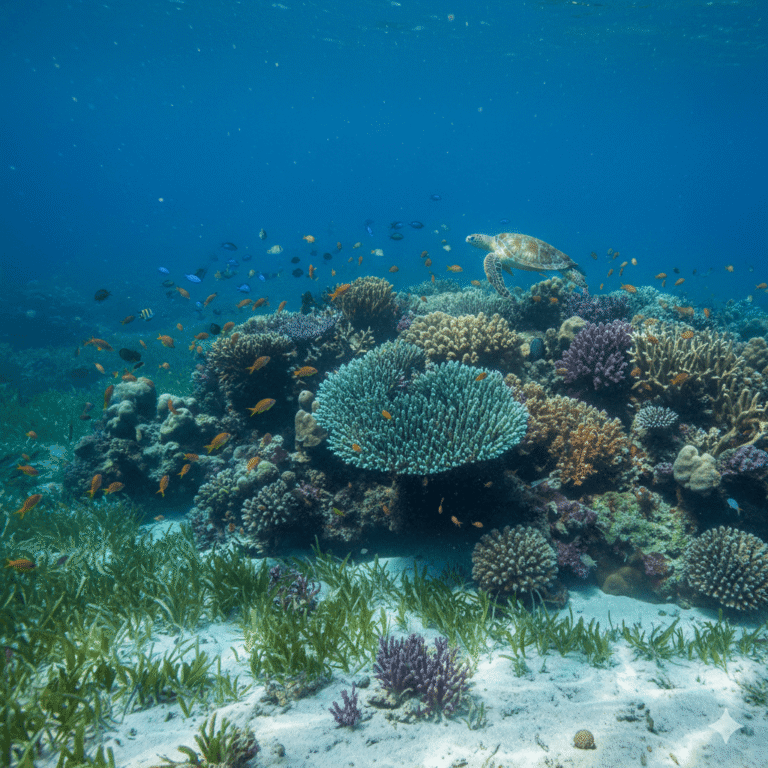
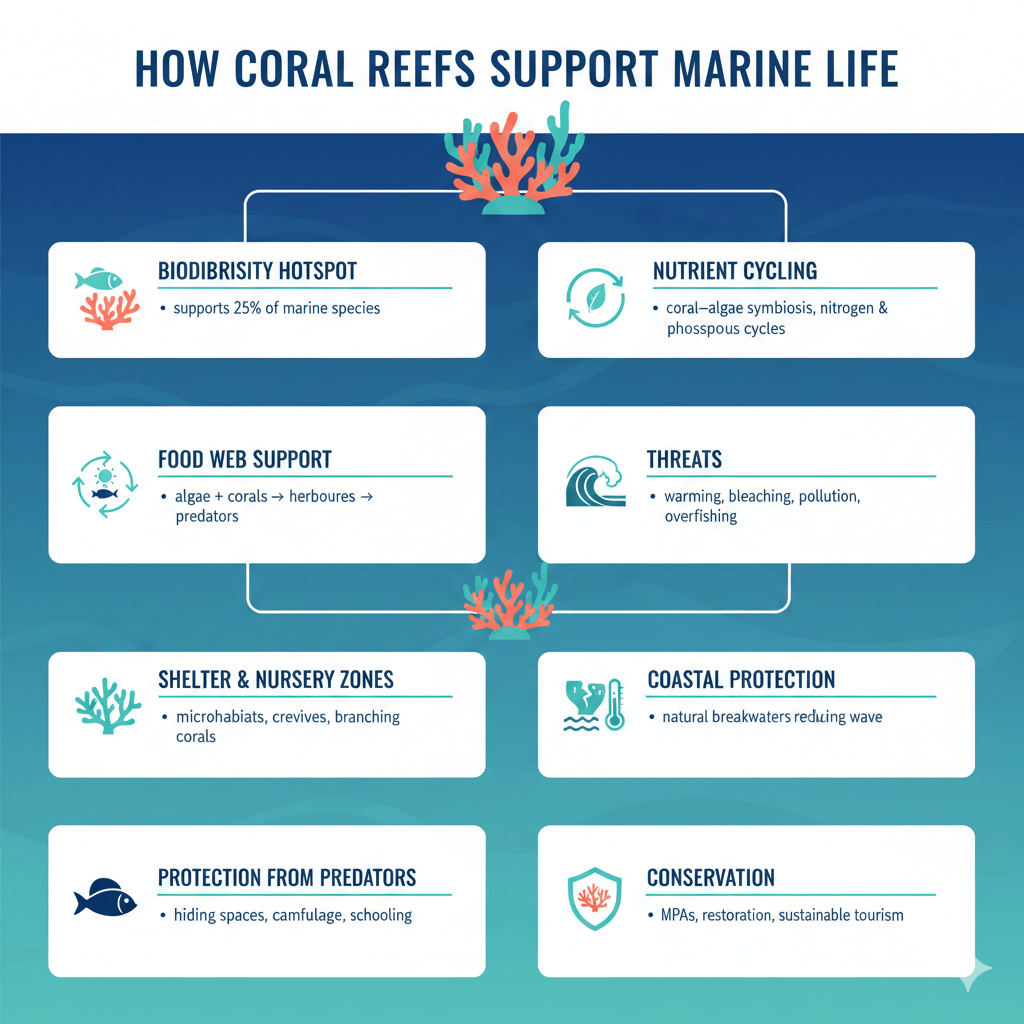
Coral reefs are one of nature’s most amazing creations. They are colorful underwater ecosystems that are as diverse and complex as tropical rainforests. Over thousands of years, tiny marine animals built these living structures. They make up the backbone of ocean life and support about 25% of all marine species, even though they only cover about 1% of the ocean floor.
Learning about how coral reefs help marine life shows how all the different parts of the ocean work together to keep it healthy. Coral reefs are like underwater cities where many different species live, interact, and thrive. They provide important habitat and food sources, help with complicated breeding cycles, and protect against predators.
This complete guide looks at the many ways coral reefs help marine ecosystems, the dangers they face, and why it’s so important to protect these underwater treasures for the health of the ocean. This deep dive will teach you everything you need to know about reef life, whether you want to visit Hawaii’s beautiful coral reefs or just learn more about these amazing ecosystems.
What Are Coral Reefs?
Coral reefs are some of the most complicated marine ecosystems on Earth. They are made up of tiny animals and microscopic plants that work together in amazing ways. Coral polyps, which are small, soft-bodied animals that are related to jellyfish and sea anemones, make up the base of coral reefs. These polyps make hard, protective skeletons out of calcium carbonate. Over time, these skeletons build up to make the reef structure we see today.
A very special symbiotic relationship is the key to the success of coral reefs. Zooxanthellae are tiny algae that live inside the tissues of coral polyps. These algae use photosynthesis to turn sunlight into energy, which they then share with the coral that lives with them. The algae get protection and nutrients from the coral in return. Coral reefs can grow well in tropical waters that don’t have a lot of nutrients because of this partnership. Other ecosystems would have a hard time doing the same.
There are three main types of coral reefs, and each one supports a different group of marine life. Fringing reefs grow right off the shore and are usually found in shallow, clear water. Barrier reefs run parallel to coastlines, but there are deeper lagoons between them. When volcanic islands sink, they create atolls, which are ring-shaped reefs that surround them. This makes lagoons that are closed off.
Coral reefs have a three-dimensional structure that creates a habitat with many nooks, crannies, and overhangs. The amazing variety of life that coral reefs support is made possible by this complex architecture.
Biodiversity Hotspot: The Rainforests of the Sea
Coral reefs are known for having a lot of different kinds of marine life in a small area. Scientists think that coral reefs are home to more than 4,000 kinds of fish, 700 kinds of coral, and thousands of other plants and animals.
The reef can create many different types of habitats, which is what makes this diversity so amazing. Different species have adapted to use every space and resource in the reef ecosystem. Cleaner fish, like wrasses, make cleaning stations where bigger fish go to get rid of parasites. Parrotfish eat algae that grows on coral, which helps keep the balance between coral and algae growth. As top predators, groupers and snappers patrol the reef and keep smaller fish in check.
The reef ecosystem is home to species at all levels of the food web. Zooxanthellae algae in coral tissues, as well as different types of seaweed and marine plants, are examples of primary producers. Primary consumers include small zooplankton and fish that eat plants, like surgeonfish and tangs. Smaller predatory fish are secondary consumers, while sharks, barracuda, and large groupers are apex predators that sit at the top of the food web.
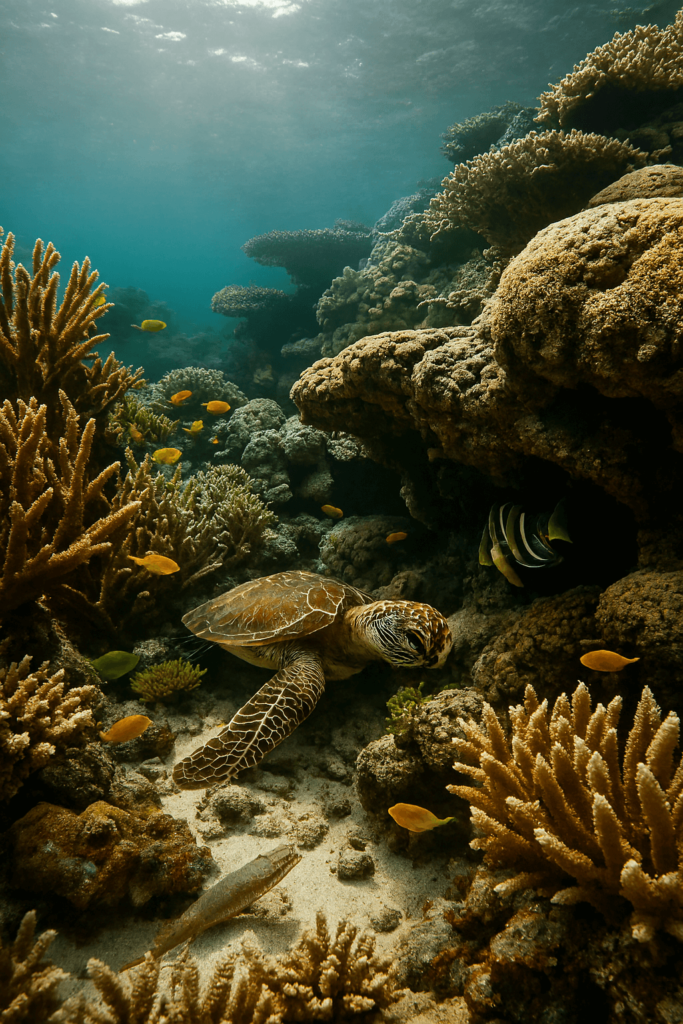
Many iconic marine species depend entirely on coral reefs for survival. Sea turtles need healthy reefs to find food. For example, green sea turtles eat algae and hawksbill turtles eat sponges. Reef sharks keep an eye on the ecosystem and keep the fish populations in check. Even dolphins, which are marine mammals, often hunt in reefs because there are so many fish there.
Food Web Support: The Key to Ocean Productivity
Coral reefs are very good at making food because they turn sunlight into energy that flows through complicated food webs to feed thousands of species. Corals and algae work together in a way that makes them very productive. This relationship creates energy that is much more than what the nutrient-poor tropical waters could support on their own.
There are many ways that coral reefs make primary production. Coral tissues have zooxanthellae algae that use photosynthesis to make organic compounds. Most of these compounds are shared with the coral host. Turf algae, coralline algae, and seagrass beds that are part of reef systems also add to primary production. These primary producers form the base of food webs that support everything from tiny zooplankton to large predators.
The flow of energy through reef food webs is remarkably efficient. Parrotfish, surgeonfish, and tangs are examples of herbivorous fish that turn algae into protein. Predatory fish then eat the protein. Planktivorous fish filter out tiny organisms from the water column, and detritivores break down organic matter, putting nutrients back into the system.
Coral reefs also have complicated feeding relationships that make the most of energy transfer. As they get older, many reef fish change what they eat. As young fish, they eat plankton, but as adults, they eat plants or other fish. Because of this flexibility, reefs can support large populations of fish without using up all of their food sources.
Coral reefs are productive in ways that go beyond their physical limits. Many reef fish go outside the reef to eat, which brings nutrients back to the reef ecosystem. This transfer of nutrients helps keep reef systems productive in tropical waters that don’t have a lot of nutrients.
Nature’s apartment complex: a place to live and stay safe
Coral reefs have a three-dimensional structure that makes them a complicated habitat that gives shelter, breeding grounds, and living space to many marine organisms. The vertical relief and complex architecture of coral formations create thousands of microhabitats, each of which supports a different species. This is different from the relatively flat ocean floor that surrounds reefs.
Different types of coral grow in different ways, which makes coral reefs structurally complex. Branching corals like staghorn and elkhorn create canopy-like structures that provide shelter for schools of fish. Boulder corals and massive brain corals make strong bases with cracks that eels, octopuses, and crustaceans can live in. Plate corals make overhangs that protect animals that come out at night from the sun.
Coral reefs can support a wide range of species because they have so many different types of habitats. Territorial damselfish protect small areas of algae garden on coral surfaces. Chromis schools float above branching corals, ready to dart into the coral branches if they feel threatened. Flounders and rays, which live on the bottom, use sandy areas between coral formations to eat and sleep.
Many marine species use coral reefs as important places to raise their young. Young fish often need a different habitat than adult fish, and the complex structure of the reef gives them safe places to grow and develop. Seagrass beds and mangrove areas connected to coral reefs extend these nursery habitats, creating interconnected ecosystems that support different life stages of the same species.
Coral reefs offer more than just a place to sleep during the day. Different species of fish are active at different times. For example, fish that are active during the day hide in crevices at night, and fish that are active at night come out to eat. By reducing competition between species, this splitting of habitat into different time periods allows reefs to support even more biodiversity.
Hide and Seek Champions: Keep Away from Predators
Coral reefs excel at providing protection from predators through their complex physical structure and the evolutionary adaptations of their inhabitants. There are many places for smaller fish to hide from bigger predators in the complex maze of coral formations, caves, and crevices.
The structural complexity of coral reefs determines how well they work as safe havens. Branching corals make thick thickets where small fish can move around easily but larger predators can’t follow. Fish can hide in coral caves and overhangs when they feel threatened. These refuges come in different sizes, so they can fit different types of fish. For example, tiny gobies can hide in small coral crevices, while larger fish can use coral caves.
Many reef species have come up with amazing ways to stay safe from predators while living on the reef. Many fish change their colors and patterns to blend in with the coral around them, which is very common. Some species can rapidly change color to match different backgrounds as they move across the reef. Some have changed to look like harmless or unappetizing species, which protects them through trickery.
The temporal patterns of predator and prey activity also provide protection. During the day, when they can see predators coming and react quickly, many small reef fish are most active. As darkness falls, these fish retreat to secure hiding places within the coral structure while nocturnal predators begin their hunting activities.
Being in a group makes it harder for predators to get to you. Schools of fish can make it harder for predators to find their prey and make it less likely that any one fish will be eaten. Some species form groups with members of other species so that they can all benefit from the vigilance and defensive behaviors of the others. Cleaner fish stations are also safe places to hide, where even predatory fish follow rules that keep the cleaners safe.
The Reef’s Recycling System: Nutrient Cycling
Coral reefs are very good at cycling nutrients, which helps create productive ecosystems in tropical waters that don’t have a lot of nutrients. This happens through complex biological and chemical processes. This nutrient cycling is essential for maintaining the high productivity that supports diverse marine life.
Coral-algae symbiosis is what makes reef nutrient cycling possible. Zooxanthellae algae in coral tissues take in carbon dioxide and make organic compounds. The coral, on the other hand, gets nitrogen and phosphorus from the prey it catches and the waste it makes. This tight cycling keeps nutrients in the reef system instead of letting them go into the ocean around it.
There are many ways and organisms that nitrogen moves through coral reefs. Bacteria that fix nitrogen turn nitrogen from the air into forms that marine plants and algae can use. Fish waste and decaying organic matter are other sources of nitrogen. Denitrifying bacteria finish the cycle by turning extra nitrogen back into nitrogen in the air. This stops nutrient overload, which could hurt coral health.
The cycling of phosphorus is just as important for the productivity of reefs. Phosphorus is often trapped in the calcium carbonate structure of the reef itself, making a reservoir that slowly releases nutrients when they are needed. Fish and other living things store phosphorus in their tissues, and their waste products move this important nutrient around the reef ecosystem.
The physical structure of coral reefs also contributes to nutrient cycling by trapping particles and organic matter that would otherwise be swept away by currents. Bacteria and other decomposers break down this trapped material, putting nutrients back into the reef ecosystem.
Coral reefs can stay very productive even though they are surrounded by open ocean waters that are low in nutrients. This is because they are able to cycle nutrients efficiently. This level of efficiency is very important for the many different types of marine life that depend on reef ecosystems.
Nature’s Breakwaters: Protecting the Coast
Coral reefs are important for protecting the coast because they act as natural breakwaters that absorb wave energy and keep shorelines from eroding and being damaged by storms. This protective function not only preserves coastal habitats but also creates calmer waters where many marine species can thrive.
Coral reefs are built in a way that makes them great at absorbing wave energy. When waves hit the reef, the coral formations’ complicated three-dimensional structure causes wave energy to be lost through friction and turbulence. Studies have shown that healthy coral reefs can reduce wave energy by up to 97%, dramatically reducing the force of waves reaching the shoreline.
This wave protection makes calm lagoons and safe waters between the reef and the shore. These protected areas are important nurseries for young fish, sea turtles, and other marine animals that need calm waters to eat and grow. Seagrass beds and mangrove ecosystems in these protected areas make the habitat even better for marine species.
Coral reefs protect the coast from more than just normal waves; they also protect it from storm surges and other severe weather events. During hurricanes and cyclones, coral reefs can significantly reduce the height and power of storm surges, protecting both marine habitats and human coastal communities.
This coastal protection is worth a lot of money. Coral reefs protect the coast from damage and keep valuable coastal ecosystems safe. They do this by providing billions of dollars in services every year. Coral reefs protect the coast, but when they die from bleaching, disease, or human activity, the coast is more likely to erode and be damaged by storms.
Coral Reefs Are in Danger: An Ecosystem Under Pressure
Coral reefs are in danger like never before, which could make it hard for them to support marine life. Climate change is the biggest threat to the whole world. Coral reefs are dying all over the world because the ocean is getting warmer. When the water gets too hot for coral, the algae that live with them leave, leaving the coral white or “bleached” and open to disease and starvation.
Ocean acidification, which happens when more carbon dioxide in the air dissolves in seawater, makes it hard for corals to build and keep their calcium carbonate skeletons. When the pH of the ocean goes down, the chemical processes that help corals build their reefs don’t work as well, which weakens the base of reef ecosystems.
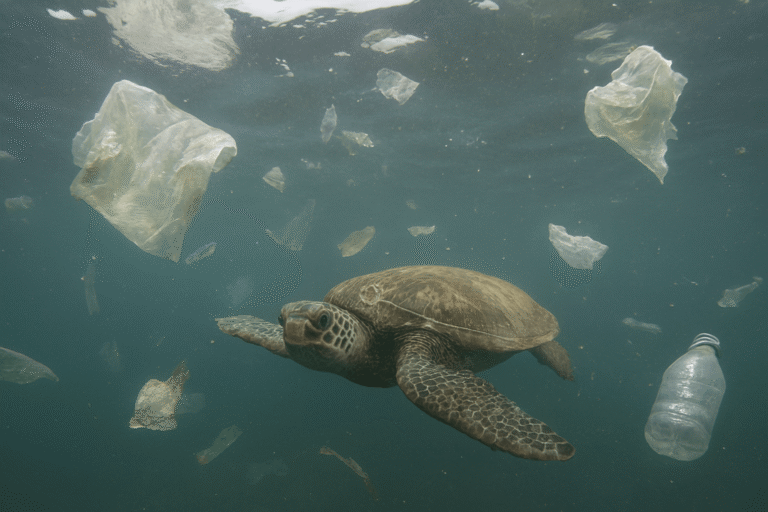
Local threats compound these global challenges. Agricultural runoff pollution adds too many nutrients to the water, which helps algae grow and covers corals, throwing off the delicate balance of reef ecosystems. Plastic pollution and chemical contaminants further stress coral communities and the marine life they support.
Taking too many fish out of the ocean throws off the balance of reef ecosystems by taking away important species that keep coral communities healthy. When herbivorous fish die, algae can grow over corals. When predators are removed, the effects can spread throughout the food web.
Coastal development, boat anchors, and bad fishing practices all cause physical damage that directly destroys coral habitat. Tourism can cause damage through trampling, touching, and boat groundings if not properly managed. However, the effects of tourism are usually less severe than those of other threats.
These threats are having a combined effect that is damaging coral reefs all over the world. Scientists estimate that the world has already lost approximately 50% of its coral reefs, with many remaining reefs showing signs of severe stress.
Conservation Efforts: Keeping Ocean Treasures Safe
There are many ways to protect coral reefs, and these efforts are aimed at threats both globally and locally. To deal with the main causes of coral bleaching and ocean acidification, we need to reduce greenhouse gas emissions to help fight climate change. International agreements and national policies aimed at reducing carbon emissions are crucial for the long-term survival of coral reefs.
Marine protected areas (MPAs) provide refuges where coral reefs can recover from local stressors. Well-managed MPAs limit fishing, anchor damage, and other human activities that harm the environment while letting natural processes in the ecosystem work. Studies indicate that fish populations and coral coverage are generally greater in protected areas than in unprotected reefs.
Coral restoration work is becoming more and more important for the health of reefs. Scientists and conservationists are coming up with ways to grow corals in nurseries and then move them to areas of the reef that need help. Some of these efforts are to choose coral types that can handle heat and to use assisted evolution techniques to make corals that are better suited to changing ocean conditions.
Programs to improve water quality deal with pollution sources that harm coral reefs. These efforts include lessening the runoff from farms, making sewage treatment better, and keeping an eye on the effects of coastal development. Community-based programs that get people in the area involved in protecting reefs are often the best way to reach long-term conservation goals.
Sustainable tourism practices help balance economic benefits with reef protection. Visitors can learn about the reef, boats can be moored properly, and there can be rules for how to interact with the reef. These things can help protect the reef while also bringing in money and support for conservation efforts.
Scientific research and monitoring programs are the basis for good conservation. Long-term monitoring helps scientists understand reef health trends and evaluate the effectiveness of conservation measures. People can help collect data through citizen science programs, which also raise awareness of the need to protect reefs.
Doing Something to Save the Reefs
Immediate and ongoing conservation action is needed to protect coral reefs and the amazing variety of marine life they support. These amazing ecosystems are biodiversity hotspots, productive food webs, important habitats, and coastal protection systems that help both marine life and people.
Learning how coral reefs help marine life shows how important it is to protect them. Many different kinds of animals, from tiny reef fish to huge sea turtles, need healthy coral reefs to live. The complicated connections between different parts of reef ecosystems show that protecting corals means protecting whole marine communities.
Everyone can help protect coral reefs by making choices and taking actions every day. Cutting down on carbon footprints is one way to help reefs deal with the effects of climate change. Choosing reef-safe sunscreens and supporting sustainable seafood prevents direct harm to coral ecosystems. It makes a difference to support groups that work to protect reefs and take part in citizen science programs.
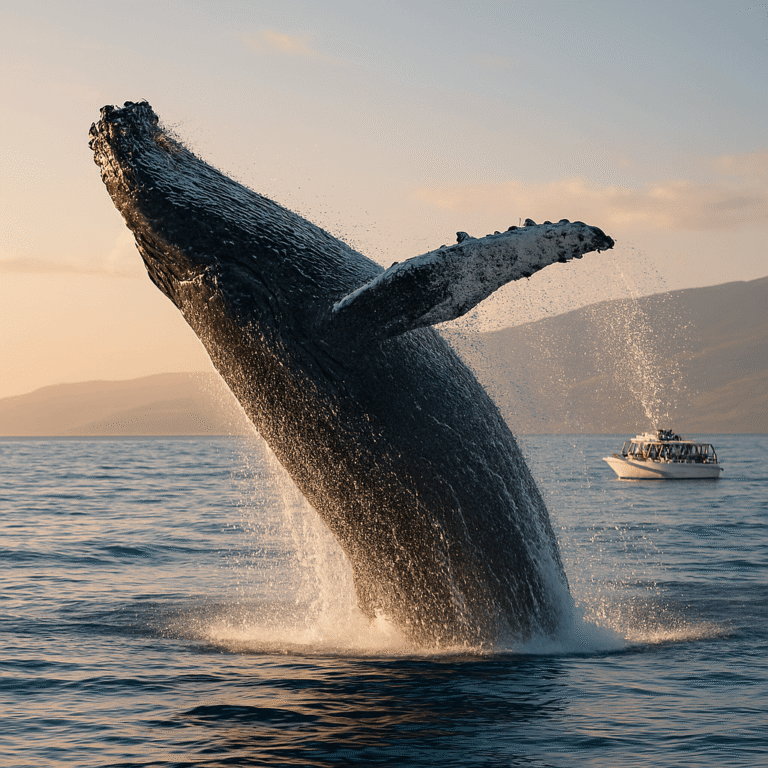
Responsible reef tourism gives people who want to see coral reefs in person a chance to do so while also helping to protect them. When you’re ready to see Hawaii’s beautiful coral reefs and learn more about how to protect the ocean, Hawaii Guide Hub can help you plan a fun and educational trip to the reefs. Our knowledgeable guides can show you all the different types of marine life that live on coral reefs and tell you about the latest research and conservation efforts.
It’s time to do something to protect coral reefs. These treasures from the ocean are millions of years old and are home to some of the most diverse ecosystems on Earth. We can make sure that future generations will continue to be amazed by the amazing ways coral reefs support marine life by learning about them, protecting them, and using them responsibly.