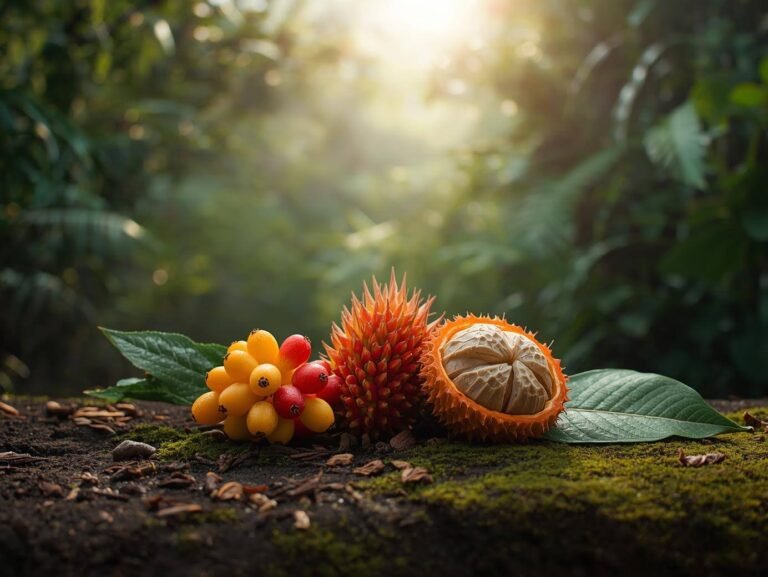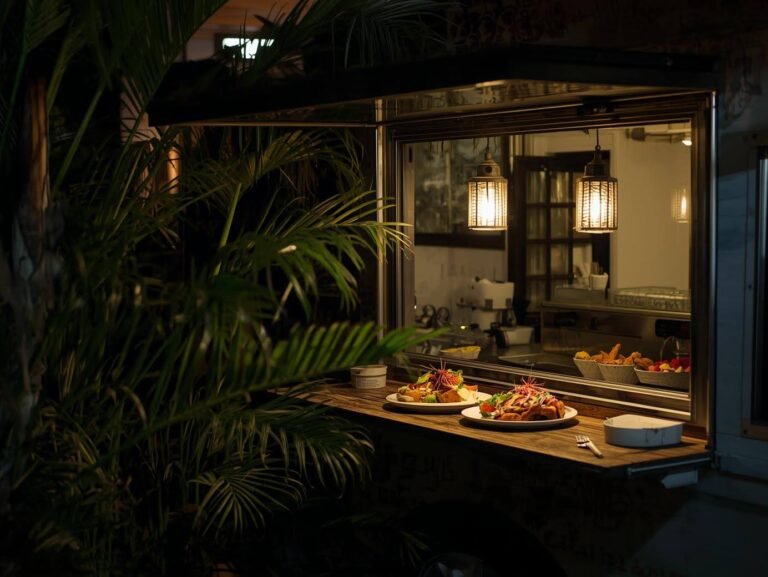
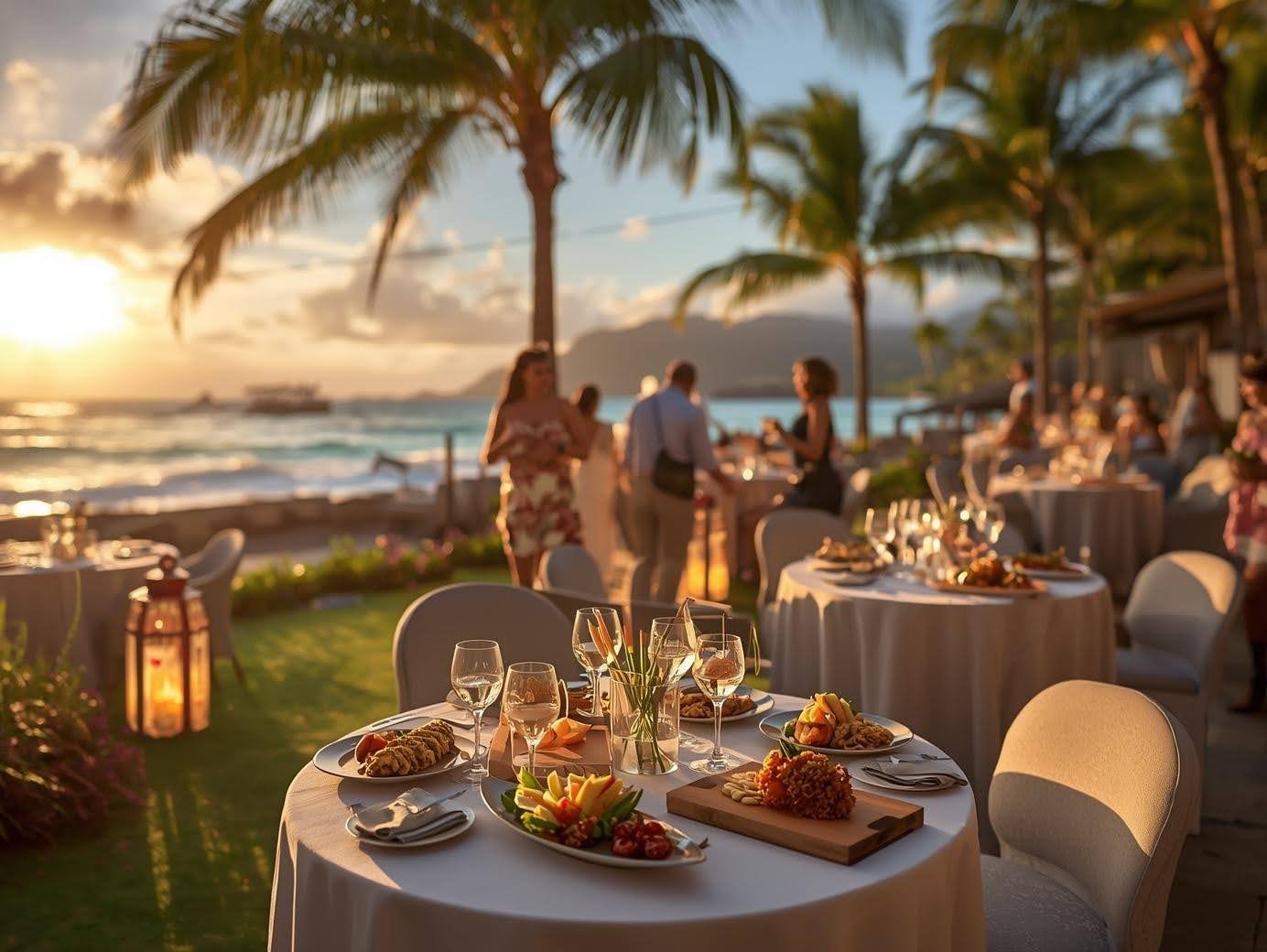
A food and wine festival in Hawaii is a food lover’s dream come true.

Every year, the Hawaiian Islands become a food paradise that attracts foodies and wine lovers from all over the world. The Hawaii Food and Wine Festival is one of the best food festivals in the Pacific. It shows off the unique mix of flavors that makes Hawaiian food so special. This world-class event brings together the islands’ rich agricultural history with international cooking skills to create an unforgettable experience that honors both local traditions and new ways of cooking.
This festival is the best way to experience Hawaii’s diverse food culture while taking in stunning ocean views and a tropical atmosphere. The festival features chefs from all over the Pacific Rim, from famous celebrity chefs to local culinary artists.
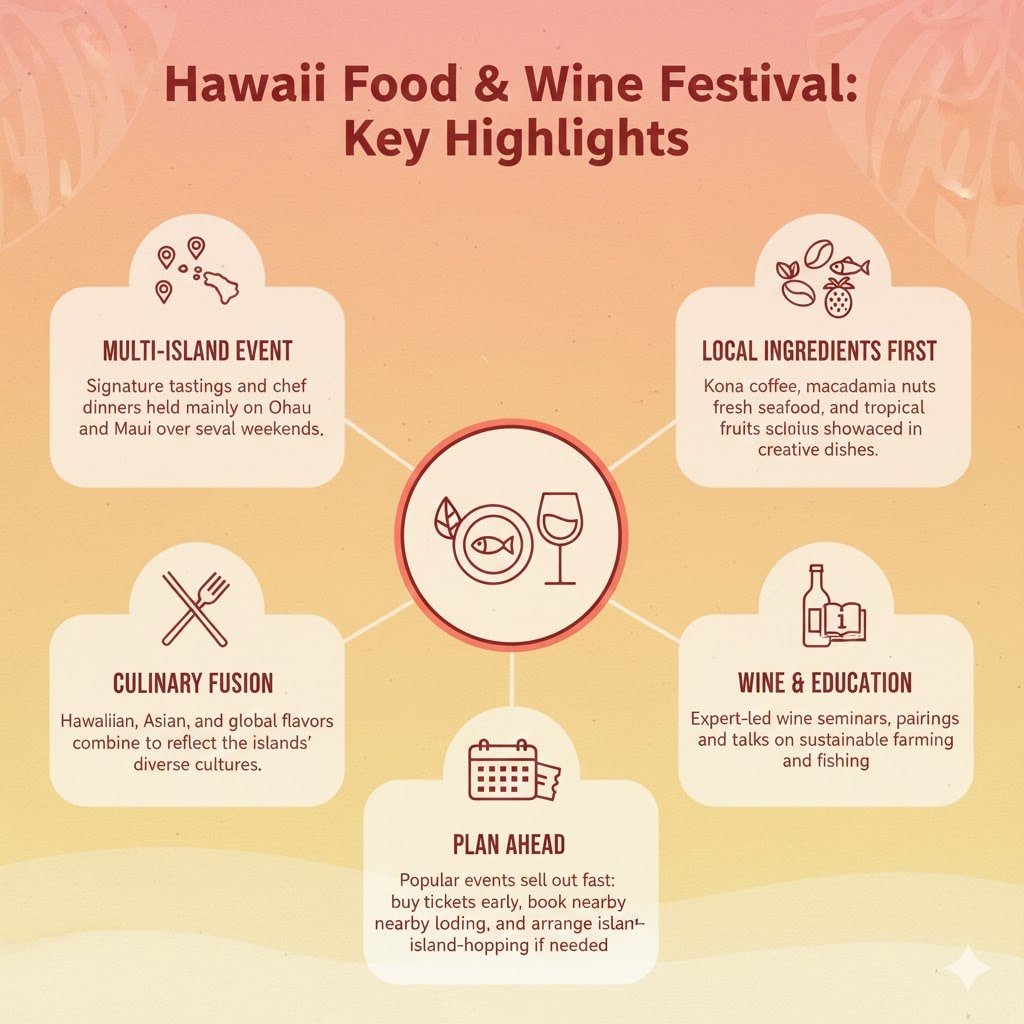
The event takes place on several islands, with big parties on Oahu and Maui. This makes it easy for visitors to get to from anywhere in the Hawaiian chain. This festival will change the way you think about Hawaiian food, whether you’re a seasoned foodie or just someone who loves great food and wine.
The Long History of Hawaii’s Biggest Food Festival
The Hawaii Food and Wine Festival started as a way to show off the islands’ amazing agricultural bounty and the skilled chefs who turn local foods into works of art. The festival has grown from a small gathering to an internationally known event that draws thousands of visitors every year.
The people who started the festival knew that Hawaii’s unique location in the Pacific makes it a great place for culinary fusion. The volcanic soil on the islands makes great ingredients, like tropical fruits and fresh seafood. The islands’ diverse population has also brought together different cooking styles to make modern Hawaiian cuisine.
Over the years, the event has grown to include many locations on different islands, each with its own unique vibe and flavor. The festival has also grown to include educational activities, wine seminars, and sustainable farming projects that show how much Hawaii cares about the environment.
Some important steps forward are the introduction of farm-to-table dining experiences, partnerships with local farmers, and the creation of scholarship programs for Hawaii residents who want to become chefs. These changes have helped the festival’s reputation grow beyond just a food event; it’s now a cultural institution that honors Hawaiian hospitality and creativity.
Events that are unique to the festival experience
Grand Tasting Events
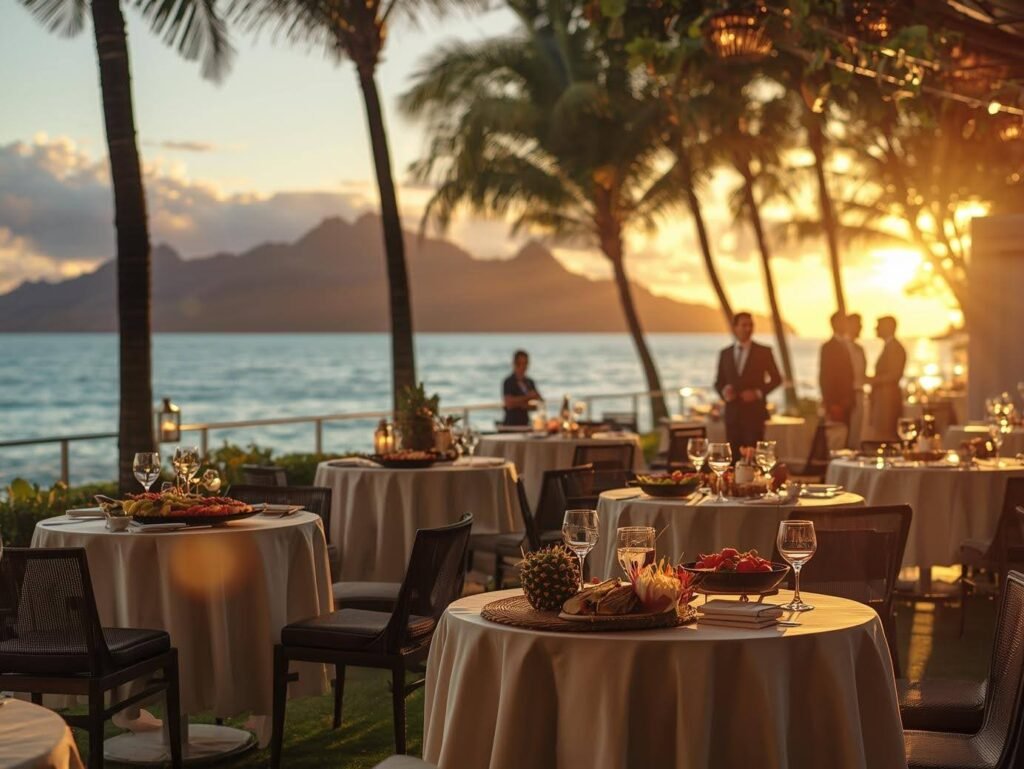
The Grand Tasting events are the main attraction of the festival. They feature dozens of Hawaii’s best restaurants and celebrity chefs from other places. Most of the time, these events are held in beautiful outdoor places with views of the ocean that go on forever. This makes for a very Hawaiian atmosphere.
While learning about the ingredients and methods that make Hawaiian food unique, attendees can try signature dishes from restaurants that are taking part. At each tasting station, you can try small plates that show off both traditional and modern takes on island favorites.
Celebrity Chef Shows
The festival regularly features cooking demonstrations by internationally recognized chefs who collaborate with local culinary talent. These classes teach professional cooking skills and show how global flavors can improve traditional Hawaiian ingredients.
People can ask questions and learn about the creative process behind menu development through interactive elements. A lot of chefs talk about what inspires them and the special problems and chances that come with cooking in Hawaii’s tropical climate.
Seminars on Wine Education
Expert sommeliers teach classes that look at how to pair Hawaiian food with wine. These seminars cover a wide range of topics, such as how Hawaii’s weather affects how wine is stored and served and how to choose wines that go well with the strong flavors of Pacific Rim cooking.
Participants learn about types of wine that go well with seafood, tropical fruits, and the spicy flavors that are common in Hawaiian fusion dishes. A lot of the time, the seminars have tastings that show how the ideas are put into practice.
Culinary Themes That Celebrate Hawaiian Diversity
Spotlight on Local Ingredients
The festival puts a lot of emphasis on Hawaii’s agricultural products, like Kona coffee, macadamia nuts, fresh ahi tuna, and tropical fruits and vegetables. Participating chefs are encouraged to incorporate local ingredients whenever possible, creating dishes that truly reflect the islands’ terroir.
Along with traditional Hawaiian foods like poi, haupia, and kalua pig, there are also modern takes on these dishes that might use Korean-style marinades or Japanese-style cooking methods. This method shows how Hawaiian food is still changing while staying true to its cultural roots.
Parts of cultural fusion
Hawaiian food is a mix of Polynesian, Asian, European, and American flavors, showing how diverse the islands are. Festival food often shows off this mix of cultures by using flavors that tell the story of Hawaii’s diverse people.
Some examples are Portuguese malasada donuts stuffed with tropical fruit compotes, Korean-style plate lunches with local fish, and Japanese-style dishes made with vegetables grown in Hawaii. These combinations make flavors that are unlike any other in the world.
Focus on sustainable practices
Many events at the festival focus on fishing and farming practices that are good for Hawaii’s fragile ecosystem. Chefs often talk about how they work with local farmers and fishermen who care about the environment.
The festival is a chance for people to learn about how important it is to support local farming and make food choices that are good for the environment. This educational component adds depth to the culinary experience while promoting values that resonate with many visitors.
Choosing the right wine and pairing it with food
Wine Regions in the Spotlight
The festival usually features wines from areas that go well with Pacific Rim food. California wines are very popular, especially those from coastal areas that have a maritime influence like Hawaii.
Wines from New Zealand, Australia, and other Pacific areas that go well with the fresh seafood and tropical flavors that are important to Hawaiian cooking might be on the international menu. In Hawaii’s warm climate, sparkling wines and lighter varieties often do very well.
Philosophy of Pairing
When choosing wine, the goal is to find one that goes well with the strong flavors that are common in Hawaiian food. Crisp whites and light reds often work better than heavy, tannic wines when paired with dishes featuring fresh fish, tropical fruits, and spicy elements.
With the help of experts, attendees learn how salt air, tropical heat, and eating outside can change how they taste wine. This useful information helps people choose better wines while they are on vacation in Hawaii.
Learning Opportunities
Sommelier-led sessions teach people how to choose wines that go well with certain Hawaiian dishes. Visitors can use the useful skills they learn on these educational trips when they eat out on the islands.
How to pair wines with poke, kalua pig, and tropical desserts is a common topic. The classes also teach how to serve wine correctly in tropical climates and how to store wine in humid conditions.
The Full Festival Experience and Atmosphere
Settings for the venue
Some of Hawaii’s most beautiful places, like beachfront resorts and historic sites with a lot of cultural significance, host festival events. The natural beauty of these places makes every part of the dining experience better.
People can enjoy great food and wine while sitting outside and taking in the gentle trade winds and beautiful sunset views. The beautiful scenery, perfect weather, and great food make memories that last long after the festival is over.
Entertainment for the Culture
Traditional Hawaiian music and dance performances give the food experience a cultural context. Local musicians and hula dancers help make the atmosphere feel real, which helps visitors connect with Hawaiian culture.
These performances often include stories that explain the cultural meaning of certain foods or ways of cooking. This part of the event helps people learn about Hawaiian food in the context of its culture as a whole.
Community Connections
The festival gives people a chance to meet local farmers, fishermen, and food producers who give restaurants the food they need. People who attend these events learn about the people and processes that go into making Hawaiian food.
Many visitors report that meeting the individuals who grow and harvest their food creates a deeper appreciation for Hawaiian agriculture and the challenges of food production in an island environment.
Important Information for Festival Goers to Plan Ahead
The Hawaii Food and Wine Festival Schedule
The Hawaii Food and Wine Festival usually lasts for several weekends, with events happening on different islands to fit different travel plans. Oahu and Maui usually have the most events, but other islands can also take part.
Early events are usually more about learning and small tastings, while weekend events are more about big tastings and visits from famous chefs. This schedule lets people tailor their experience to their interests and availability.
Planning and Getting Tickets
Tickets for the Hawaii food and wine festival usually go on sale a few months before the event. If you buy them early, you can get them at a lower price. There are different levels of tickets that let you go to different combinations of events, from single tastings to full festival passes.
Events that are popular sell out quickly, especially if they have famous chefs or are held at private venues. Planning ahead and buying tickets early makes sure you can get into the events you want to go to and usually saves you money.
Ways to Find a Place to Stay
Many festival venues are at or near major resort properties, so it’s easy to find a place to stay near the events. But festival dates often fall during the busiest times for tourists, so it’s important to book early.
If you want to go to a festival, think about staying at a place that hosts one. This makes it easy to get to the festival and often includes special packages that include tickets and a place to stay. Vacation rentals that give groups more space and are close to multiple events are another option.
Transportation Considerations
People who want to go to events on more than one island may need to take a ferry between islands. You can add island hopping to your festival schedule, but you need to plan it carefully so that it fits with the event’s schedule.
Different places have different ways for people to get to events. Some venues have shuttles, while others require people to rent cars or use ride-sharing services. When making plans for your festival, look into your transportation options.
Economic and Cultural Impact on Hawaiian Communities
Helping Local Farmers
The festival makes a lot of people want to buy locally grown fruits, vegetables, meat, and seafood, which gives Hawaiian farmers and fishermen a chance to make money. This support helps sustain agricultural operations that might otherwise struggle to compete with imported products.
When restaurants take part in the festival, they often form long-term relationships with local suppliers. These relationships can have benefits that last long after the event is over. These partnerships help keep Hawaii’s agricultural history alive and make the state less reliant on food from other places.
Encouraging Hawaiian Culture
The festival helps keep Hawaiian cooking culture alive and well by honoring both traditional ingredients and cooking methods and new ideas. This work to preserve culture is especially important because Hawaii’s population and development are growing quickly.
The festival’s educational parts help both tourists and locals learn about the historical importance of Hawaiian food traditions. Sharing this information helps make sure that traditional ways of cooking still have an effect on modern Hawaiian food.
Benefits for tourism and the economy
The festival brings in thousands of visitors who help Hawaii’s tourism economy by booking hotels, eating out, and spending money in other ways. These economic benefits help keep people working in the hospitality industry.
The event also helps Hawaii become known as a great place to eat, which could affect future travel plans and make people want to stay longer or come back. This long-term effect keeps the festival’s economic benefits going all year.
The Festival’s Future Vision: Looking Ahead
Adding more educational programs
Future festival plans often include enhanced educational components that teach sustainable cooking practices and highlight the environmental challenges facing Hawaiian agriculture. These programs are for both tourists and locals who want to learn about food systems.
Partnerships with culinary schools and universities may grow to include research projects that look into how Hawaiian food can change with the environment while still keeping its traditional flavors and methods.
Modern festivals are using more and more technology to make the experience better for attendees. This includes mobile apps, virtual reality experiences, and interactive learning tools. These new ideas can help people learn about Hawaiian culture and food in fun new ways.
Attendees can share their experiences in real time through social media integration, which helps spread the word about Hawaiian food and the festival to people all over the world. This digital outreach makes the festival’s effects last long after the event itself.
Initiatives for sustainability
Future festival planning will probably put even more emphasis on protecting the environment, with programs to cut down on waste and carbon offset projects. These actions are in line with Hawaii’s larger goal of protecting the environment.
Partnerships with environmental groups may grow to include projects to restore habitats and programs to teach people about how climate change affects Hawaiian farming. These projects make the festival experience more meaningful.
Your Doorway to Great Hawaiian Food
The Hawaii Food and Wine Festival is more than just a food event; it’s a celebration of Hawaiian culture, farming history, and new ways of cooking that everyone who goes will remember for a long time. This festival has more than enough to offer, whether you’re interested in trying food from famous chefs, learning about traditional Hawaiian ingredients, or just enjoying great food in paradise.
This festival is a must-attend for anyone who loves food and travel because it has amazing food, chances to learn, and beautiful natural settings. Each event gives you a taste of Hawaiian culture and shows off the amazing skills of both local and visiting chefs.
Hawaii Guide Hub can help you plan your festival and give you insider tips on how to get the most out of your Hawaiian culinary adventure. They will give you expert advice that is tailored to your interests and schedule. We know the islands well, so we can help you get the best out of the Hawaii Food and Wine Festival. We can get you the best tickets and show you where to find the best food on the islands.