Waimānalo Beach: Oʻahu’s Longest White-Sand Beach, Sunrise Guide and What to Know Before You Go

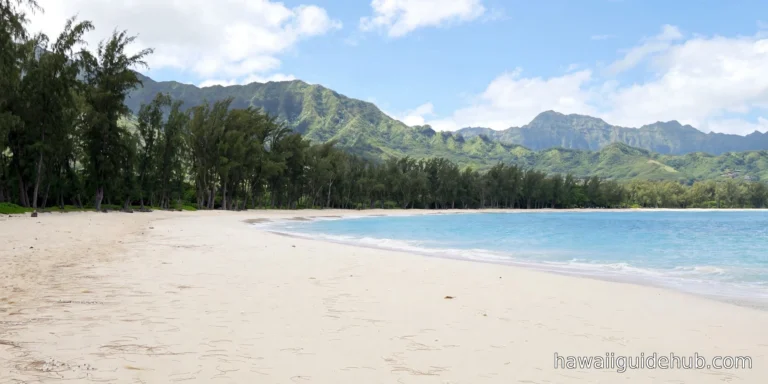
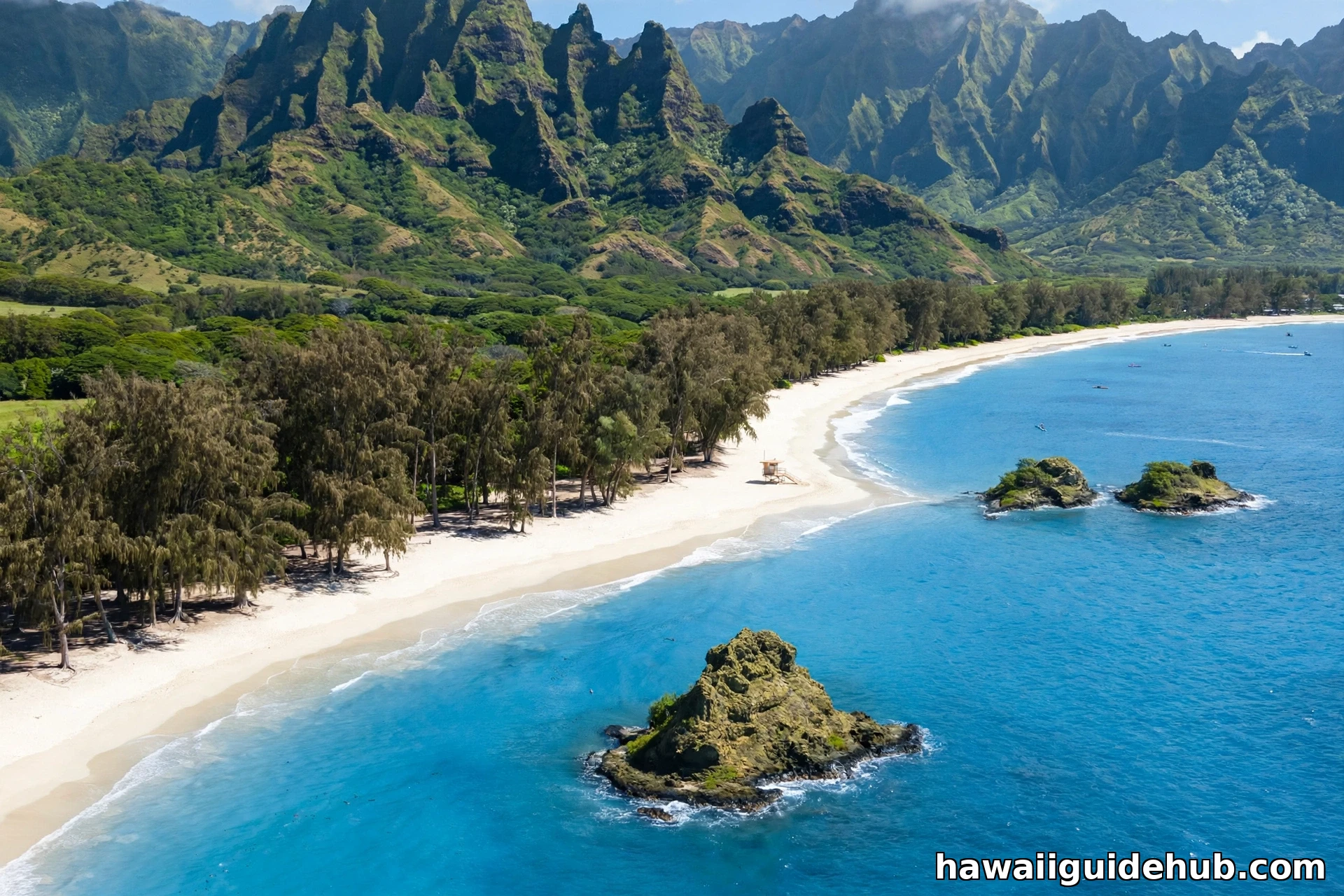
Waimānalo Beach stretches for nearly three miles along Oʻahu’s windward coast, a long ribbon of white sand framed by the green ridges of the Koʻolau mountains on one side and the bright blue of Waimānalo Bay on the other. It is one of the longest uninterrupted beaches on the island, and on a calm morning it looks like the version of Hawaii you see on postcards: clear water, soft sand, offshore islands on the horizon, and almost nobody around.
Locals have always known what visitors are just starting to figure out. While Waikīkī and Kailua draw the crowds, Waimānalo stays comparatively quiet, especially on weekday mornings. There are no resorts here, no beachfront restaurants, and no boardwalk. What there is: a beautiful beach, shade from ironwood trees, and room to spread out. If you want to see the Oʻahu that residents love, this is a good place to start.
This guide covers everything you need to plan a visit: where the beach is, how to get there, the famous sunrise, swimming conditions, parking, facilities, what to bring, and the safety tips that matter on an open-ocean beach.
Where Is Waimānalo Beach?
Waimānalo Beach sits on the eastern (windward) shore of Oʻahu, in the town of Waimānalo, about 15 miles east of Honolulu. The beach park’s official address is 41-741 Kalanianaʻole Highway, Waimanalo, HI 96795. Kalanianaʻole Highway (Hwy 72) runs right along the beach, so access is straightforward whether you are driving yourself or riding the bus.
The beach is part of Waimānalo Bay, a wide crescent of shoreline shared with neighboring stretches like Bellows Field Beach Park to the south and Waimānalo Bay Beach Park to the north. The main section most visitors mean when they say “Waimānalo Beach” is the stretch served by Waimānalo Beach Park, the city park with parking lots, restrooms, and lifeguard towers. Looking out to sea you will see two small islands on the horizon: Mānana, better known as Rabbit Island, a volcanic cone rising from the bay, and its smaller neighbor Kāohikaipu, sometimes called Moke Island.
What Makes Waimānalo Beach Special
Length is the headline feature. At roughly three miles of continuous white sand, Waimānalo is one of the longest beaches on Oʻahu, which means that even on busy days you can walk a few minutes from the parking lot and find space to yourself. The sand is fine and white, and the water runs through shades of turquoise that shift with the depth.
The backdrop sets it apart from the island’s other long beaches. Behind the sand rises a wall of ironwood trees, tall and feathery, planted generations ago and now towering over the beach. Behind them, the Koʻolau range climbs steeply, its green ridges often wreathed in morning clouds. It is a wilder, more rural feeling than the manicured shore of Kailua or Lanikai, and that is exactly what its fans love.
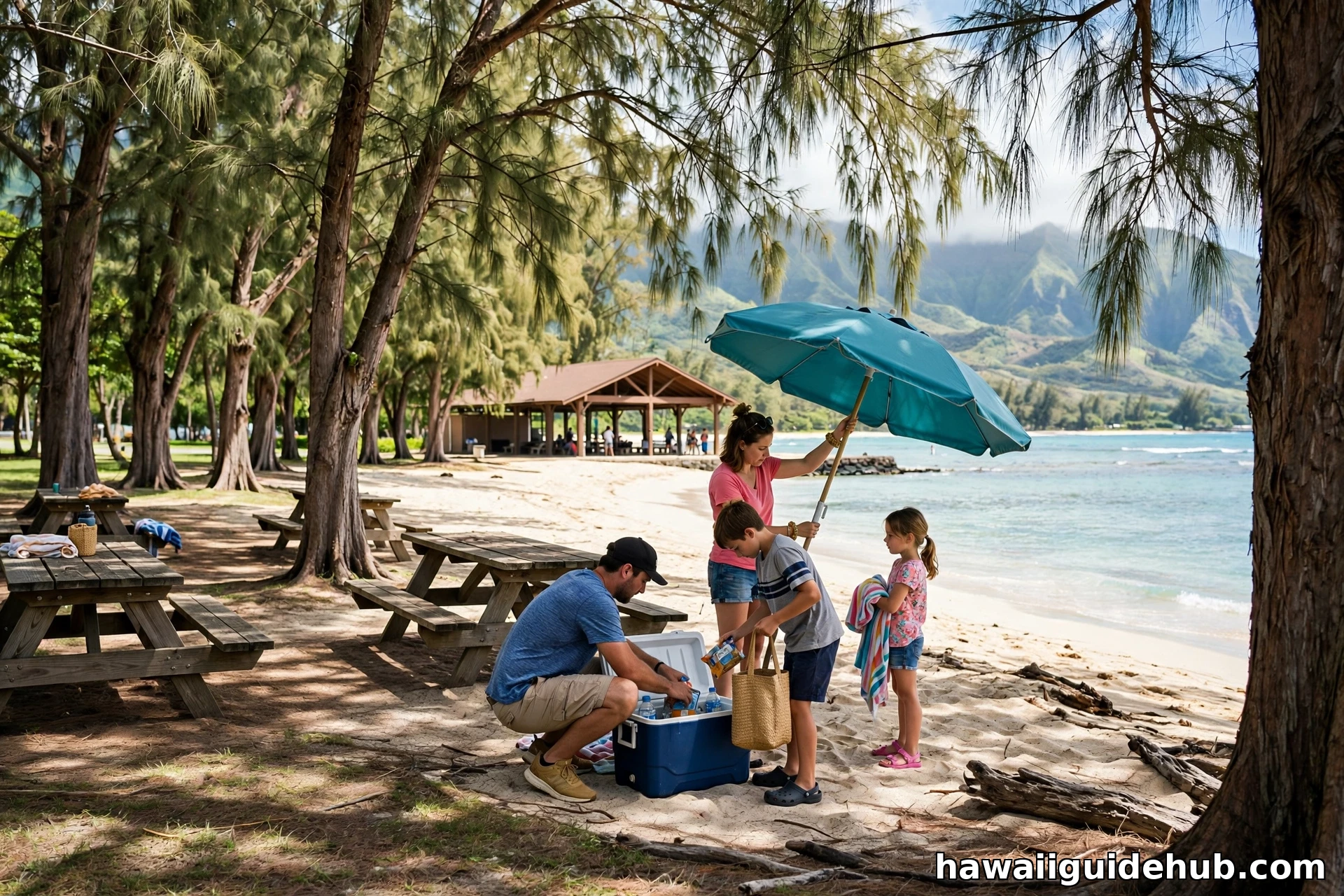
Waimānalo is also a working local beach rather than a tourist beach. On weekends you will see families gathered under the ironwoods with coolers and tents, kids playing in the shallows, and fishermen working the shoreline. It has a community feel that you do not get at the resort beaches, and visitors are welcome as long as they are respectful.
Sunrise at Waimānalo Beach
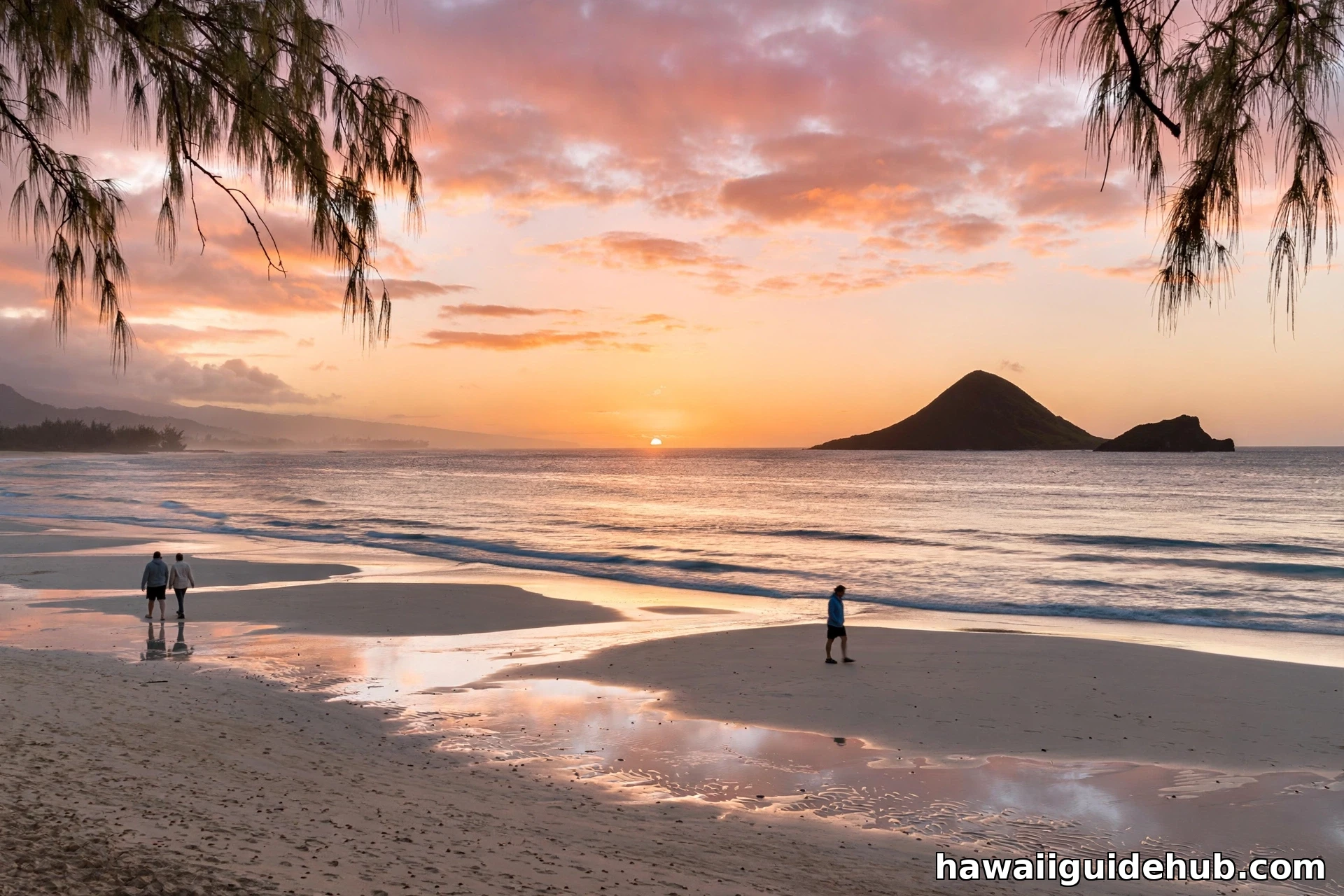
Waimānalo faces due east across the open Pacific, which makes it one of the best sunrise beaches on Oʻahu. On a clear morning the sun lifts straight out of the ocean, and the sky over the bay turns through pink, orange, and gold. The silhouettes of Mānana and Kāohikaipu islands on the horizon give sunrise photos a signature look you will not get anywhere else on the island.
Sunrise here falls between roughly 5:50 AM and 7:10 AM depending on the season, so check the day’s time the night before and arrive 20 to 30 minutes early. Early mornings are also the calmest part of the day: the trade winds typically build later, so the water is at its smoothest and the beach is at its emptiest just after dawn.
Photographers favor the middle section of the beach park for the classic shot, sunrise centered over the bay with the islands to the right. If you want the widest open view, walk the shoreline a bit north or south of the parking lots, where the ironwoods open up and nothing blocks the horizon.
Swimming and Water Activities
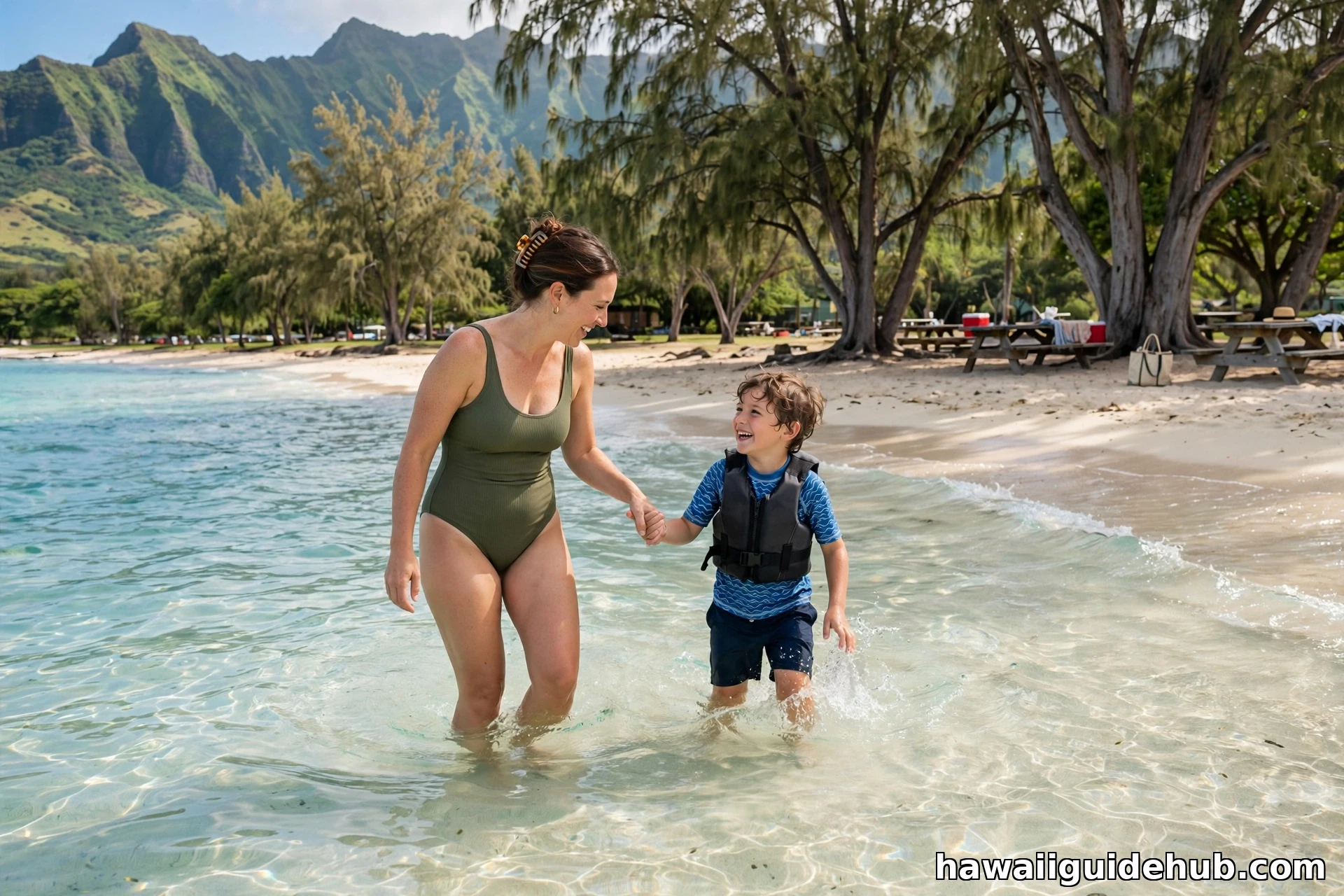
Waimānalo is usually a good swimming beach, especially in summer when the trade winds are light and the water lies flat. The entry is sandy and gradual in most sections, which makes it inviting for waders and families with kids. The water clarity is excellent on calm days, bright turquoise over white sand.
That said, this is an open-ocean beach with no reef to block swells, so conditions change with the seasons and the surf. Winter can bring bigger waves and stronger currents, and trade-wind afternoons can chop up the surface year round. Always check with the lifeguard and obey posted signs before entering the water. Swim near a lifeguard tower, never swim alone, and stay out if red flags are up or the surf looks rough.
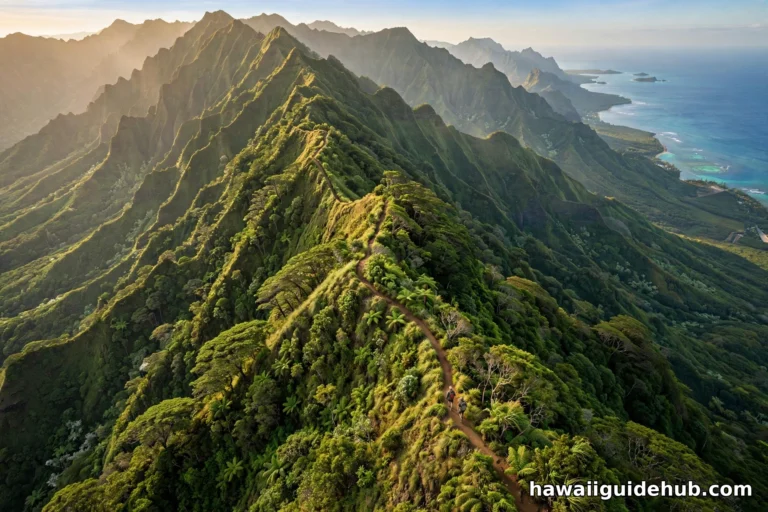
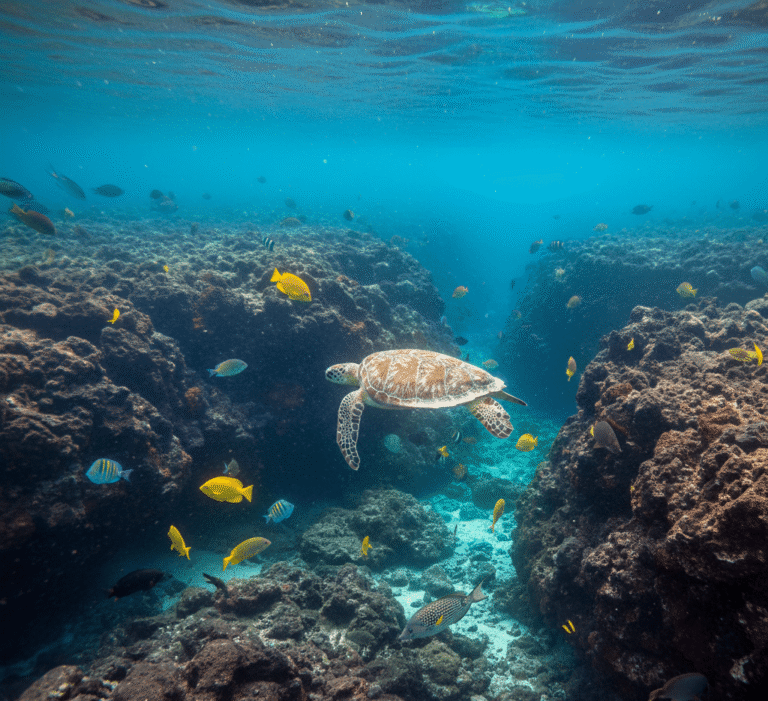
Bodyboarding and bodysurfing are popular when the waves are up, and the long sandy bottom makes beach walks a favorite activity. Snorkeling is not the main draw here, the open sandy bottom holds fewer fish than rocky coves, but on calm days you can still enjoy a float in the clear shallows. For a fuller day of outdoor adventures in Hawaii, Waimānalo pairs well with the hikes and lookouts along the windward coast.
Getting There: Directions and TheBus
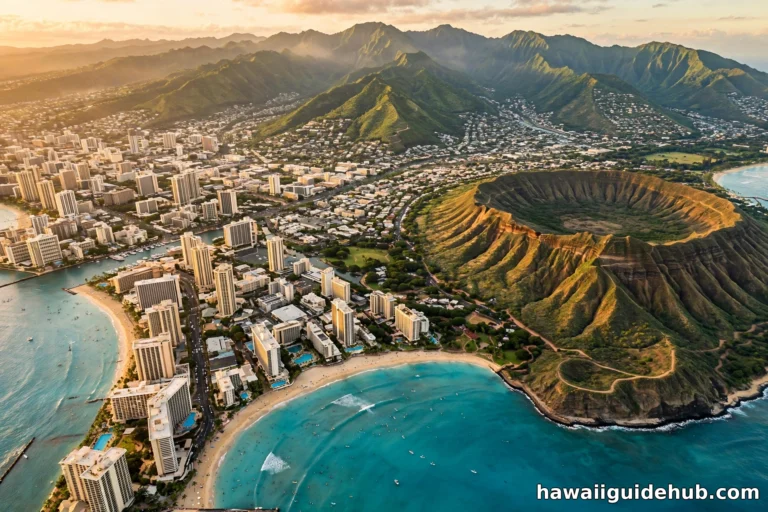
Driving is the easiest way to reach Waimānalo. From Waikīkī, take the H-1 east, then follow Kalanianaʻole Highway (Hwy 72) along the coast through Hawaiʻi Kai and past Makapuʻu. The drive takes about 30 to 40 minutes depending on traffic. From Kailua, it is a shorter hop south on Kalanianaʻole Highway, around 15 to 20 minutes.
The road itself is part of the experience. The stretch past Makapuʻu Lookout offers sweeping views of the windward coast, and on a clear day you can see down the entire sweep of Waimānalo Bay as you descend toward the beach. There are a few roadside pullouts for photos, but use them carefully and never stop in the travel lane.
If you are not driving, TheBus Route 67 runs between Honolulu (Ala Moana Center) and Waimānalo via Kailua, with stops along Kalanianaʻole Highway near the beach. The ride takes about 45 to 55 minutes from town. Fares are $3 one way. Check the current schedule before you go, since weekend service runs less often.
Parking
Waimānalo Beach Park has free parking lots off Kalanianaʻole Highway, and parking is also available along nearby streets. The lots are not huge, and they fill up on weekends and holidays, so arrive before 9 AM on busy days if you want a spot close to the facilities. On weekday mornings you will usually find space without trouble.
A note of caution that applies at every beach park on Oʻahu: do not leave valuables visible in your car. Bring only what you need to the beach, keep bags in sight, and lock your vehicle. Theft from parked cars is the most common problem visitors run into at beach parks, and it is easy to avoid with a little care.
Facilities and Amenities
Waimānalo Beach Park is a full city beach park run by the City and County of Honolulu, so it has the basics covered. You will find restrooms, outdoor showers, picnic tables, a pavilion, and lifeguard towers. The ironwood trees provide natural shade across much of the park, which is a genuine comfort on hot afternoons.
The City has been investing in the park. The Waimānalo Beach Park pavilion, originally built in 1960 and demolished in 2019 over structural concerns, is being rebuilt to match the original’s size and character, with completion expected in the summer of 2026. During construction the parking lot stays open while the work zone is fenced off.
What you will not find: food stands, rental shops, or drink vendors on the beach. There is nowhere to buy lunch or rent an umbrella once you arrive, so pack accordingly. The nearby town of Waimānalo has stores and eateries along Kalanianaʻole Highway if you need supplies on the way in.
What to Bring
A day at Waimānalo goes best with a little preparation. Pack reef-safe sunscreen, a hat, and more water than you think you will need, since there is no drinking water guarantee and no place to buy it on the sand. Bring your own food and snacks, plus a cooler if you are making a day of it.
Useful extras include a beach umbrella or shade tent if you want more than the ironwood shade, a trash bag so you can pack out everything you bring in, and hand sanitizer or tissues as a backup for the restrooms. If you are coming for sunrise, bring a light layer; trade-wind mornings can feel cool before the sun is up.
Snorkel gear is worth tossing in on calm summer days, and a boogie board can be fun when there is a small swell. If you are building a longer windward-coast itinerary, see our Oʻahu island guide for how Waimānalo fits with Kailua, Lanikai, and the Makapuʻu area.
Safety Tips
Waimānalo is a beautiful beach, but it deserves respect. The ocean here is unprotected, which means conditions can change quickly. The single most important habit is to check in with the lifeguard when you arrive and to obey every posted sign and flag. If red flags are flying or the lifeguard says the water is rough, stay out.
Never turn your back on the ocean, and never swim alone. Keep children within arm’s reach in the water, and remember that the calm-looking shallows can hide rip currents, especially when the surf is up. If you are caught in a current, stay calm, do not fight it, and swim parallel to the shore until you are free.
Sun protection matters as much as water safety. The morning sun on an east-facing beach is strong year round, and the breeze can fool you into thinking you are not burning. Reapply reef-safe sunscreen often, and take breaks in the ironwood shade.
Finally, respect the place and its residents. Pack out all trash, stay off the dune vegetation, and give wildlife such as honu (Hawaiian green sea turtles) at least 10 feet of space. Alcohol is not allowed in city beach parks. Waimānalo is a community beach first, and visitors who treat it that way are always welcome back.
Nearby Attractions
Waimānalo makes a natural anchor for a windward-coast day. To the south, the Makapuʻu Point Lighthouse Trail offers one of the island’s best coastal hikes, with views back over Waimānalo Bay and, in winter, chances to spot humpback whales offshore. The trailhead is about 10 minutes south of the beach park.
To the north, Kailua town is about 15 minutes away, with its famous Lanikai Beach, shops, and restaurants. Many visitors pair a sunrise at Waimānalo with breakfast in Kailua afterward. If you are exploring the island’s beaches more broadly, our guide to the North Shore covers the other end of Oʻahu’s coastline.
Sea Life Park Hawaiʻi sits just south of Makapuʻu and works well as an afternoon stop after a morning at the beach, especially for families. And if you are still deciding where to base your trip, our rundown of the best island in Hawaii for first-time visitors can help you plan the bigger picture.
See Waimānalo Beach on Video
Waimānalo Beach FAQs
Is Waimānalo Beach good for swimming?
Yes, usually. In summer and on calm trade-wind mornings the water is clear and gentle, with a sandy gradual entry. In winter, waves and currents can build, so always check with the lifeguard before entering the water.
What time is sunrise at Waimānalo Beach?
Sunrise falls between roughly 5:50 AM and 7:10 AM depending on the season. Arrive 20 to 30 minutes early for the best light, and check the exact time the night before you go.
Is there parking at Waimānalo Beach?
Yes. Waimānalo Beach Park has free parking lots off Kalanianaʻole Highway, plus street parking nearby. Lots fill on weekends and holidays, so arrive before 9 AM on busy days.
Are there restrooms and showers at Waimānalo Beach?
Yes. The beach park has restrooms, outdoor showers, picnic tables, a pavilion, and lifeguard towers. Facilities are basic, so bring hand sanitizer and your own supplies.
Is Waimānalo Beach free?
Yes. It is a public city beach park with free entry and free parking. There are no entrance fees or reservations.
Waimānalo Beach is the rare Oʻahu beach that still feels like a local secret: miles of white sand, a famous sunrise, and room to breathe, all less than an hour from Waikīkī. Come early, pack what you need, respect the water and the community, and you will understand why the people who live here guard this one closely.