The Role of Marine Protected Areas in Preserving Hawaii’s Ocean Life

The waters around the Hawaiian Islands are some of the clearest in the world. They also have some of the most diverse and fragile marine ecosystems. These underwater treasures are under more and more stress from climate change, pollution, and human activity. They include colorful coral reefs full of tropical fish and ancient Hawaiian monk seals basking on remote beaches. Hawaii’s marine protected areas are important safe havens that give us hope for the future of these unique ocean environments.
Marine protected areas (MPAs) in Hawaii are one of the best tools for conservation. They create places where marine life can thrive with reduced pressure from fishing, anchoring, and other human activities that could be harmful. These designated areas range from shallow reefs close to shore to large areas of open ocean. Each one is important for keeping Hawaii’s aquatic resources in balance.
Understanding the intricate relationship between Hawaii’s marine conservation efforts and the health of local ecosystems reveals why these protected zones have become essential for both environmental preservation and community sustainability. The success stories coming out of established MPAs show how they can help species recover, restore habitats, and improve the economic health of local fishing communities.
Learning about Marine Protected Areas in Hawaiian Waters
Marine protected areas are like national parks underwater, where strict rules control what people can do to protect the environment. In Hawaii, these zones range from small coastal marine life conservation districts to expansive oceanic monuments covering thousands of square miles.
Hawaii’s marine protected areas are based on traditional Hawaiian ways of managing resources, called “ahupua’a.” This was a system in which communities managed resources from the mountains to the reefs in a way that was good for the environment. Modern MPAs build on these old ways of knowing while also using new scientific research and conservation methods.
Different kinds of marine protection in Hawaii
Hawaii has a marine protection system that includes different types of protected areas, each with its own rules and goals for conservation:
No-take zones prohibit all fishing and collection activities, allowing marine ecosystems to recover and flourish without human extraction. Scientists who study how natural ecosystems work use these areas as reference points.
Limited-take areas allow some environmentally friendly fishing methods, but they limit the types of gear, seasons, or species that can be caught. These areas find a middle ground between the need to protect the environment and the rights of traditional fishers.
Seasonal closures protect critical life stages of marine species, such as spawning seasons for fish or nesting periods for sea turtles, by temporarily restricting access during vulnerable times.
Fishing is allowed in gear-restricted zones, but certain types of gear that could harm fragile habitats, like bottom-trawling nets in coral reef areas, are prohibited.
The Crown Jewel: Papahanaumokuakea Marine National Monument
The Papahanaumokuakea Marine National Monument is one of the largest fully protected marine areas in the world. It covers 582,578 square miles of ocean around the Northwestern Hawaiian Islands. This UNESCO World Heritage Site protects pristine coral atolls, seamounts, and deep-sea habitats that remain largely untouched by human development.
Established in 2006 and expanded in 2016, the monument serves many conservation goals. It protects important habitat for Hawaiian monk seals and green sea turtles, as well as nesting grounds for millions of seabirds, including endangered species. Its coral reefs are among the most pristine examples of their kind, giving scientists important baseline data for studying healthy reef ecosystems.
The monument’s significance goes beyond environmental protection. According to traditional creation stories, these waters are sacred to Native Hawaiian communities as the ancestral home of all life. This dual cultural and ecological importance makes Papahanaumokuakea a unique example of holistic conservation.
Scientific Research and Discovery
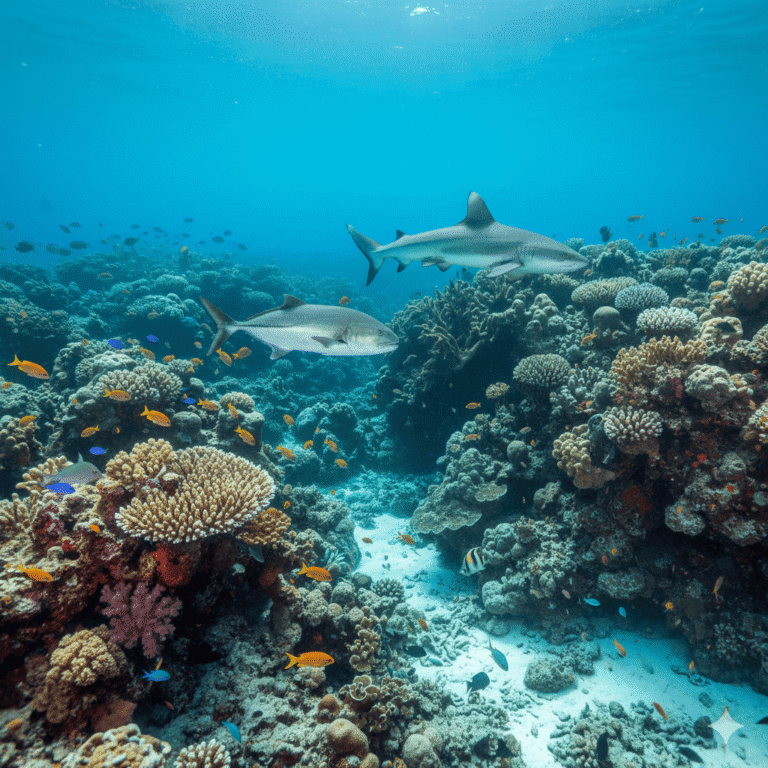
Researchers have found amazing biodiversity and made important discoveries in the protected waters of Papahanaumokuakea. Deep-sea expeditions have found new species of fish, corals, and invertebrates. Studies of top predators like sharks help us understand how healthy marine food webs are.
The monument is a living laboratory where scientists can study marine ecosystems without the problems that come with fishing or building on the coast. This study adds to what we know about how climate change, ocean acidification, and marine species’ ability to adapt affect each other.
Districts for Protecting Marine Life Nearshore
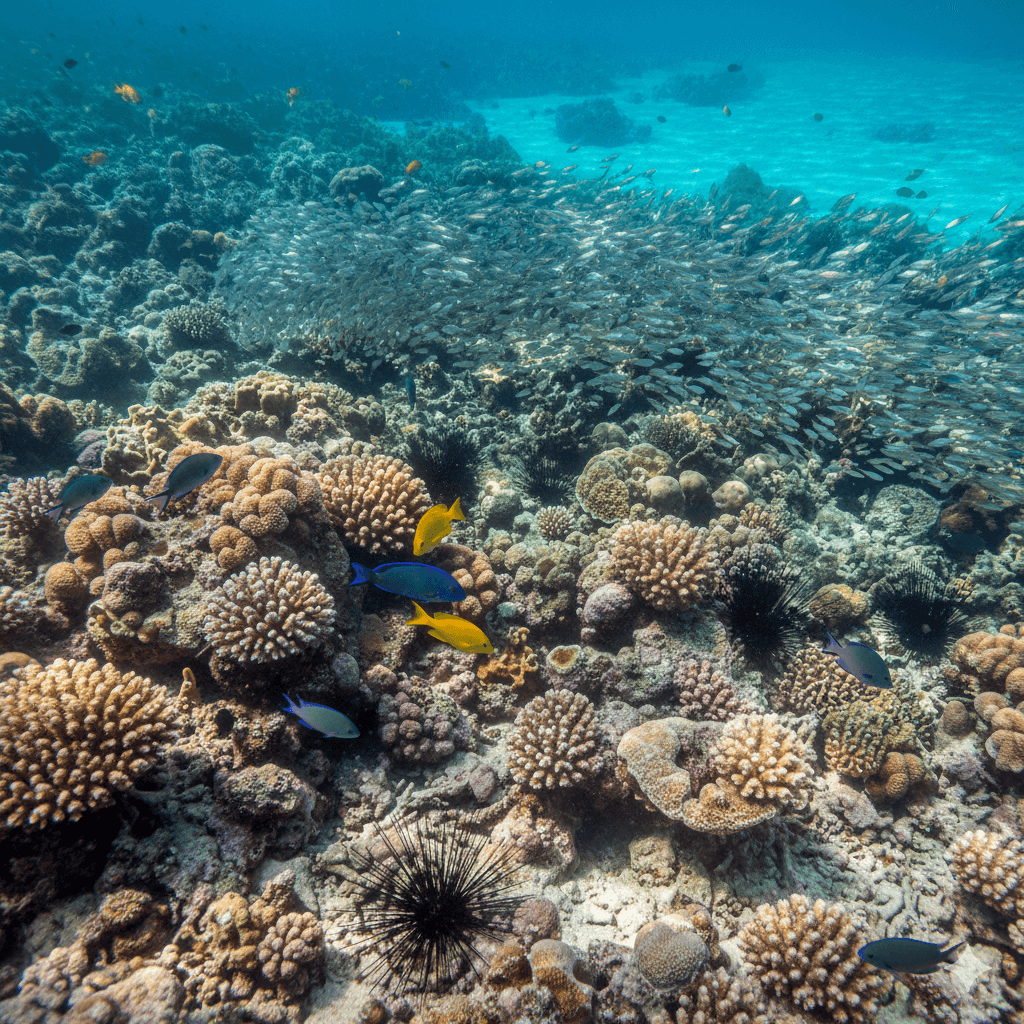
Marine life conservation districts are closer to Hawaii’s populated islands. They protect important nearshore habitats where most residents and visitors can see Hawaiian marine life. These smaller but just as important protected areas protect coral reefs, tide pools, and coastal ecosystems that are important for both marine life and the people who live nearby.
Hanauma Bay: A Story of Conservation Success
Hanauma Bay Nature Preserve on Oahu is a great example of how protecting marine life can help restore damaged ecosystems and teach people at the same time. Hanauma Bay was once heavily degraded by overcrowding and careless visitor behavior, but it has recovered remarkably since strict visitor limits and educational programs were introduced.
The bay’s change shows how strong marine ecosystems can be when they are well protected. Fish populations have increased substantially, coral coverage has improved, and water quality has rebounded. Visitors can now see a thriving underwater world that shows off Hawaii’s natural marine beauty.
Visitors to Hanauma Bay can learn about marine conservation, how to snorkel correctly, and why it’s important to protect fragile coral ecosystems through educational programs. These programs have influenced visitor behavior and raised awareness about marine protection throughout Hawaii.
Molokini Crater Marine Life Conservation District
The crescent-shaped Molokini Crater was formed by an ancient volcanic eruption and is now a unique protected habitat for a wide range of marine life. This marine life conservation district doesn’t allow fishing or collecting, which lets fish populations grow in the crater’s protected waters.
Because Molokini is protected, there are a lot of different kinds of fish there, which makes it one of Hawaii’s best places to snorkel and dive. The site shows that when marine protection is managed well, it can help both conservation goals and tourism that lasts.
Effects on Marine Species Recovery
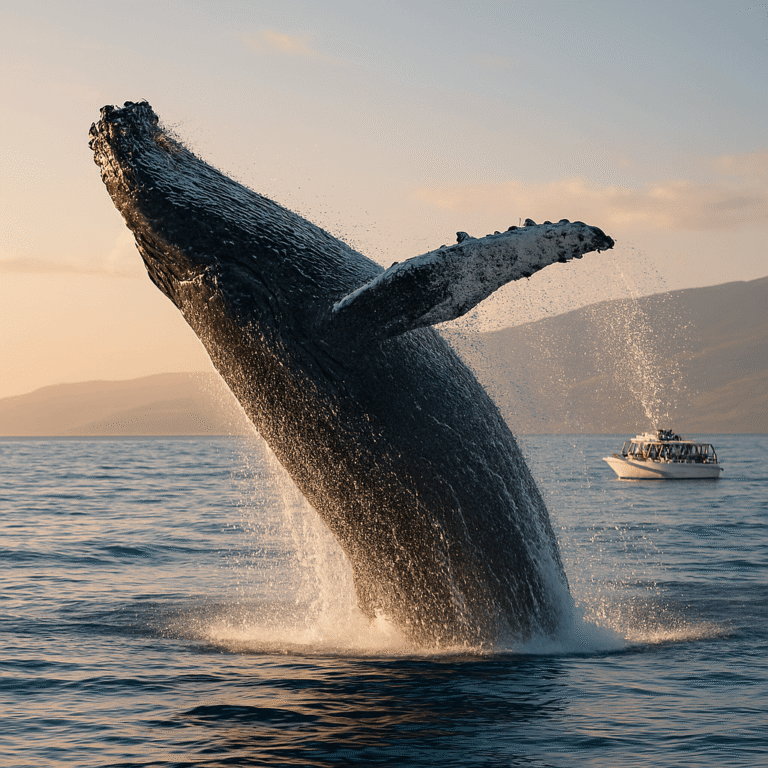
Hawaii’s marine protected areas have helped many marine species, from tiny reef fish to huge humpback whales. These success stories are strong proof that marine protection strategies work.
Saving Hawaiian Monk Seals
The critically endangered Hawaiian monk seal has benefited significantly from marine protected areas, particularly within Papahanaumokuakea. With roughly 1,500 individuals remaining, protecting every part of their habitat is important for the species’ survival.
Protected beaches provide undisturbed pupping sites where mother seals can nurse their young without human interference. Marine reserves make sure that adults have enough food to eat, and fishing limits keep them from getting caught in fishing gear, which is a big threat to monk seal populations.
Recent population data shows encouraging trends in some areas where protection measures are strongest, offering hope for this endemic species’ long-term survival.
Sea Turtle Nesting Success
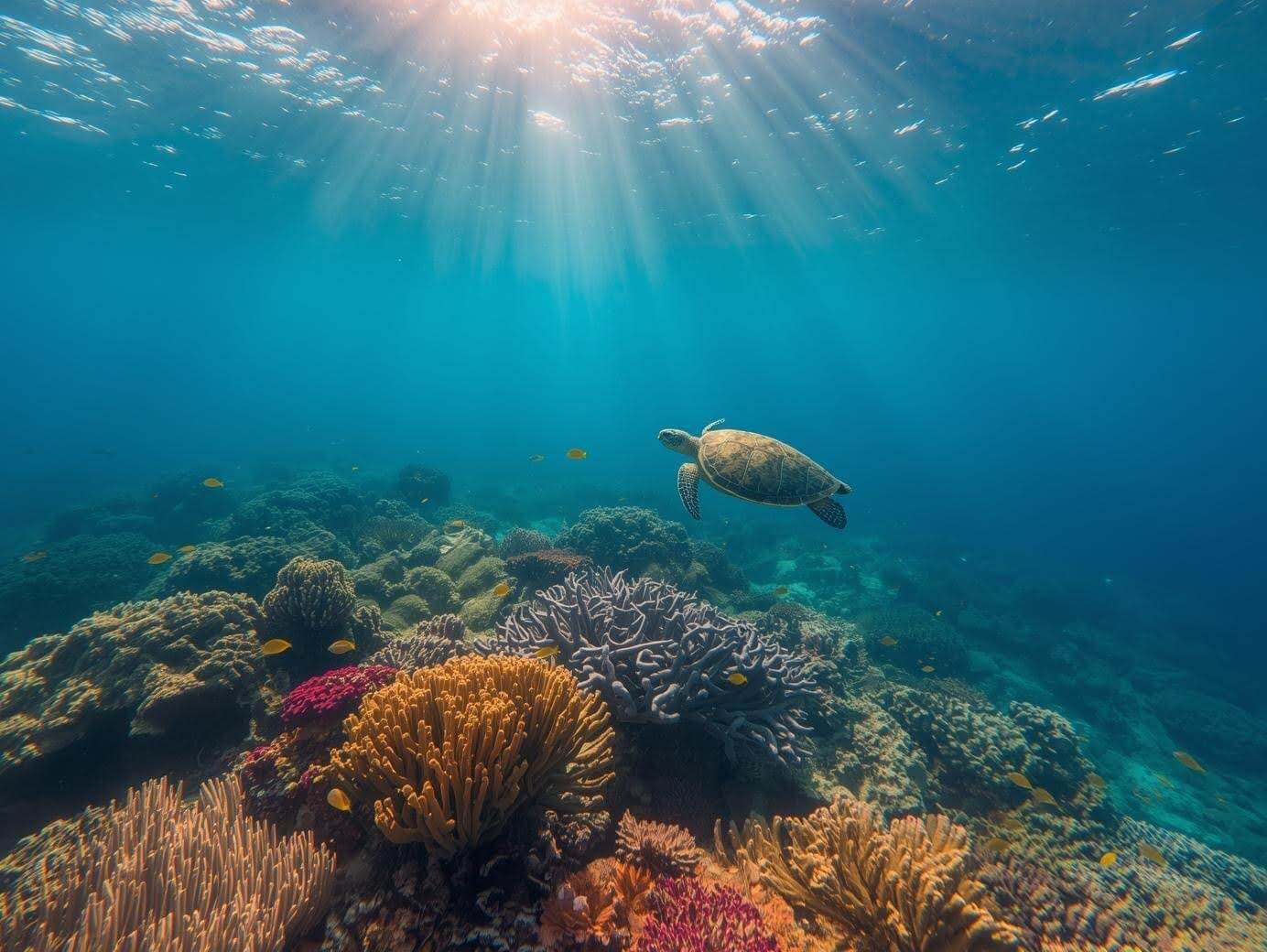
Hawaiian green sea turtles, or “honu” as they are called in Hawaii, have made a remarkable recovery thanks to federal protection and the creation of marine protected areas. Protected areas have nesting beaches where females can lay their eggs without being disturbed.
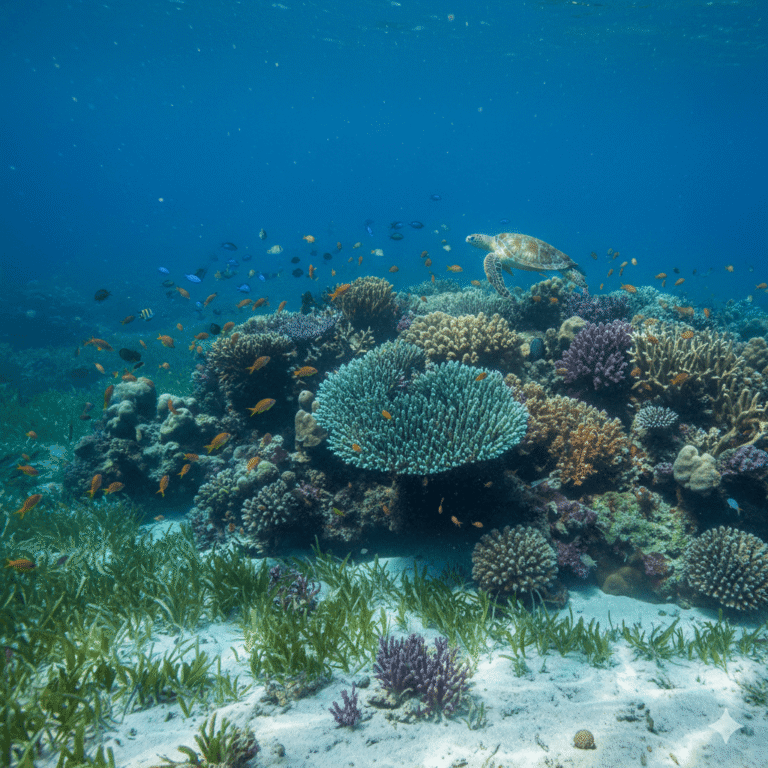
Marine reserves protect important feeding areas where turtles of all ages eat algae and seagrass. Research indicates that turtle populations have significantly risen in regions with long-standing protection, illustrating the efficacy of extensive habitat conservation.
Restoration of the Coral Reef Ecosystem
Hawaii’s coral reef ecosystems inside marine protected areas are better able to handle environmental stress than reefs that aren’t protected. Climate change remains a threat, but protected reefs bounce back from bleaching events faster and support a greater diversity of marine life.
In protected areas, fish communities have natural predator-prey relationships, and healthy populations of large predatory fish help keep the ecosystem in balance. This natural structure makes the reef stronger and helps the many different species that depend on coral reef habitats.
Supporting Local Fishing Communities
Some people worry that marine protected areas hurt fishing communities, but research shows that well-planned MPAs can help local fishers by restoring habitats and creating spillover effects.
Effects of Spillover and Fish Abundance
Protected areas are places where fish can grow and reproduce, and they make extra fish that can be caught in nearby fishing areas. This effect can make it easier for local fishing businesses to catch fish by increasing the number of fish caught in areas near marine reserves.
Research on Hawaiian MPAs shows that there are more fish and bigger fish in areas next to protected zones. These results support the idea that marine protection can improve fishing opportunities when done correctly.
Cultural Values and Traditional Fishing Practices
Many Hawaii marine protected areas incorporate traditional Hawaiian fishing practices and seasonal restrictions based on indigenous knowledge. This method protects cultural fishing rights while also meeting conservation goals through tried-and-true methods that are good for the environment.
Getting the community involved in designing and managing MPAs helps make sure that the protection measures fit with the needs and values of the area. Fishing communities often become strong supporters of marine conservation when they are involved in planning processes.
Sustainable Tourism and the Local Economy
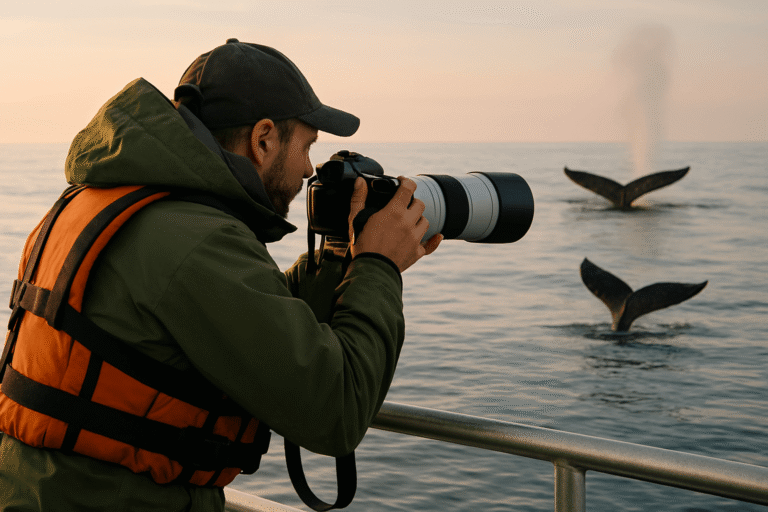
Marine protected areas help local economies by allowing people to do things like snorkeling, diving, and whale watching that are good for the environment. These economic benefits give communities that have always relied on fishing other ways to make money.
Visitors looking for real natural experiences are drawn to protected areas because of their pristine conditions. This brings in money that helps local businesses and creates jobs in tourism-related services.
Challenges and Conservation Solutions
Despite their successes, Hawaii marine protected areas face ongoing challenges that require adaptive management and community support.
Effects of Climate Change
Rising ocean temperatures and acidification pose significant threats to Hawaiian marine ecosystems, even within protected areas. Learn more about the impact of climate change on Hawaii’s marine life: coral bleaching events and changing species distributions are challenging traditional conservation approaches.
Marine protected areas help ecosystems stay healthy, which makes them better able to handle stress from climate change. But stopping climate change needs action from all over the world, not just local protection measures.
Compliance and Enforcement
For marine protection to work, rules must be followed by everyone and enforced all the time. Limited resources for patrol and monitoring can make protection less effective, especially in remote areas.
Community education and volunteer monitoring programs help law enforcement do more while getting people to support marine conservation. When people in a community understand and care about protecting the ocean, compliance rates go up a lot.
Finding the right balance between access and protection
Hawaii’s marine protected areas need to find a balance between protecting the environment and letting people in for education, recreation, and cultural activities. To find this balance, you need to plan carefully and keep talking to people in the community.
Adaptive management approaches allow protected area managers to adjust regulations based on monitoring data and changing conditions. This flexibility helps protect both the environment and the community’s support for marine conservation.
The Future of Marine Conservation in Hawaii
Hawaii’s network of marine protected areas keeps changing to meet new challenges and opportunities in ocean conservation.
Expanding Protection
To keep marine ecosystems healthy, international conservation targets call for protecting 30% of the ocean by 2030. Hawaii is still working toward this goal by finding the best places for new marine protected areas and, when necessary, expanding protections that are already in place.
Collaborative planning processes include people from fishing communities, tourism businesses, conservation groups, and Native Hawaiian groups to make sure that new protections meet a number of goals while keeping the support of the community.
Innovative Management Technologies
New technologies like satellite monitoring, underwater cameras, and environmental DNA sampling provide enhanced capabilities for monitoring protected areas and assessing conservation effectiveness.
These tools help managers keep an eye on marine ecosystems, keep track of species populations, and find new threats before they become serious problems.
Strategies for Adapting to Climate Change
Marine protected areas are adding climate adaptation plans to make ecosystems stronger. These methods include protecting climate refugia, keeping habitats connected, and lowering other stressors that make climate change worse.
Visiting Hawaii’s Marine Protected Areas Responsibly
Hawaii’s marine protected areas offer outstanding opportunities to experience near-pristine ocean environments while supporting their protection. Whether snorkeling in crystal-clear waters, observing marine life in their natural habitats, or learning about traditional Hawaiian ocean stewardship, these protected areas provide transformative experiences that connect visitors with the ocean’s wonders.
When you plan your Hawaiian marine adventure, think about going to different kinds of protected areas to learn more about how to protect marine life. Every protected area in Hawaii has something special to offer when it comes to learning about the state’s marine heritage. For example, the nearshore marine life conservation districts are easy to get to, while Papahanaumokuakea is a remote wilderness area.
From the accessible reefs of Hanauma Bay to the remote atolls of Papahanaumokuakea, Hawaii’s marine protected areas show what is possible when science, community, and cultural tradition work together. Their future depends on continued monitoring, adaptive management, and respect for the rules that keep these waters healthy. Understanding how these protected zones work is the first step toward ensuring Hawaii’s ocean life thrives for generations to come.