
Your Complete Island Adventure Guide: What Not to Miss in Oahu Hawaii

Every year, millions of people visit Oahu because it is the perfect mix of a city and a tropical paradise. This Hawaiian island has something amazing for every kind of traveler, from world-class beaches and historic sites to hidden waterfalls and exciting cultural experiences. Oahu has unforgettable experiences that will make you want to come back before you even leave, whether you’re looking for adventure, relaxation, or a chance to learn about the culture.
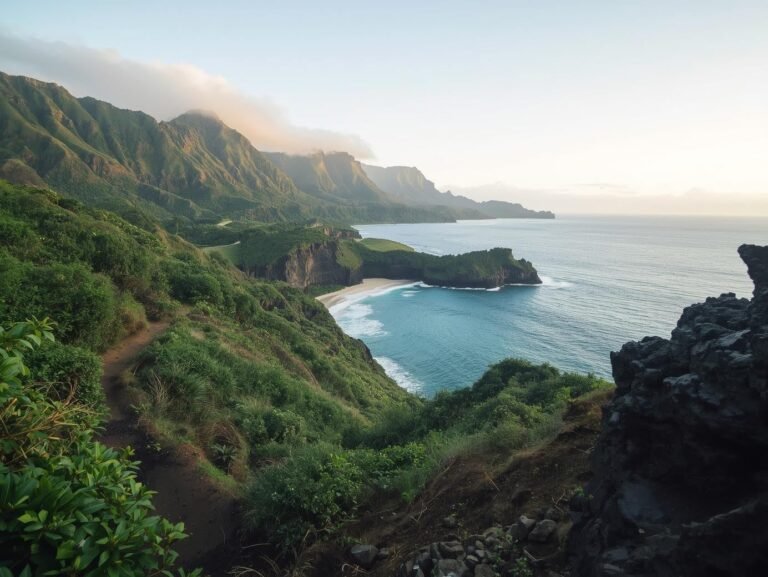
The island’s varied terrain ranges from busy Honolulu to peaceful beaches on the North Shore. Its long history is told through ancient temples, royal palaces, and important war memorials. There are local flavors everywhere, from traditional Hawaiian dishes to new fusion dishes. Oahu has a lot of hidden gems and unique experiences that show what the island is really like, in addition to the well-known attractions.
To make the most of your time in Oahu and find both must-see attractions and hidden gems, you need to know what you’re doing. This all-in-one guide gives you real-life examples and useful tips to help you plan the perfect Hawaiian vacation, making sure you don’t miss any of the island’s most amazing attractions.
Beaches and things to do in the water
Waikiki Beach: The Center of Hawaiian Beach Life
For good reason, Waikiki Beach is still Oahu’s most famous place to visit. This crescent-shaped stretch of golden sand has gentle waves that are great for beginners. More experienced surfers can test their skills at nearby breaks. The beach is great for swimming because the water is calm, and the trade winds are always blowing, making it a great place to ride an outrigger canoe.
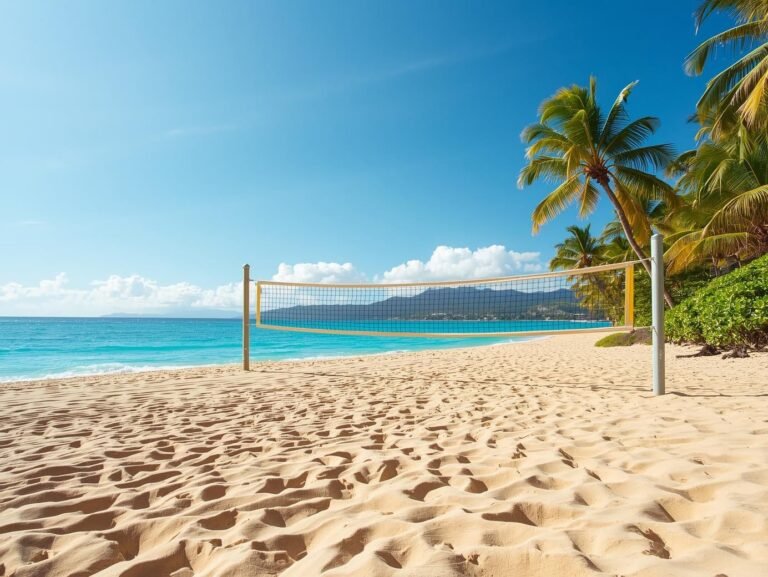
Duke Kahanamoku Beach is the westernmost part of Waikiki and has the most space and the best views of the sunset. You’ll see locals playing volleyball and tourists learning to surf next to beach umbrellas in every color of the rainbow. The beachfront hotels make for a beautiful backdrop, especially when they are lit up at night.
To get the most out of your time in Waikiki, get there early in the morning to get the best beach spots and enjoy the cooler weather. You can easily rent beach gear, but if you want to make sure you get good lessons from experienced local instructors who know the water conditions well, you should book surf lessons ahead of time.
North Shore: Where Famous Waves Meet Heaven
The North Shore changes with the seasons, so you can have very different experiences depending on when you go. During summer months (May through October), these beaches provide calm, crystal-clear waters perfect for swimming and snorkeling. The famous big waves that attract professional surfers from all over the world come in the winter.
Sunset Beach lives up to its name with stunning evening shows that paint the sky in bright pinks and oranges. The beach has a wide sandy shore that makes it easy to see surfers ride huge winter waves. Even during calmer summer periods, the sunsets here remain unmatched.
Waimea Bay has two sides that are very different from each other. In the winter, experienced surfers ride waves that are 30 feet high or more, making a natural amphitheater of excitement. In the summer, this same place becomes a family-friendly swimming and cliff-jumping spot, with the famous Waimea rock serving as a fun (but safe) jumping platform for thrill-seekers.
Snorkeling in Hanauma Bay: A Paradise Underwater
Hanauma Bay Nature Preserve is the best place to go snorkeling on Oahu. It is a protected volcanic crater that is home to more than 400 species of tropical fish. You need to make a reservation ahead of time to visit this marine life conservation area. You can do this online up to 48 hours before your visit.
The bay’s unique shape makes the water calm and shallow, which is great for people who are new to snorkeling. There are also deeper areas near the reef’s edge that are more challenging for experienced snorkelers to explore. Green sea turtles come to the bay a lot, and respectful people who keep their distance can have magical experiences with them.
Arrive prepared with reef-safe sunscreen, as traditional sunscreens are prohibited to protect the delicate marine ecosystem. The visitor center provides educational videos about marine conservation and proper snorkeling techniques. You can rent snorkeling gear on-site, but it’s best to bring your own to make sure it fits and is comfortable.

Places of Historical and Cultural Importance
Pearl Harbor: A Trip Through History That Is Still Alive
One of the most moving historical experiences in the United States is at Pearl Harbor National Memorial. This active military base keeps the memory of December 7, 1941, alive with many memorials and museums that tell personal stories and show real artifacts.
The USS Arizona Memorial, which is built right over the sunken battleship, is very moving and powerful because oil still leaks from the ship’s hull 80 years after the attack. You must make reservations in advance because this popular attraction often sells out weeks in advance. Audio tours with stories from Pearl Harbor survivors make the experience more personal.
The USS Missouri Battleship is where Japan officially gave up and ended World War II. It offers interactive tours that include the exact spot where the surrender ceremony took place. The huge ship gives you a look at life on a navy ship during wartime. Guided tours led by knowledgeable volunteers share interesting facts about how things worked on this historic ship.
The only royal palace in the United States is Iolani Palace.
Iolani Palace is the only official royal home in the United States. It was the home of Hawaii’s last kings and queens, King Kalakaua and Queen Liliuokalani. This beautiful building shows how sophisticated Hawaiian royalty was and how they were connected to royalty all over the world.
The palace’s lavish interior has original furniture, royal portraits, and cutting-edge technology like electric lighting and indoor plumbing that were installed before the White House had these modern conveniences. Guided tours reveal stories of political intrigue, cultural preservation, and the controversial overthrow of the Hawaiian Kingdom.
Visitors can learn about the importance of each room at their own pace with self-guided audio tours. The throne room, with its original thrones and ceremonial items, gives us a unique look at Hawaiian royal customs and the monarchy’s efforts to stay in power during times of change.
Polynesian Cultural Center: A Living Cultural Experience
The Polynesian Cultural Center has recreated traditional villages from Hawaii, Samoa, Fiji, Tahiti, Tonga, and New Zealand to give visitors a taste of real life in the Pacific Islands. Each village has hands-on activities, demonstrations of traditional crafts, and cultural performances by native performers.
You can learn how to do traditional fire dancing, throw a spear, and cook food the way it was done in the past using underground ovens called imu. The center’s evening show, “Ha: Breath of Life,” uses storytelling, dance, and amazing special effects to tell Polynesian creation stories and teach cultural values.
Full-day experiences are the best way to fully immerse yourself in a culture because they give you time to visit all the villages and do different things. The real luau feast has traditional foods made using old-fashioned methods, so you can taste things you won’t find in most tourist restaurants.
Hiking and Adventures in Nature
The most famous hike on Oahu is Diamond Head Crater.
Diamond Head Crater offers Oahu’s most rewarding short hike, combining moderate physical challenge with spectacular panoramic views of Waikiki, Honolulu, and the Pacific Ocean. This extinct volcanic crater is a great place to start hiking in Hawaii and take pictures that will look great on Instagram.
The well-kept trail has switchbacks, stairs, and tunnels that were cut into the crater rim during World War II to make it easier for the military to defend. The 0.8-mile trail goes up 560 feet, which makes it easy for most people to use while still giving them a good workout. Starting early in the morning gives you cooler weather and clearer views before the afternoon trade winds bring clouds.
Getting ready properly makes the experience much better. Bring a lot of water, wear shoes that are strong and have good grip, and get there early to avoid crowds and heat. The views from the top are worth the climb. You can see everything from the Koko Head crater to the Waianae Mountains, and downtown Honolulu looks like a detailed map below.
A Rainforest Adventure at Manoa Falls
The Manoa Falls trail transports hikers into a lush tropical rainforest just minutes from urban Honolulu. This 1.6-mile round-trip hike goes along a stream through thick vegetation with native Hawaiian plants, bamboo groves, and tall trees that make a natural cathedral above.
The trail can be muddy and slippery, especially after it rains, so you need to wear shoes that have good traction. The roots of trees and rocks make natural steps, and the sound of water flowing all the time leads you to the 150-foot waterfall. You can swim in the pool below the falls, but it’s not always a good idea because of bacteria that can grow after heavy rains.
This moderate hike offers excellent opportunities to observe native Hawaiian plants and birds in their natural habitat. The journey itself provides as much reward as the destination, with photo opportunities around every bend and the chance to experience Hawaii’s incredible biodiversity up close.
Nu’uanu Pali Lookout: Where History and Nature Come Together
Nu’uanu Pali Lookout is a great place to see beautiful natural scenery and learn about important events in Hawaiian history. From here, you can see the windward coast and stand where King Kamehameha I won the battle that brought Oahu under his rule in 1795.
From the lookout’s high point, you can see the Ko’olau Mountain Range, Kaneohe Bay, and the towns of Kailua and Kaneohe on the coastal plain below. Trade winds blow through the mountain pass with such force that they can literally knock people off balance, making for a thrilling natural event.
Strong winds make this location particularly dramatic during stormy weather, when clouds race through the mountain pass and rain squalls sweep across the windward coast. It’s easy to get to the lookout by car, which makes it great for people who can’t hike very well but still want to see Oahu’s natural beauty.

Food and Cooking Experiences
Local Food: Real Hawaiian Flavors
Hawaiian food is a mix of Polynesian, Asian, and Western flavors that you can’t find anywhere else. This is because the islands have a rich cultural history. Poke, which is probably Hawaii’s most famous food export, started out as a simple snack for fishermen. Now it is an art form that uses fresh ahi tuna seasoned with sea salt, seaweed, and other local ingredients.
Kalua pig is traditionally cooked in underground earth ovens called imu. It has smoky, tender meat that shows how Hawaiian cooking has been done for generations. The slow cooking process gives the pork a hint of earthy flavors while keeping it very moist and tasty.
In Hawaii, shave ice is more than just a dessert; it’s a cultural institution with flavors that range from traditional Hawaiian fruits to modern combinations that are new and exciting. The best shave ice has ice that is shaved so finely that it looks like fresh snow. It is topped with homemade syrups and sometimes finished with ice cream or condensed milk.
Farmers’ Markets: Fresh Produce from the Island
Oahu’s farmers’ markets offer direct access to the island’s incredible agricultural bounty while supporting local farmers and artisans. The KCC Saturday Farmers’ Market has the most variety of local fruits and vegetables, prepared foods, and handmade goods in a beautiful setting with a view of Diamond Head.
Apple bananas (smaller and sweeter than mainland varieties), dragon fruit, rambutan, and several types of mango are all fresh tropical fruits that are only available during certain times of the year. You can taste single-origin Hawaiian beans with unique flavor profiles that are affected by the volcanic soil and ocean climate. These beans are grown on Oahu’s North Shore and other islands.
Fusion foods that reflect Hawaii’s diverse population are common in prepared foods at farmers’ markets. These markets show off the creative cooking style that makes Hawaiian food culture so unique. For example, you can get Korean-Hawaiian plate lunches and Portuguese malasadas filled with tropical fruit.
Luaus: Hawaiian Festivals That Are Still Going On
Real luaus teach you about Hawaiian culture while you eat amazing food. They also share the Hawaiian values of ohana (family), aloha (love and respect), and malama (caring for others and the land). Traditional foods made in the way they were made by your ancestors have flavors and textures that you won’t find in restaurants.
Poi, which is made from taro root, is Hawaii’s traditional staple food. The plant that Hawaiians believe gave life to their people is very important to their culture. While the taste may seem unusual to first-time visitors, eating poi with traditional Hawaiian foods reveals how its mild flavor complements saltier dishes.
Lau lau is a traditional dish that uses cooking methods that were used before Europeans came into contact with the island. It consists of pork wrapped in taro leaves and steamed for hours. The slow-cooking process creates incredibly tender meat while the taro leaves impart subtle mineral flavors that enhance the overall dish.
Secret Places and Hidden Gems
A Piece of Japan in Paradise: Byodo-In Temple
The Byodo-In Temple is in the Valley of the Temples and is a peaceful place to escape to that takes people back to ancient Japan without leaving Oahu. This non-denominational temple was built to honor Japanese immigrants to Hawaii. It is a peaceful place compared to the busy tourist areas on the island.
The temple’s design is based on a 900-year-old temple in Japan, and it was built using traditional methods and real materials. Peacocks are free to roam the grounds, and when they show off their colorful feathers against the Ko’olau Mountains, it makes for magical moments. Koi fish populate the temple’s pond, where visitors can purchase food to feed these colorful inhabitants.
When the three-ton brass bell at the temple rings, it makes deep, resonant sounds that travel through the valley. People believe that hearing it brings good luck and peace. Japanese architecture, tropical plants, and mountains all come together to make one of Oahu’s most beautiful and spiritually uplifting places.
The Ho’omaluhia Botanical Garden has 400 acres of beautiful plants.
The Ho’omaluhia Botanical Garden is 400 acres of well-kept gardens that show off plants from tropical areas all over the world. This free attraction offers peaceful walking trails, stunning mountain views, and educational opportunities to learn about plants that thrive in Hawaii’s climate.
The lake in the middle of the garden, which is surrounded by palm trees and tropical plants and has the Ko’olau Mountains rising dramatically behind it, is one of the most Instagram-worthy places on Oahu. Weekend camping is available by permit, offering a unique opportunity to sleep under the stars in this botanical paradise.
Visitors can see plants from Africa, Sri Lanka, the Philippines, and other tropical areas without leaving Hawaii thanks to plant collections that are organized by geographic region. The calm setting draws in many kinds of birds, making it a great place to take nature photos and think quietly away from busy tourist spots.
Lanikai Pillboxes Hike: Sunrise Views Over Paradise
The Lanikai Pillboxes hike gives early risers some of the best views of the sunrise on Oahu. From a higher point of view, you can see the offshore islands and the beautiful Lanikai Beach. These concrete military bunkers were built during World War II and are now popular places to take pictures and see the sights.
The short but steep trail quickly gains a lot of height, making it hard even though it’s not very long. You need to wear the right shoes with good grip because the trail can be slippery when it’s wet and there are loose rocks and dirt. The reward is worth the work: stunning views of turquoise waters, white sand beaches, and the unique shapes of the Mokulua Islands.
The best lighting and cooler hiking conditions are at sunrise, but you have to be willing to get up early to do it. The golden hour light makes the landscape look like a photographer’s dream, with long shadows and warm light bringing out every detail of this tropical paradise.
Useful Planning Tips
Ways to Get Around
Renting a car gives you the most freedom to see all of Oahu’s different attractions, especially the more hidden ones and the beaches that are harder to get to. But traffic in Honolulu can be hard to deal with, and parking at popular places fills up quickly during busy times.
TheBus system is a good and cheap way to get around most of the island, but it can take longer than driving. The bus system gives you a real taste of the area and takes away the worry of finding parking at popular places like Hanauma Bay and Diamond Head.
Ride-sharing services are useful for certain trips, like early morning hikes or late-night meals, but the costs can add up quickly if you use them multiple times a day. Many hotels offer shuttle services to major attractions, providing middle-ground options between full independence and complete reliance on public transportation.
Ways to Find a Place to Stay
During busy times, Waikiki hotels can feel crowded and cost a lot of money, but they are close to beaches, restaurants, and nightlife. Vacation rentals in neighborhoods like Kailua give you more room and a chance to experience the local culture while also giving you access to some of Oahu’s most beautiful beaches.
North Shore hotels and resorts put guests right in the middle of Oahu’s laid-back surf culture and make it easy to get to famous beaches and food trucks. But because the attractions are far away from Honolulu, you need to plan and travel more.
During peak seasons (December through April and summer), prices go up a lot and rooms are hard to find. So, book your accommodations well in advance. Shoulder seasons offer better rates and fewer crowds while still providing excellent weather for most activities.
When is the best time to visit?
Hawaii is a year-round destination because the weather is always nice, but the number of people and the weather do change with the seasons. During the winter, the weather is cooler, it rains sometimes, and the North Shore surf is famous. It’s also the busiest time of year for tourists, with high prices and crowded attractions.
The ocean is calmest for swimming and snorkeling in the summer, and the days are longer so you can do more things outside. However, this period also sees increased local tourism as mainland visitors escape summer heat, leading to busier beaches and attractions.
The shoulder seasons, which run from April to May and September to November, are the best times to visit because the weather is nice, the crowds are small, and the prices for places to stay are reasonable. These times give you the best overall value while still giving you great Hawaiian experiences.
Your Oahu adventure is waiting for you.
Oahu’s incredible diversity ensures every visitor discovers something extraordinary, whether seeking adrenaline-pumping adventures, peaceful cultural experiences, or simply the perfect beach day. Every part of Oahu has something new to see and remember, from famous sites that tell the story of Hawaii’s unique history to hidden gems that show the island’s true character.
The magic of the island isn’t just in its attractions; it’s also in the way that natural beauty, rich culture, and warm hospitality come together to create the Hawaiian experience. Oahu makes connections that last long after your tan fades, whether you’re watching the sunrise from old volcanic craters, swimming with sea turtles in protected bays, or talking to locals at farmers’ markets.
Are you ready to see Oahu’s magic for yourself? Hawaii Guide Hub is an expert at making personalized island trips that show off both the must-see sights and the lesser-known gems. Our local expertise and insider knowledge ensure you don’t miss any of Oahu’s spectacular offerings while discovering unique experiences tailored to your interests and travel style. Get in touch with us today to start planning your ideal Hawaiian trip.